
 By Jia Lissa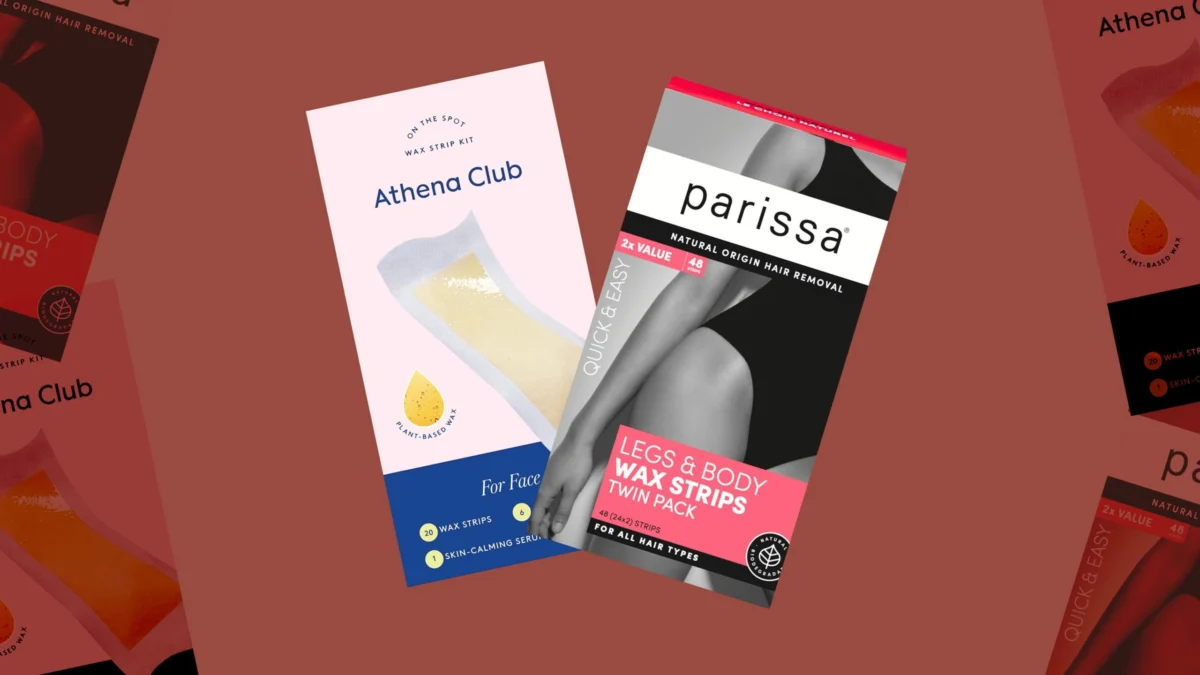
Embarking on the journey of at-home hair removal can seem daunting, yet with the right knowledge and approach, it’s an achievable and often cost-effective alternative to professional salon treatments. This comprehensive guide delves into the intricacies of at-home waxing, drawing on insights from dermatologists and beauty experts to equip individuals with the information needed for safe and effective hair removal. From selecting the most suitable wax type to navigating common mistakes and understanding the rigorous testing behind product recommendations, this article aims to demystify the process and empower consumers.
Choosing the Right Wax for Home Use
The landscape of at-home waxing offers a variety of options, each with its own set of advantages and considerations. Understanding these nuances is the first step toward a successful hair removal experience.
Wax Strips: The Accessible Option
For those new to waxing or prioritizing convenience and safety, wax strips emerge as a highly recommended choice. Dr. Rastogi, a proponent of this method, highlights their immediate usability, eliminating the need for heating and thereby reducing the risk of accidental burns. This inherent safety feature makes them particularly appealing for individuals who may be hesitant about handling hot wax at home. The pre-applied wax on flexible strips allows for quick application and removal, streamlining the entire process. Their portability also makes them ideal for touch-ups or travel.
Hard Wax: For a Deeper, Gentler Approach
In contrast, hard wax, though requiring a heating process, offers distinct benefits, particularly for sensitive skin and delicate areas. Experts Alba and Coppola advocate for hard wax due to its unique application method. Unlike soft waxes that adhere to both hair and skin, hard wax envelops the hair follicle itself. This characteristic minimizes the pulling and tugging on the skin’s surface, leading to significantly less irritation and discomfort. This is especially beneficial for areas like the bikini line or underarms where skin can be more prone to redness and sensitivity.
The application of hard wax involves heating the wax to a pliable consistency, then applying it to the skin. It solidifies around the hair and is then removed in larger sections. The key to using hard wax safely at home lies in meticulous temperature control. Testing a small amount on the inner wrist before full application is paramount to prevent burns. For individuals who feel apprehensive about managing the heating and application process, seeking guidance from a licensed hair removal professional for the initial sessions is a prudent course of action.
Ingredient Awareness: A Crucial Step for Sensitive Skin
Regardless of the chosen wax type, a thorough examination of the product’s ingredient list is indispensable, especially for those with reactive or sensitive skin. The base of most waxes typically consists of rosin, beeswax, or a combination of both. However, many formulations incorporate additional ingredients such as fragrances, dyes, or essential oils. While these additives can enhance the product’s scent or color, they can also be potential irritants for some individuals, leading to redness, itching, or allergic reactions. Consumers are advised to opt for hypoallergenic or fragrance-free formulations if they have a history of skin sensitivities. Consulting with a dermatologist or allergist can provide personalized recommendations for wax formulations that align with specific skin needs.
Navigating Common Waxing Mistakes
Even with the best intentions and products, several common errors can undermine the effectiveness and comfort of at-home waxing. Understanding and avoiding these pitfalls is crucial for achieving smooth, irritation-free results.
Pre-Wax Preparation: Setting the Stage for Success
The preparation leading up to a waxing session significantly impacts the outcome.
-
Product Discontinuation: A critical step advised by Dr. Rastogi is to cease the use of products containing retinoids or retinol in the targeted area for at least a week prior to waxing. These potent ingredients accelerate skin cell turnover and can render the skin thinner and more vulnerable. Consequently, during the waxing process, this can increase the susceptibility to skin lifting, severe irritation, and even chemical burns, as the wax may inadvertently remove layers of skin along with the hair. The cumulative effect of these ingredients on skin barrier function warrants careful consideration.
-
Gentle Exfoliation: In the one to two days preceding the waxing appointment, a gentle exfoliation of the skin is beneficial. This process removes dead skin cells that can trap hair, preventing them from being effectively gripped by the wax. Over-exfoliation, however, should be avoided as it can compromise the skin’s protective barrier, leading to increased sensitivity.
-
Day-Of Skin Condition: On the day of waxing, ensuring the skin is clean, dry, and free from any topical products is essential. Alba emphasizes that lotions, oils, or deodorants can create a barrier between the wax and the hair, hindering the wax’s ability to adhere properly. This lack of adhesion can result in incomplete hair removal and necessitate multiple passes over the same area, increasing the risk of irritation. A simple cleansing with a mild soap and water, followed by thorough drying, is often sufficient.
Hair Length: The Key to Effective Grip
The length of the hair is a critical factor for the wax to effectively adhere and pull the hair from the root.
-
Wax Strips: For traditional wax strips, hair should be at least two millimeters long. This is roughly the length of a grain of rice. Shorter hairs may not be adequately grasped by the wax, leading to patchy results.
-
Hard Wax: Hard wax typically requires a slightly longer hair length, approximately a quarter of an inch. This length allows the wax to create a firm grip around the hair shaft.
If hair is too long, trimming it slightly with clean scissors or an electric trimmer can improve the waxing experience. Conversely, if the hair is too short, it is advisable to postpone waxing until it reaches the recommended length.
The Art of the Pull: Technique Matters
Coppola underscores the paramount importance of proper waxing technique. The direction and angle of the pull are crucial for minimizing pain and preventing adverse reactions.
-
Direction of Pull: The wax should always be pulled in the direction of hair growth. However, the strip or hardened wax is applied against the direction of hair growth. This allows the wax to penetrate the hair follicle.
-
Angle of Removal: The pull should be kept close to the skin’s surface, parallel to the skin. This technique ensures that the hair is pulled directly from the root, rather than being snapped off at the surface.
-
The "Up and Away" Mistake: A common and detrimental mistake is pulling the wax "up and away" from the skin. This motion significantly increases the likelihood of bruising, skin lifting, and unnecessary pain. Maintaining a low, parallel pull is the key to a clean and comfortable removal.
Post-Wax Care: Nurturing Recovering Skin
The commitment to smooth skin extends beyond the removal process. Post-wax care is vital for soothing the skin and promoting healing.
-
Hydration and Barrier Support: Dr. Rastogi recommends applying a moisturizer immediately after waxing. This helps to rehydrate the skin, which can become temporarily dehydrated during the process. Moisturizers also play a crucial role in supporting the skin barrier, which may have been slightly compromised during hair removal. Opting for gentle, fragrance-free moisturizers is advisable.
-
Avoiding Irritants: In the hours and days following waxing, it’s important to avoid activities and products that can further irritate the freshly waxed skin. This includes hot baths, saunas, excessive sun exposure, tight clothing, and strenuous exercise that can cause sweating. These precautions help prevent inflammation and potential infections.
Expert Endorsements and Product Testing Methodology
The recommendations and insights provided in this guide are informed by rigorous testing and the expertise of seasoned professionals. Publications that review beauty products, such as Allure, employ a multi-faceted approach to ensure that their recommendations are reliable and beneficial to consumers.
A Deeper Dive into Product Evaluation
When Allure evaluates a beauty product, their editorial team undertakes a comprehensive review process. This involves scrutinizing ingredient lists to identify potential irritants or beneficial compounds, critically examining brand claims to ensure accuracy, and, when necessary, consulting peer-reviewed scientific and medical studies to validate product efficacy and safety. This meticulous approach ensures that consumers receive informed recommendations based on scientific evidence and expert knowledge.
In the realm of at-home wax kits, the review process is further enhanced by the involvement of a diverse panel of experts. This panel typically includes editors, writers, contributors, cosmetic chemists, and makeup artists, all of whom possess extensive experience in studying and using such products. Their collective expertise allows for a thorough assessment across several key performance categories:
- Efficacy: How well does the product remove hair? Does it achieve smooth results with minimal effort?
- Texture: What is the consistency of the wax? Is it easy to apply and remove? Does it feel pleasant on the skin?
- Experience: What is the overall user experience like? Is it comfortable, efficient, and relatively pain-free?
- Formula: Are the ingredients well-formulated? Are there any potential irritants or beneficial components?
This holistic evaluation ensures that the reviewed products are not only effective but also safe and user-friendly.
The Importance of a Diverse Testing Team
Allure emphasizes that the diversity of its testing team is fundamental to its ability to provide fair and accurate product assessments. Beauty products are deeply personal, catering to a wide spectrum of individual needs, concerns, and physical characteristics. A testing team that spans a broad range of ages, skin tones, hair textures, genders, and backgrounds is essential for a comprehensive evaluation.
For instance, a skincare product intended for mature skin cannot be adequately assessed solely by a panel of young testers. Similarly, a hair product’s effectiveness on curly hair cannot be truly determined without the input of individuals with that specific hair texture. By actively recruiting a diverse group of writers, editors, and outside testers, Allure ensures that its recommendations are representative and applicable to a wider audience. This commitment to inclusivity fosters trust and empowers consumers to make informed purchasing decisions that align with their unique requirements. The insights gleaned from this varied testing pool are instrumental in identifying the true "best" products across the vast beauty market.
The integration of expert knowledge with rigorous, diverse product testing forms the bedrock of reliable beauty recommendations. By understanding the nuances of different waxing methods, diligently preparing the skin, and employing proper techniques, individuals can confidently achieve professional-level results in the comfort of their own homes. The continuous evolution of at-home hair removal products, coupled with a well-informed consumer, promises a future where smooth, radiant skin is more accessible than ever before.
