
 By Jia Lissa
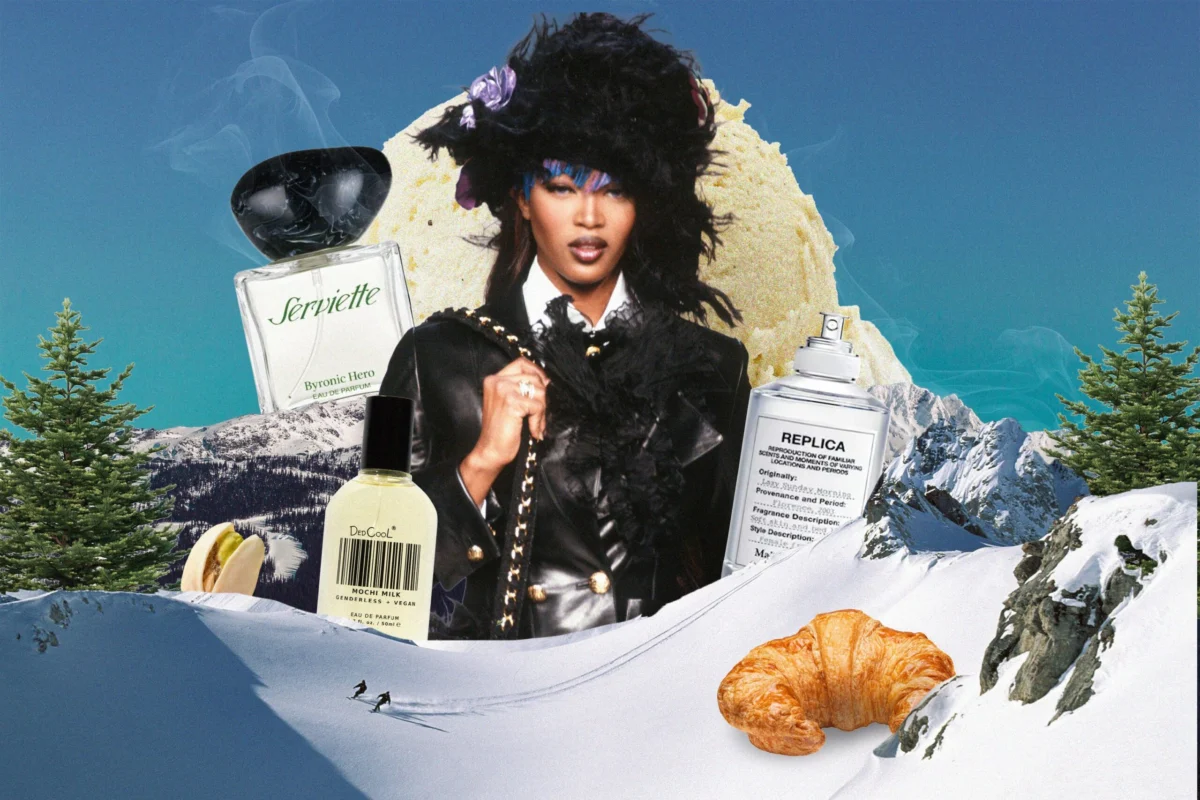
In 2026, the essence of luxury has undergone a subtle yet profound transformation. It no longer screams opulence through overt displays of wealth, such as designer labels and private jets. Instead, it whispers through the mindful indulgence of everyday moments. This new paradigm of luxury is found in the deliberate act of crafting an omelette with crème fraîche, the quiet gifting of oneself a sumptuously soft cashmere loungewear set, or the simple yet satisfying choice of premium butter at the grocery store. This shift towards appreciating life’s finer, more accessible pleasures is deeply reflected in winter’s most prominent fragrance trends.
This season’s olfactory landscape is a direct response to a collective yearning for self-soothing and personal indulgence. This desire is underscored by the American Psychiatric Association’s annual mental health poll, which consistently reveals elevated levels of anxiety stemming from current events, financial pressures, and the pervasive issue of loneliness. These stressors create a palpable need for comfort and emotional equilibrium, and fragrance has emerged as a potent tool in addressing this need.
Delphine Jelk, a distinguished Paris-based perfumer and creative director of fragrance for Guerlain, observes this trend, stating, "I think there’s a broader desire for comfort and reassurance. We live in an incredibly fast-paced world, and fragrance can offer a small moment of intimacy. Something warm and almost cocooning that you can wrap yourself in." This sentiment highlights fragrance’s evolving role from mere adornment to a sanctuary of personal well-being.
The market data supports this burgeoning demand for comforting scents. Luxury perfume has witnessed a remarkable year-over-year increase in popularity, with data from Spate, a market research platform, indicating a surge of 123.7%. However, this growth is not driven by a desire for ostentatious branding. A recent EY survey revealed that while quality remains a primary purchase driver for 62% of respondents, only 26% prioritize logo presence. This signifies a clear preference for "quiet luxury"—an experience of sophistication and fulfillment rather than overt wealth signaling.
Jelk further elaborates on this sophisticated simplicity, noting, "There is a real desire for sophisticated simplicity. A return to what is essential, but always with elegance. I think fragrance reflects the same desire: creations that feel more essential and immediately understandable, but still have sophistication, depth, and emotion."
This translates into fragrances that offer moments of elevated healing. The "gourmand" category, for instance, is moving beyond simple sweetness to embrace a more refined, artisanal quality. Think less of homemade brownies and more of the flaky, buttery accords reminiscent of a high-end patisserie. Smoky incense, traditionally a source of meditative calm, is being reimagined for broader appeal. This season, it’s rendered more transparent and wearable through sophisticated pairings with florals or creamy woods, evoking the serene ambiance of a sunrise yoga session rather than a somber, traditional setting. Nature-inspired notes are also gaining traction, harmonizing the crispness of winter greens with the grounding warmth of aged woods. Musks are being employed to capture the tactile sensation of luxurious fabrics, akin to the comfort of fresh, high-thread-count bed linens. Finally, the inclusion of pink pepper notes injects a vital spark of energy into heavier scents, providing an olfactory boost to navigate the shorter, darker days of winter.
Winter Forest Notes: A Retreat into Nature’s Embrace
A palpable trend towards embracing nature and seeking respite from the digital deluge continues to shape consumer preferences. This inclination, sometimes termed "tech fatigue" or a broader "wilderkind" movement identified by Pinterest Predicts, manifests as a desire to disconnect and reconnect with the natural world. The fantasy of a secluded cabin in the woods, where mornings are spent meandering through verdant landscapes and evenings are savored under a starlit sky, resonates deeply. This yearning for natural immersion is not merely aesthetic; it’s deeply rooted in well-being.
Scientific research consistently substantiates the profound health benefits of exposure to natural environments and their scents. Studies have demonstrated that the aromas of forest elements like fir and mushroom can significantly enhance mental and physical relaxation, leading to reduced cortisol levels and lower blood pressure. This underscores a fundamental human connection to nature, a connection that perfumers are now skillfully translating into scent.
The increased interest in "touching grass," a colloquial term for engaging with the natural world, is clearly reflected in the fragrance market. Online searches for petrichor fragrances—the earthy scent produced when rain falls on dry soil—have surged by an impressive 94.4% year-over-year. Concurrently, searches for "woody perfume" have seen an even more dramatic increase of 243.8%, according to Spate.
Alie Kiral, a Chicago-based perfumer and founder of Pearfat Parfum, articulates the driving force behind this trend: "People are worn out by the digital world, surveillance, and chaos of the present day. These kinds of smells are a reminder that ultimately, we’re just floating on a big rock in space." This perspective highlights how nature-inspired fragrances serve as an anchor, grounding individuals amidst the complexities of modern life.
As winter approaches, the olfactory profile of the natural world evolves. Instead of the vibrant notes of budding greens, wild berries, and sun-drenched solar accords, the winter forest offers a distinct crispness. Jon Bresler, founder of LAFCO, a renowned perfume and home fragrance brand, describes this essence as "aromatic woods and greens." He elaborates, "Think cedar, pine, fir, cypress, eucalyptus, rosemary, juniper, and moss. These materials can be used to create the sensation of being outdoors in winter; the coolness of the air."
Richard Saint-Ford, a Los Angeles-based perfumer and founder of Iggywoo, anticipates a growing demand for fragrances that capture the essence of a winter landscape. He observes, "I think people are starting to understand that winter fragrance doesn’t automatically have to mean warm, heavy, or sweet. There’s something incredibly beautiful about amplifying the environment you’re already in. Embracing the cold rather than trying to fight it with sweetness."
To achieve this evocative effect, perfumers are incorporating mineral or airy accords, which skillfully replicate the sensation of cold air against the skin. Guerlain’s L’Heure Bleue and Liis’s Forest Sounds are notable examples, both utilizing ozonic accords to impart a refreshing, crisp air quality.
The "cold greens," as Bresler terms them, such as pine, fir, eucalyptus, and rosemary, introduce a sharp, invigorating note that firmly situates a fragrance within the winter season. FFern Winter 26’s composition, featuring eucalyptus, basil, fir, moss, cedar, and vetiver, sharpened by lemon and peppermint, is cited as an exemplary blend that evokes "a sense of a cold landscape rather than a traditional holiday fragrance."
The key to successfully capturing the "winter forest" essence, rather than merely smelling like a "Christmas tree," lies in balancing these winter greens with deeper, more complex notes. Aromatic herbs, aged woods like sandalwood and oud, and earthy patchouli provide the necessary depth and sophistication. Serviette’s Byronic Hero, with its fir balsam heart deepened by oud and patchouli, exemplifies this approach. LAFCO’s Fireside Light opens with fir balsam before transitioning to a smokier patchouli and guaiacwood base. Similarly, Dirty Hinoki by Heretic begins with wintry pine, thyme, and nutmeg, artfully balanced by rich cedar and resinous frankincense.
Winter foraging also serves as inspiration, lending a unique dimension to these colder notes. Kiral recommends Nassomato Micodeliro, a fragrance that prominently features a mushroom accord, invigorated by spearmint as a refreshing top note.
Bakery Gourmands: A Sophisticated Sweetness
The concept of comfort in winter often conjures images of warmth and indulgence, and nowhere is this more deliciously translated than in the realm of bakery-inspired gourmand fragrances. Imagine a quintessential Parisian winter morning: a café au lait savored in a cozy apartment, followed by a brisk walk to a local boulangerie. The air that greets you upon entering the bakery is not merely sweet; it’s a complex tapestry of warm, inviting aromas—less akin to mass-produced confections and more evocative of artisanal craftsmanship and rich textures.
Arnaud Guggenbuhl, global head of marketing, insights, and image for Givaudan, a leading fragrance ingredient manufacturer, describes this trend as "the season’s most literal comfort language: bready, buttery, faintly toasted accords." This winter, gourmands are eschewing overly sugary profiles in favor of a richer, more nuanced sweetness. Guggenbuhl elaborates, "Winter turns a dial back toward warmth, but a smarter warmth."
This sophisticated sweetness is achieved through elements like toasted or honeyed notes that elevate familiar bakery ingredients. Sol de Janeiro’s Cheirosa 62 Intense incorporates roasted macadamia, while Clean Reserve’s Pistachio Addiction features honeyed orange flower layered over pistachio, cardamom, and praline. Jeniece Trizzino, vice president of innovation and product at Scentbird and Drift, also favors fragrances that incorporate chewy, milky notes, citing DedCool’s Mochi Milk and Nette’s Mochi Banane as examples that evoke the comforting texture of mochi.
Creamy, milky fragrances are particularly adept at capturing that high-end bakery ambiance. While traditional gourmands often relied on vanilla or tonka, this season sees an emphasis on nuttier milks and creams, elevating simple notes into something more akin to a freshly baked madeleine. Anti Kleopatra, for instance, features a smooth almond milk top note intertwined with cinnamon and jasmine. Oscar de la Renta’s New York Rendezvous, with its airy chantilly and almond flower notes, evokes the delicate sweetness of a fresh financier, a departure from the heavier buttercream frosting notes of previous seasons.
Transparent Incense: A Softer, More Intimate Embrace
Incense has long been recognized for its potent presence, often signaling its arrival long before it is seen. Traditionally employed for its meditative and spiritual qualities, its deep, smoky character can be polarizing. However, as a cultural inclination towards introspection and a reconnection with the spiritual self gains momentum, there is a growing demand for a more nuanced and accessible interpretation of incense in perfumery. The desire is for the comforting, grounding properties of incense, but delivered with a significantly softer touch.
This shift towards understated sophistication is a hallmark of contemporary fragrance trends. Guggenbuhl observes, "The mood has shifted from ‘notice me across the room’ to ‘recognize me up close.’ A fragrance you wear to say, quite simply: ‘I’m here, come closer.’" This sentiment underscores a move away from assertive sillage towards a more intimate olfactory experience.
Andreas Wilhelm, a Zurich-based perfumer, echoes this sentiment, noting a collective rediscovery of personal scent profiles. "After years of powerful projection that could sometimes feel almost intrusive, people seem to be rediscovering the appeal of a more personal scent," he states. This preference for personal, less overwhelming fragrances is particularly relevant to incense, which can traditionally be quite dominant.
The confluence of a cultural emphasis on mental well-being and a desire for ritualistic decompression has propelled incense-centric fragrances to the forefront this winter. Bresler notes, "There’s a broader interest in ritual and decompression." This aligns with recent findings from McKinsey’s 2025 Future of Wellness Trends report, which indicated that 42% of Gen Z and millennial respondents in the US are prioritizing mindfulness. Furthermore, a study published in Scientific Reports revealed a steady increase in meditation practices over the past two decades, with no signs of abatement.
While mindfulness and meditation are highly sought-after states, the use of heavy, dark scents to facilitate spiritual transcendence may not align with this desire for lightness and clarity. Consequently, winter’s incense notes are evolving to become "lighter and more modern," as Bresler describes them. The aim is to evoke calm and introspection without the need for an overtly dense or religious connotation.
Saint-Ford agrees that incense is charting an interesting new course. "We’ve traditionally made incense fragrances very dark, smoky, and ceremonial. I’m more interested in incense being used almost transparently—frankincense, elemi and resins with air, citrus, florals or pale woods around them." The objective is to create warmth and atmosphere without enveloping the wearer in an overwhelming cloud of scent. "For winter, that’s really compelling because it feels intimate rather than oppressive," he adds.
Fulton & Roark’s Cathedral of Ruins exemplifies this approach, opening with floral rose and fresh green cypress before settling into a smoldering frankincense. Amouage Overture 41 softens its profound blend of frankincense, benzoin, and patchouli with geranium, cinnamon, rose, and warm sandalwood. Both Kiral and Wilhelm endorse Maya Njie’s Aethi Opum, which artfully employs thiouraye, a sweeter resin, in conjunction with vanilla, coffee, and papyrus.
A more translucent interpretation is found in Perfumehead 1360, which layers grapefruit, pepper, and vetiver atop a base of gurjum—a subtler resin than frankincense or myrrh. Victoria Beckham’s Hotel Portofino conceals an incense base note within basil, bergamot, and fig, lending depth to these brighter notes in a manner reminiscent of light toasting in a Mediterranean kitchen. Ormonde Jayne’s Tolu elevates frankincense and amber with juniper berry, orange blossom, and tonka top notes.
Cozy Fabrics: The Tactile Allure of Scent
Beyond the visual and gustatory, the sense of touch plays a crucial role in our perception of luxury and comfort. This winter, fragrances are increasingly designed to emulate the sensation of luxuriously soft and cozy fabrics. The aspiration of settling by a roaring fire, perhaps draped in a cashmere blanket in a secluded mountain chalet, is translated into olfactory experiences that capture the essence of high-quality textiles.
Guggenbuhl explains, "Cashmere, suede, velvet, cotton, and skin musks are increasingly shaping fragrance language, mirroring the broader fashion shift toward tactility and second-skin textures." This trend is driven not only by the inherent comfort and warmth associated with these materials but also by their perceived sheerness and closeness to the skin. "Winter 2026 reframes luxury as emotional precision. This year, warmth is built through intimacy instead," Guggenbuhl adds. This concept of "quiet luxury" in fragrance eschews ostentatious displays in favor of the subtle pleasures derived from high-quality linen sheets, a supple leather tote, or refined woolen gloves.
The influence of this tactile shift is evident in online search trends. Pinterest has reported a significant increase in searches for "skin scent," a note often used to evoke the feeling of cashmere or cotton, with an uptick of over 287%. This underscores a collective desire for fragrances that feel as close and comforting as a favorite garment.
Saint-Ford notes a growing fascination among perfumers with reconstructing sensations and materials rather than solely focusing on traditional floral, fruity, or food-based notes. This implies an expectation of encountering fragrances that mimic the textures of fine fabrics like cashmere, wool, and linen.
The olfactory representation of these fabrics is a complex art. Trizzino highlights cashmeran, a molecule developed in the 1970s by International Flavors and Fragrance, as a key ingredient for replicating the sensation of wool and cashmere. She explains that cashmeran "does not smell like cashmere so much as it smells like the feeling of cashmere, which is a strange and useful thing for a material to do."
Trizzino further elaborates on the transformative power of cashmeran: "Cashmeran gives you that cashmere and worn-fabric feeling, so you are essentially wearing texture and then styling a fragrance on top of it." The surrounding notes significantly influence the perceived context of this "cashmere" note. Phlur’s Cashmere Skin, for instance, pairs its cashmere top note with almond, cream, and vanilla, imbuing it with a gourmand touch that evokes baking banana bread in a cozy Berkshire home. Bath & Body Works’ Cashmere Amber combines cashmere musk with amber to create a deep, warm ambiance, perfect for a fireside setting. For those yearning for a hint of spring, Memo Paris’s Odeon Rosebud infuses its cashmeran base with fresh rose, peony, and freesia accords.
Linen, in contrast, offers a cleaner, crisper sensation. Bresler suggests that the incorporation of mineral musks—those transparent skin scents trending on Pinterest—can help steer a fragrance towards a fresh linen profile.
Trizzino describes linen as "a different construction and a much more established one. Perfumers call it a fantasy accord because there is no linen extract. You build it from white musks for the softness, light aldehydes for the air-dried brightness, and a transparent ozonic note for the sense of outdoors." Maison Margiela’s Replica Lazy Sunday Morning is a prime example, employing aldehydes to approximate linen, settling into a base of white musk and iris—a note known for its powdery, dry, textile-like quality. Guggenbuhl recommends Carolina Herrera’s Cedar Chic, which features a similar bright top profile complemented by a creamy cedarwood finish. L’Epoque Parfums’ Inner Child and Baruti’s Hot Cotton offer more literal interpretations, opening with linen accord and a hot iron accord, respectively, before evolving into a second-skin musk.
Pink Pepper: A Spark of Winter Vitality
As daylight diminishes during the winter months, the natural inclination is to seek warmth and comfort, perhaps even a desire to hibernate. However, the demands of daily life necessitate a certain level of energy and engagement. In this context, olfactory pick-me-ups are becoming increasingly valuable for maintaining vitality.
The prevalence of pink pepper in fragrances this season is likely a strategic choice. Emma, a perfumer student behind the social media account @perfumerism, explains, "It gives an impact at first smell, and nowadays, with such a crowded market, it is important that fragrances impress consumers right from the first spray." Typically used as a top note, pink pepper offers a profile that is "spicy and peppery, sparkling, with slight tea-like or floral notes."
Emma further clarifies that pink pepper is a dried berry with a profile distinct from black pepper, possessing more floral undertones. "Where black pepper is aromatic and dusty, pink pepper is more citrusy, sparkling, and fruity. It is versatile, light, and bright." Crucially, it is not botanically related to black peppercorns.
Linda Pilkington, founder of the London-based perfumer Ormonde Jayne, relies on pink pepper for its immediate invigorating effect. "I usually have a vial of pink pepper and Timur pepper absolutes on my worktable and smell it most days for an immediate lift. It’s unexpected, with a citrus grapefruit-like quality, completely different from a pepper that you would cook with."
This characteristic makes pink pepper ideal for lightening heavier winter ingredients such as incense, vanilla, or rich spices. Trizzino notes, "It is not a spice that adds weight; it is a spice that adds light." This is evident in Nishane’s Hold Me Closer, where pink pepper elevates notes of resinous frankincense and opoponax. In Ex Nihilo’s Bois D’Hiver, it provides a counterpoint to woody notes like cedarwood, sandalwood, and patchouli. Byredo’s Havana Tonka softens a more serious profile of rum and tobacco, making the blend more approachable with its sparkling topper. It also serves to prevent vanilla from becoming overly rich and dessert-like; Cirqadian’s Brain Stems utilizes pink pepper in conjunction with citrusy bergamot to brighten an amber and vanilla base.
Emma highlights the versatility of pink pepper’s citrus facets, noting their compatibility with soft, musky fragrances. Contrapposto’s Musc Petille combines pink pepper with bitter orange to complement a sheer musk base and warm, musky ambrette seeds. Studio Particulier’s latest fragrance, What We Do Is Secret, layers pink pepper berries over powdery orris, deep suede, and soft skin musk.
