
 By admin
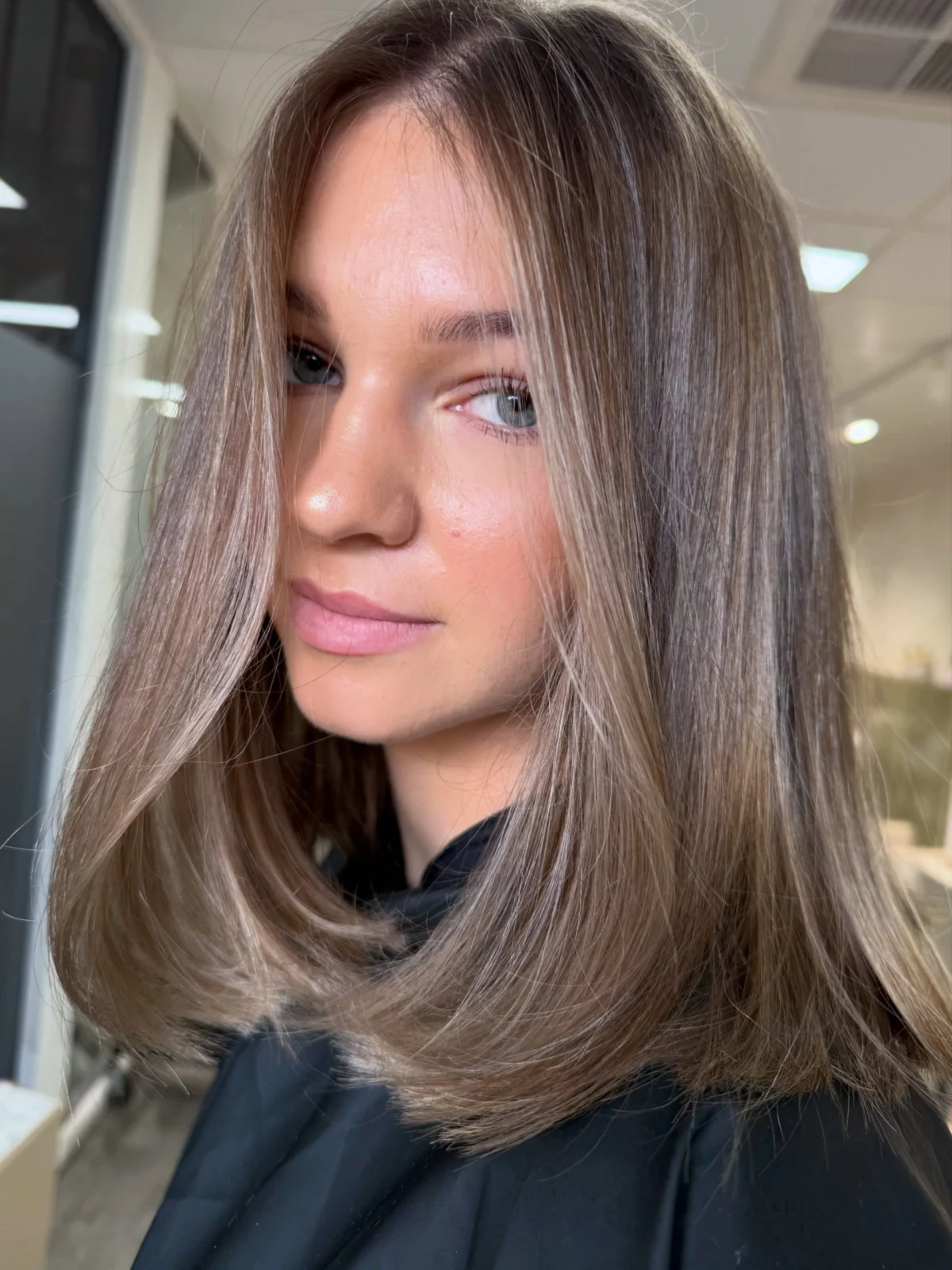
The world of hair trends is in constant flux, yet certain styles manage to capture the zeitgeist with their blend of classic appeal and contemporary adaptability. Among these, the "slip bob" has emerged as a particularly compelling option for those seeking a sophisticated yet effortless look. This hairstyle, characterized by its fluid silhouette and strategic layering, offers a nuanced alternative to more severe bob cuts, providing a flattering and manageable option across a wide spectrum of hair types and face shapes.
Defining the Slip Bob: A Nuanced Approach to a Classic Cut
At its core, the slip bob is an evolution of the iconic 90s bob, but with a crucial distinction: its length typically falls closer to the shoulders, offering a more forgiving and versatile wearability. The name "slip bob" itself is inspired by the luxurious feel of a silk slip dress – smooth, fluid, and effortlessly chic. This translates into a hairstyle that drapes elegantly, possessing a glossy sheen and a relaxed, flowing shape that grazes the collarbone or slightly below.
Unlike a blunt bob, which presents a sharp, defined edge, or a heavily layered lob that emphasizes separation throughout the strands, the slip bob maintains a relatively clean outer perimeter. Its secret lies in its internal construction. Stylists employ subtle, internal layering techniques to remove excess weight from within the hair. This deliberate internal sculpting ensures that the cut moves with a natural fluidity, preventing the hair from appearing heavy or static, while preserving the integrity of the overall shape. The result is a cut that feels both structured and soft, offering a polished appearance with an inherent sense of ease.

The Genesis and Evolution of the Slip Bob Trend
While the precise origin of the "slip bob" as a distinct nomenclature is difficult to pinpoint with a specific date, its rise in popularity can be traced through the evolving landscape of celebrity hairstyling and social media trends over the past few years. The 90s aesthetic has seen a significant resurgence across fashion and beauty, with sleek, minimalist styles making a strong comeback. This cultural shift created fertile ground for a bob that embraced the clean lines of the era but adapted them for contemporary lifestyles.
The initial adoption of this style likely began in high-fashion circles and among celebrity stylists seeking to offer their clients a polished yet low-maintenance cut. Social media platforms, particularly Instagram and TikTok, then played a pivotal role in democratizing and popularizing the slip bob. As influencers and everyday users began showcasing their versions of the cut, often with the hashtag #slipbob, its appeal broadened, reaching a global audience. Data from beauty booking platforms and salon trend reports from the past 18-24 months indicate a steady increase in requests for shoulder-length bobs with subtle internal layering, aligning with the characteristics of the slip bob. Industry publications and online style guides began to formally recognize and define the trend, further solidifying its status as a significant hairstyle.
Versatility Across Hair Types: A Cut for Everyone
One of the most compelling aspects of the slip bob is its remarkable adaptability to diverse hair textures and densities. This inherent versatility is a key factor in its widespread appeal.
Fine Hair: Adding Substance and Movement
For individuals with fine hair, the slip bob offers a transformative solution. The internal layering is crucial here, as it removes weight without "shredding" the ends, which can often lead to a wispy and less substantial appearance in finer textures. By strategically thinning the hair from within, stylists can create the illusion of greater density and volume. Furthermore, the relatively full perimeter of the slip bob helps to maintain a sense of fullness, preventing the hair from looking sparse or limp. This technique allows fine hair to move naturally and gracefully, avoiding the flatness that can sometimes plague shorter cuts on this hair type.

Thick Hair: Taming Bulk and Enhancing Shape
Thick hair can often present a challenge when it comes to shorter styles, with the potential to become bulky or form an unwanted triangular shape, particularly around the nape of the neck. The slip bob expertly addresses this by utilizing internal layering to significantly reduce excess weight. This internal sculpting allows the hair to lie more smoothly and lie closer to the head, creating a more streamlined and elegant silhouette. The result is a cut that feels lighter, more manageable, and visually more refined, even with dense hair.
Straight Hair: Achieving the Signature Sleekness
Straight hair is perhaps the most natural canvas for showcasing the signature sleekness of the slip bob. With minimal effort, a quick blow-dry and the use of a round brush can easily achieve the smooth, polished 90s silhouette that defines the style. The clean lines of straight hair complement the precise internal layering, resulting in a look that is both sophisticated and effortlessly chic.
Wavy Hair: Embracing Natural Texture
For those with natural waves, the slip bob offers a more relaxed and bohemian interpretation. The inherent bend in wavy hair lends the cut a softer, more lived-in personality. Stylists can adjust the internal layering and potentially leave a touch more length to accommodate and enhance the natural wave pattern, allowing the hair to form beautiful, flowing textures. This approach ensures that the slip bob complements, rather than fights against, the natural movement of wavy hair.
Curly Hair: Strategic Layering for Definition
Curly hair presents a unique set of considerations for any bob cut. The slip bob, when expertly executed on curls, can be incredibly flattering. However, it requires careful planning due to the tendency for curly hair to appear shorter when cut and the significant impact of shrinkage. A stylist experienced in cutting curly hair is essential. They can accurately account for shrinkage and strategically place internal layers to enhance the curl pattern, promote definition, and prevent the cut from becoming overly dense or losing its intended shape. The goal is to create a bob that works with the natural spring and volume of curls, rather than against it.

Face Shape Considerations: A Personalized Approach
The notion that specific bob cuts are universally suited to certain face shapes is often an oversimplification. The true success of a slip bob lies in its adaptability to individual preferences and the desired framing of facial features. The key lies in the placement of the hair’s ends and how the front sections are tailored.
A shoulder-skimming length can naturally create a longer, more elongated visual line, which can be particularly flattering for rounder or fuller face shapes. Conversely, the front pieces can be meticulously cut and styled to add softness or structure around the cheekbones and jawline. For instance, softer, face-framing layers can provide a gentle enhancement to rounded features, while slightly more structured front pieces can add definition to a softer jawline. Open communication with one’s stylist about specific desires regarding how the hair frames the face is paramount to achieving a personalized and flattering result.
Styling and Maintenance: Effortless Elegance
The slip bob is celebrated for its low-maintenance appeal, a significant draw in today’s fast-paced world. While it can be styled to achieve a beautifully smooth and polished finish with a quick blow-dry and a round brush, this is by no means a daily requirement. The cut is designed to look equally chic when air-dried, allowing natural texture to take precedence. This inherent adaptability means that the slip bob can seamlessly transition from a more polished look to a relaxed, everyday style.
For those seeking added dimension, loose waves can be easily incorporated with a curling iron, further enhancing the movement and fluidity of the cut. The true beauty of the slip bob, however, lies in its ability to reveal its natural shape even with minimal styling. This inherent ease of wear is a cornerstone of its popularity.

Maintenance typically involves regular trims every six to eight weeks to keep the ends looking sharp and healthy. This is particularly important for shoulder-length hair, which can sometimes rub against clothing, leading to split ends or a loss of shape. By adhering to a consistent trimming schedule, the integrity and polished appearance of the slip bob can be easily maintained.
Broader Implications and Future Trends
The rise of the slip bob signifies a broader trend towards hairstyles that prioritize versatility, wearability, and a sophisticated yet understated aesthetic. As individuals increasingly seek styles that can adapt to various occasions and require less intensive daily styling, cuts like the slip bob, which blend classic elements with modern techniques, are poised for continued popularity. Its success also underscores the enduring appeal of the bob as a timeless silhouette, capable of constant reinvention.
The slip bob’s ability to flatter a wide range of hair types and face shapes makes it an inclusive trend, appealing to a diverse demographic. Its adaptability suggests that it is more than just a fleeting trend; rather, it represents a refined approach to short hair that is likely to remain relevant. As hairstyling continues to evolve, the principles of strategic internal layering and maintaining a clean outer shape, as exemplified by the slip bob, will likely influence future bob variations and other layered cuts, emphasizing effortless movement and personalized style.
