
 By admin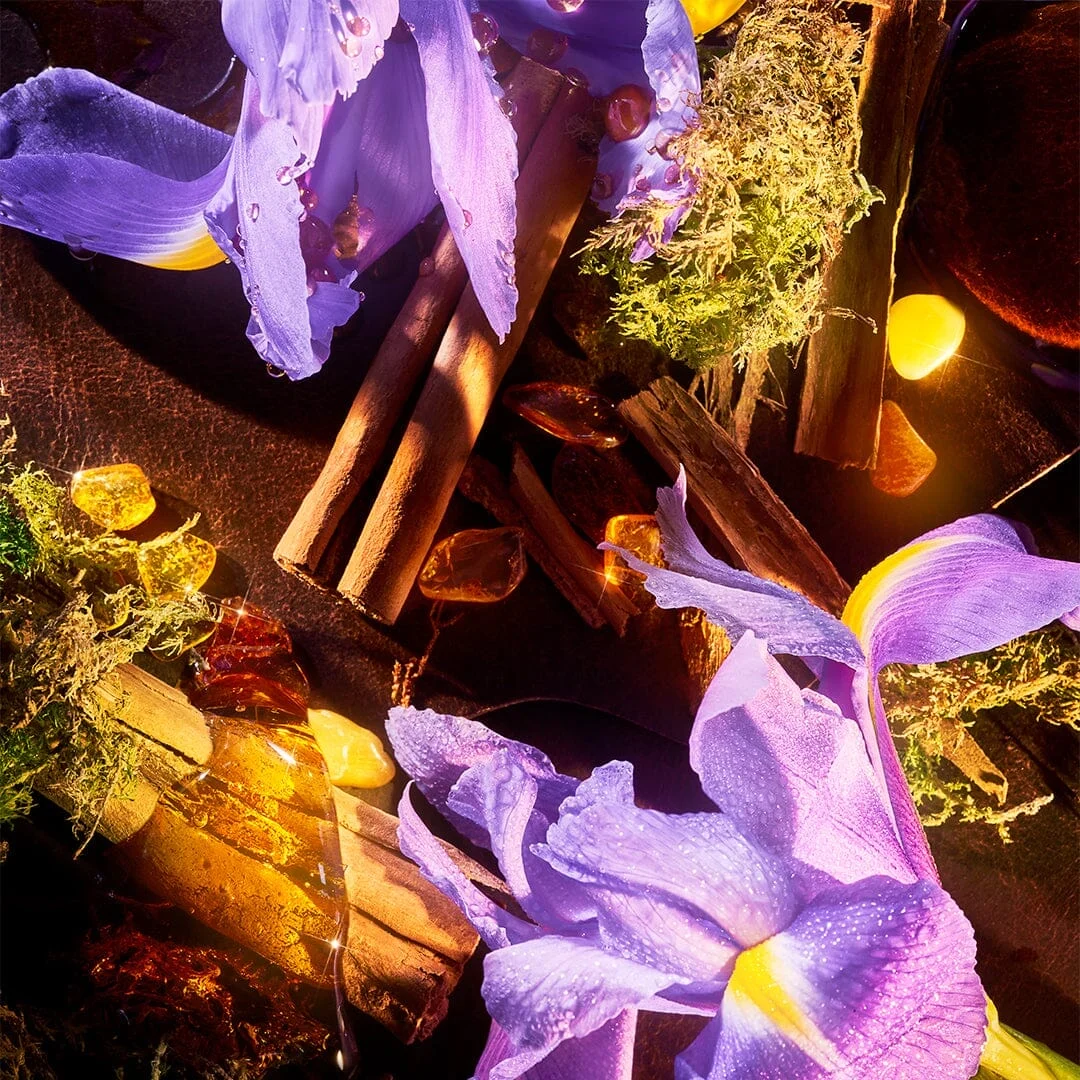
Luxury has historically been defined by its visibility: the sweeping lines of a bespoke timepiece, the unmistakable shimmer of high-carat jewelry, or the structural silhouette of a designer handbag. These are markers of status that announce their presence to any observer. However, a significant shift in high-end consumption is currently underway, favoring "invisible luxury." Within this realm, fragrance stands as the most potent medium. Unlike a logo-clad accessory, a fragrance leaves no visual marker once it is applied; its value is distilled into the raw experience of scent, the intimacy of proximity, and the unique chemical interaction between the composition and the wearer’s skin. Industry experts suggest that these olfactory experiences go beyond mere aesthetics, possessing the capacity to shape emotional states and influence social behaviors.

The global fragrance market is currently undergoing a structural transformation. For decades, the industry was dominated by designer scents—fragrances launched by major fashion houses to serve as an accessible entry point into their luxury ecosystem. Today, however, consumer appetite is pivoting toward artisanal and niche perfumery. This movement, which traces its modern roots back to the 1970s with the founding of houses like L’Artisan Parfumeur, treats perfumery as a standalone art form rather than a marketing extension of a fashion brand. According to recent market data from McKinsey, high-end niche fragrances are the primary engines of growth in the sector. The global niche category is projected to expand at a compound annual growth rate (CAGR) of 6 percent through 2030, significantly outperforming the broader beauty market.
This growth is driven by a more sophisticated consumer base that rejects the "one-size-fits-all" approach to signature scents. Modern enthusiasts are seeking rare ingredients, higher oil concentrations, and unusual compositions that allow for personalized layering. This demand has elevated the role of the perfumer, or "The Nose," from a behind-the-scenes chemist to a celebrated artist. Figures such as Dominique Ropion and Francis Kurkdjian have become household names among connoisseurs, their creative autonomy defining the identity of the brands they represent. As the distinction between "designer" and "niche" continues to blur—with major houses like Dior and Guerlain launching exclusive, high-concept "prive" collections—the emphasis remains firmly on the quality of the raw materials and the complexity of the olfactory narrative.

The Architecture of Niche Composition
The superiority of niche fragrances is often rooted in the technical specifications of the liquid itself. While mass-market scents often rely on synthetic boosters to mimic natural scents, niche houses invest heavily in "absolutes" and "extraits." These are highly concentrated forms of fragrance oils that offer greater depth and longevity. For instance, the difference between an Eau de Toilette (5-10% oil) and a Pure Parfum or Extrait (20-40% oil) is not merely strength; it is the evolution of the scent on the skin over 12 to 24 hours.
To understand the current pinnacle of this industry, one must examine the specific compositions that define the high-end market. These ten fragrances represent the diversity of modern niche perfumery, from resinous woods to avant-garde florals.

AMAFFI: Richness for Women
Crafted by the renowned Nathalie Feisthauer, Richness for Women serves as a case study in the use of high-value resins. With a 22 percent oil concentration, the fragrance is built around Styrax and labdanum. These ingredients provide a dense, balsamic warmth that acts as a foundation for iris oil. The iris oil used here is a particularly precious material, derived from iris roots that must be aged for several years before extraction. The result is what AMAFFI describes as a "seductive dark beauty," designed for formal evening settings where the sillage (the trail left by the perfume) can develop slowly in a climate-controlled environment.
Amouage: Guidance 46
Amouage, a house with roots in the Sultanate of Oman, has long been a standard-bearer for Middle Eastern opulence in perfumery. Guidance 46 is an "Exceptional Extrait," boasting a staggering 46 percent perfume oil concentration. This level of concentration is rare in the industry and ensures that the fragrance remains on the skin for an entire day. The composition is a complex interplay of fruity notes like pear and bitter almond against a backdrop of saffron, frankincense, and Akigalawood. The inclusion of ambergris—a rare and historically significant ingredient—adds a saline, skin-like warmth that anchors the more volatile floral notes.

Clive Christian: No.1 Feminine
Clive Christian’s No.1 Feminine is often cited in discussions regarding maximalist perfumery. The fragrance contains 248 separate components, a complexity that requires immense technical skill to balance. With a 20 percent concentration, it opens with a bright, fruity array of plum, white peach, and mandarin. However, its true character emerges in the heart, where vintage iris and ylang-ylang create a powdery, floral core. The base of Madagascan vanilla and tonka bean provides a smooth, creamy finish, making it a versatile option that transitions from professional environments to social gatherings.
Frédéric Malle: Portrait of a Lady
Dominique Ropion’s creation for Frédéric Malle, Portrait of a Lady, is considered a modern masterpiece of the "Rose-Patchouli" genre. Named after the Henry James novel, the fragrance is famous for its sheer volume of raw materials; approximately 400 Turkish roses are required to produce a single 100ml bottle. This intense floralcy is tempered by blackcurrant, clove, and a heavy dose of patchouli. The fragrance is known for its "beast mode" performance, leaving a significant olfactory trail that has made it a favorite for individuals who view their scent as a definitive part of their public persona.

Penhaligon’s: The Inimitable William Penhaligon
Representing the storied tradition of British perfumery, this scent is an olfactory tribute to the brand’s founder, who served as a barber to the Royal Court in the 19th century. Master perfumer Alberto Morillas opted for a dry, aromatic structure that eschews modern trends toward sweetness. By pairing spicy ginger with earthy vetiver and incense, the fragrance achieves a sophisticated, professional profile. It is a "quiet" luxury—not designed to overwhelm a room, but to be discovered by those in close proximity.
Roja Parfums: Haute Luxe
Roja Dove is widely regarded as one of the world’s most authoritative voices on fragrance, and Haute Luxe is his personal signature. This pure parfum is an exercise in excess, featuring Rose de Mai, Jasmine de Grasse, and an elaborate base of leather, oakmoss, and ambergris. The inclusion of benzoin and vanilla gives it a resinous, almost edible quality, while the cedarwood and styrax provide structural integrity. It is a fragrance that demands formal attire, designed to complement the atmosphere of a gala or a private dinner.

Boadicea the Victorious: Blue Sapphire
Commissioned to honor the 65th wedding anniversary of Queen Elizabeth II and Prince Philip, Blue Sapphire is a fragrance steeped in royal symbolism. The scent opens with a vibrant citrus burst of bergamot and orange, which masks a deeper, more traditional core of oud and amber. This combination of Western citrus and Eastern oud represents the "loyalty and deep devotion" the brand sought to capture. The transition from the bright opening to the woody dry-down makes it a rare example of a fragrance that is equally appropriate for daytime and evening wear.
Parfums de Marly: Haltane
Drawing inspiration from the 18th-century French court of Louis XV, Parfums de Marly focuses on the "Château de Marly," a place dedicated to pleasure and celebration. Haltane is a contemporary take on this heritage, balancing fresh lavender and bergamot with a sweet praline accord. The use of saffron and oud adds a layer of mystery, while the vetiver ensures the fragrance remains grounded. It is a highly aromatic composition that appeals to those who enjoy the contrast between sweetness and traditional masculine woodiness.

La Collection Privée Christian Dior: Gris Dior
Gris Dior is a olfactory translation of the color grey—the signature hue of the Dior couture house. Created by François Demachy, this is a "Chypre" fragrance, a classic category defined by the contrast between citrus and oakmoss. Gris Dior modernizes this by incorporating violet and iris, resulting in a scent that feels both earthy and ethereal. Because it lacks the heavy sweetness found in many modern scents, it is frequently cited as the ultimate "gender-neutral" fragrance, relying on balance rather than overt floral or woody tropes.
La Collection Privée Christian Dior: Dior Paradise
The latest chapter in Dior’s high-perfumery line is authored by Francis Kurkdjian. Dior Paradise takes its inspiration from the Mediterranean landscape surrounding the Château de La Colle Noire. Unlike the dense Extraits mentioned previously, Dior Paradise focuses on the "bittersweet" quality of the almond. By pairing mandarin with tonka bean and a floral-woody accord, Kurkdjian has created a scent that feels "light-filled." It is a departure from the heavy, resinous niche scents of the past decade, signaling a new trend toward transparency and freshness in luxury perfumery.

Economic and Social Implications
The rise of these fragrances reflects a broader shift in global luxury markets. As the middle class in emerging markets expands, traditional "entry-level" luxury items have become more common. In response, ultra-high-net-worth individuals are moving toward products that offer exclusivity through rarity and specialized knowledge. This is the "connoisseurship" economy.
The financial performance of these niche houses has caught the attention of major conglomerates. In recent years, Estée Lauder acquired Frédéric Malle and Byredo, while LVMH brought Francis Kurkdjian into its fold. These acquisitions demonstrate that the "niche" model is not just a boutique curiosity but a viable, high-margin business strategy. By maintaining limited distribution and focusing on the "story" of the ingredients, these brands can command price points four to five times higher than standard designer scents.

Furthermore, the social impact of fragrance is being re-evaluated through the lens of wellness. The burgeoning field of "neuro-perfumery" explores how specific scent molecules, such as those found in high-grade frankincense or sandalwood, can lower cortisol levels or improve cognitive focus. As the line between beauty and wellness continues to blur, niche fragrances are being marketed not just as aesthetic choices, but as essential tools for emotional regulation.
The Future of the Olfactory Landscape
Looking ahead, the niche fragrance industry faces a dual challenge: sustainability and regulation. Many of the rare ingredients that define these scents, such as Mysore sandalwood or specific varieties of oud, are subject to strict environmental protections. This has led to a surge in "sustainable luxury," where houses invest in their own plantations to ensure a traceable and ethical supply chain.

Simultaneously, advancements in biotechnology are allowing perfumers to create "nature-identical" molecules that capture the scent of rare flowers without harvesting them. This intersection of high-tech science and ancient artistry is where the next generation of luxury fragrances will be born.
In conclusion, the movement toward niche perfumery is a testament to the enduring power of the invisible. In an increasingly digital and visual world, scent remains a stubbornly physical and intimate experience. Whether it is the 400 roses in a bottle of Frédéric Malle or the 46 percent concentration of an Amouage Extrait, these fragrances prove that true luxury does not need to be seen to be felt. It is a silent language, spoken in the sillage of a wearer and understood only by those close enough to listen.
