
 By Jia Lissa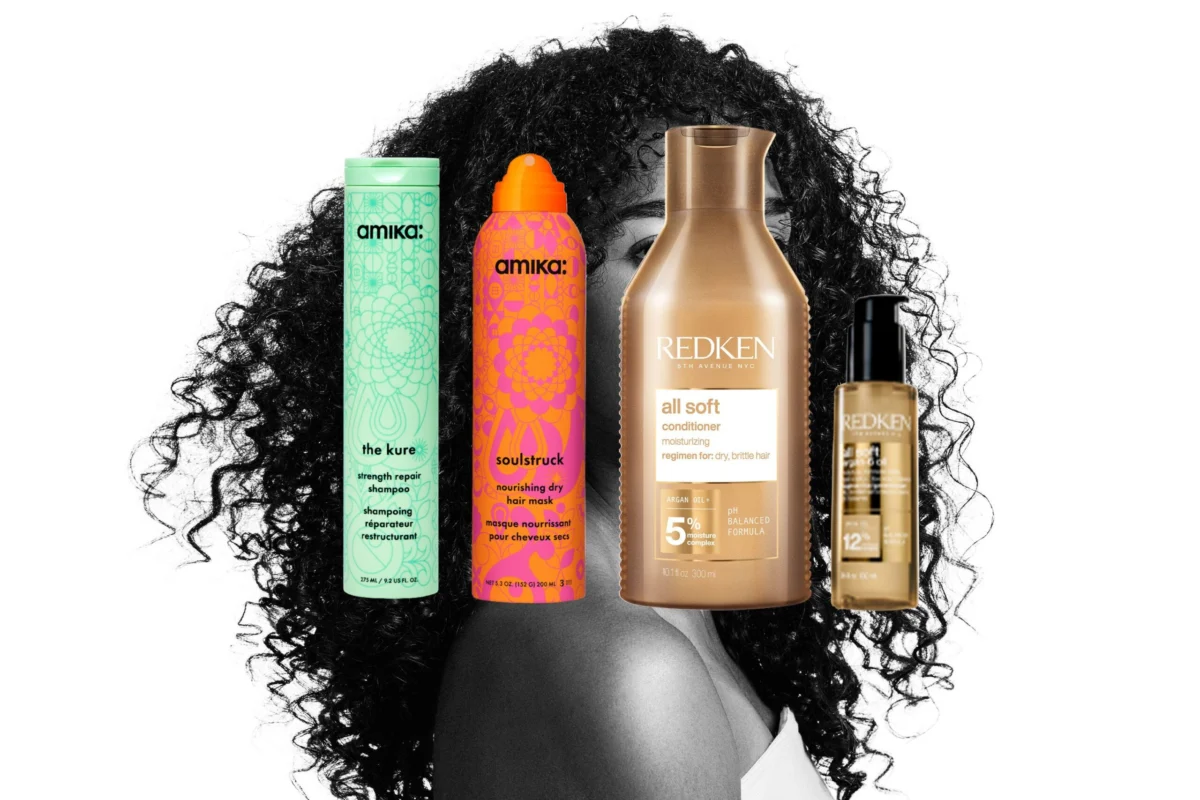
A significant evolution is underway in the digital sphere of beauty and hair care, particularly concerning products embraced by Black women. For years, social media feeds have been dominated by content showcasing Black women meticulously styling their natural hair, offering detailed reviews on everything from the best mousses for achieving a flawless twist-out to scalp treatments for maintaining braids and the latest viral hair growth solutions. However, a discernible shift has emerged, with recommendations diverging from the established norms of the past two decades. Increasingly, Black women are reporting transformative results from brands that were not traditionally considered primary options for their unique hair types.
This emerging trend is vividly illustrated across platforms like TikTok and Reddit. In one widely shared video, creator Deborah Wanjala highlights her extensive product collection, which includes high-end brands such as Amika, Living Proof, K18, and Redken, alongside accessible drugstore favorites like Dove and Pantene. Wanjala advocates for the viral Abbey Yung hair method, demonstrating how a diverse range of products can contribute to impressive hair health and styling outcomes. Similarly, creator @not3shaunie has garnered attention for endorsing Yung, a white creator with straight hair known for her hair damage reversal guides. Despite facing some criticism for referencing a creator whose hair type differs from her own, Shaunie explains in her videos how heavier curl creams and custards tend to weigh down her fine, low-density hair, resulting in a lifeless and diminished appearance. She contrasts this with the efficacy of lighter serums, like those recommended by Yung. The sentiment is echoed in a Reddit post on the r/Naturalhair subreddit, where a user expressed surprise at the effectiveness of Redken and Ouai products, noting, "I HATE how good these products work." This post garnered over 600 upvotes, with a majority of commenters expressing similar sentiments.
The phenomenon is not confined to isolated incidents or algorithms. A cursory search for terms like "Black hair" or "curly hair" coupled with popular salon brand names on TikTok, Reddit, or YouTube reveals a growing volume of testimonials detailing how brands such as Redken, Amika, Matrix, Olaplex, and K18 have significantly improved the condition of textured hair. This conversation has been a recurring theme within professional and social circles over the past year. Many individuals are now strategically mixing and matching products from various brands to create personalized regimens tailored to their weekly styling needs. Natalie Tuffuoh, who works in fashion and has naturally straight hair, explains her approach: "When my hair needs real care and nourishment, I opt for Crème of Nature, plus beauty shop staple Silicon Mix. But when I need a sleek blowout that’s guaranteed to last, I will always reach for an Amika, Kenra, or IGK product—and Crème of Nature again." She also relies on ColorWow’s Extra-Strength Dreamcoat for maintaining straight styles between washes.
While straight naturals have been vocal proponents of brands like Amika, a segment of curly and coily individuals who embrace their natural texture are also incorporating these mainstream brands into their wash-and-go, twist-out, and diffusing routines. Amsterdam-based creator @5sabrine, in a series of videos that have garnered over a million views, explains her shift away from products solely marketed for curly hair. "Once I started treating my hair like it’s hair—and not like it’s curly—my hair started growing," she testifies. This sentiment underscores a growing understanding that hair health is not solely dictated by texture but also by density and thickness.
The Evolving Understanding of Hair Needs
Over the past two to three years, numerous content creators have documented their realization that hair density and thickness play a crucial role in product efficacy, just as much as texture. @yapahcurls, who identifies as "your fine hair bestie," advocates for a broader recognition that individuals with fine, natural hair cannot always adhere to the advice of those with thicker, denser hair. She points to influential figures like Whitney White (@naptural85), a pivotal figure in the natural hair movement, whose recommendations might not always translate to finer hair types. Yapah Curls’ product recommendations often feature a blend of brands primarily marketed towards Black consumers, such as The Doux, alongside offerings from Eva NYC, Garnier, and L’Oréal Paris. Yar Sudani, a highly popular natural hair influencer with a substantial following across multiple platforms, also utilizes a mix of brands in her "Wash Day Diary" series. Her routines sometimes feature a majority of salon brands like Olaplex, K18, Bumble and Bumble, and Innersense, while at other times she incorporates products from Black-focused brands like Pattern Beauty, Mizani, and Carol’s Daughter.
The impetus behind this shift in routines, moving towards brands historically catering to a broader demographic after years of championing products specifically formulated for Black hair, stems from a perceived difference in product performance. While brands traditionally marketed to Black consumers have often been lauded for their natural ingredients and superior moisturizing capabilities, mainstream brands are now being recognized for offering formulas that deliver salon-quality results at home. These formulations, often associated with heat styling like silk presses and blowouts, are now also proving effective for air-dried styles on finer coils, curls, and waves that require lighter products to avoid being weighed down.
The Historical Context: The Genesis of Black Hair Care Products
The commercialization of Black hair care, beginning around the turn of the 20th century, was largely a response to the scarcity of suitable options on mainstream beauty shelves. For much of this history, product development often focused on straightening coily hair and maintaining that straightened state. However, in more recent decades, the narrative shifted towards embracing natural textures, influencing product formulations accordingly.
Cosmetic scientist Javon Ford notes, "Black-tailored brands took a natural approach for much of the past two decades, focusing on using natural oils and butters and sulfate- or silicone-free products in contrast to the Black-focused brands of the 20th century, like Lustre Pink or Soft Sheen." AJ Addae, a cosmetic scientist at Sula Labs, concurs, stating, "This focus on claims around being clean and botanical-based was the result of mistrust around chemicals." This mistrust is rooted in historical instances where Black individuals were unknowingly subjected to dermatological experiments. The development of Retin-A, for example, followed experiments on inmates at Holmesburg Prison, many of whom were Black men. In the last twenty years, public awareness has grown regarding the risks associated with traditional lye-based relaxers, including scalp burns, potential carcinogen absorption, and exposure to endocrine-disrupting chemicals linked to increased rates of reproductive cancers and fibroids, conditions that disproportionately affect Black women.
Simultaneously, sulfates and silicones, two synthetic ingredients, experienced a decline in popularity across all hair types due to perceptions of stripping hair and causing buildup, respectively. Black consumers began gravitating towards natural ingredients reminiscent of those used by previous generations. DIY remedies like apple cider vinegar rinses, mayonnaise hair masks, and plant-based oils gained traction, both as home treatments and as key ingredients advertised by brands targeting Black hair.
A Renewed Focus on Diverse Hair Needs
The "natural" messaging proved effective for an extended period and continues to resonate with many consumers. However, the broader "clean beauty" movement has encountered its own set of challenges. Concurrently, the general public became more vocal in critiquing hair brands that failed to cater to a diverse range of hair types and textures. This led to significant beauty conglomerates like Unilever and Procter & Gamble acquiring successful, often Black-owned, indie brands. In parallel, mainstream brands with substantial research and development budgets began investing in curl-focused product lines for the first time.
In 2024, a decade after its initial launch, Olaplex introduced its Bond Shaping Technology line specifically formulated for curly hair types. Amika launched its Power Hour Curl Refreshing Hair Spray in 2021, expanding its curl-specific offerings. The brand’s Hydro Rush line, launched in 2023, has been widely praised by natural hair influencers for providing essential hydration without weighing down the hair. These Hydro Rush products are often used in conjunction with Amika’s The Kure collection, designed for hair repair. When K18 launched in 2020 with a patented technology positioned as a competitor to Olaplex, it amplified the demand for bond repair treatments, without explicitly defining its target hair type. Many of K18’s launch campaigns have featured models with diverse hair types, including straight, wavy, curly, and coily textures. In 2024, its AirWash Dry Shampoo campaign notably included a model with braids.
This increased product availability has allowed Black women to discover that brands with decades of experience catering to predominantly white clientele may offer formulations better suited to their hair textures. Independently, many individuals who had previously embraced their natural texture have felt empowered to return to wearing their hair straight periodically. Both trends appear to be contributing to a resurgence of interest in salon-grade brands.
The Science of Bond Repair
Larger, well-resourced brands often possess the agility to accelerate the development and release of new technologies, including those that offer significant benefits for curly and coily textures. Bond repair has emerged as a recurring theme in discussions about hair health. Since Olaplex began offering its in-salon bond repair treatment directly to consumers in 2018, the adoption of bond repair products has steadily increased, becoming a perceived necessity even for individuals without significant hair damage. The impact of this technology on textured hair was a pivotal introduction to using brands not explicitly marketed towards that demographic.
Hairstylist and Olaplex ambassador Naeemah LaFond explains, "Curly and coily hair types have a more complex structure that affects how the fiber responds to tension. The bends and coils create uneven stress distribution along the strand, which can make the hair more susceptible to breakage and moisture loss without proper care. When the disulfide bonds that hold the hair fibers together are disrupted through chemical services or repeated heat styling, the hair’s resilience can be noticeably diminished." Cosmetic chemist Addae validates this, stating, "These are the exact chemical interactions that we have to take into consideration when formulating for textured hair."
As of this writing, only a limited number of bond repair ranges from brands prioritizing curly and coily hair are readily identifiable: Shea Moisture, Curlsmith (Bond Rehab), and the Black-owned As I Am, which offers an affordable six-product Bond Repair lineup that often goes unnoticed in broader technology round-ups. "It was only a matter of time before many Black women decided to give general hair products a try to address their specific needs," says Ford.
The Resurgence of Sulfates and Silicones
While not novel innovations, sulfates and silicones are experiencing a notable comeback. Many mainstream hair brands, in fact, never fully discontinued their use.
Cosmetic chemist Julian Sass explains, "Sulfates are fantastic cleansing ingredients and can be easily made into gentle and hydrating shampoos." Black women are reporting improved hair strength, increased bounce and lightness, and reduced buildup and breakage when they transition from using natural oils and greases as stylers or moisture sealers to silicone-based serums and gloss treatments. Addae notes, "Silicones get a bad reputation for buildup, but at the right concentrations they provide slip, reduce friction, and make detangling significantly easier, which is a health benefit for tightly coiled textures. Ultimately, understand your hair’s needs rather than following a blanket rule about ingredients. If you’re leaving out silicones and sulfates but not properly following a healthy hair and scalp styling routine, then you don’t win at all."
The inclination of Black women to seek out formulations that provide professional-grade results at home is understandable. Historically, they have often been compelled to become self-taught hair scholars due to a perceived lack of interest from brands in developing products for their specific hair textures. In the current landscape of the natural hair movement, and what some argue is a new iteration of it, the definition of "Black hair" has broadened considerably. Whether it encompasses naturally straight hair, wash-and-go styles, heat-styled hair, or even a return to relaxers (preferably lye-free or alternative smoothing treatments), every segment of the community appears to be discovering new favorite products, coinciding with a period of peak beauty creation and consumption.
Cosmetic scientist Javon Ford is quick to clarify that Black hair care brands are also innovating. "Innovation happens on both sides," he states. "Carol’s Daughter released a minoxidil hair serum a while ago. It’s the first Black brand I know of to do that while the others all have natural oil-focused hair growth oils."
Jay-Ann Lopez, who works in the gaming industry and experiments with her hair for personal enjoyment and social content, views the slower pace of innovation in certain areas of the industry positively. "The fact that Black brands haven’t been at the forefront of certain technologies might be a good thing," she suggests. "Now, they can study other brands to strengthen their position in the market, then bring cultural and social capital to the sector—something Crème of Nature is already doing so well."
Brands Responding to Consumer Demand
Black consumers contribute billions of dollars to the hair care market annually. Despite this significant spending power, the impact on representation has often been incremental rather than transformative. However, the evidence suggests that brands, particularly those led by Black individuals, are beginning to respond more effectively.
The recent appointments of prominent Black and mixed-race hair professionals to key leadership roles within beauty brands signal a tangible shift. Jawara, a favored hairstylist in the fashion industry and former global ambassador for Dyson Beauty, has transitioned to Global Creative Director at L’Oréal Professionnel. Dyson has consistently updated its Airwrap attachments to accommodate a wider range of hair types and introduced a dedicated Airwrap Coanda 2X for curls and coils. L’Oréal Professionnel is not only launching more curl-focused products but also implementing initiatives to train stylists in partner salons on working with diverse curl types. Similarly, hairstylist Cyndia Harvey holds a comparable role at the brand. On the product development front, Amika appointed Cicely Shillingford, PhD, as Assistant Vice President of Product Development, Innovation, and Regulatory, following her initial role as Director of Product Development. Neema LaFond, a prominent hairstylist, served as National Education Manager and Global Artistic Director at Amika for a decade before becoming the Global Brand Ambassador for Olaplex and Shark Beauty.
LaFond reflects on her tenure at Amika, stating, "Amika was a young, ambitious brand willing to be challenged, and I’m proud to have helped write that into its DNA. We were practicing inclusion years before it became an industry talking point, and that wasn’t an accident or a rebrand; it was structural." She highlights having "real decision-making power," including the ability to influence marketing and casting choices before products reached the market.
LaFond views her role at Olaplex as similarly impactful. "At Olaplex, I’m being pulled into formulation conversations directly with scientists, not consulted after the fact but present while the science is still being decided," she explains. "It’s the kind of access most brands don’t extend to artists at all. It’s a model the rest of the industry should be paying attention to, and what both experiences taught me is that inclusion is a chain, not a single decision. It starts in the lab, but it has to survive contact with marketing, with casting, with the words on the packaging. Break that chain anywhere, and the whole promise collapses."
Many brands experiencing a surge in popularity among Black consumers appear to be actively fostering representation within their educational, marketing, product development, and research departments, moving beyond mere diversity in models and celebrity endorsements that characterized the early natural hair movement. K18 conducts research programs dedicated to studying the biology of curls and coils, analyzing factors such as fragility and moisture retention. L’Oréal, the parent company of Redken and Kérastase, developed a comprehensive curl classification system through a study spanning 22 countries, examining curl radius, shrinkage ratio, and hair fiber twist. This research informed the development of Redken’s Acidic Bonding Curls line in 2024. The original Acidic Bonding Concentrate line, which included a mask and leave-in and pre-shampoo treatments, gained viral popularity for its effectiveness in repairing heat and chemical damage in textured hair. However, the All Soft range, established in 2003, is arguably the collection that initially prompted many Black women to experiment with salon-grade products. The brand launched an All Soft Curls range in 2023, and both lines appear to be equally popular among this demographic.
Brand representatives have confirmed that their companies are shifting away from "segmentation" towards a "for multiple hair types" approach. Nilofer Vahora, Amika’s Chief Marketing Officer, states, "Rather than creating one-off initiatives, the focus has been on making sure textured hair is consistently represented. The goal has always been to build a brand where textured hair is part of the foundation, not an afterthought or a segment." Amika serves as a notable example, having launched ranges for different hair types from its inception, rather than retroactively introducing an Afro or curly line. Initially a styling tool brand, Amika expanded into hair care with products like the Soulfood Nourishing Mask, a leave-in cream suitable for coily hair and other types, an oil treatment, heat protectant cream, and general shampoo and conditioner. This universal approach has proven highly effective in terms of marketing and brand image. Amika reports that it over-indexes with coily hair consumers at 1.9 times the category average and 1.4 times with Black hair professionals.
Dr. Cicely Shillingford, in her role at Amika, ensures that product development is grounded in both scientific understanding and consumer feedback regarding the unique needs of diverse hair types. "As a curly natural and mixed race individual myself, I fundamentally understand the unique biology and structure of textured hair, as well as what the hair needs for protection, styling, and care," she states.
Charting a Path Forward for Inclusive Hair Care
By 2026, the rigid categorization of products into "Black hair care" and "non-Black hair care" appears increasingly outdated. Pharmacist Brandy Welch, who creates educational hair content, observes, "The separation has made a lot of people assume that only someone of color can use a Black hair-care product and only someone who’s not of color can use a white hair-care product. I think people can actually benefit on both sides if we didn’t have such firm distinctions between what’s Black hair care and what’s not Black hair care."
As more Black women gravitate towards brands that cater to their hair’s texture rather than their ethnicity, they are experiencing tangible benefits, a sentiment shared by the author. While the discovery of effective, unexpected products is a cause for celebration, some express concern that this conversation might negatively impact Black-owned brands, which are already facing declining sales and investment.
The ideal approach moving forward involves maintaining an open-minded perspective across product categories while prioritizing support for both brands designed for natural hair and, crucially, Black-owned brands. Cosmetic scientist AJ Addae suggests, "Our hair-care products can be highly effective for various ethnic groups, and such customers may overlook the opportunity to try the amazing hair-care products that Black-owned brands can develop." Funding for operations and research has historically been a significant hurdle for Black-owned brands; in 2024, these companies received a mere 0.4% of total U.S. venture capital funding. "We live under a prejudiced system, and this unfair phenomenon largely impacts them in a unique way," Addae explains, advocating for retailers to reconsider their aisle organization. "Retailers, for example, can improve on supporting Black-owned hair-care brands and communicate their strengths to broad audiences. The global beauty industry does this really well, for example, with Korean beauty."
Ultimately, in certain product categories such as deep-conditioning treatments, moisturizing leave-ins, and essential styling products like gels and mousses, Black hair care has a comprehensive offering. "On the other hand, I think there is a lot of value and power in growing the market share of products specifically designed for coily hair textures," Addae concludes. "It truly does help Black consumers to have that shelf that serves kinky/curly textures, and I think more diverse products should be on this shelf. But ultimately, we built this house!"
