
 By admin

The global beauty and wellness industry has undergone a paradigm shift over the last decade, moving from a purely topical approach to a holistic "beauty-from-within" philosophy. Consumers today face a complex decision-making process when allocating their personal care budgets: should they invest in high-performance topical skincare, such as premium moisturizers and retinoid serums, or pivot toward the burgeoning market of ingestible collagen supplements? As luxury brands like Vida Glow gain mainstream traction alongside dermatological staples, the necessity of a data-driven comparison becomes paramount. This analysis evaluates the scientific evidence, economic implications, and physiological mechanisms of both approaches to determine where capital is most effectively deployed for skin health.
The Evolution of the Anti-Aging Market: A Chronological Context
The history of anti-aging interventions has evolved through several distinct phases. In the mid-20th century, the focus was primarily on occlusion and hydration—using heavy creams to trap moisture. By the 1980s and 1990s, the "Retinoid Revolution" introduced the concept of cellular turnover, backed by rigorous clinical data from the pharmaceutical sector. The early 2000s saw the rise of "cosmeceuticals," where active ingredients like Vitamin C and Hyaluronic Acid moved from clinical settings to over-the-counter luxury bottles.
The current era, beginning around 2015, is defined by the rise of ingestibles. Originally a niche segment of the health food industry, collagen supplements have transitioned into the luxury sector. Brands such as Vida Glow have repositioned marine collagen from a gym-supplement context to a high-end beauty ritual. This shift reflects a broader consumer trend toward "bio-hacking" and preventive wellness, where the goal is not just to mask the signs of aging but to optimize the body’s internal biological functions to maintain youthful skin structure.

Topical Skincare: The Evidence-Based Gold Standard
Dermatological consensus remains firmly rooted in the efficacy of topical applications, particularly those focused on protection and repair. According to the American Academy of Dermatology (AAD), the foundation of any effective anti-aging strategy is not found in a luxury serum, but in a broad-spectrum, water-resistant sunscreen with an SPF of 30 or higher.
The rationale is grounded in the physics of skin damage. Approximately 80% of visible facial aging—including wrinkles, hyperpigmentation, and loss of elasticity—is attributed to extrinsic factors, primarily ultraviolet (UV) radiation. Sunscreen acts as a physical or chemical barrier that prevents the degradation of existing collagen fibers. Without this protection, any investment in expensive supplements or creams is essentially undermined by daily environmental damage.
Beyond protection, the Harvard Health "Winning the Skin Game" report highlights a three-step foundational routine: cleansing, moisturizing, and sun protection. For those seeking active improvement, retinoids (Vitamin A derivatives) remain the most studied and validated topical ingredient. Retinoids work by increasing the rate of skin cell turnover and stimulating the production of new collagen within the dermis. Unlike many luxury products that rely on "proprietary blends," the efficacy of retinoids is supported by decades of peer-reviewed, independent clinical trials.
The Ingestible Frontier: Understanding Collagen Bioavailability
While skincare works from the outside in, collagen supplements aim to support the skin from the inside out. Collagen is the most abundant protein in the human body, providing structural integrity to skin, hair, nails, and joints. As humans age, natural collagen production declines by approximately 1% to 1.5% every year after the age of 25. By the time an individual reaches 50, they may have lost up to 30% of their collagen density.

Supplements like Vida Glow’s Natural Marine Collagen utilize hydrolyzed peptides. This process breaks down large collagen molecules into smaller, low-molecular-weight chains that are more easily absorbed by the gastrointestinal tract. Once absorbed into the bloodstream, these peptides are thought to act as "building blocks" or signals that trigger the body’s own fibroblasts to increase collagen synthesis.
Vida Glow’s specific offering provides 3 grams of marine collagen per serving. Marine collagen, primarily Type I, is often favored in the luxury market due to its smaller particle size compared to bovine collagen, which theoretically enhances bioavailability. However, the scientific community remains divided. While some small-scale studies suggest improvements in skin hydration and elasticity after 8 to 12 weeks of consistent use, many of these trials are industry-funded. Independent researchers often point out that the body breaks down ingested collagen into basic amino acids, which are then distributed where the body needs them most—not necessarily the face.
Economic Analysis: Cost Per Use and Market Trends
The financial commitment required for these regimens varies significantly. A premium moisturizer or high-end serum from a luxury house can range from £80 to over £300 for a 30ml to 50ml supply, which typically lasts two to three months. This results in a daily cost of approximately £1.30 to £5.00.
In comparison, a 30-day supply of Vida Glow Marine Collagen is priced at approximately £39, or £1.30 per day. If a consumer follows the brand’s suggestion of three sachets per day for "accelerated results," the cost triples to £3.90 per day, placing it squarely in the same price bracket as a luxury topical serum.
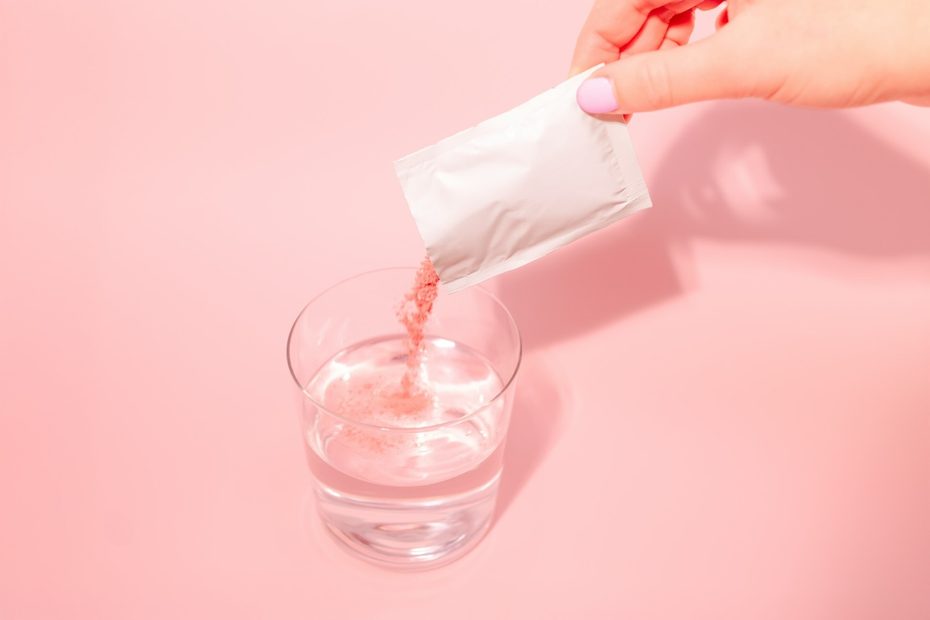
Market data suggests that the "premiumization" of the supplement industry is a response to consumer fatigue with traditional skincare. The global collagen market was valued at approximately $9.7 billion in 2023 and is projected to grow at a compound annual growth rate (CAGR) of 9.6% through 2030. This growth is driven by the perceived "ease of use" of supplements—a daily sachet added to coffee or water is often viewed as a more manageable ritual than a multi-step topical routine involving wait times and specific application techniques.
The "Luxury" Paradox and Regulatory Oversight
One of the most critical points of analysis for consumers is the distinction between "luxury" and "efficacy." The AAD and other regulatory bodies frequently warn that a higher price point does not inherently correlate with better clinical outcomes. In the United States and the United Kingdom, cosmetic products and dietary supplements are not subject to the same rigorous pre-market approval process as pharmaceutical drugs.
Labels such as "clinically proven" or "dermatologist tested" are often marketing terms rather than regulatory certifications. In many cases, these claims are based on consumer perception surveys—where participants report how they feel about their skin—rather than objective measurements using skin-imaging technology. This lack of standardization applies to both high-end creams in heavy glass jars and collagen powders in elegant minimalist packaging. Experts advise consumers to ignore the aesthetic appeal and focus on the concentration of active ingredients and the transparency of the brand’s sourcing and testing protocols.
Strategic Integration: A Tiered Investment Approach
For the consumer looking to maximize their return on investment, a tiered approach is recommended. This strategy prioritizes interventions based on the strength of their scientific backing.
- Tier 1: Essential Protection (High ROI): This includes a gentle cleanser, a basic moisturizer, and a high-quality SPF 30+ sunscreen. These products are non-negotiable for skin health and have the highest level of evidence.
- Tier 2: Targeted Correction: Once the foundation is set, the addition of a retinoid or a Vitamin C serum addresses specific concerns like fine lines or dullness. These products work directly on the skin’s surface and have proven biological mechanisms.
- Tier 3: Systemic Support (The "Extra"): Supplements like marine collagen should be viewed as a secondary layer of support. For individuals who have the financial flexibility and already maintain a Tier 1 and Tier 2 routine, supplements may provide a marginal benefit in skin hydration and overall "glow."
Broader Implications and Final Verdict
The debate between collagen supplements and premium skincare is not a zero-sum game, but rather a question of budgetary priority. From a purely scientific and economic perspective, topical skincare—specifically sun protection and retinoids—offers a superior "cost-to-result" ratio. These products directly address the primary causes of skin aging and have the backing of the global dermatological community.
However, the rise of brands like Vida Glow highlights a growing consumer desire for a holistic approach. For some, the ritual of taking a supplement provides a psychological sense of wellness that complements their external routine. The verdict remains clear: skincare is the essential investment, while collagen is a luxury addition. To avoid overspending, consumers should prioritize substance over packaging, demand transparency in ingredient concentrations, and remember that the most expensive product is only effective if used consistently alongside daily sun protection. In the pursuit of longevity, science, not luxury, is the most reliable guide.
