
 By admin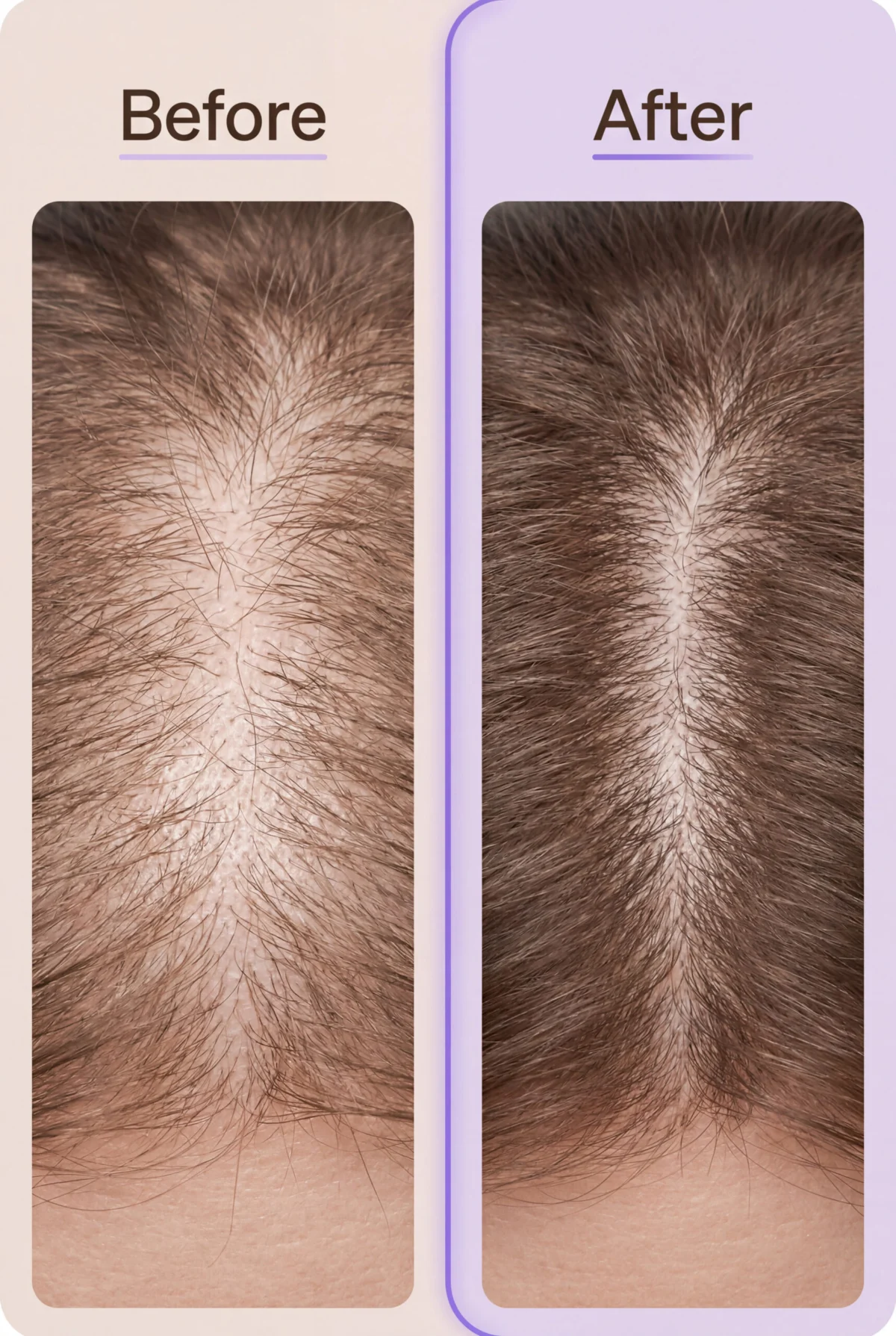
LED hair growth caps have surged in popularity, dominating social media feeds with promises of thicker, fuller hair. While the marketing often emphasizes the visual transformation, the underlying science and clinical evidence offer a more nuanced perspective on their efficacy and appropriate application. These devices, utilizing red and near-red light therapy, are not a panacea for all forms of hair loss, but robust clinical trials indicate they can offer tangible benefits for specific conditions, particularly early to moderate androgenetic alopecia.
Understanding the Mechanism: Photobiomodulation at the Follicle Level
At the core of LED hair growth cap technology lies photobiomodulation, a process where specific wavelengths of light interact with cellular components. These caps typically feature a dense array of light-emitting diodes (LEDs) that emit red or near-red light, generally within the 630 to 670 nanometer range. When worn directly on the scalp for prescribed durations, usually 10 to 20 minutes daily, this light penetrates the skin to reach the hair follicles situated just beneath the surface.
The prevailing scientific theory suggests that this red light is absorbed by the mitochondria within the stem cells of hair follicles. This absorption is believed to stimulate cellular activity, potentially shifting more follicles from the resting (telogen) phase of the hair growth cycle into the active growth (anagen) phase. Furthermore, researchers posit that the light energy may also help to reduce low-grade inflammation around the hair follicle. Chronic inflammation is a known contributor to the miniaturization of follicles, a hallmark characteristic of pattern hair loss, commonly known as androgenetic alopecia. A comprehensive review of low-level light therapy mechanisms published in PubMed Central (PMC) supports this understanding, highlighting its potential role in modulating inflammatory processes associated with hair thinning.
Distinguishing LED Caps from Laser Caps: A Matter of Light Delivery
While the terms "LED cap" and "laser cap" are often used interchangeably in online discourse, there is a fundamental difference in their underlying hardware and light delivery. Laser devices employ laser diodes that emit coherent, single-wavelength light. This means the light waves are precisely aligned and travel in a focused beam, allowing for more direct penetration into the scalp. In contrast, LED caps utilize non-coherent light. This light scatters more as it travels through the air and the hair shaft, potentially leading to a less focused and slightly less intense delivery to the follicle compared to lasers.

The American Hair Loss Association notes that the direct penetration of laser light may offer an advantage in reaching deeper follicular structures. However, LED cap manufacturers often counter this by asserting that the wider coverage provided by their scattered light compensates for the lower per-diode intensity. This claim, however, primarily originates from manufacturer marketing materials rather than independent comparative studies, and should be approached with a degree of caution by consumers. The ultimate effectiveness can vary based on the specific device design, LED quality, and individual user factors.
The Clinical Landscape: Evidence Supporting Light Therapy for Hair Growth
The scientific investigation into light-based devices for hair growth is not a recent phenomenon; research in this area spans several years and encompasses a variety of device types, including combs, helmets, and caps. One of the most significant and frequently cited studies in this field is a 2014 multicenter, randomized, sham-controlled trial involving 269 men and women. This trial, published in PubMed, observed a statistically significant increase in terminal hair density among participants who used a laser comb daily for 26 weeks when compared to a control group using a sham device.
More recent systematic reviews and meta-analyses have further solidified the efficacy of home-use light therapy devices. A comprehensive review of seven double-blind, randomized trials, also published in PubMed, found that FDA-cleared light therapy devices, irrespective of whether they were comb-style or helmet-style, led to a significant increase in hair density compared to sham treatments. This indicates a broader effectiveness across different form factors within the light therapy category.
Focusing specifically on caps, the REVIAN RED system, an all-LED cap, was evaluated in a randomized, double-blind, placebo-controlled trial registered on ClinicalTrials.gov (NCT04019795). This study reported that compliant participants who used the cap for 10 minutes daily over 16 weeks experienced an average increase of 26.3 hairs per square centimeter compared to those in the placebo group. A notable observation from this trial was the compliance rate; out of 160 enrolled participants, 91 were excluded from the final analysis primarily due to falling below the 80 percent compliance threshold. This highlights the critical role of daily consistency in achieving optimal results with such devices.
Furthermore, a comparative review in PMC examining light therapy alongside established treatments like minoxidil and finasteride concluded that low-level light therapy (LLLT) was superior to placebo. Crucially, the review indicated that combining LLLT with minoxidil yielded superior results compared to using either treatment in isolation, suggesting a synergistic effect between different therapeutic modalities.
The Daily Experience: Integrating a Cap into Your Routine

The practical experience of using an LED hair growth cap involves more than just the light therapy itself; it often integrates into a user’s daily routine through accompanying smartphone applications. These apps typically serve to time each session and track usage streaks, transforming a clinical treatment into a habit-forming activity. The caps themselves are generally designed to be lightweight and comfortable to wear. Users report a sensation of mild warmth rather than heat against the scalp during operation. A full charge on most devices typically lasts for approximately a week of daily sessions.
To maximize effectiveness and minimize disruption, users often find it beneficial to incorporate the cap’s usage into an existing morning routine. This could involve wearing the cap while reading, checking emails, or even browsing virtual hairstyle try-on tools to plan future haircuts. It is essential to note that styling products, oils, and even damp hair can impede light penetration. Therefore, sessions are best conducted on clean, dry hair, with styling applied only after the treatment is complete. While eight weeks of usage may offer initial insights, clinical trials consistently demonstrate results after 16 to 26 weeks, underscoring the importance of long-term commitment for accurate assessment of efficacy.
Identifying the Ideal Candidate: Who Benefits Most from LED Caps?
LED hair growth caps are primarily designed to address androgenetic alopecia, the most common form of hair loss. This condition manifests as a receding hairline and thinning crown in men, and overall thinning or a widening part in women. The therapy is most effective on hair follicles that are still active but have begun to shrink, a process known as miniaturization. The light therapy aims to revitalize these compromised follicles, encouraging them to produce thicker, healthier hair.
It is crucial to understand that these devices are not effective for conditions where hair follicles have ceased producing hair altogether, such as in long-standing baldness. Similarly, LED caps are not the appropriate treatment for alopecia areata (an autoimmune condition causing patchy hair loss), scarring alopecia (where follicles are destroyed by inflammation), scalp psoriasis, open sores, or hair loss directly linked to recent illness or medication changes. These conditions necessitate distinct medical interventions tailored to their specific underlying causes.
For individuals experiencing early to moderate thinning, styling techniques can play a significant role in managing the appearance of hair loss while undergoing treatment. A well-executed bob haircut for fine hair, with strategic layering, or a medium-length hairstyle designed to create an illusion of volume, can effectively camouflage thinning areas. Stylists often recommend bringing a recent photograph of the client’s part line to consultations. This allows the stylist to assess the current state of thinning and recommend cuts that minimize its visibility, making it easier to objectively evaluate the impact of hair growth treatments over time.
Optimizing Usage: Best Practices for LED Cap Application

Correct usage is paramount for maximizing the potential benefits of an LED hair growth cap. The fundamental principle is ensuring the light can effectively reach the scalp and follicles.
- Clean and Dry Scalp: Begin with a clean, dry scalp. Styling products, oils, and even moisture can create a barrier, significantly reducing light penetration. Washing the hair the night before or the morning of the session is recommended, and avoiding serums or creams on the scalp on treatment days is crucial.
- Sectioning the Hair: To enhance direct contact between the LED bulbs and the scalp, it is advisable to part the hair into small sections before placing the cap on. Dense or long hair on top can block a substantial amount of light, even if the cap appears to fit snugly. Careful sectioning at the roots ensures that more of the scalp receives the therapeutic light.
- Consistent Application: Adherence to the manufacturer’s recommended usage time, typically between 10 and 20 minutes, is vital. Clinical trials consistently demonstrate that results are achieved with daily or near-daily application over extended periods. Committing to at least four months of consistent use is generally recommended before making a definitive judgment on the device’s effectiveness.
- Regular Progress Tracking: Given the gradual nature of hair growth, relying on memory to track changes is unreliable. Taking dated photographs of the same section of the scalp under consistent lighting conditions every two to four weeks provides an objective record of progress and helps in assessing the treatment’s impact.
Avoiding Common Pitfalls for Optimal Results
Several common mistakes can hinder the effectiveness of LED hair growth caps. Understanding and avoiding these pitfalls can significantly improve the user’s experience and outcomes.
- Inconsistency: The most significant factor for success is consistent application. As evidenced by the clinical trial where a substantial portion of participants were excluded due to low compliance, missing even a few sessions per month can skew real-world results and delay or prevent noticeable improvement.
- Premature Discouragement: Some users may experience temporary shedding in the initial weeks of treatment. This phenomenon, often referred to as "shedding," can occur as follicles synchronize into a new growth cycle. It is not an indication to cease treatment but rather a sign that the follicles are responding.
- Improper Product Application: Applying topical treatments like minoxidil immediately before using the LED cap without allowing them to dry fully can create a barrier that reduces light penetration. It is best to let topical products dry completely before commencing the light therapy session.
- Choosing Unverified Devices: The market is flooded with devices that may visually resemble clinically tested products. However, purchasing a cap without published, independent clinical data supporting its specific model and light output specifications is a gamble. It is essential to seek out devices with robust scientific backing.
- Hair Care Routine Conflicts: For individuals with complex hair care routines, such as those over 50 seeking low-maintenance options, integrating the cap’s requirements can be challenging. Opting for hairstyles that simplify daily care can make adhering to the "clean, dry scalp" requirement more manageable.
Safety, Limitations, and Realistic Expectations
LED hair growth caps are generally considered safe for home use. The most commonly reported side effects in clinical trials are mild scalp warmth or temporary redness, with no serious adverse events attributed to the active devices. However, dermatologists express caution regarding the rapid proliferation of at-home devices.
Dr. Zakia Rahman, a dermatology professor at Stanford, and Dr. David Ozog, chair of dermatology at Henry Ford Health, emphasize that FDA clearance signifies a device’s safety and similarity to an existing approved product, rather than an independent validation of every efficacy claim. The market for these devices has expanded more rapidly than the independent testing of individual models. Therefore, their advice is to prioritize devices that provide their own published clinical trial data and independent, third-party verification of their specific wavelength and light output.
Comparative Analysis: LED Caps Versus Other Hair Loss Treatments

To provide a comprehensive understanding, it is beneficial to compare LED hair growth caps with other prevalent hair loss treatments:
| Treatment | How It Works | Daily Commitment | Typical Cost (Initial/Ongoing) |
|---|---|---|---|
| LED Hair Growth Cap | Red and near-red LED light stimulates follicles and extends the growth phase. | 10 to 20 minutes, daily | $200 to $700, one-time |
| Laser Hair Growth Cap | Coherent laser diodes deliver light at a single, focused wavelength. | 15 to 30 minutes, daily/every other day | $300 to $1,000, one-time |
| Topical Minoxidil | Widens blood vessels around follicles and prolongs the anagen phase. | Applied twice a day, every day | $15 to $50 a month, ongoing |
| Oral Finasteride | Blocks the hormone (DHT) that shrinks follicles in pattern hair loss. | One pill, daily, prescription required | $20 to $80 a month, ongoing |
The research indicates that combining a light-based device with a topical treatment, such as minoxidil, can yield superior results compared to using either modality alone. This synergistic approach offers a promising avenue for individuals seeking to maximize their hair regrowth potential. While patients await the visible results, which can take several months, consulting with a hairstylist about hairstyles that complement current hair density can provide immediate aesthetic improvements and boost confidence.
Frequently Asked Questions About LED Hair Growth Caps
-
How long before I see results from an LED hair growth cap?
Most clinical trials have measured results after 16 to 26 weeks of daily use. It is advisable to wait at least four months before assessing the effectiveness of your cap and to track progress through consistent photographic documentation. -
Can I use an LED cap with minoxidil or finasteride?
Yes. Research suggests that combining light therapy with minoxidil can be more effective than using either treatment individually. It is essential to allow topical products to dry completely before using the cap to ensure optimal light penetration. -
Do LED caps work on a fully bald scalp?
No. These devices are designed to stimulate active but miniaturizing hair follicles. Areas of the scalp that have been completely bald for an extended period generally lack viable follicles that can respond to light therapy. -
Are LED caps safe for color-treated or chemically treated hair?
Generally, yes. The light therapy targets the scalp and follicle, not the hair shaft itself. Therefore, chemical treatments like coloring or perms do not interfere with the efficacy of the treatment. It is recommended to wait until the scalp has fully recovered and is no longer sensitive after a chemical service before resuming daily sessions.
-
How is an LED cap different from a laser cap?
Laser caps utilize coherent, single-wavelength light from laser diodes, allowing for more direct scalp penetration. LED caps employ non-coherent light that scatters over a broader area. Both technologies have demonstrated clinical efficacy in addressing pattern hair loss. -
Is FDA clearance the same as FDA approval?
No. FDA clearance indicates that a device is deemed safe and substantially equivalent to an already approved device. It does not equate to independent verification of every claim made by the manufacturer. Consumers are encouraged to seek out brands that provide their own peer-reviewed or clinical trial data.
In conclusion, LED hair growth caps represent a scientifically supported tool for managing early to moderate pattern hair loss. While not a miraculous cure, the clinical evidence points to modest but real improvements in hair density, achievable only through consistent, long-term daily use. The technology offers a non-invasive, generally safe, and increasingly accessible option for individuals seeking to revitalize their hair growth.
