
 By admin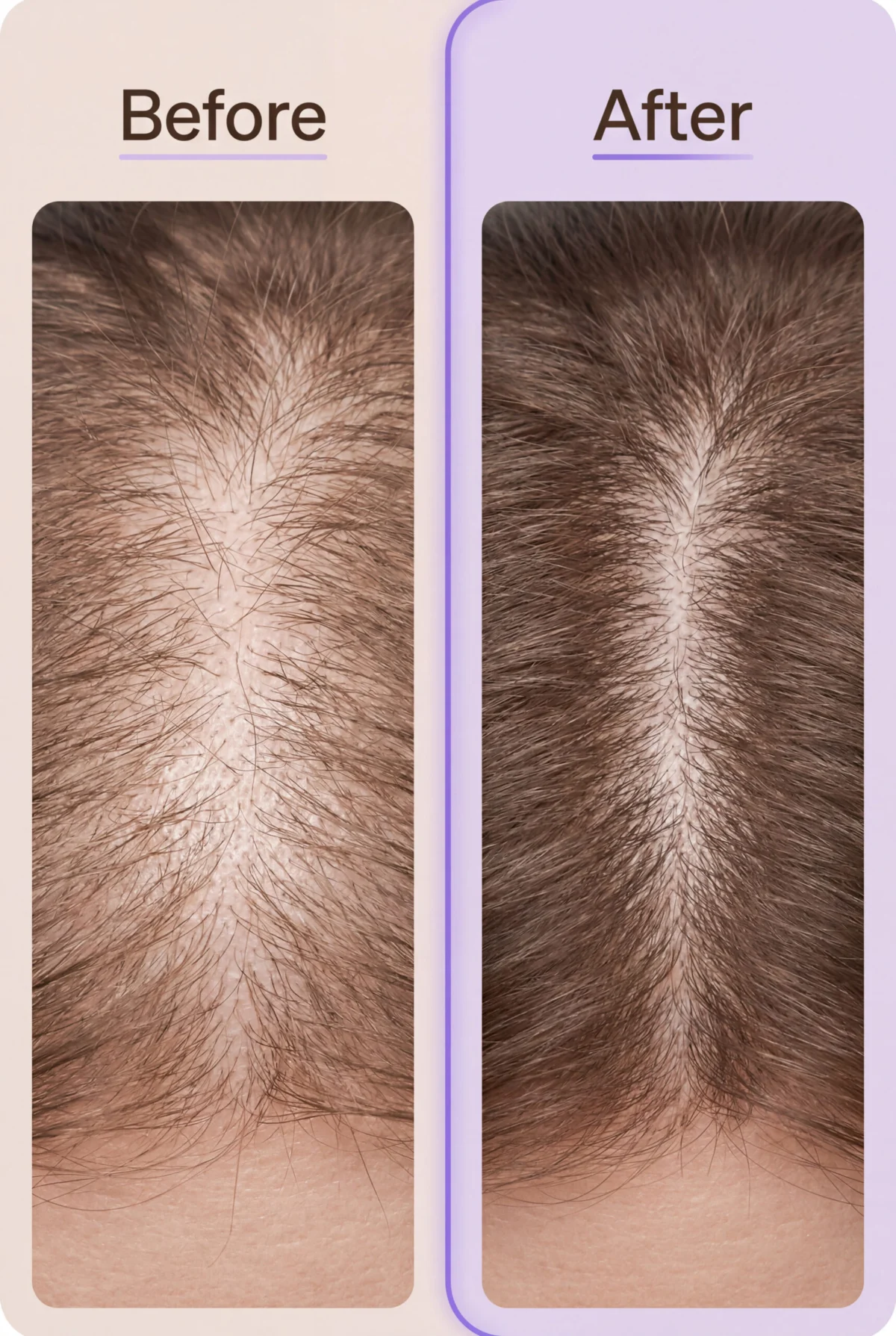
LED hair growth caps have surged in popularity across social media platforms, captivating consumers with promises of thicker, fuller hair. While the marketing buzz is undeniable, the scientific underpinnings and practical application of these devices warrant a closer examination. This comprehensive guide delves into the technology, clinical evidence, user experience, and candidacy for LED hair growth caps, offering a balanced perspective for those considering this increasingly visible hair loss solution.
At their core, LED hair growth caps utilize red and near-red light wavelengths, typically ranging from 630 to 670 nanometers, to stimulate hair follicles. The process, known as photobiomodulation, involves the absorption of this light energy by mitochondria within the follicle stem cells. This absorption is believed to encourage a shift in hair follicles from the resting (telogen) phase to the active growth (anagen) phase. Furthermore, researchers suggest that this light therapy may help to mitigate low-grade inflammation around the follicles, a contributing factor to hair miniaturization often observed in pattern hair loss. A review published in PMC on low-level light therapy mechanisms highlights its potential in addressing these underlying issues.
Understanding the technology behind these devices requires distinguishing between LED and laser caps. While often used interchangeably online, the hardware differs significantly. Laser devices employ coherent, single-wavelength light emitted from laser diodes, allowing for more direct scalp penetration. In contrast, LED caps utilize non-coherent light that scatters more broadly as it travels through air and hair shafts. The American Hair Loss Association notes this difference, explaining that laser light tends to be more focused, whereas LED light disperses, potentially losing some intensity. While some LED cap manufacturers assert that their wider coverage compensates for lower per-diode power, this claim is primarily derived from marketing materials rather than independent comparative studies, and should be approached with scientific skepticism.

The clinical evidence supporting light-based hair growth devices, including both laser and LED technologies, has been accumulating for some time. One of the most substantial studies in this area is a 2014 multicenter, randomized, sham-controlled trial involving 269 men and women. This research found a statistically significant increase in terminal hair density after 26 weeks of daily laser comb treatment when compared to a placebo device. More recently, a systematic review and meta-analysis of seven double-blind, randomized trials focusing on FDA-cleared home-use light therapy devices demonstrated a significant improvement in hair density compared to sham treatments, with benefits observed across both comb and helmet-style devices.
Caps, specifically, have also been the subject of dedicated research. The REVIAN RED system, an all-LED cap, was evaluated in a randomized, double-blind, placebo-controlled trial registered on ClinicalTrials.gov (NCT04019795). Compliant participants using the cap for 10 minutes daily over 16 weeks experienced an average increase of 26.3 hairs per square centimeter compared to the placebo group. Notably, the trial excluded a substantial portion of participants (91 out of 160) due to compliance issues, underscoring the challenge of maintaining the consistent daily usage required for such treatments to be effective. This data point highlights that adherence to the treatment regimen is as critical as the technology itself.
Further research, including a review in PMC comparing light therapy with conventional treatments, indicates that low-level light therapy (LLLT), minoxidil, and finasteride all demonstrate superiority over placebo in addressing hair loss. Crucially, the study suggests that combining LLLT with minoxidil can yield superior results compared to using either treatment in isolation. This synergistic approach is a key consideration for individuals seeking to optimize their hair regrowth strategy.
The user experience of an LED hair growth cap can be surprisingly integrated into daily routines. Many modern devices are designed with companion smartphone applications that track session duration and user compliance, transforming a clinical treatment into a gamified habit. The caps themselves are generally lightweight and emit a mild warmth rather than significant heat. A full charge typically supports about a week of daily sessions. To maximize effectiveness, users are advised to wear the cap on clean, dry hair, free of styling products. This necessitates scheduling sessions during times when hair styling is not immediately required, such as during morning reading, email checks, or even while planning future hairstyles. While initial trials often extend to 16-26 weeks, shorter periods of use may not provide a reliable assessment of the device’s efficacy.

Identifying the ideal candidate for an LED hair growth cap is crucial for managing expectations and ensuring appropriate application. These devices are primarily designed for individuals experiencing androgenetic alopecia, the common form of hair loss characterized by a receding hairline or thinning crown in men, and overall thinning or a widening part in women. The technology works best on hair follicles that are still active but miniaturizing, rather than on areas that have been completely bald for an extended period, as dormant follicles have limited capacity for stimulation. LED caps are not a suitable treatment for alopecia areata, scarring alopecia, scalp psoriasis, open sores, or hair loss directly linked to recent illnesses or medication changes, as these conditions require distinct medical interventions. For those in the early to moderate stages of thinning, strategic haircuts, such as bobs with effective layering or medium-length styles that create an illusion of volume, can help manage the appearance of thinning while pursuing treatment.
Proper usage of an LED hair growth cap is paramount for achieving optimal results. The process begins with a clean, dry scalp, as styling products, oils, and moisture can impede light penetration. Dividing hair into smaller sections before placing the cap ensures that the LED bulbs have direct contact with the scalp, maximizing the light’s reach. Manufacturers typically recommend daily sessions of 10 to 20 minutes. Clinical trials consistently show that significant results emerge only after prolonged and consistent use, typically ranging from four months to over six months. Therefore, prospective users should prepare for a considerable commitment. Regular photographic documentation of the same scalp area under consistent lighting conditions, taken every two to four weeks, is essential for accurately tracking gradual changes in hair density, as subjective perception can be unreliable.
Several common pitfalls can hinder the effectiveness of LED hair growth caps. The most significant is inconsistency in daily usage. As evidenced by the high dropout rate in some clinical trials, missing even a few sessions per month can compromise the cumulative effect of the treatment. Another mistake to avoid is premature discontinuation due to temporary shedding, which can occur as follicles synchronize into a new growth cycle and is not an indicator of treatment failure. Users should also refrain from applying the cap immediately after using topical treatments like minoxidil without allowing them to fully dry, as residue can interfere with light absorption. Finally, it is crucial to opt for devices with published clinical data specific to their model, rather than generic alternatives that merely resemble tested products.
Safety and realistic expectations are critical considerations when evaluating LED hair growth caps. Generally, these devices are well-tolerated, with reported side effects typically limited to mild scalp warmth or temporary redness. Serious adverse events are rare in clinical trials involving active devices. However, dermatologists express caution regarding the proliferation of at-home devices. FDA clearance signifies that a device is deemed safe and substantially equivalent to an existing approved device, not that all marketing claims have been independently validated for efficacy. The rapid expansion of the at-home device market has, in some instances, outpaced independent scientific scrutiny. Therefore, experts advise consumers to prioritize devices backed by their own peer-reviewed or clinical trial data and independent third-party testing of their specific wavelength and output.

Comparing LED hair growth caps to other prevalent hair loss treatments reveals their distinct mechanisms and commitment levels. Traditional options include topical minoxidil, which widens blood vessels around follicles and extends the anagen phase, requiring twice-daily application and ongoing monthly costs. Oral finasteride, a prescription medication, blocks DHT, a hormone responsible for follicle shrinkage in pattern hair loss, also requiring daily intake and incurring monthly expenses. Laser hair growth caps, while similar in concept to LED caps, utilize focused laser diodes and may require slightly longer daily sessions. The one-time purchase cost for both LED and laser caps can range from $200 to over $1,000. Importantly, research indicates that combining light-based therapies with topical treatments like minoxidil can amplify results, offering a more potent strategy for hair regrowth.
FAQ: Addressing Common Questions About LED Hair Growth Caps
-
How long does it take to see results from an LED hair growth cap? Clinical trials typically measure results after 16 to 26 weeks of consistent daily use. It is advisable to commit to at least four months of treatment before evaluating its effectiveness, utilizing photographic tracking for objective progress assessment.
-
Can I use an LED cap concurrently with minoxidil or finasteride? Yes, combining light therapy with minoxidil is often recommended and has shown superior results to either treatment alone. Ensure topical products are fully absorbed and dry before applying the cap to avoid hindering light penetration.

-
Are LED caps effective for a completely bald scalp? No, these devices are designed to stimulate active, miniaturizing follicles. Areas of the scalp that have been completely bald for several years typically lack responsive follicles and will not benefit from light therapy.
-
Are LED caps safe for colored or chemically treated hair? Generally, yes. The light targets the scalp and follicles, not the hair shaft itself. Chemical treatments like coloring or perms do not interfere with the therapy. It is recommended to wait until the scalp has fully recovered from any chemical service before commencing daily cap sessions.
-
What is the difference between an LED cap and a laser cap? Laser caps use focused, coherent laser light for direct scalp penetration. LED caps employ scattered, non-coherent light that covers a broader area. Both technologies have clinical data supporting their efficacy in treating pattern hair loss.
-
Is FDA clearance equivalent to FDA approval? No. FDA clearance indicates that a device is safe and substantially similar to an existing approved device. It does not necessarily mean that all efficacy claims have been independently verified. Consumers should seek brands that provide their own published clinical trial data.

In conclusion, LED hair growth caps represent a legitimate, evidence-based approach to managing early-to-moderate pattern hair loss. The clinical data consistently points to modest but measurable increases in hair density, achievable through diligent daily application over several months. They are not a panacea but a tool that, when used correctly and with realistic expectations, can contribute to a more robust hair growth regimen. As with any treatment, consulting with a dermatologist or trichologist is recommended to determine the most suitable course of action for individual hair loss concerns.
