
 By admin

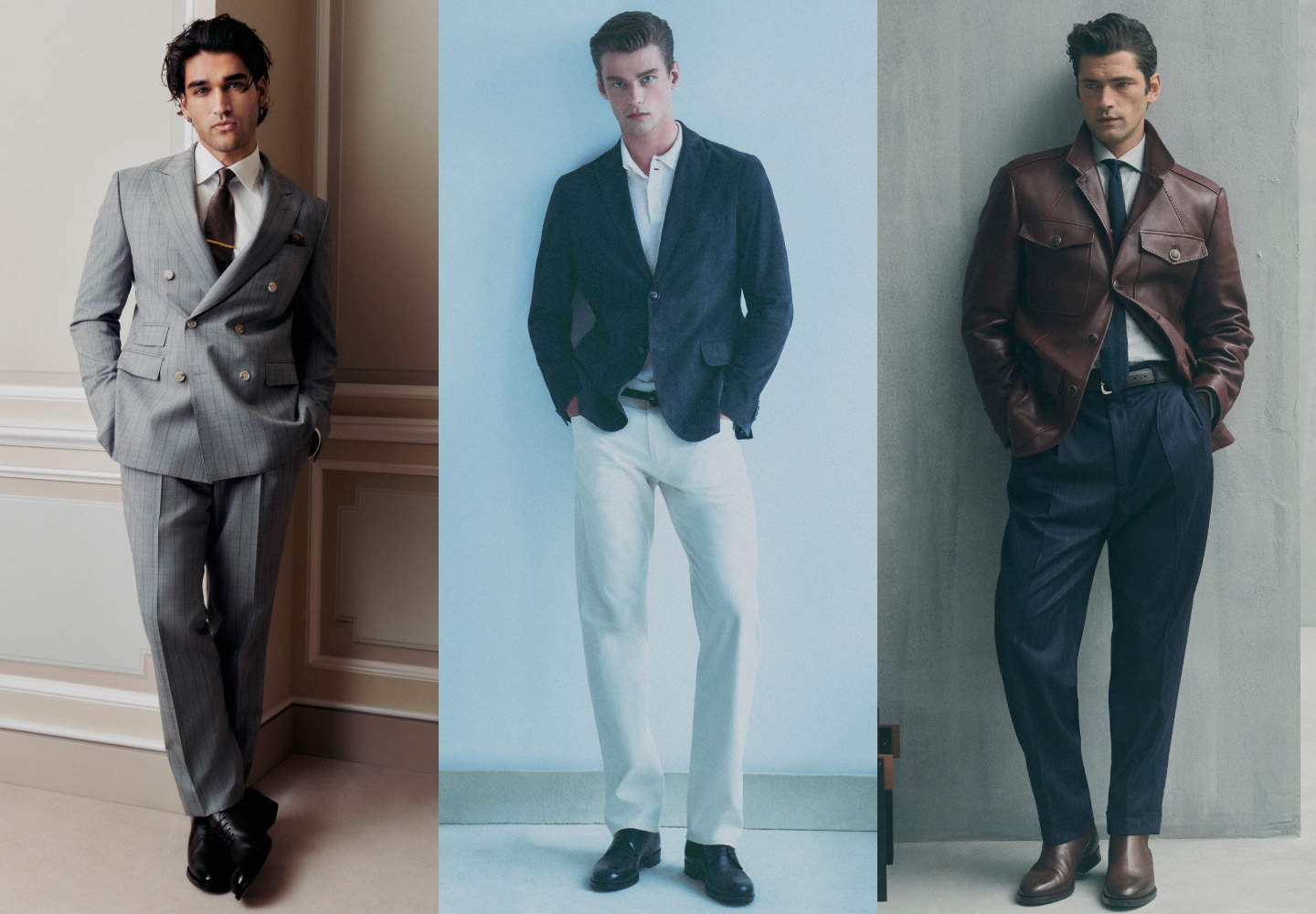
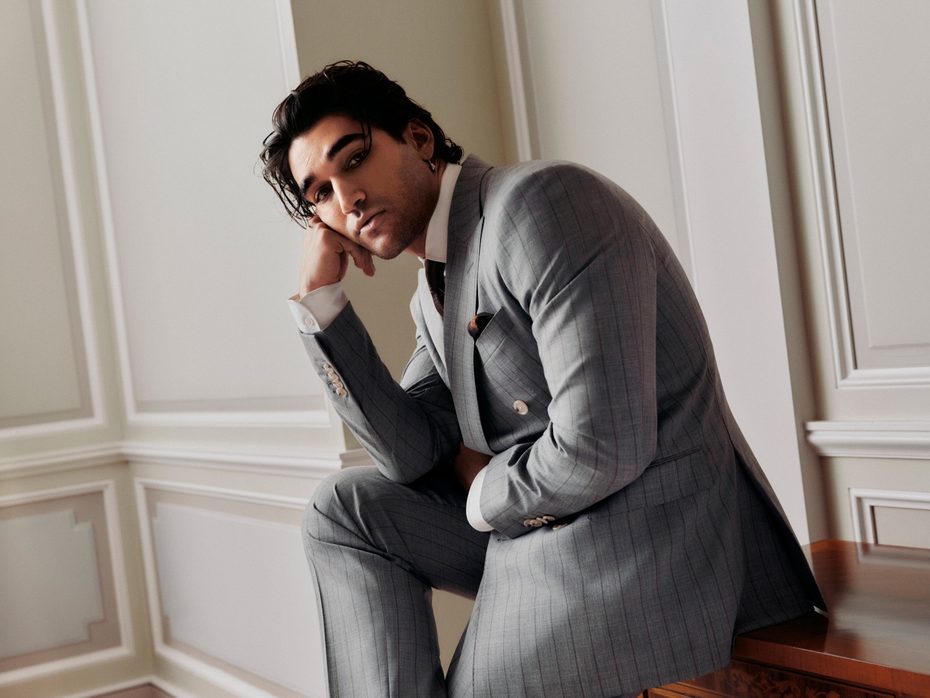
The global menswear landscape is currently undergoing a structural transformation as the 2026 collections signal a decisive departure from the rigid corporate uniforms of the past toward a philosophy defined as the new formality. This shift, characterized by relaxed double-breasted silhouettes, soft construction, and pleated trousers, has revitalized the made-to-measure sector, elevating it from a service focused on basic fit to a sophisticated tool for individual expression. As traditional dress codes continue to dissolve, the relevance of tailoring is being redefined by a modern consumer who prioritizes comfort, climate-appropriate fabrics, and versatile wardrobe integration over the mere adherence to professional protocols.

The Evolution of the Sartorial Silhouette: A Five-Year Chronology
To understand the current dominance of the "new formality," it is essential to trace the trajectory of menswear over the last half-decade. The period between 2020 and 2022 saw a drastic decline in tailored clothing sales as remote work and global lockdowns forced a pivot toward "athleisure" and casual wear. During this era, industry analysts frequently predicted the "death of the suit," suggesting that the formal jacket would become a relic of the pre-digital workplace.
However, by 2024, a counter-movement began to emerge. The rise of "Quiet Luxury" and "Old Money" aesthetics signaled a return to heritage, but with a significant caveat: the stiffness of the 20th-century suit was no longer acceptable. The 2025 and 2026 runway cycles have solidified this evolution. Leading houses have replaced the heavily padded shoulders and restrictive waists of the 2010s with "unstructured" tailoring. This chronological progression has led directly to the current demand for made-to-measure (MTM) services, as ready-to-wear often struggles to balance the voluminous proportions of modern cuts with the precise fit required to look polished rather than disheveled.
Market Data and the Economic Shift in Luxury Tailoring
Recent market analysis indicates that while the total volume of suit sales may not have returned to 2019 levels, the value of the luxury tailoring segment has seen a compound annual growth rate (CAGR) of approximately 7.4%. This growth is driven largely by the personalization sector. Modern consumers are increasingly willing to pay a premium for garments that offer longevity and multi-functional use.
Data from luxury retail groups suggest that the average age of the made-to-measure client has dropped significantly. Previously dominated by the 50+ demographic seeking professional attire, the service is now being utilized by men in their 30s who view tailoring as a lifestyle choice rather than a workplace requirement. In regions such as Southeast Asia, particularly in financial hubs like Singapore, the demand for MTM has been further bolstered by a need for tropical-weight fabrics that do not compromise the aesthetic of a traditional European suit.

Technical Mastery and the Giorgio Armani Philosophy
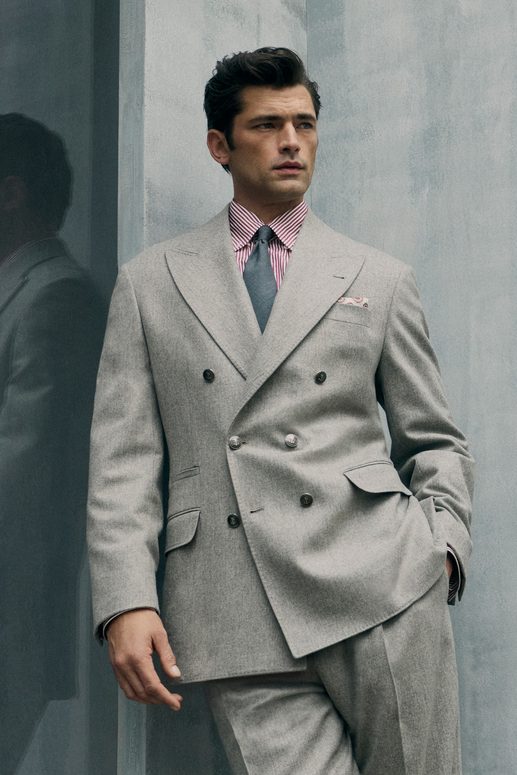
Giorgio Armani has long been the primary architect of deconstructed tailoring, and the house’s 2026 Made to Measure service remains the benchmark for "ease as expertise." The Armani approach focuses on the internal architecture of the garment. Unlike traditional British tailoring, which often relies on heavy canvas to create a structured "chest," Armani’s MTM jackets utilize a natural canvas composed of horsehair and goat hair.
This choice is functional as much as it is aesthetic. The natural elasticity of these materials allows the jacket to "remember" the wearer’s body shape while maintaining a fluid drape. Furthermore, the use of these materials ensures that the garment can recover its shape after being packed in luggage or exposed to humidity—a critical factor for the modern global traveler. The service allows clients to select from a vast array of fabrics, ranging from classic Prince of Wales checks to ultra-rare vicuña and traceable wools, ensuring that the final product is both a technical achievement and a personal statement.
Versatility and the Sartoria Solomeo Approach
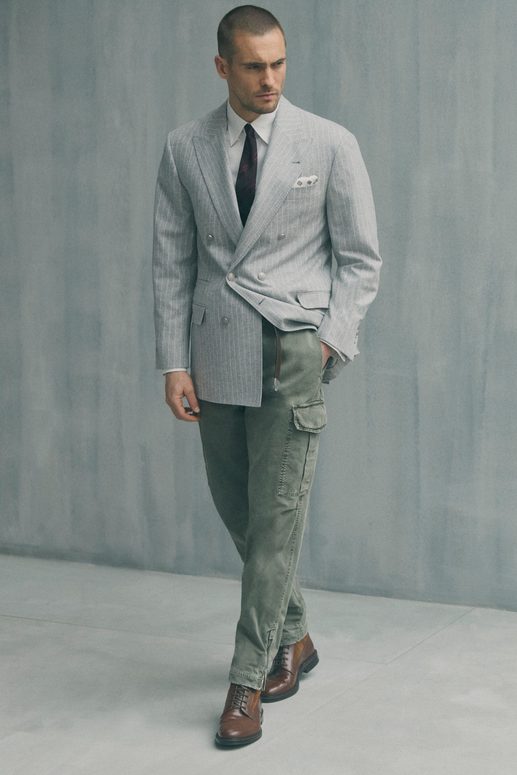
Brunello Cucinelli’s Sartoria Solomeo service represents the convergence of traditional Italian craftsmanship and the contemporary need for "leisure suits." The house’s current collection emphasizes versatility, suggesting that a tailored jacket should be capable of transitioning from a business lunch to a casual evening setting.
In the Cucinelli framework, the suit is no longer an indivisible unit. The MTM process encourages clients to consider how a jacket might pair with fine knitwear or even high-quality denim. This "broken suit" or "spezzato" style requires a specific eye for proportion. A jacket intended to be worn with jeans must have a slightly different length and pocket style than one intended for a full formal ensemble. By focusing on these nuances, the Sartoria Solomeo service caters to a client who views tailoring as a flexible component of a broader, more relaxed wardrobe.

Strategic Wardrobe Building: The BOSS Methodology
In the commercial luxury sector, BOSS has repositioned its Made to Measure service as a comprehensive wardrobe-building tool. Recognizing that the modern man often lacks the time for multiple fittings across different garment categories, BOSS has streamlined the MTM experience to include not just suits, but also shirts and coats, all designed to function as a cohesive ecosystem.
In Singapore, the brand has strategically placed its MTM specialists at flagship locations in Marina Bay Sands and Takashimaya. This geographic focus targets both the high-net-worth traveler and the local professional. The BOSS service is particularly noted for its emphasis on the "occasion" aspect of dressing. Whether the requirement is for a high-stakes corporate event or a wedding, the service uses individual measurements as a baseline to then advise on finishing details—such as button types and lining textures—that align with the specific lifestyle of the wearer.

The Southeast Asian Context: Climate and Construction
For the wearer in Southeast Asia, the "new formality" presents unique challenges that made-to-measure is uniquely positioned to solve. The high humidity and temperatures of cities like Singapore and Jakarta make traditional heavy-wool tailoring impractical.
The MTM sector has responded by introducing "tropical" construction methods. This includes:
- Half-Lining or Unlined Options: Reducing the layers of fabric to allow for maximum breathability.
- High-Twist Fabrics: Utilizing wools that are woven in a way that allows air to pass through while remaining resistant to wrinkling.
- Open Weaves: Incorporating linen and silk blends that provide the texture of a formal suit with the cooling properties of casual wear.
The ability to customize these technical aspects is what separates the connoisseur from the casual consumer. A suit that looks impeccable but causes physical discomfort in the local climate is ultimately a failure of design; MTM ensures that the aesthetic and the environment are in harmony.
The Role of Proportion in Contemporary Connoisseurship
The distinction between simple customization and true sartorial connoisseurship lies in the understanding of proportion. While "fit" refers to whether a garment can be buttoned comfortably, "proportion" refers to how the garment interacts with the wearer’s silhouette to create a balanced image.
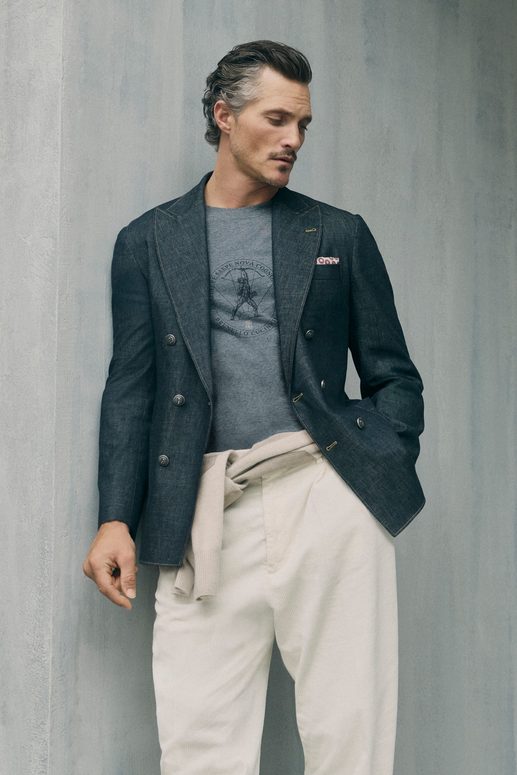
Modern tailoring trends favor a higher trouser rise and a more generous leg volume. For the MTM client, this requires a dialogue with the tailor regarding the relationship between the rise of the trouser and the length of the jacket. A knowledgeable client understands that a slightly shorter jacket can balance a wider trouser, or that the placement of a button can visually elongate the torso. This level of detail is generally unavailable in ready-to-wear, where garments are designed to fit a "standard" model that rarely exists in reality.
Broader Implications for the Fashion Industry
The resurgence of made-to-measure is indicative of a broader trend toward "slow fashion" and intentional consumption. By moving away from the disposable nature of trend-driven ready-to-wear, the MTM sector promotes a more sustainable approach to dressing. A garment that is perfectly fitted and made from high-quality materials is likely to be kept and maintained for decades rather than replaced every season.
Furthermore, this shift is forcing retailers to reconsider the role of the physical store. In an era of dominant e-commerce, the MTM appointment provides an experiential element that cannot be replicated online. It fosters a relationship between the brand and the consumer based on trust, expertise, and personalized service.
Conclusion: A Personal Language of Style
The return of the suit in 2026 is not a regression to the restrictive social codes of the 20th century. Instead, it represents a new language of tailoring where the rules are understood but frequently adapted. Through the services offered by houses like BOSS, Giorgio Armani, and Brunello Cucinelli, men are discovering that the most powerful aspect of a suit is not its ability to make the wearer look like everyone else, but its capacity to reflect the individual’s unique proportions and lifestyle.

The appeal of the "new formality" lies in this newfound freedom. Tailoring is no longer a uniform to be submitted to; it is a choice to be made. As the industry continues to evolve, the made-to-measure experience will likely remain the primary vehicle for this personal expression, blending the heritage of craftsmanship with the demands of a modern, mobile, and individuality-driven world.
