
 By admin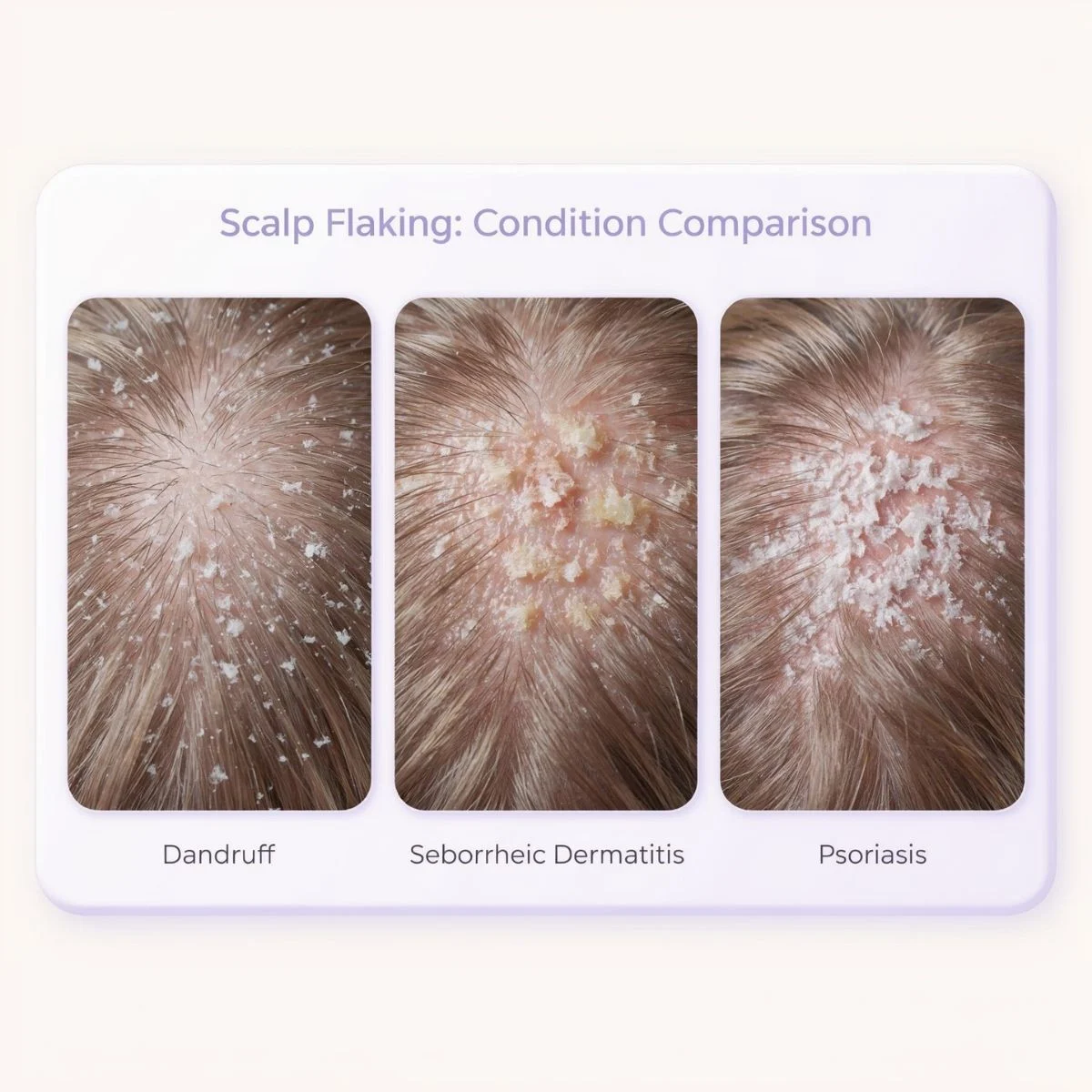
Artificial intelligence is increasingly making its way into our daily routines, and now, it’s offering a glimpse into the health of our scalps. AI-powered scalp scanners, often accessible through smartphone apps and affordable clip-on lenses, promise to demystify common concerns like hair thinning, flaking, and oil buildup. However, as with many emerging technologies, understanding what these tools can genuinely achieve, and where their limitations lie, is crucial for consumers seeking accurate diagnostic insights. This in-depth analysis explores the technology behind these digital scalp diagnosticians, their current capabilities, their shortcomings, and how users can leverage them effectively while knowing when professional medical advice is indispensable.
The Mechanics of AI Scalp Analysis
At its core, an AI scalp scanner functions by capturing a magnified image of a small section of the scalp and then employing a sophisticated computer vision model. This model has been trained on vast datasets of labeled images to identify specific patterns associated with various scalp conditions and hair follicle characteristics. The process, generally consistent across different devices and applications, can be broken down into three primary stages:
Stage 1: Image Acquisition with Magnification
The user typically parts their hair and positions a lens, either built into a specialized device or a clip-on attachment for a smartphone, against the scalp. The accompanying application then captures multiple high-resolution images, often at magnifications ranging from 10x to 200x. The quality of this initial capture is paramount. Experts emphasize that consistent and even lighting is critical; uneven illumination can create shadows that the AI might misinterpret as thinning or other irregularities. The effectiveness of this stage directly impacts the subsequent analysis, highlighting the importance of user technique and environmental factors.
Stage 2: Algorithmic Segmentation of Hair and Skin
Once an image is captured, the AI model performs a process known as segmentation. This involves precisely identifying and separating individual hair shafts from the underlying scalp skin. This technique is analogous to the technology used in virtual hairstyle try-on tools, but applied to a far more intricate and textured surface. By accurately delineating each hair, the AI can then proceed to measure parameters like hair density per square centimeter and the thickness of individual hair shafts. This granular level of detail is essential for providing quantitative data rather than relying on subjective visual interpretation.
Stage 3: Comparative Analysis Against a Baseline
The segmented data is then compared against a reference baseline. This baseline can either be a generalized statistical average derived from a large population or, in more advanced applications, the user’s own historical scan data. The latter is significantly more valuable. Scalp density and other metrics can vary widely from person to person, making a single snapshot without a personal reference point of limited diagnostic utility. A longitudinal approach, tracking changes over time against an individual’s established norm, offers a much more insightful perspective on scalp health trends.

Strengths of Current AI Scalp Scanning Technology
Despite their limitations, current AI scalp scanners offer demonstrable utility in several key areas, providing users with accessible insights into their scalp’s condition:
-
Tracking Changes in Hair Density Over Time: One of the most robust applications of these tools is their ability to monitor trends in hair density. While a single reading might be skewed, consistent scanning over weeks and months can reveal whether hair density is stable, increasing, or decreasing. This is particularly valuable for individuals concerned about gradual thinning, allowing them to track the potential impact of treatments or lifestyle changes. Data from early adopters of such technologies often indicates a higher degree of confidence in identifying a trend rather than an absolute count.
-
Identifying Visible Flaking and Sebum Levels: AI models are often adept at detecting the presence and severity of flaking on the scalp. They can also assess the general level of oiliness or sebum buildup. These are common concerns that can impact scalp comfort and hair appearance. By providing a visual and sometimes quantitative measure of these issues, the scanners can help users understand the extent of their problem and monitor the effectiveness of shampoos or treatments aimed at controlling dandruff or excess oil. For instance, some diagnostic apps have shown the ability to differentiate between mild and severe flaking patterns, providing a visual reference for users.
-
Estimating Follicle Miniaturization: For individuals experiencing certain types of hair loss, such as androgenetic alopecia, the thinning of hair shafts and the miniaturization of hair follicles are key indicators. AI scanners, by analyzing the thickness of individual hairs and the appearance of follicles, can provide an estimate of miniaturization. While this is not a definitive diagnosis, it can serve as an early warning sign, prompting further investigation if concerning patterns are detected. Initial studies suggest that AI can correlate visual cues of miniaturization with known patterns of hair loss progression, albeit with caveats.
Where AI Scalp Scanners Fall Short
The promise of comprehensive, at-home scalp diagnosis is, for now, largely aspirational. Several critical limitations prevent AI scalp scanners from replacing professional dermatological evaluation:
Inability to Differentiate Between Similar Conditions
A significant drawback is the AI’s struggle to distinguish between conditions that present with similar visual symptoms. For example, flaking on the scalp can be indicative of common dandruff (pityriasis capitis), seborrheic dermatitis, or even the early stages of psoriasis. While an AI scanner might detect "flaking detected," it cannot differentiate the underlying cause. This means a user might see a flaking alert and incorrectly attribute it to a minor issue, when a more serious condition requiring specific medical treatment could be present. The underlying biological and immunological differences between these conditions cannot be discerned solely through visual pattern recognition of surface-level symptoms.

Susceptibility to Lighting and Hair Color Variations
The accuracy of AI scalp scans is heavily influenced by external factors. Lighting conditions play a critical role. Inconsistent or poor lighting can lead to misinterpretations of density. For instance, a darker scalp with dark hair can create lower contrast, confusing the segmentation algorithms and potentially leading to an underestimation of hair density. Furthermore, the color of the hair itself can impact results. Reports from testing indicate that density scores can fluctuate by as much as 15% on the same individual simply by changing the ambient lighting from warm indoor light to natural daylight. This variability underscores the challenge of achieving consistent, objective data from home-based scanning.
Challenges with Curly and Coily Hair Textures
The development of most AI models for hair analysis has historically been based on datasets primarily featuring straight and wavy hair textures. This poses a significant challenge for individuals with curly and coily hair types. The intricate, often intertwined nature of these hair strands makes it difficult for the AI’s segmentation algorithms to isolate individual hairs cleanly. Consequently, density readings for curly and coily hair often tend to undercount, presenting a potentially healthier scalp as thinner than it actually is. This bias in training data leads to inequitable performance across diverse hair types, a growing concern in the beauty tech industry.
The Insufficiency of a Single Scan
The dynamic nature of scalp health means that a single scan provides only a fleeting snapshot. Factors such as seasonal changes, periods of stress, hormonal fluctuations, and even recent hair washing can significantly influence metrics like hair density and shedding rates. A single alarming reading can cause undue anxiety, only to resolve into a normal range when subsequent scans are taken. Multiple scans over a period of weeks or months are essential to establish a reliable baseline and identify genuine trends, rather than being swayed by transient variations. This temporal dimension is critical for meaningful interpretation.
Optimizing Home Scalp Scans for Reliable Data
To maximize the utility of AI scalp scanners and obtain data that is as trustworthy as possible, users should adhere to a structured approach:
-
Consistent Lighting is Paramount: Always aim to scan in the same lighting conditions. Natural daylight near a window is often recommended for its consistency and ability to provide good contrast. Avoid direct overhead lighting that can create harsh shadows or dimly lit rooms.
-
Maintain a Standardized Routine: Develop a consistent scanning routine. This includes scanning at the same time of day and under similar scalp conditions – for example, always before washing your hair, or always a set number of days after washing. This minimizes variables that can influence readings.

-
Capture Multiple Angles and Areas: Don’t rely on a single patch of scalp. Scan several different areas of your head, including the crown, temples, and parting, to get a more comprehensive overview. Capture images from slightly different angles to ensure the AI has sufficient data points.
-
Utilize the Full Magnification Range: If your device allows, experiment with different magnification levels to see which provides the clearest view of your scalp and hair follicles. Higher magnifications are generally better for detailed analysis of individual follicles and potential flaking.
-
Track Your Scans Over Time: The true value of AI scalp scanners lies in their ability to track changes. Keep a log of your scans, noting the date, time, lighting conditions, and any relevant personal factors (e.g., stress levels, diet changes). This historical data is invaluable for identifying trends and discussing them with a professional.
When to Seek Professional Dermatological Evaluation
While AI scalp scanners can be valuable tools for personal monitoring, it is crucial to recognize their limitations and understand when professional medical intervention is necessary.
-
Rapid or Significant Hair Density Loss: If your scans consistently indicate a rapid decline in hair density, or if you observe noticeable bald patches that are not gradual thinning, this warrants immediate consultation with a dermatologist. Such changes can be indicative of conditions like alopecia areata, telogen effluvium, or other medical issues.
-
Scalp Discomfort and Inflammation: Persistent itching, pain, or visible inflammation on the scalp should never be ignored. These symptoms can point to infections (bacterial or fungal), severe allergic reactions, or autoimmune conditions that require professional diagnosis and treatment.

-
Suspicion of Serious Medical Conditions: AI scanners are designed to detect patterns, not to diagnose complex medical conditions. If you suspect underlying issues such as hormonal imbalances, thyroid problems, or nutritional deficiencies contributing to scalp or hair concerns, a dermatologist is essential. They can perform clinical examinations, blood tests, and even biopsies to accurately diagnose and manage these conditions.
Pro Tip for Salon Visits: Bringing your scan history to your hairstylist can be incredibly beneficial. Stylists observe scalp conditions regularly during washes and cuts. Providing them with a few weeks or months of scan data gives them concrete information to correlate with their visual observations, potentially leading to more informed recommendations for at-home care or pointing out areas that might need professional attention.
From Diagnosis to Proactive Hair and Scalp Care
The ultimate goal of utilizing AI scalp scanners is to empower individuals to take proactive steps towards improving their scalp health. Once a baseline is established and potential issues are identified – whether it’s dryness, excessive oil, or thinning – the focus shifts to implementing a consistent and effective regimen.
For those seeking to manage their hair care routines more effectively, integrated digital solutions are emerging. Apps like HairHunt, for example, are combining virtual hairstyle try-on features with new hair care functionalities. These tools allow users to meticulously track their daily hair care practices, from washing frequency and product usage to styling methods. By logging this data, users can receive personalized recommendations tailored to their specific scalp needs, helping them build sustainable habits that contribute to improved scalp health over time. This integration of tracking and personalized guidance aims to bridge the gap between identifying a problem and actively solving it.
Frequently Asked Questions About AI Scalp Scanners
Are AI Scalp Scanners Accurate?
AI scalp scanners can be reasonably accurate in tracking changes in your personal scalp metrics over time. However, the absolute accuracy of any single reading can vary significantly due to factors like hair color, texture, and lighting. The trend line observed over multiple scans is generally considered more meaningful than any individual score.
Can These Tools Diagnose Hair Loss Conditions?
No, these tools cannot definitively diagnose specific hair loss conditions. They are capable of flagging patterns that may warrant further investigation, but conditions such as alopecia areata, thyroid-related shedding, or fungal infections require a physical examination by a dermatologist, often accompanied by diagnostic tests.

How Often Should I Scan My Scalp?
Scanning your scalp every two to four weeks is generally sufficient. This frequency allows for the detection of genuine trends without being overwhelmed by minor daily fluctuations or noise in the data.
Why Did My Density Score Change So Much Between Two Scans?
Significant variations in density scores between scans are often attributable to inconsistent scanning conditions rather than an actual change in your scalp. Factors like differing lighting, hair color variations (especially if dyed), or the time elapsed since your last hair wash can all influence the AI’s reading.
Do These Apps Work on Curly or Coily Hair?
Their reliability is reduced for curly and coily hair. Most AI models were primarily trained on data from straight and wavy hair. As a result, density counts on tighter curl patterns may underestimate the actual density of the hair on the scalp.
In conclusion, home AI scalp scanners represent an exciting advancement in accessible personal health monitoring, offering a convenient way to observe subtle changes in scalp condition over time. They are adept at providing baseline data and tracking trends in density, flaking, and oiliness. However, it is imperative to approach their results with a critical understanding of their inherent limitations. They are valuable tools for self-monitoring and informing personal hair care routines, but they are not substitutes for professional medical diagnosis. When faced with persistent concerns, significant changes, or discomfort, consulting a qualified dermatologist remains the most reliable path to accurate diagnosis and effective treatment for optimal scalp and hair health.
Disclaimer: The results observed with hair and scalp products and devices can vary based on individual natural hair characteristics, texture, density, and underlying health conditions. It is always recommended to consult with a licensed dermatologist or trichologist before initiating any treatment for hair loss, scalp irritation, or any condition identified by a home scanning device. Scan results presented in applications are estimations and should not be considered definitive medical diagnoses.
