
 By admin
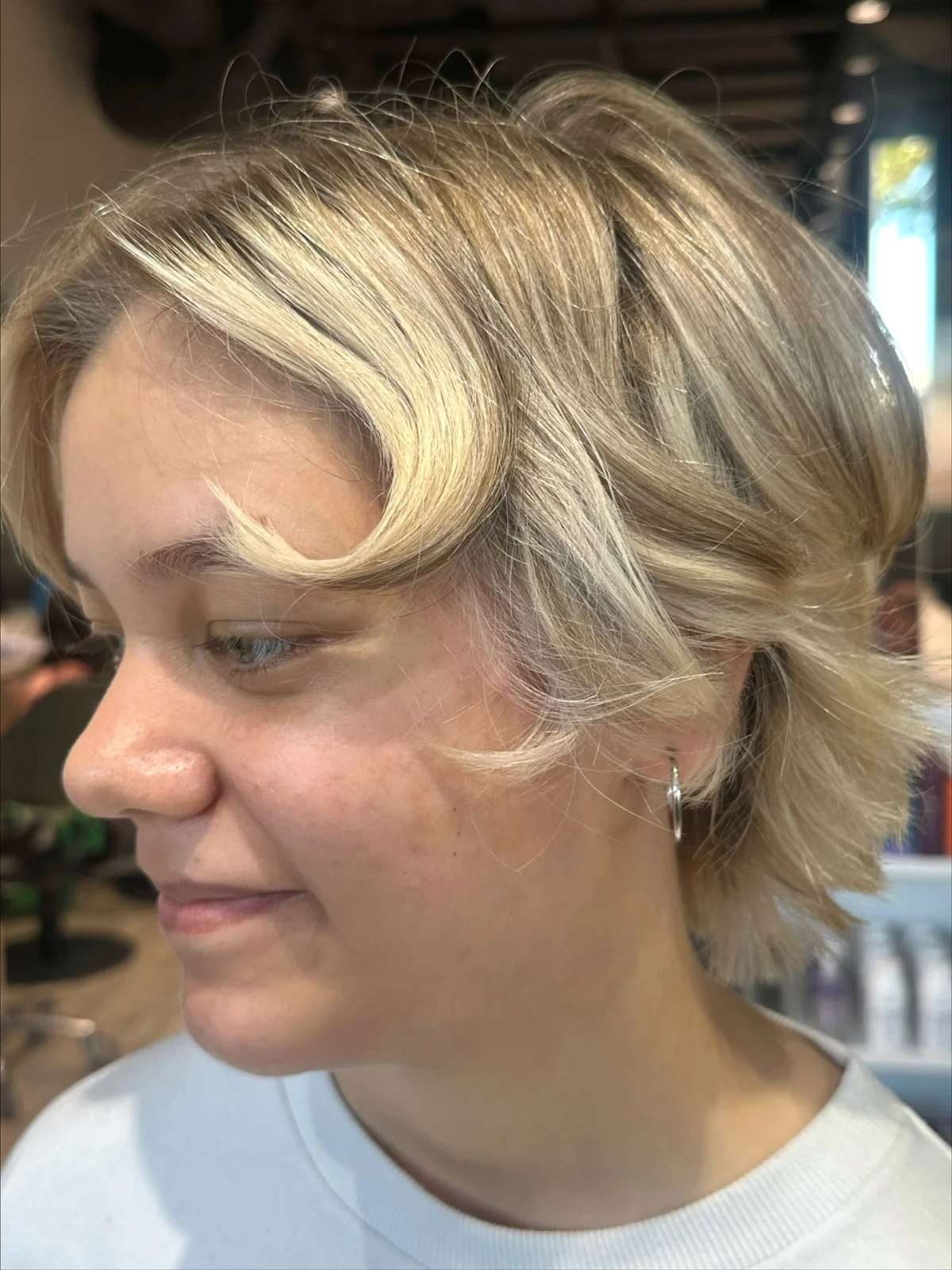
The enduring appeal of the pixie cut, a cornerstone of short hairstyles, has once again been revitalized with a fresh and spirited iteration: the flixie. This contemporary take on the classic pixie injects a dose of playful dynamism, characterized by subtly flicked ends that lend a coquettish charm and an undeniably modern edge. While the pixie has undergone numerous transformations throughout its sartorial history, the flixie represents a significant evolution, blending timeless appeal with a distinctly contemporary attitude, a trend that has been gaining considerable traction in the global hair fashion landscape over the past year.
Understanding the Flixie: More Than Just a Flick
At its core, the flixie is a sophisticated yet approachable reinvention of the pixie. It retains the quintessential short silhouette, typically cropped close around the sides and the nape of the neck. However, the defining characteristic of the flixie lies in the intentional and artful flicking of the hair’s ends. These flicks, whether subtle wisps around the ears, temples, or framing the forehead as bangs, extend outward, creating a lively and expressive dimension that sets it apart from its more uniform predecessor.
The versatility of the flixie is a key factor in its burgeoning popularity. Some interpretations feature a closely cropped sides with a slightly longer, more textured top, allowing for pronounced flicks. Others maintain a bit more length around the ears and nape, enabling more pronounced and playful outward movements of the hair. This adaptability allows the flixie to be tailored to various hair textures and face shapes, making it a universally appealing option.

Furthermore, the flixie carries a subtle nod to retro aesthetics, drawing inspiration from the short, chic hairstyles popular in the 1960s and 1970s. The outward flick is reminiscent of the era’s playful energy, yet the modern flixie distinguishes itself with its uneven lengths and airy texture. This contemporary interpretation avoids a purely historical replication, instead harmonizing vintage charm with the current zeitgeist of effortless, textured styling. This fusion of past and present is a recurring theme in current fashion trends, reflecting a broader cultural appreciation for styles that evoke nostalgia while remaining firmly rooted in the present.
The Rise of the Flixie: A Trend Fueled by Short Hair’s Renaissance
The flixie’s ascent is intrinsically linked to a broader resurgence and reinterpretation of short hairstyles. The past few years have witnessed a dynamic evolution in the short hair arena. The classic bob, for instance, has seen a trend towards progressively shorter lengths, often embracing blunt cuts and sharp lines. Following this, the "bixie," a hybrid cut merging the pixie and bob, emerged, blurring the boundaries between these two iconic styles and offering a softer, more blended transition. Now, the flixie is pushing the pixie cut into even more expressive and personalized territory.
The appeal of the flixie lies in its ability to provide short hair with a discernible yet adaptable shape. The strategically placed flicks create opportunities for dynamic styling. Individuals can choose to emphasize the outward sweep of the ends, create a soft, angled fringe across the forehead, or introduce texture and volume through the crown. This inherent styling flexibility allows a seemingly simple short haircut to possess multiple personalities, adapting to different moods and occasions.
The trend is further supported by statistical data indicating a growing interest in versatile and low-maintenance hairstyles. According to a 2023 report by the Professional Beauty Association, searches for "short hairstyles" on social media platforms increased by an average of 25% year-over-year, with specific interest in textured and customizable cuts like the flixie showing a notable upward trend. This suggests that consumers are actively seeking styles that offer both a defined look and the freedom to experiment.

The flixie’s retro undertones also tap into a broader cultural fascination with past decades. The 1960s and 70s are frequently referenced in fashion and beauty, and the flixie offers a contemporary way to embrace that aesthetic without appearing dated. Its inherent messiness and airy texture prevent it from looking like a costume or a strict historical reenactment, instead offering a modern interpretation of vintage flair. This balance between familiar charm and contemporary cool is a powerful driver of its current popularity.
Crafting the Flixie: A Collaborative Approach with Your Stylist
Achieving the perfect flixie is a collaborative process between the client and their stylist, emphasizing clear communication and a shared vision. When seeking this cut, it is highly recommended to bring reference photographs that clearly illustrate the desired flick placement and intensity. Pointing out specific areas where you envision the flicks—around the ears, nape, or framing the face—will help your stylist understand your preferences.
The stylist can then strategically preserve or create a slightly longer length in these key areas. This deliberate layering allows for the hair’s ends to be manipulated into the characteristic outward flick. For individuals with naturally wavy or curly hair, the flixie often comes to life with minimal intervention. The inherent texture of curls can naturally create an irregular and voluminous flick, adding an organic and effortless charm. For those with fine or straight hair, the stylist may employ techniques like subtle layering and piece-y cutting to create separation and definition, ensuring that individual sections have the capacity to flick outwards.
Styling and Maintenance: Embracing the Effortless Appeal
Styling the flixie is generally straightforward, leaning towards an effortlessly chic aesthetic. A small round brush or a flat iron can be instrumental in directing the hair’s ends outward, creating the signature flick. For added definition and hold, a small amount of styling paste or wax is recommended. This product can be used to separate individual pieces, enhancing the textured appearance of the flicks. A light mist of hairspray can then be applied to ensure the flicks maintain their shape throughout the day, particularly for those prone to the hair falling flat.

The longevity of the flixie’s shape is directly related to the cut’s length. Shorter iterations will require more frequent trims to maintain their precise silhouette and defined flicks. Regular appointments, typically every four to six weeks, are advisable to keep the cropped shape sharp and the flicked elements prominent.
However, the flixie also offers a graceful transition into other styles as it grows out. For those who enjoy a more undone, shag-like appearance, allowing the flixie to grow shaggier can create a deliberately disheveled yet stylish look. Alternatively, as the hair lengthens, it can naturally evolve into a bixie, offering a softer and more blended silhouette, thus providing built-in styling options as the cut progresses through its growth stages.
Expert Opinions and Industry Reactions
Hairstylists and salon professionals have noted the flixie’s strong appeal in recent months. Sarah Chen, a senior stylist at a prominent New York salon, commented, "We’ve seen a significant increase in clients requesting variations of the pixie, with a particular emphasis on texture and movement. The flixie perfectly captures that desire for a short cut that feels both sophisticated and playful. It’s incredibly adaptable, which is why it’s resonating with such a wide demographic."
Industry publications and trend forecasting agencies have also highlighted the flixie as a key emerging style. "The flixie represents a departure from the more severe or rigidly styled short cuts of previous seasons," stated a report from Fashion Week Trends, a leading industry analysis firm. "It aligns with the current demand for personalized styles that are both easy to manage and visually engaging. Its ability to incorporate retro influences while feeling decidedly current makes it a powerful trend."

Broader Implications: A Symbol of Evolving Beauty Standards
The flixie’s popularity can be seen as a reflection of evolving beauty standards that increasingly value individuality, self-expression, and a relaxed approach to personal style. In an era where authenticity is prized, the flixie offers a way to express a bit of personality and playfulness through one’s hairstyle. It moves away from rigid adherence to trends and embraces a more fluid and adaptable approach to personal grooming.
Moreover, the flixie’s rise is part of a larger narrative in the fashion and beauty industries, which are increasingly recognizing the importance of inclusivity and diverse representations of beauty. The adaptability of the flixie to various hair types, ages, and personal styles underscores this inclusive shift. It’s a style that can empower individuals by offering a chic, modern, and dynamic option that feels both current and uniquely their own.
For those considering a short hair transformation, the flixie presents an exciting opportunity to experiment with a style that offers movement, attitude, and a touch of retro charm. The availability of virtual hairstyle try-on tools, as mentioned in the original context, further democratizes the process, allowing individuals to visualize the impact of different flixie variations before committing to the cut, thereby fostering informed decisions and enhancing client satisfaction in the dynamic world of hair fashion.
