
 By admin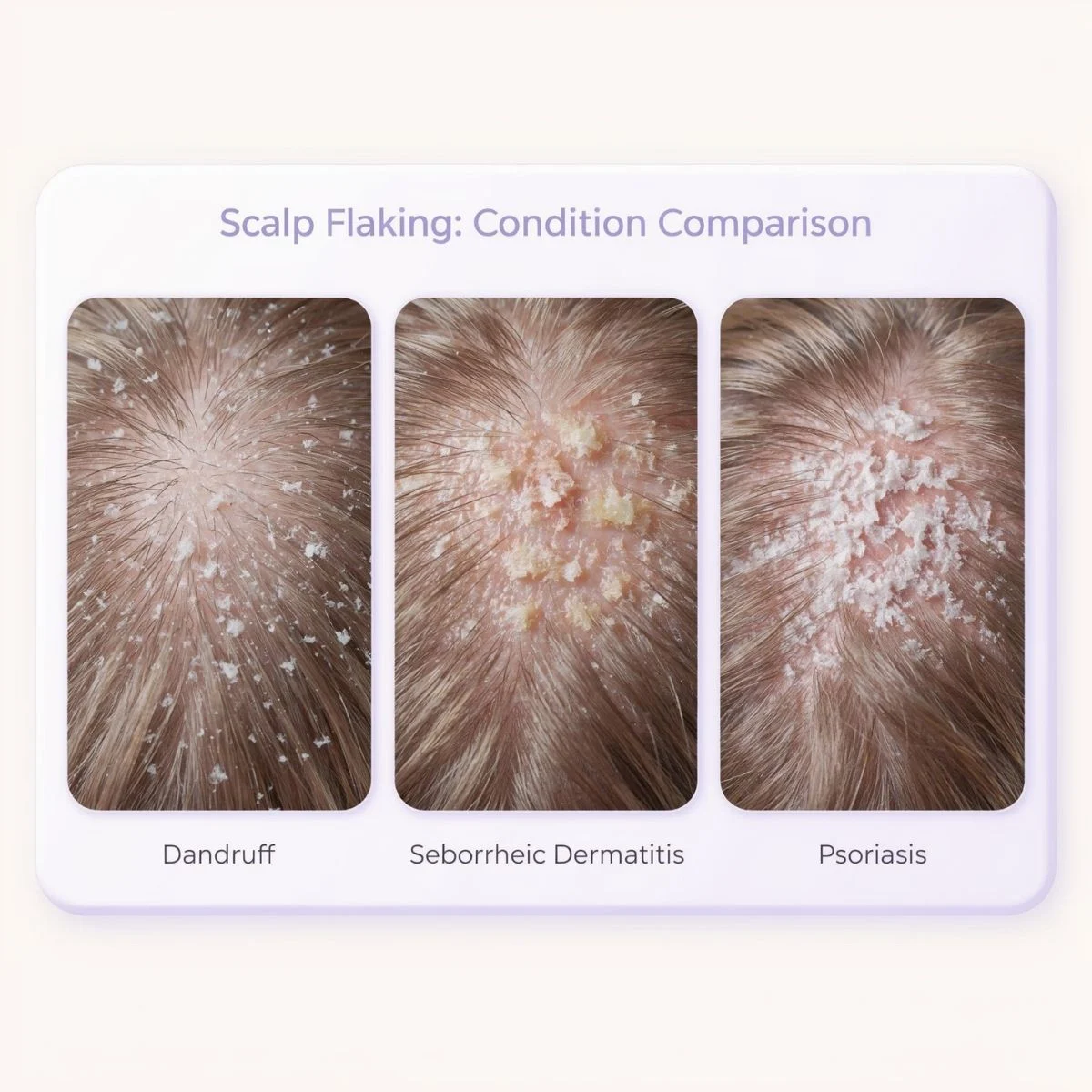
AI-powered scalp scanners are emerging as a new frontier in personal hair and scalp care, promising to bring sophisticated diagnostic capabilities directly to consumers via their smartphones. These innovative tools leverage artificial intelligence and computer vision to analyze photographs of the scalp, identifying patterns associated with common concerns such as hair thinning, flaking, oil buildup, and follicle density. While the allure of at-home, data-driven insights into scalp health is significant, a closer examination of the underlying technology reveals both its impressive capabilities and its inherent limitations. This guide delves into the mechanics of AI scalp scanning, what these tools can reliably detect, where they fall short, how users can optimize their scans for meaningful data, and crucially, when professional dermatological consultation remains indispensable.
The technology behind most consumer-grade AI scalp scanners, regardless of whether they involve a dedicated clip-on microscope or a smartphone’s advanced camera, operates on a foundational principle: capturing a magnified image of a small scalp area and processing it through a specialized AI model. This model has been trained on vast datasets of labeled images, allowing it to estimate key metrics. These metrics typically include hair density per square centimeter, the degree of follicle miniaturization (a potential indicator of hair loss), sebum levels (scalp oiliness), and the presence and extent of visible flaking. The goal is to translate a visual assessment into quantifiable data, empowering users with a more objective understanding of their scalp’s condition than a simple visual inspection might provide.
The Three-Step Process of AI Scalp Analysis
The operational workflow for most AI scalp scanners can be broken down into three fundamental stages: image capture, data segmentation, and comparative scoring.
Step 1: Capturing a Magnified View
The process begins with the user positioning a magnified lens, often integrated into a device or a smartphone attachment, against a parted section of the scalp. The accompanying application then captures several high-resolution frames. The magnification level typically ranges from 10x to 200x, depending on the specific hardware. Lighting conditions during this crucial first step are paramount. Inconsistent or uneven illumination can introduce shadows, which the AI model may misinterpret as thinning hair or other anomalies, thereby skewing the subsequent analysis. Achieving uniform and adequate lighting is therefore a critical prerequisite for obtaining accurate scan data.

Step 2: Segmenting Hair from Skin
Once the images are captured, the AI model employs sophisticated computer vision algorithms to distinguish between hair shafts and the underlying scalp. This segmentation process is analogous to the technology used in virtual try-on applications for hairstyles, but it is applied to a much more intricate and textured surface. By drawing precise boundaries around each visible hair strand, the model can accurately count the number of hairs within the scanned area, providing a measure of hair density, and also assess the thickness of individual hair shafts. This detailed segmentation is essential for moving beyond mere visual estimation to quantitative analysis.
Step 3: Scoring Against a Baseline
The final stage involves comparing the segmented data against a pre-established baseline. This baseline can either be a generalized population average or, in more advanced applications, the user’s own historical scan data. The latter is particularly significant. Scalp characteristics, including hair density, exhibit considerable individual variation. A single snapshot, when compared to a generic average, may offer limited context. However, tracking changes over time against a personal baseline allows for the identification of trends and subtle shifts that might otherwise go unnoticed. This longitudinal data is far more valuable for monitoring scalp health and the efficacy of any treatment regimens.
The Strengths of Current AI Scalp Scanning Technology
Despite the inherent complexities and potential for error, AI scalp scanners have demonstrated consistent utility in several specific areas, proving valuable whether users opt for an economical WiFi microscope, a professional-grade clip-on lens, or standalone diagnostic applications.
- Tracking Hair Density Over Time: One of the most robust applications of these tools is their ability to monitor changes in hair density. By consistently scanning the same areas under similar conditions, users can track whether their hair count is increasing, decreasing, or remaining stable. This provides objective data to complement subjective observations of hair fullness.
- Identifying Visible Flaking and Scalp Irritation: AI models can be trained to recognize visual cues associated with common scalp conditions like dandruff or excessive dryness. The presence, pattern, and severity of flaking can be flagged, offering an early warning system for potential scalp issues that may require attention.
- Estimating Sebum Levels: The technology can also analyze the visual sheen and texture of the scalp to estimate the degree of oiliness. This is particularly useful for individuals who struggle with managing an oily scalp, as it can help them assess the effectiveness of different cleansing routines and products.
- Monitoring Follicle Health (Early Indicators): While not a definitive diagnostic tool, AI scanners can sometimes identify signs of follicle miniaturization, where hair follicles shrink and produce finer, shorter hairs. This can be an early indicator of certain types of hair loss, prompting users to seek professional advice sooner.
Where AI Scalp Scanners Encounter Limitations
The enthusiasm surrounding AI scalp scanners must be tempered by a clear understanding of their current limitations. The gap between the promised capabilities and the actual delivered performance can be substantial, and it is crucial for users to approach scan results with a discerning perspective.
Inability to Differentiate Between Similar Conditions
A significant drawback is the AI’s struggle to distinguish between conditions that present with similar visual symptoms. For instance, flaking on the scalp can stem from various sources, including dandruff (caused by a fungus called Malassezia), seborrheic dermatitis (a more inflammatory form of dandruff), and even the early stages of psoriasis. Current AI models, when tested, typically flagged "flaking detected" without differentiating the underlying cause. This means that while a scan might indicate a problem, it cannot provide a specific diagnosis, necessitating a visit to a dermatologist for accurate identification and an effective treatment plan.

Susceptibility to Lighting and Hair Color Variations
The accuracy of AI scalp scans can be significantly compromised by external factors such as lighting and natural hair color. Dark hair against a dark scalp, for example, can create a low-contrast image that confuses the AI’s segmentation model, leading to an underestimation of hair density. Moreover, studies and testing have shown that density scores can fluctuate by as much as 15% on the same scalp simply due to variations in lighting – for instance, comparing a scan taken under warm bathroom light versus natural daylight near a window. This inconsistency makes it challenging to rely on absolute density figures from a single scan.
Challenges with Curly and Coily Hair Textures
The algorithms powering most AI scalp scanners have predominantly been trained on datasets featuring straight and wavy hair samples. Consequently, these models often encounter difficulties in accurately segmenting individual hair strands on tighter curl patterns, such as those found in curly and coily hair types. In testing scenarios, density readings for coily hair tended to undercount, potentially presenting a healthy, dense scalp as thinner than it actually is. This bias in training data means that users with these hair textures may receive less reliable results.
The Insufficiency of a Single Snapshot
A fundamental limitation is that a single scalp scan provides only a static snapshot in time. Hair density, shedding rates, and overall scalp health are dynamic and can fluctuate due to a multitude of factors, including seasonal changes, periods of stress, hormonal shifts, and dietary influences. A solitary scan offers very little insight into these natural variations. Some users have reported receiving alarming initial readings that subsequently resolved into normal ranges once they accumulated a series of scans over several weeks or months, highlighting the importance of longitudinal tracking over isolated data points.
Optimizing for Trustworthy Scalp Scan Data
To maximize the utility and reliability of home AI scalp scanning, users can adopt several best practices:
- Standardize Your Scanning Environment: Consistency is key. Always aim to scan your scalp in the same location, under the same lighting conditions, and at the same time of day. This minimizes the impact of environmental variables on your results. For instance, using a ring light specifically designed for scalp analysis can provide consistent illumination.
- Establish a Consistent Routine: Perform scans at regular intervals, such as every two to four weeks. This frequency is sufficient to capture meaningful trends without being overwhelmed by daily minor fluctuations. Avoid scanning immediately after washing or styling hair, as this can temporarily alter the appearance of density and oiliness.
- Focus on Trends, Not Absolute Numbers: Instead of fixating on the exact density score or flaking percentage, pay closer attention to the changes observed over time. A consistent upward or downward trend in density, or a persistent increase in flaking, is more indicative of a genuine change in scalp condition than a single, anomalous reading.
- Understand Your Hair Type and Color Influence: Be aware of how your hair color and texture might affect the readings. Users with very dark hair or tightly curled hair should exercise greater caution in interpreting density figures and focus more on qualitative observations of scalp health and changes in hair texture.
- Utilize Multiple Scanning Locations: To gain a more comprehensive understanding, scan several different areas of your scalp. This can help to identify localized issues and provide a more averaged perspective on overall density.
When to Transition from App to Dermatologist
While AI scalp scanners can be valuable supplementary tools, it is imperative to recognize their boundaries and know when professional medical expertise is essential.

- Rapid Density Loss or Visible Bald Patches: If a scanner indicates a significant and rapid decline in hair density, or if you observe actual bald patches rather than gradual thinning, this warrants immediate professional assessment. These could be signs of conditions like alopecia areata, which requires a dermatologist’s diagnosis and treatment.
- Scalp Pain, Itching, or Inflammation: Any persistent or severe scalp pain, intense itching, or visible signs of inflammation, redness, or pustules should not be ignored. These symptoms can indicate infections (fungal or bacterial), severe dermatitis, or other inflammatory conditions that require medical intervention.
- Suspicion of Underlying Medical Conditions: AI scanners are designed to identify patterns related to common scalp and hair concerns. They are not equipped to diagnose complex medical conditions that can manifest in hair loss, such as autoimmune disorders, thyroid imbalances, or hormonal deficiencies.
In such cases, bypassing further app-based analysis and scheduling an appointment with a dermatologist is the most prudent course of action. A dermatologist can perform a thorough physical examination, utilize specialized diagnostic tools, and, if necessary, conduct tests like biopsies or blood work to arrive at an accurate diagnosis and formulate an appropriate treatment plan.
Pro Tip for Salon Visits: Bringing your accumulated scalp scan history to your next salon appointment can be highly beneficial. Hair stylists are often the first to notice subtle changes in scalp condition during wash and cut services. Having several weeks or months of objective scan data provides them with concrete evidence to discuss your scalp health and recommend targeted treatments or product adjustments.
From Diagnosis to Action: Enhancing Scalp Health
Identifying scalp issues through AI scanning is only the initial step; achieving tangible improvements necessitates a consistent and personalized approach to hair care. Once a scanner helps establish a baseline – whether it reveals dryness, excessive oil, or thinning – the focus shifts to implementing and adhering to a regimen that effectively addresses these concerns.
For individuals seeking a structured way to manage their hair care routines, applications like HairHunt offer integrated solutions. By combining virtual hairstyle try-on features with a dedicated Hair Care function, HairHunt allows users to meticulously track their daily routines, including washing schedules, product usage, and styling practices. The app can then generate personalized recommendations aimed at enhancing scalp health and promoting hair vitality over time. This blend of diagnostic insight and routine management empowers users to take proactive steps towards achieving their hair health goals.
Frequently Asked Questions About AI Scalp Scanners
Are AI Scalp Scanners Accurate?
AI scalp scanners can be reasonably accurate in tracking changes within an individual over time, providing a consistent trend line. However, the absolute accuracy of any single reading can vary significantly based on factors like hair color, texture, and lighting. It is the trend line, indicating progression or regression, that holds more diagnostic value than any isolated score.

Can These Tools Diagnose Hair Loss Conditions?
No, these tools cannot definitively diagnose specific hair loss conditions. They are adept at flagging patterns that may warrant further investigation, but conditions such as alopecia, thyroid-related hair shedding, or fungal infections require a clinical examination by a dermatologist, often supplemented by laboratory tests, rather than an app-generated score.
How Often Should I Scan My Scalp?
A scanning frequency of every two to four weeks is generally recommended. This interval is sufficient to detect meaningful trends and changes without being inundated by minor, day-to-day fluctuations that can be misleading.
Why Did My Density Score Change So Much Between Two Scans?
Significant variations in density scores between scans are often attributable to inconsistent scanning conditions rather than an actual change in scalp density. Factors such as differences in lighting, variations in hair color interpretation by the AI, or even the recency of hair washing can influence the readings.
Do These Apps Work Reliably on Curly or Coily Hair?
Their reliability is generally lower for curly and coily hair textures. Most AI models have been trained predominantly on data from straight and wavy hair. This bias can lead to undercounting of hair density in tighter curl patterns, potentially presenting an inaccurate picture of hair fullness.
In conclusion, home AI scalp scanners represent a promising advancement in personal health monitoring, offering accessible insights into scalp condition. They are particularly effective for identifying subtle changes over time and establishing a practical baseline for managing personal hair care routines. However, their diagnostic capabilities are limited, and they should be viewed as a supplementary tool rather than a definitive arbiter of scalp health.

Disclaimer: The results experienced with hair and scalp products and technologies can vary significantly based on an individual’s natural hair type, texture, density, and underlying health conditions. It is always advisable to consult with a licensed dermatologist or trichologist before initiating any treatment for hair loss, scalp irritation, or any condition flagged by a home scanning device. The scan results provided by apps are estimates and should not be construed as medical diagnoses.
