
 By admin
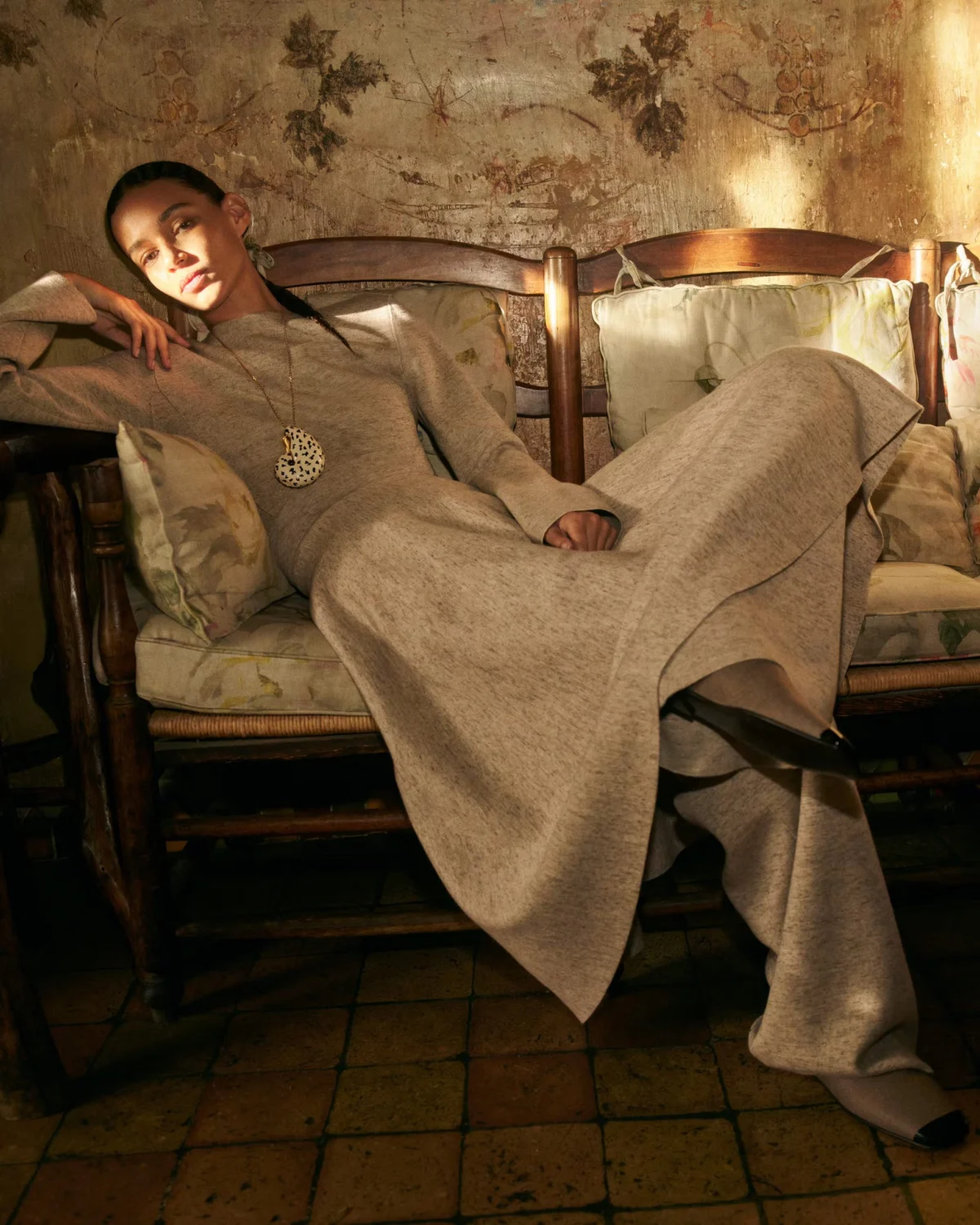
As global luxury markets navigate a period of significant structural transformation, the traditional markers of wealth are undergoing a profound recalibration. The era of the hyper-visible logo, once the primary engine of the multi-billion-dollar luxury industry, is increasingly being superseded by a more complex and intellectualized form of status. In 2026, the concept of "quiet luxury" has transitioned from a niche aesthetic trend into a foundational business strategy, where the ultimate status symbol is no longer what an individual wears, but what they know about the garment’s origin, construction, and material integrity.
This shift comes at a critical juncture for the industry. For decades, luxury houses relied on "logomania" to signal exclusivity and facilitate brand recognition across emerging markets. However, as these logos became ubiquitous and easily replicated by mass-market retailers, the world’s most affluent consumers began seeking a "stealthier" alternative. This has led to a paradoxical situation where the more recognizable a luxury item becomes, the less exclusive it is perceived to be by the very demographic it intends to serve. Today, the power of luxury lies in its legibility—or lack thereof—to the uninitiated observer.
The Mainstreaming of Discretion and the Erosion of the Logo
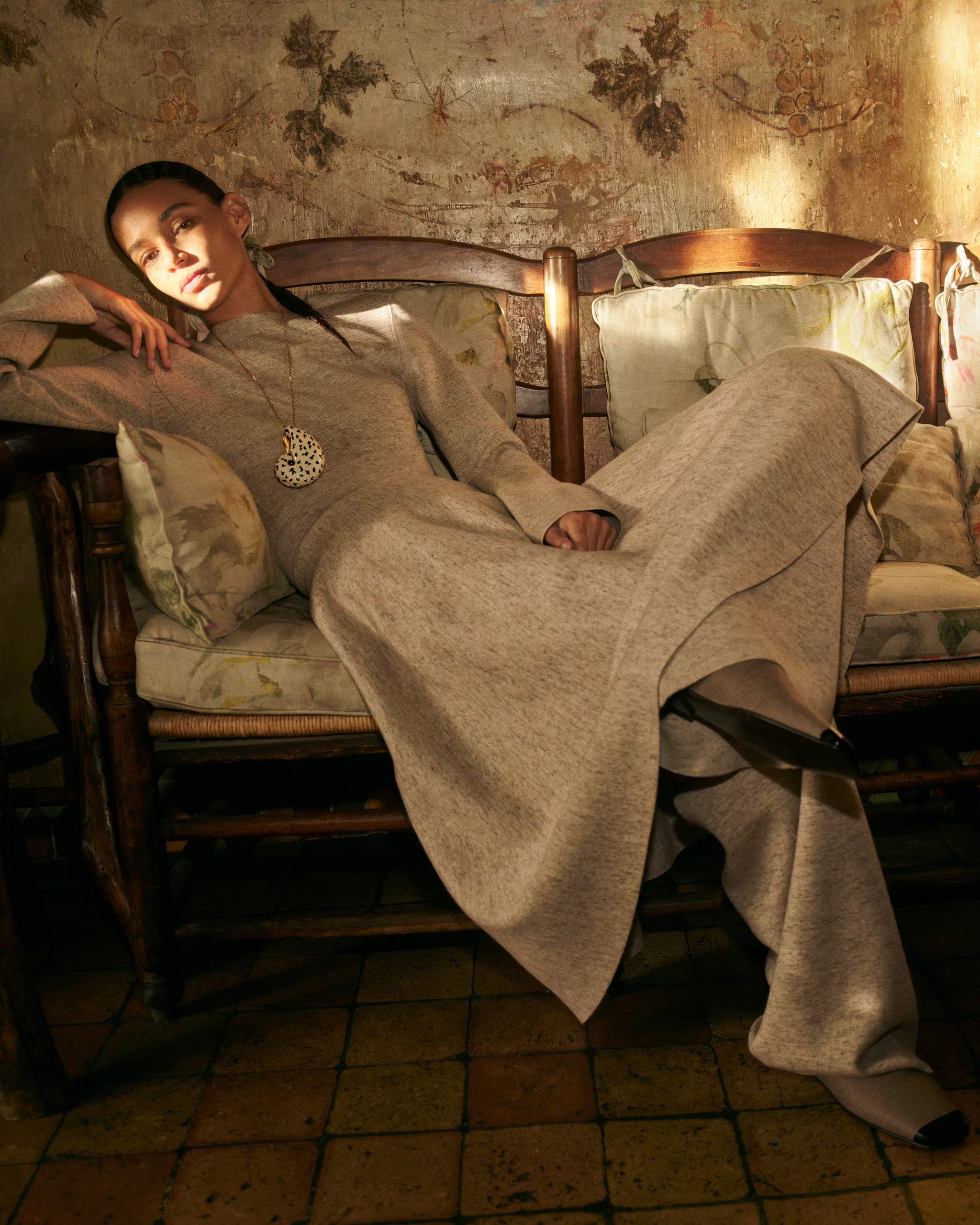
The current landscape of high-end fashion is defined by a visibility problem. The aesthetic known as quiet luxury—characterized by restrained silhouettes, exceptional fabrics, and a total absence of overt branding—has become so popular that it has developed its own recognizable visual vocabulary. From the beige cashmere sweaters of television dramas to the minimalist leather goods seen on social media, the "look" of understated wealth is now being replicated at almost every price point in the fashion hierarchy.
When a specific aesthetic becomes easy to copy, the luxury industry must look beneath the surface to maintain its value proposition. According to recent research by the Boston Consulting Group (BCG) for 2026, consumers are increasingly prioritizing "design and aesthetics," "craftsmanship," and "timelessness" over brand names. For the first time in several reporting cycles, logo visibility ranked last as a driver for luxury purchases across all major product categories. This data suggests that the "quiet" in quiet luxury is becoming more meaningful; it is no longer just about a lack of noise, but about the presence of substance that cannot be captured in a low-resolution photograph.
Recognition now requires a closer, more educated level of attention. For the modern connoisseur, the exclusivity of a piece of clothing is found in the specific weave of a fabric, the unique provenance of a fiber, or the architectural proportions of a cut. In this environment, knowledge itself becomes the new currency of the elite.
A Chronology of the Stealth Wealth Movement
To understand the current dominance of quiet luxury, one must look at the timeline of its evolution over the last decade. The movement did not appear in a vacuum; it was a measured response to the economic and social shifts of the early 21st century.
- 2010–2015: The Peak of Logomania. Following the 2008 financial crisis, luxury brands doubled down on logos to capture the growing middle class in emerging markets, particularly China. Brands like Louis Vuitton, Gucci, and Michael Kors saw massive growth driven by high-visibility branding.
- 2016–2019: The Rise of the "Anti-Fashion" Minimalist. Brands like Phoebe Philo’s Celine and The Row began to gain a cult following among industry insiders. This period established the blueprint for modern minimalism: high-quality staples that signaled "if you know, you know" (IYKYK).
- 2020–2022: Post-Pandemic Introspection. The COVID-19 pandemic accelerated a shift toward "investment pieces." Consumers, wary of fast-moving trends, began seeking longevity. This coincided with the "Succession" era of television, which popularized the term "Quiet Luxury" among the general public.
- 2023–2025: Mass Saturation and the "Dupe" Culture. As the aesthetic went viral, fast-fashion giants began producing high-quality-looking basics at a fraction of the price. This forced true luxury houses to differentiate through vertical integration and extreme artisanal specialization.
- 2026 and Beyond: The Knowledge-Based Era. Luxury enters a phase where value is tied to invisible details—traceability, material science, and personalized service—that digital images cannot convey.
Supporting Data: The Shifting Priorities of the Global Consumer
The transition toward invisible luxury is backed by substantial market data. McKinsey’s State of Fashion 2026 report highlights that repeated price increases across the luxury sector have put unprecedented pressure on consumer perceptions of value. As prices for "entry-level" luxury items rise, consumers are demanding more than just a brand name to justify the expenditure.
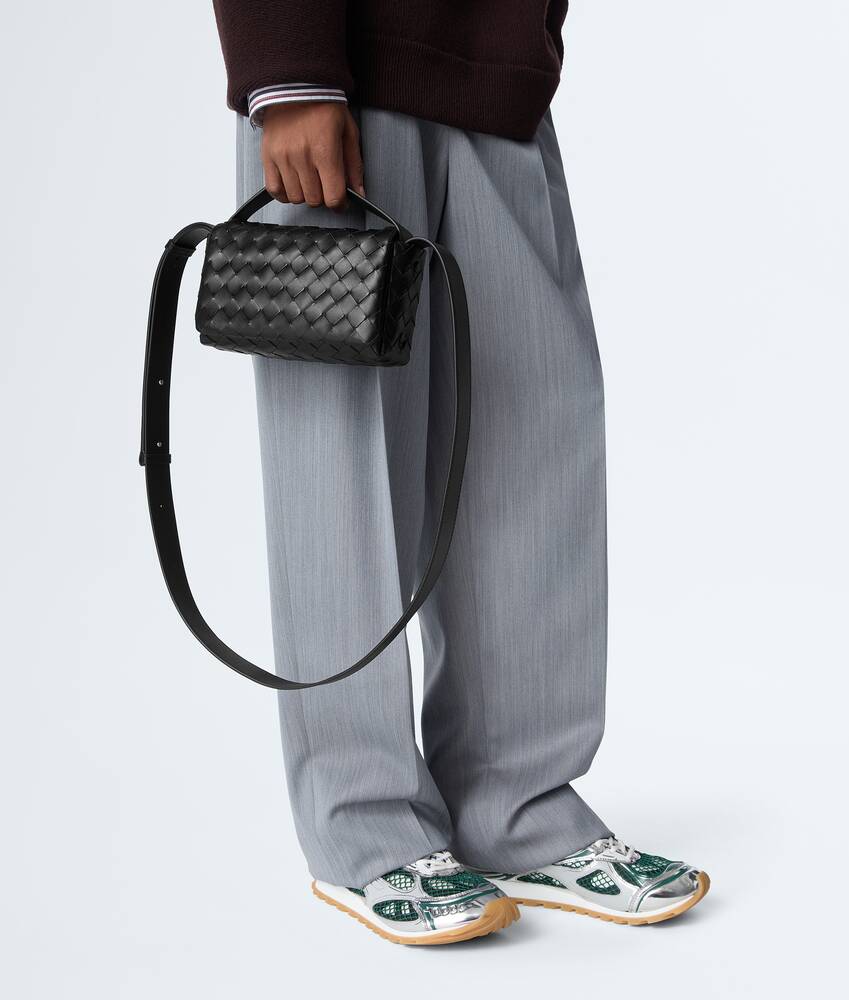
The McKinsey research suggests that in major markets like the United States and China, exclusivity is no longer defined by simple scarcity. Instead, consumers are motivated by "recognition, access, and experiences." The report notes that 62% of high-net-worth individuals surveyed expressed a preference for being recognized "by the right people rather than everyone." This psychological shift explains why a brand like Bottega Veneta can thrive without a logo; its signature Intrecciato weave serves as a secret handshake for those who understand the craft required to produce it.
Furthermore, BCG’s consumer research identifies "quality of execution" as the primary reason for repeat purchases. In a world of digital transparency, consumers are more informed than ever about the technical specifications of what they buy. They are looking for "material integrity"—a term that encompasses everything from the length of a cashmere fiber to the environmental impact of the tanning process.
Case Studies in Craftsmanship: Loro Piana and Bottega Veneta
The brands currently leading the luxury market are those that have successfully anchored their identity in specialist skills rather than visual marketing.
Loro Piana, owned by the LVMH group, serves as the gold standard for this approach. The house’s value is built on its deep, vertical involvement in the sourcing of rare fibers. For example, Loro Piana operates its own processing facilities in Ulaanbaatar, Mongolia, to manage the initial stages of cashmere production. The brand’s "Baby Cashmere," harvested from the underfleece of Hircus goat kids, is a product of extreme scarcity and specific climatic conditions. These details do not announce themselves from across a room, but they provide the wearer with a sense of tactile exclusivity that a visual replica cannot match.
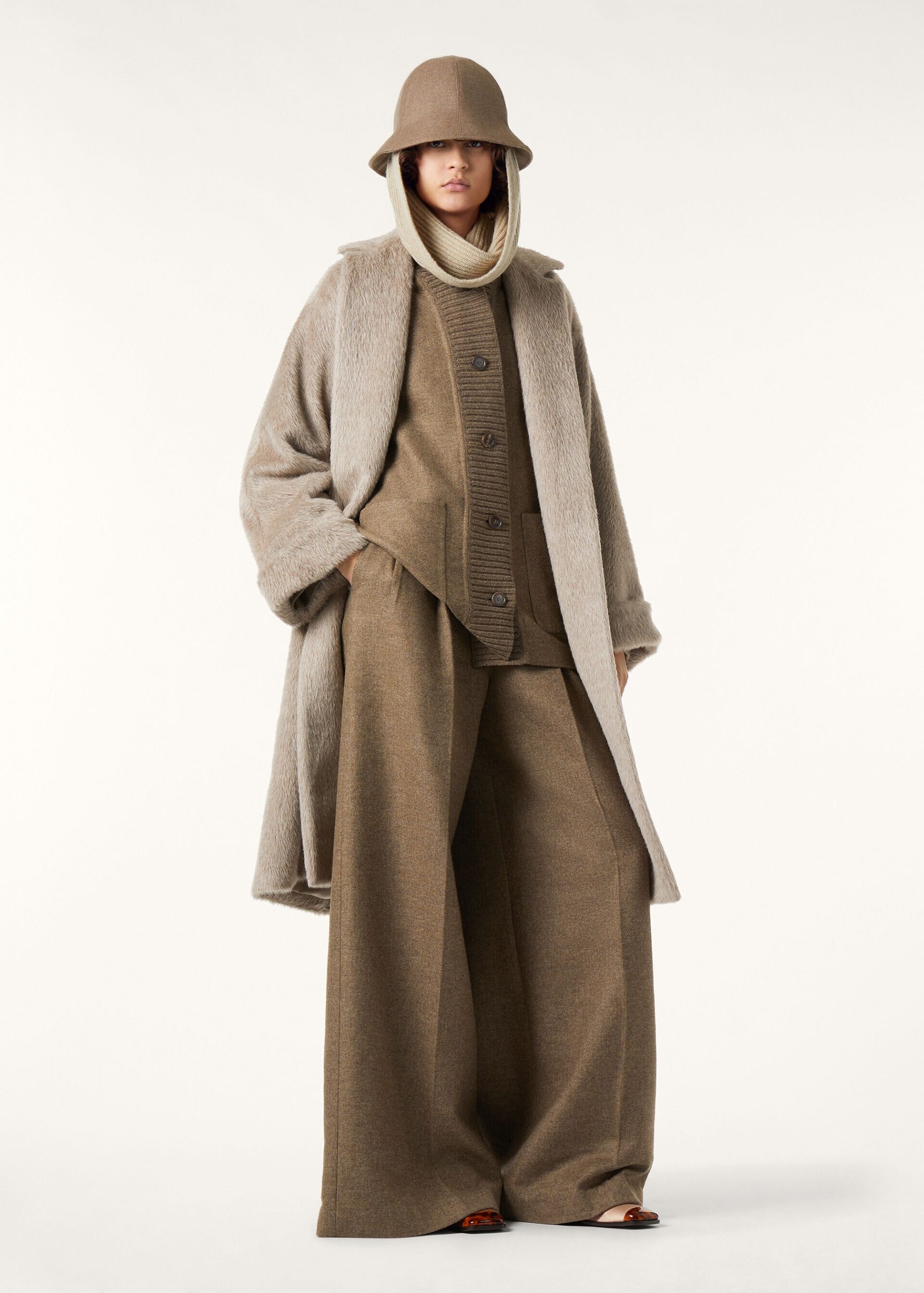
Similarly, Bottega Veneta’s reliance on the Intrecciato technique—a method of weaving leather that dates back to 1975—demonstrates how a brand code can replace a logo. By evolving the scale and treatment of the weave, the brand remains relevant without ever needing to print its name on the exterior of its products. The "status" of a Bottega Veneta bag is inherent in the labor-intensive process of its creation, making it a "loud" signal only to those who understand the technique.
Official Responses and Industry Implications
The move toward quiet luxury has forced major luxury conglomerates to rethink their manufacturing and communication strategies. In response to the growing demand for "substance," industry leaders have significantly increased their investments in supply chain transparency and artisanal training.
An executive from a leading European luxury group, speaking on the condition of anonymity, noted: "We are moving away from the era of ‘marketing a dream’ to ‘documenting a reality.’ Our clients want to see the workshop; they want to meet the artisan. They are no longer satisfied with the image of luxury; they want the proof of it."
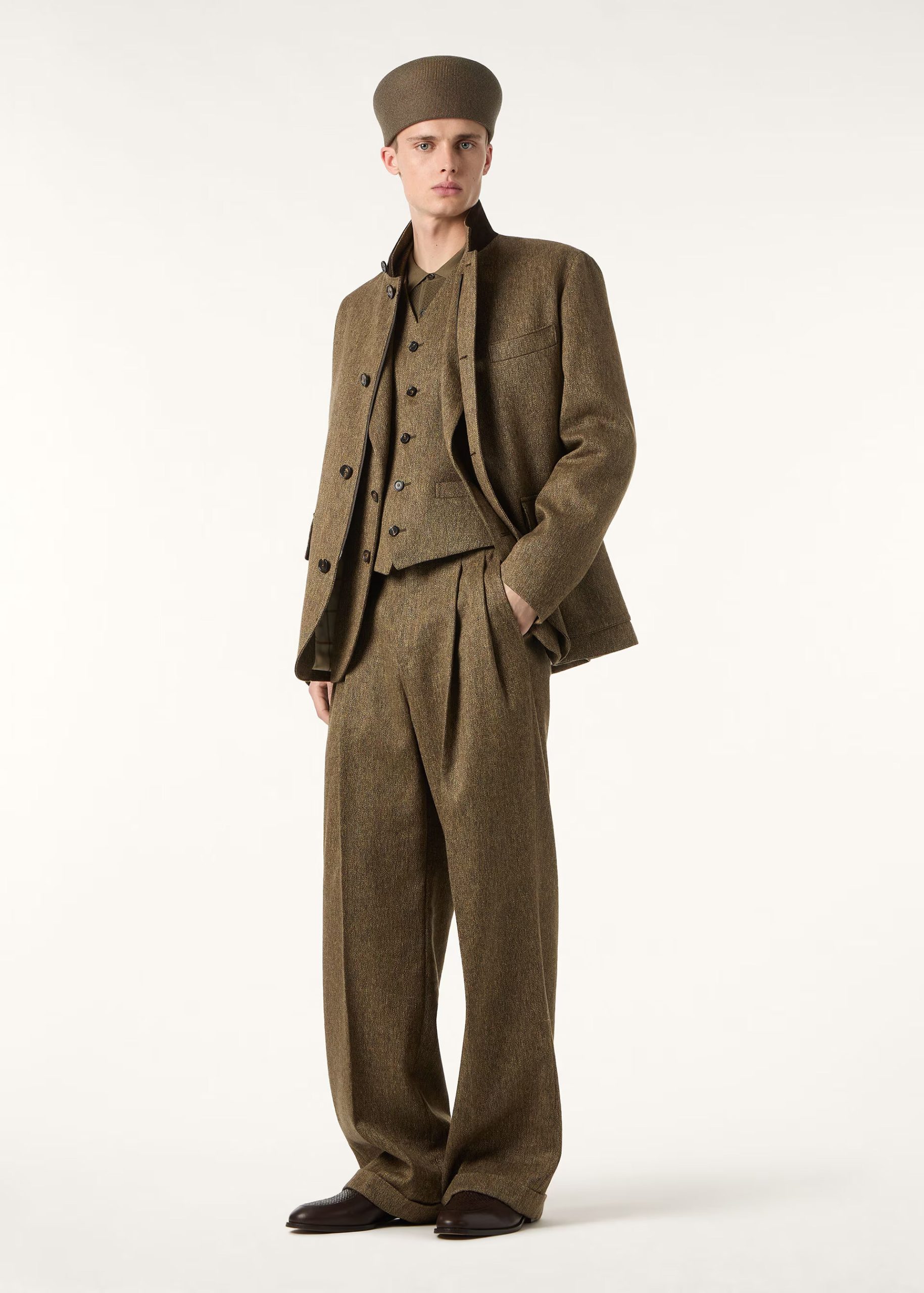
This has led to the rise of "educational luxury," where boutiques are increasingly designed to function like galleries or educational centers. Sales associates are being retrained as "brand historians" and "textile experts," capable of explaining the nuances of double-faced wool or the specific grade of a suede hide.
The Role of Technology and AI in Luxury Discovery
Ironically, as luxury becomes more "quiet" and physical, technology is playing a larger role in how it is discovered. McKinsey’s 2026 findings indicate that Artificial Intelligence (AI) is increasingly being used by consumers to vet luxury purchases. High-end buyers are using AI-driven tools to compare fiber compositions, track the resale value of specific artisanal techniques, and investigate the historical provenance of archived pieces.
The digital culture has made the "mystery" of luxury harder to maintain through concealment. Consequently, brands are finding that they must be "transparently mysterious." They provide a wealth of data about their craftsmanship to satisfy the analytical customer, while maintaining an air of exclusivity through limited access and private services.
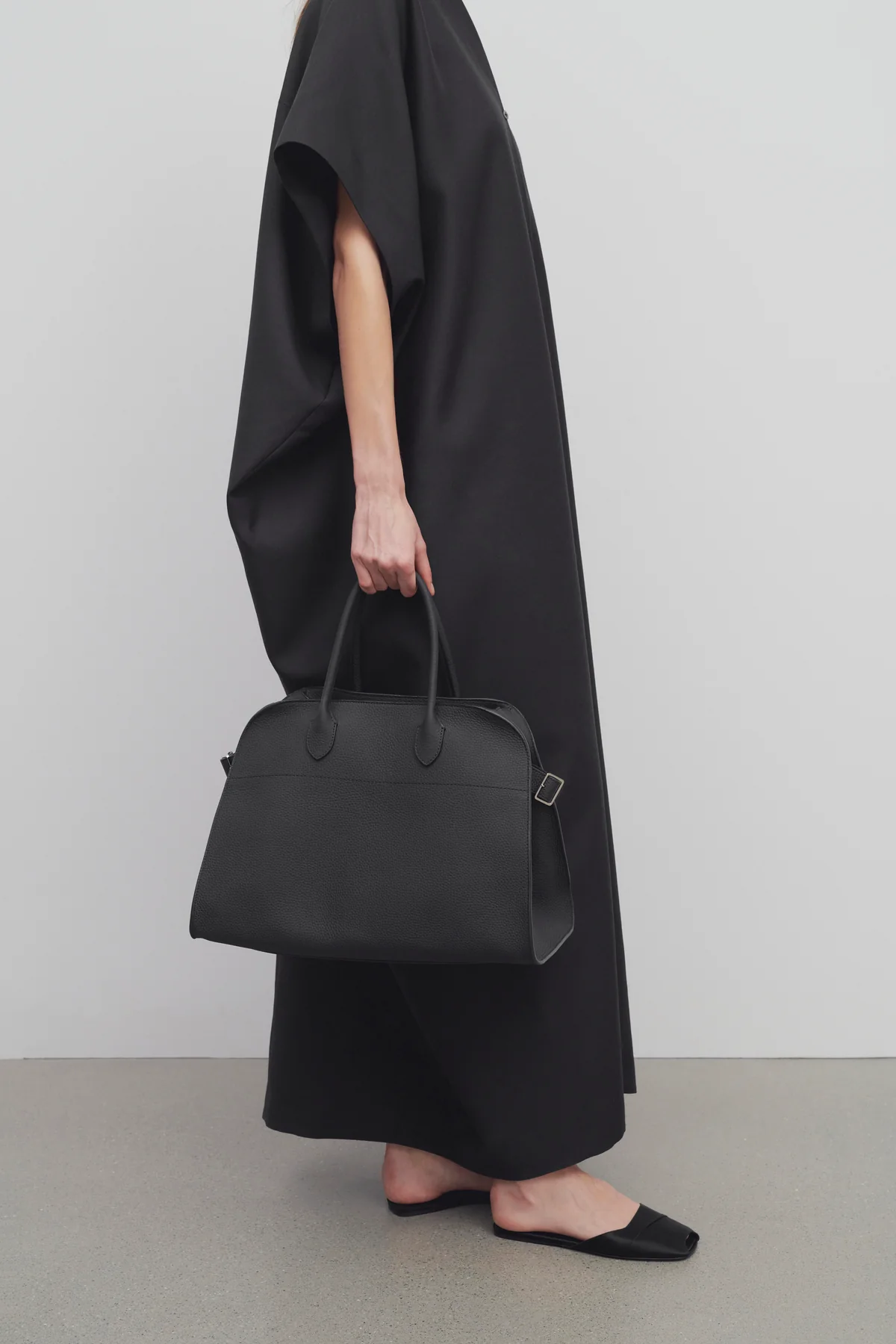
The secondary or resale market also reinforces this shift. Platforms like The RealReal and Vestiaire Collective report that "quiet" pieces from brands like The Row, Lemaire, and Loewe hold their value better than highly branded items from previous seasons. Collectors are increasingly hunting for rare, unbranded archive pieces, viewing them as more sophisticated assets than the latest "it-bag" with a prominent logo.
Beyond Appearance: Luxury as a Relationship
Perhaps the most significant implication of this shift is that luxury is moving beyond the product itself. As understated aesthetics become easier for the mass market to reproduce, the true frontier of exclusivity is the relationship surrounding the purchase.
This includes private appointments, bespoke tailoring services, and after-sales care that ensures a garment lasts for decades. These experiences cannot be photographed for social media, which is precisely why they have become the ultimate status symbol. In an age of hyper-visibility, the most luxurious thing one can possess is something—or an experience—that remains entirely private.
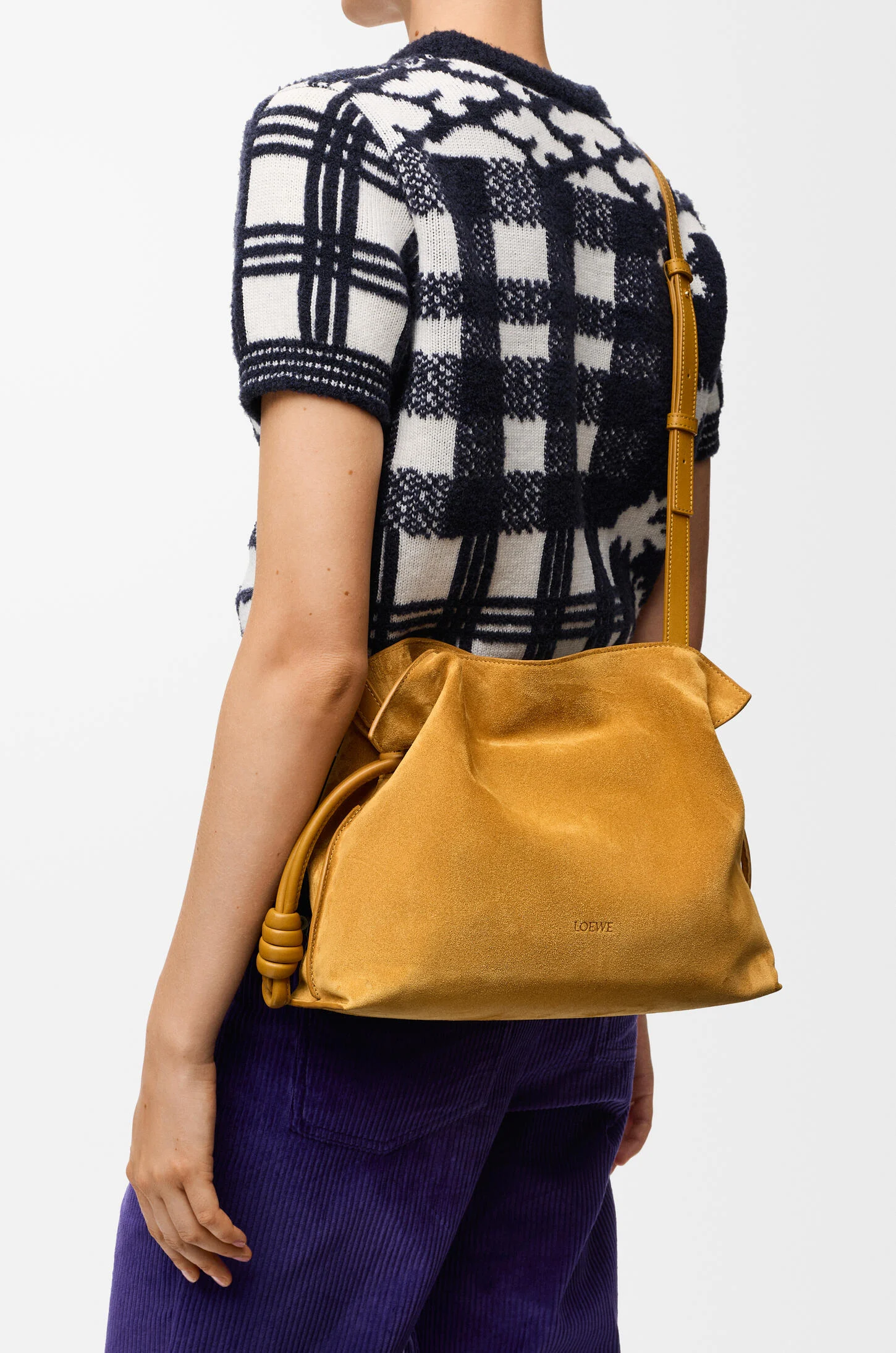
The secret of quiet luxury was never about silence for the sake of being humble. It was about choosing an audience. As the industry moves further into 2026, the brands that thrive will be those that understand that silence is not the absence of a message, but a more sophisticated way of delivering one. For the modern luxury consumer, the pleasure lies in the discovery, the quality, and the quiet satisfaction of knowing exactly why a piece matters—even if no one else does.
