
 By admin

The global luxury landscape is undergoing a fundamental transformation as the traditional emphasis on physical ownership yields to a new paradigm centered on access, experience, and community. For decades, the hallmark of high-end consumption was the acquisition of rare, tangible goods—custom-made timepieces, exotic leather handbags, and limited-edition automotive engineering. However, market data and shifting consumer behaviors indicate that the modern affluent demographic increasingly prioritizes "the experience" over "the object." This transition is fueling the rise of the membership economy, a model where value is derived not from a one-time transaction but from an ongoing, personalized relationship with a brand.
The Transformation of High-End Consumption
Historically, luxury was defined by scarcity and the permanence of possession. The acquisition of a premium product served as a marker of success and social standing, intended to last a lifetime. Today, while quality and craftsmanship remain essential, the definition of status has moved toward the intangible. According to recent reports from Bain & Company, the luxury experience market—including travel, fine dining, and personalized services—is outperforming the market for personal luxury goods.
This shift is largely driven by a demographic transition. Millennials and Generation Z, who are projected to represent 80 percent of global luxury spending by 2030, demonstrate a marked preference for "doing" over "having." For these consumers, the utility of a product is secondary to the narrative, convenience, and community access it provides. Consequently, luxury brands are reinventing themselves as service providers, creating evolving ecosystems that offer long-term value through subscription and membership models.
A Chronology of the Shift Toward Access
The transition from ownership to access has evolved through several distinct phases over the last quarter-century:

- The Heritage Era (Pre-2000s): Luxury was synonymous with legacy brands and the "investment piece." Possession was the ultimate goal, and exclusivity was maintained through high price points and limited retail footprints.
- The Digital Disruption (2000–2010): The rise of e-commerce began to democratize access to information about luxury brands. However, the focus remained on the purchase of physical items, albeit through more convenient digital channels.
- The Rise of the Sharing Economy (2010–2020): Platforms like Rent the Runway and various private jet sharing services introduced the concept that one could enjoy luxury without the burdens of maintenance, storage, or depreciation. This period saw the first significant decoupling of "status" from "title deed."
- The Membership Revolution (2020–Present): Post-pandemic consumer behavior has accelerated the demand for meaningful, high-touch interactions. Luxury is now viewed as a gateway to exclusive communities and bespoke services, where memberships act as a "digital key" to a curated lifestyle.
Supporting Data and Market Insights
The economic rationale for the membership model is robust. Industry analysts note that the cost of acquiring a new customer is significantly higher than retaining an existing one. By shifting to a membership model, brands can secure recurring revenue streams while gathering high-fidelity data on consumer preferences.
Research from McKinsey & Company highlights that "personalization" is the primary driver of loyalty in the modern luxury sector. Approximately 70 percent of luxury consumers expect brands to provide personalized experiences. Membership models facilitate this by providing a framework for continuous data collection. Every interaction within a membership ecosystem—whether it is a preferred seat on a flight or a specific dietary requirement at a resort—allows the brand to refine its offering, creating a virtuous cycle of value that traditional retail cannot match.
Furthermore, the "Convenience Economy" has become a subset of the luxury market. In an increasingly volatile and time-poor world, the ability to outsource decision-making to a trusted brand is considered a high-value service. Membership programs that offer concierge services, streamlined booking processes, and curated selections are essentially selling "time"—the ultimate luxury.
Industry-Specific Applications: Travel, Finance, and Beyond
The hospitality and travel sectors were among the first to successfully pivot toward this model. While airlines and hotels have long utilized loyalty programs, the modern iteration of these schemes has evolved into comprehensive lifestyle memberships. Brands like Aman and Soho House have demonstrated that consumers are willing to pay significant initiation and annual fees not just for a room, but for the right to belong to a specific social stratum and to access a global network of "homes away from home."
The financial services sector has also adopted this strategy to deepen client relationships. Traditional banking is being augmented by premium membership rewards programs, such as SoFi Plus, which integrate basic financial utility with broader lifestyle benefits. These programs move beyond transaction-based rewards to offer holistic support for a consumer’s financial goals, providing lower interest rates, higher yields, and exclusive access to financial planning. In this context, the bank is no longer just a repository for capital but a partner in the member’s long-term prosperity.

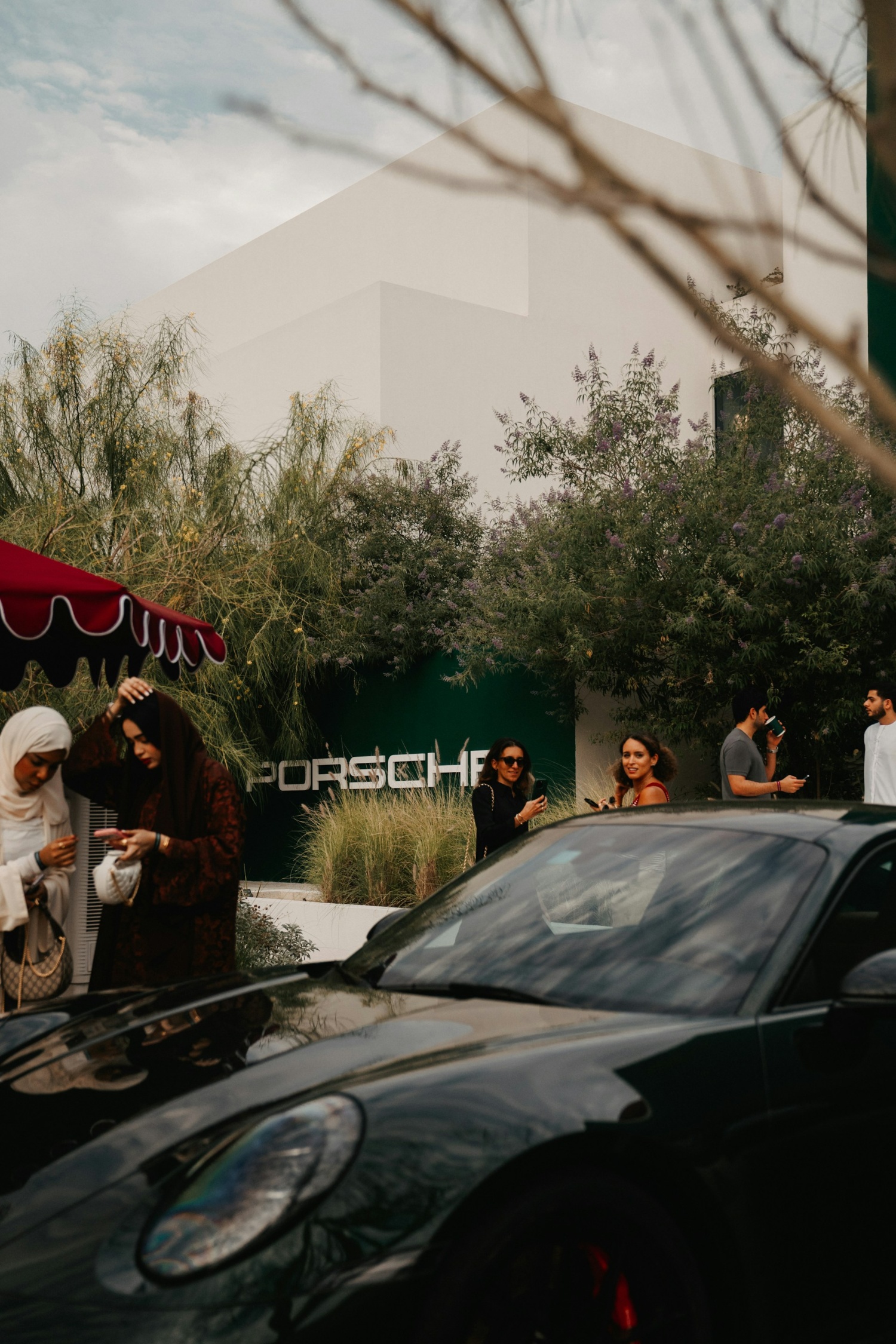
Even the automotive industry, long the bastion of the "ownership" model, is experimenting with subscriptions. Brands like Porsche and Volvo have introduced programs where members can swap vehicles based on their immediate needs—a sports car for the weekend and an SUV for a family excursion—thereby providing the benefits of a diverse fleet without the logistical hurdles of multiple ownerships.
The Role of Community and Social Capital
A critical, yet often overlooked, component of the membership model is the provision of social capital. Modern luxury consumers frequently seek out brands that align with their personal values and provide a sense of belonging. Membership in an exclusive club or a brand-led community offers a way to connect with like-minded individuals who share similar interests in fashion, technology, sustainability, or philanthropy.
Psychologically, the move toward membership addresses the human need for inclusion. However, exclusivity alone is no longer a sufficient value proposition. For a membership to remain viable, the "community" must offer tangible networking opportunities or intellectual enrichment. Status is no longer derived from merely being "in the room," but from the quality of the interactions that occur within that room.
Technological Integration and Future Implications
The future of luxury memberships is inextricably linked to technological advancement. Artificial Intelligence (AI) and machine learning are expected to play a pivotal role in the next generation of service delivery. By analyzing vast amounts of member data, AI can predict consumer needs before they are explicitly stated, allowing brands to offer "proactive luxury."
For example, a luxury travel membership might use AI to identify that a member’s anniversary is approaching and automatically suggest a curated itinerary based on their previous travel history, preferred climate, and culinary tastes. This level of hyper-personalization transforms the brand from a service provider into an indispensable life partner.
Additionally, the integration of blockchain technology and Non-Fungible Tokens (NFTs) is beginning to provide a digital layer to memberships. These technologies allow for secure, transferable, and verifiable proof of membership, which can be used to grant access to both physical events and exclusive digital realms (the metaverse).
Analysis of Broader Impacts
The shift toward an access-based luxury economy has significant implications for the global market. Firstly, it encourages a more sustainable form of consumption. Ownership often leads to underutilization of assets; access models, such as luxury car sharing or high-end fashion rentals, maximize the lifecycle of a product, aligning with the growing consumer demand for environmental responsibility.
Secondly, it changes the competitive landscape. Traditional luxury houses must now compete not only with each other but also with tech-enabled startups that can offer superior convenience and personalization. This competition is driving a wave of innovation across the sector, as heritage brands are forced to digitize their offerings and rethink their customer engagement strategies.
Finally, the membership model redefines brand loyalty. In the ownership era, loyalty was often fleeting, ending once the transaction was complete. In the membership era, loyalty is the product itself. Brands that can successfully foster a sense of belonging and provide consistent, evolving value will enjoy a level of customer "stickiness" that was previously unattainable.
Conclusion: The Value of Being Included
As the global economy continues to evolve, the concept of luxury will remain a fluid one. However, the current trajectory suggests that the era of conspicuous ownership is being eclipsed by the era of meaningful access. Membership programs are at the forefront of this change, offering a blend of convenience, personalization, and community that traditional products cannot replicate.

The success of these models hinges on the delivery of genuine value. Consumers are increasingly discerning, and they will only continue to invest in memberships that tangibly improve their quality of life. In the modern world, having something is no longer the ultimate goal; being part of something—a community, a service, or a shared experience—has become the true hallmark of luxury. Membership is not merely a new way to buy; it is a new way to live.
