
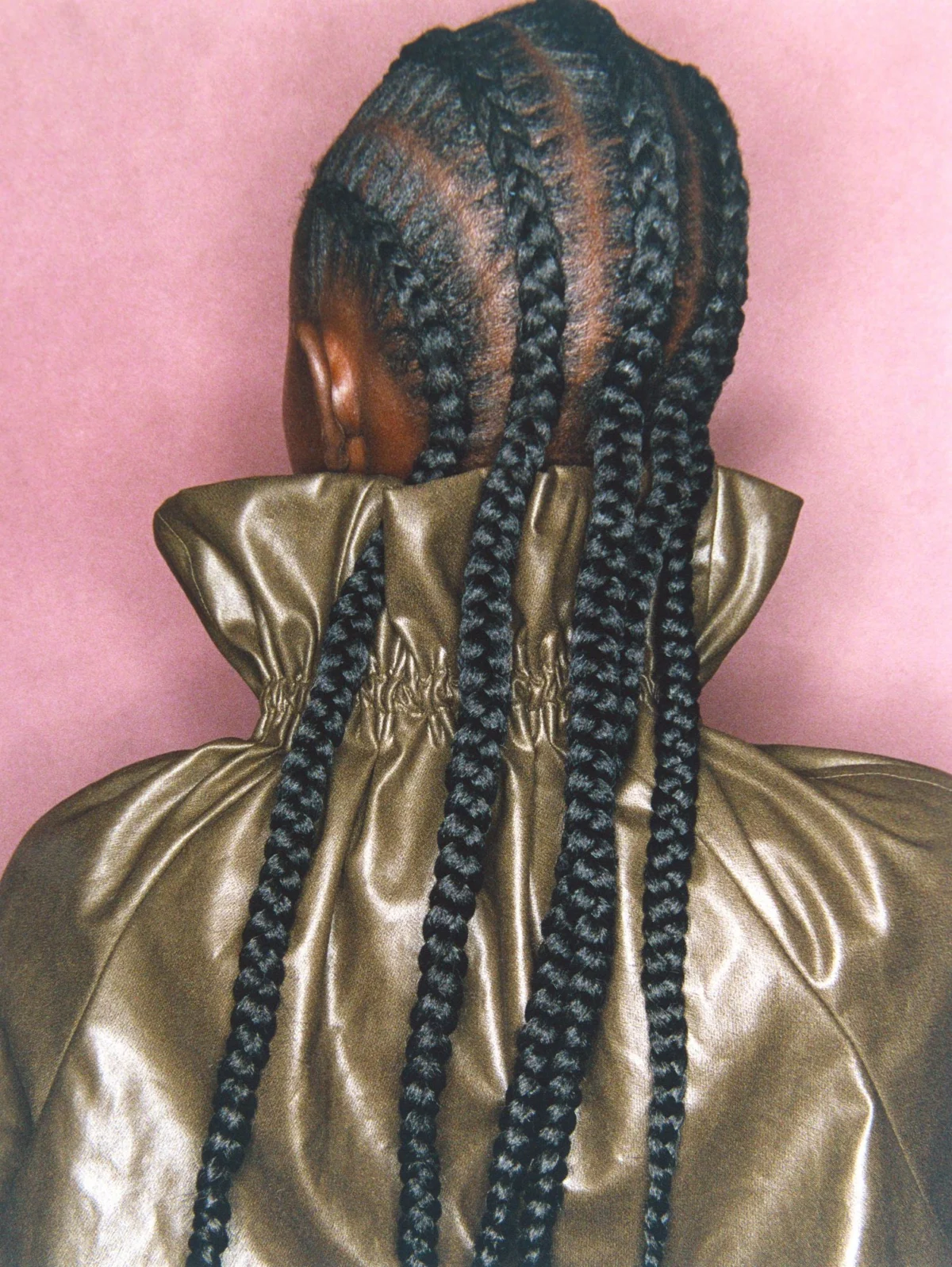
When you emerge from the salon with freshly installed braids, the feeling is often one of triumphant beauty. The clean lines, the polished edges, and the undeniable sense of confidence are intoxicating. Many envision weeks of effortless styling, a welcome reprieve from the demands of regular wash days. However, dermatologists and hairstylists alike are urging a crucial re-evaluation of this common assumption. Far from being a break from hair care, wearing braids necessitates a diligent approach to cleansing, with skipping washes potentially leading to detrimental effects on both scalp and hair health.
"When executed correctly, braids serve as an exceptional protective style, fostering moisture retention and promoting overall hair vitality," explains Dr. Zoë Indigo, a board-certified dermatologist based in Los Angeles. She notes that braids are particularly beneficial during the winter months, a period when indoor heating systems can drastically reduce atmospheric moisture, leading to dry skin and brittle hair. The insulating nature of braids can help to preserve precious moisture, creating a conducive environment for hair health.
The theoretical benefit of braids as a moisture-retaining cocoon is well-established. However, a significant pitfall arises when individuals neglect the accumulation of buildup on their scalp. "The natural hair at the scalp requires regular washing even when braids are installed," states Dr. Ellen Marmur, a board-certified dermatologist in New York City. "This practice ensures a healthier, cleaner scalp, significantly reduces the risk of infections, and helps to mitigate the absorption of certain chemicals present in synthetic braiding hair." The scalp, much like the skin on the rest of the body, requires exfoliation and cleansing to remain healthy and to prevent the proliferation of bacteria and fungi.
Dr. Naana Boakye, a board-certified dermatologist in New Jersey, recommends a minimum of weekly scalp cleansing to effectively remove product residue and allow the scalp to breathe. While spot cleansing can offer temporary relief, it is not a substitute for a thorough wash. Experts generally advise a full wash no later than four weeks after installation, with a two-week interval being the optimal timeframe for the initial cleansing. This proactive approach prevents the development of scalp conditions and ensures the longevity and aesthetic appeal of the braided style.
Understanding the necessity of washing while your hair is braided, the following expert guidance outlines a comprehensive strategy for effectively cleansing your scalp and hair, alongside product recommendations designed to maintain hydration, scalp health, and the integrity of your braids.
Step 1: The Crucial Cleanse
For those who have indulged in extended periods without washing, particularly with the liberal application of styling products, a clarifying shampoo is the most effective starting point. These formulations are designed to deeply cleanse the scalp and hair, effectively lifting away stubborn product buildup from gels, oils, and other styling aids.
Dr. Whitney Tolpinrud, a board-certified dermatologist in San Diego, recommends shampoos containing active ingredients such as ketoconazole, selenium sulfide, or zinc pyrithione. These ingredients are lauded for their potent deep-cleaning properties and their efficacy in combating scalp issues. The Mizani Scalp Care Anti-Dandruff Shampoo, formulated with zinc pyrithione, is a notable option, further enhanced by the inclusion of soothing peppermint and cucumber oils. Another excellent choice is the Carol’s Daughter Wash Day Delight Shampoo, which features a precision nozzle applicator, facilitating direct and targeted application to the scalp, ensuring thorough cleansing even in the intricate spaces between braids.
Mizani
Scalp Care Anti-Dandruff Shampoo
Carol’s Daughter

Wash Day Delight Sulfate-Free Shampoo With Aloe
To effectively cleanse the scalp within the braids, Brendnetta Ashley, a seasoned hairstylist based in San Francisco, recommends utilizing a clean edge brush with a small amount of shampoo applied. "Gently work the brush over your scalp, navigating between the parts to ensure a thorough cleanse," she advises. This targeted approach helps to dislodge any accumulated debris without overly disturbing the braid structure.
An innovative technique to further protect against frizz during washing involves the use of a wig cap. Ashley explains, "I find this hack invaluable because using bare hands or fingernails can risk disrupting the braids excessively." By placing a wig cap on the head while leaving the length of the braids exposed, one can effectively lather shampoo and cleanse the scalp. The wig cap acts as a barrier against friction, yet it is sufficiently thin to allow the shampoo to reach the scalp effectively. This method ensures a clean scalp while minimizing the potential for frizz and unraveling.
Ashley also emphasizes the importance of paying particular attention to the hairline and edges, areas where product buildup from daily edge control application is often most pronounced. Following the shampooing process, a thorough rinse is paramount. Ashley suggests that the cleansing is complete when the water runs clear as you rinse your scalp.
A common concern associated with washing braids is the perceived difficulty and time required for drying, along with the potential for hair to feel heavy and damp. To circumvent this, a strategic rinsing technique is recommended: focus the water flow on the scalp and roots. A handheld shower attachment proves exceptionally useful for this purpose. By leaning the head upside down in the shower or tub, carefully holding the braids upwards, one can direct the water flow precisely to the scalp. This maneuver minimizes water contact with the lengths of the braids, thereby reducing drying time. An alternative method involves using a bucket of water in the same upside-down position.
Step 2: The Art of Drying
Frizz is an unwelcome consequence that can arise from excessive friction during both the washing and drying phases. T. Cooper, a hairstylist in New York City, cautions against the common practice of vigorously rubbing wet hair with a towel. "Instead, gently place your braids into the towel and carefully wring out the excess water," she advises. The use of a microfiber towel, such as the award-winning Volo Hero Towel, can further aid in minimizing frizz. Microfiber’s fine fibers and smooth surface are engineered to absorb water efficiently, allowing for a less frictional drying process.
Volo
Hero Hair Towel
The urgency in ensuring braids are dried thoroughly cannot be overstated. Prolonged dampness or moisture retention can create an environment conducive to mold and bacterial growth on the scalp. Cooper grimly recounts, "Moldy box braids are definitely a thing. I found out the hard way." This underscores the critical importance of complete drying to prevent potential scalp infections and odor.
While air-drying is an option, it is essential to wring out as much excess water as possible immediately after washing and to allow for adequate air circulation to ensure the scalp and roots dry completely. For a more expedient and thorough drying process, using a blow-dryer after towel-drying and applying a leave-in conditioner is highly recommended.
Step 3: The Hydrating Condition
Once the cleansing and initial drying phases are complete, the focus shifts to moisturizing the braids, particularly the scalp and roots. A traditional rinse-out conditioner is generally not necessary for the braided hair itself. "Braids are adept at retaining moisture," Dr. Indigo observes. "By grouping strands together, braids minimize exposure to air, which consequently slows down water loss." Therefore, the primary need is to moisturize the scalp and roots, rather than the entirety of the braided hair. A leave-in conditioner serves this purpose effectively, providing hydration to the scalp and roots without introducing the friction associated with massaging and rinsing a heavier conditioner.

