
 By Jia Lissa
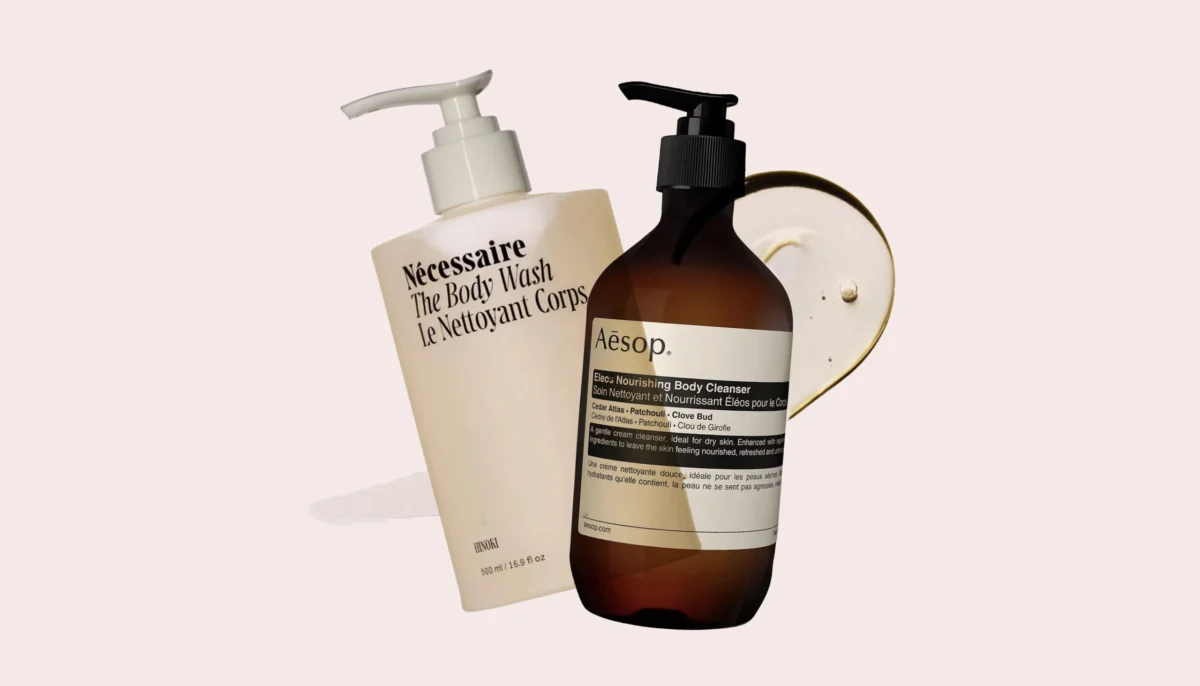
Understanding the nuances of body wash is crucial for maintaining optimal skin health, a subject explored by dermatologists and cosmetic chemists who emphasize that while convenient, these cleansing agents require careful consideration. The common question of whether body wash can be used on the face often elicits a firm "generally, no" from experts. Facial skin, they explain, possesses a distinct biological makeup compared to the skin on the rest of the body. It is typically thinner, harbors a greater density of oil glands, and exhibits a heightened sensitivity to external stimuli, making it more susceptible to reactions. Consequently, the robust cleansing agents and often potent fragrances found in many body washes can prove excessively harsh for the delicate facial complexion, potentially exacerbating conditions such as dryness or irritation. Even targeted formulations, like benzoyl peroxide body washes designed for acne treatment, can be overly intense for facial application. However, a notable exception exists: Dr. Han, a dermatologist, clarifies that a gentle, fragrance-free cleanser explicitly labeled for both facial and bodily use is a safe and effective option for a head-to-toe cleansing routine.
Navigating the Landscape of Body Wash Selection
The selection of an appropriate body wash hinges on individual preferences and specific skincare objectives. Unlike traditional bar soaps, many modern body washes are formulated with active ingredients engineered to address a range of dermatological concerns, including acne, eczema, and dry skin. Dr. Olga Bunimovich, a board-certified dermatologist, advises patients dealing with acne to consider products containing salicylic acid or benzoyl peroxide, ingredients known for their exfoliating and antibacterial properties. Conversely, individuals with eczema are cautioned against these same ingredients due to their potential to cause irritation. Instead, they are encouraged to seek out formulations rich in moisturizing components such as natural oils, ceramides, and glycerin, which help to replenish and fortify the skin barrier. Dr. Melissa Piliang, another board-certified dermatologist, echoes the sentiment of prioritizing fragrance-free options, as fragrances are a common culprit for skin irritation. However, she acknowledges that for individuals whose skin tolerates fragrance well, incorporating scented body washes into their routine is acceptable, provided they are mindful of any adverse reactions.
The prevalence of specific skin conditions further informs body wash choices. For instance, the global market for acne treatments, which often includes body washes with targeted ingredients, has seen significant growth. Reports indicate that the acne treatment market alone is projected to reach billions of dollars in the coming years, underscoring the widespread need for effective solutions. Similarly, the eczema market, encompassing a range of therapeutic products, also represents a substantial segment, highlighting the ongoing demand for gentle and effective skincare. The inclusion of ingredients like salicylic acid, a beta-hydroxy acid, is backed by scientific research demonstrating its efficacy in penetrating pores and exfoliating dead skin cells, a key mechanism in managing acne. Benzoyl peroxide, an antimicrobial agent, works by killing acne-causing bacteria and reducing inflammation. On the other hand, ceramides, a type of lipid, are essential components of the skin’s natural barrier, and their replenishment is vital for retaining moisture and preventing irritation in conditions like eczema. Glycerin, a humectant, draws water into the skin, contributing to its hydration and suppleness.
Optimizing Body Wash Application for Skin Health
The application of body wash, while seemingly straightforward, requires a measured approach to prevent potential skin issues. Dr. Piliang cautions against excessive use, noting that over-application can lead to dryness and irritation, particularly during the winter months when the skin’s natural moisture levels are already diminished. The practice of taking hot showers and baths can exacerbate this problem, as hot water has a propensity to strip the skin of its essential natural oils. To mitigate these effects, Dr. Bunimovich recommends limiting showers to once daily and utilizing lukewarm water. Following cleansing, the application of a moisturizer is crucial for replenishing lost hydration and reinforcing the skin’s protective barrier. Furthermore, particular attention should be paid to washing the skin folds, as these areas can harbor bacteria. The repeated advice against using body wash as a facial cleanser stems from its potential to clog pores and aggravate existing acne.
The impact of shower water temperature on skin health is a well-documented phenomenon. Studies have shown that prolonged exposure to hot water can disrupt the skin’s lipid barrier, leading to increased transepidermal water loss and a compromised ability to retain moisture. This makes the skin more vulnerable to irritants and allergens. The frequency of showering also plays a role. While daily showers are generally recommended for hygiene, excessive washing, especially with harsh cleansers, can strip the skin of its natural microbiome, which is essential for maintaining a healthy skin ecosystem. The role of moisturizers post-cleansing cannot be overstated. They act as emollients, humectants, and occlusives, working in synergy to hydrate, soften, and protect the skin. Ingredients commonly found in moisturizers, such as hyaluronic acid, shea butter, and various plant-derived oils, contribute to these benefits.
Identifying Allergic Reactions to Body Wash
Recognizing an allergic reaction to body wash requires understanding its presentation, which can differ from reactions to other beauty products. Dr. Daniel Belkin, a board-certified dermatologist, explains that while typical allergic contact dermatitis from a beauty product often manifests as a localized, red, and itchy rash at the point of contact, an allergy to body wash presents differently. Because body wash is applied and washed off over a larger surface area, the resulting rash is typically more diffuse and patchy, often sparing the face, as it is commonly applied from the neck downwards.
It is important to distinguish between allergic and irritant contact dermatitis, as they can present with similar symptoms but have different underlying causes. Dr. Mona Gohara, a board-certified dermatologist, clarifies that irritant contact dermatitis is not an allergic response but rather a reaction caused by harsh ingredients, such as soap-based surfactants with a high pH, that disrupt the skin’s barrier function. Regardless of the specific cause, if persistent redness or irritation is observed after using a body wash, discontinuing its use and consulting a dermatologist is advisable. Dermatologists can perform patch testing to identify specific allergens and recommend appropriate treatment strategies.
The prevalence of contact dermatitis is significant, with estimates suggesting that millions of individuals experience this condition annually. The economic burden associated with managing such conditions, including medical consultations and over-the-counter treatments, is substantial. Understanding the difference between allergic and irritant reactions is crucial for effective management. Allergic reactions involve the immune system’s response to a specific allergen, leading to the release of histamine and other inflammatory mediators. Irritant reactions, on the other hand, are a direct chemical or physical damage to the skin barrier. Identifying trigger ingredients, such as certain preservatives, fragrances, or surfactants, is key to preventing future reactions.
The Lifespan of Body Wash: Expiration and Degradation
Like most skincare products, body wash has a finite shelf life and can expire. Jim Hammer, a cosmetic chemist, advises discarding products past their expiration dates. Signs that a body wash has surpassed its prime include changes in color, a diminished or unpleasant odor, and a less desirable texture, all of which can compromise its efficacy and safety. Using expired body wash may not only be less effective but could also lead to skin irritation or infection if the product has degraded and its preservatives have lost their potency.
The expiration of skincare products is influenced by several factors, including the stability of the ingredients, the packaging, and storage conditions. Preservatives are essential for preventing microbial growth, and their effectiveness wanes over time. The chemical compounds within the formulation can also degrade, leading to changes in their properties. For instance, antioxidants can become oxidized, and emulsifiers can separate, altering the product’s consistency. Manufacturers typically provide an expiration date or a period-after-opening (PAO) symbol to guide consumers. Adhering to these guidelines helps ensure that products are used at their optimal performance and safety levels.
Allure’s Rigorous Testing and Review Process
Allure employs a comprehensive methodology for testing and reviewing beauty products, including body washes. This process involves a meticulous examination of product ingredients, a critical evaluation of brand claims, and, where relevant, a review of peer-reviewed scientific and medical studies. Each product undergoes extensive testing by the editorial team, comprising in-house writers and editors, as well as external contributors. The expertise of leading dermatologists and cosmetic chemists is also leveraged to vet ingredients and formulations.
For their evaluations of body washes, Allure considers performance across four primary categories: product ingredients and efficacy, fragrance, texture, and suitability for various skin concerns. Products that excel in all these areas are recognized. The editorial team’s assessments are further informed by the insights of board-certified dermatologists, ensuring a well-rounded and authoritative review. The publication’s commitment to transparency is demonstrated through its detailed reviews process and methodology page, which outlines the rigorous standards applied to all product evaluations.
The diversity of Allure‘s testing panel is a cornerstone of its review process. Recognizing that beauty products are personal purchases, the publication ensures that its recommendations are applicable to a broad spectrum of individuals. This includes gathering feedback from testers of various ages, skin tones, hair textures, genders, and backgrounds. This inclusive approach aims to provide fair and comprehensive assessments, ensuring that a product deemed "best" is truly so for a diverse user base. For example, evaluating a skincare product for mature skin would involve testers over 50, while assessing a hair product would include individuals with different hair textures, such as curls. This commitment to a wide range of perspectives is integral to Allure‘s mission of helping consumers make informed purchasing decisions.
