
 By Jia Lissa
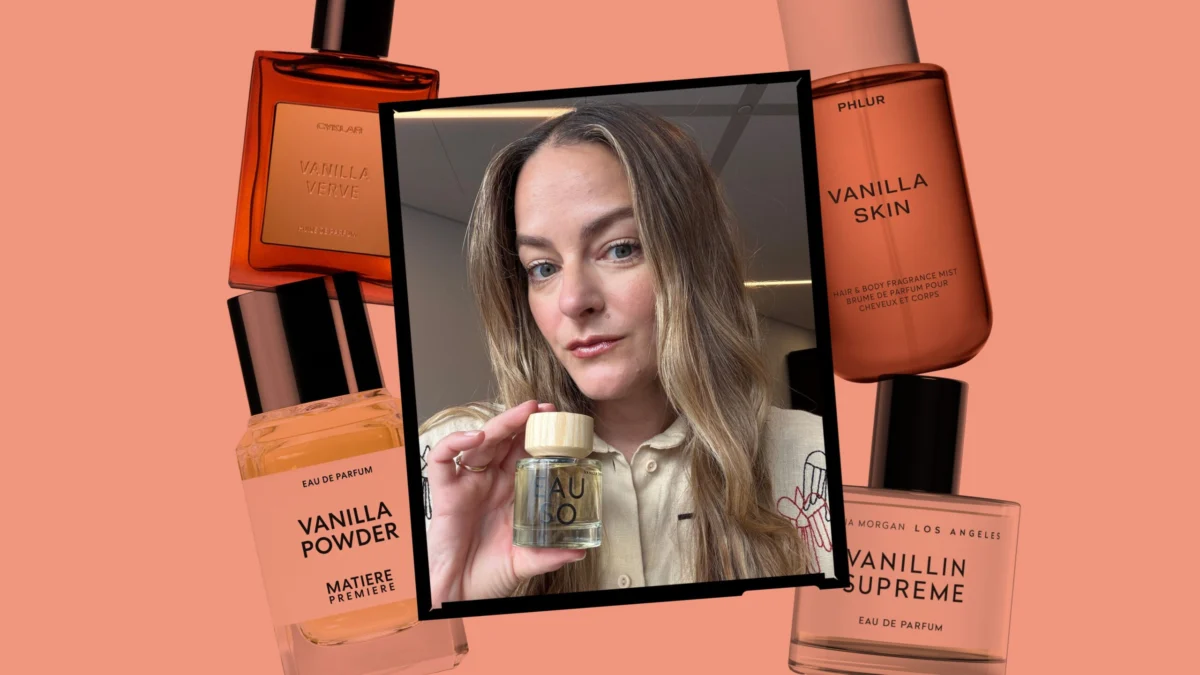
The beloved aroma of vanilla, a staple in perfumery and a scent synonymous with comfort and warmth, possesses a fascinating characteristic: it smells distinctly different on everyone. This phenomenon, far from being a mere quirk, is rooted in a complex interplay of individual biology, environmental factors, and the very science of olfaction. Delphine Jelk, Guerlain’s master perfumer and creative director of fragrance, illuminates this captivating aspect of scent, explaining that the personalized perception of vanilla, and indeed many other perfume notes, is a direct consequence of our unique biological makeup.
The Symphony of Skin Chemistry and Scent
At the heart of this olfactory individuality lies the unique composition of each person’s skin. Natural skin oils, often referred to as sebum, vary significantly from person to person in their chemical makeup and production levels. These oils act as a natural primer for fragrance, interacting with the volatile organic compounds that constitute perfume. "Depending on one’s own scent, natural skin oils, and pH, perfume notes can be brought out differently because everyone’s skin composition is unique," states Jelk. This means that the same vanilla molecule, when applied to different individuals, can be broken down and perceived in subtly, or sometimes dramatically, altered ways.
The skin’s pH level is another critical factor. The slightly acidic nature of healthy skin, typically ranging between 4.5 and 5.5, can influence how fragrance molecules bind and evaporate. A more acidic skin pH might cause certain notes, like the sweet and creamy aspects of vanilla, to be perceived as sharper or spicier. Conversely, a less acidic pH might allow the sweeter, richer facets of vanilla to dominate. This nuanced interaction explains why one person might experience a vanilla fragrance as intensely sweet and dessert-like, while another perceives it as warmer, more resinous, or even subtly leathery.
Beyond the static elements of skin chemistry, dynamic physiological factors also contribute to the scent variation. Body temperature plays a significant role in the diffusion and evaporation of fragrance molecules. "Body temperature can also play a role, as warmer skin can intensify certain base notes, vanilla and amber being two examples," Jelk elaborates. Higher body temperatures accelerate the evaporation of volatile compounds, leading to a more pronounced and sometimes more complex scent profile. This is particularly true for base notes, which are designed to be long-lasting and often form the foundation of a fragrance. Vanilla and amber, known for their rich, warm, and often sweet characteristics, are prime examples of notes that can be amplified by increased body heat. This explains why a vanilla scent might feel more potent and enveloping during a warm summer day or after physical activity, compared to its performance in cooler conditions.
The Evolution of Vanilla in Perfumery
The journey of vanilla as a scent ingredient is as rich and complex as its aroma. Originating from the pods of the vanilla orchid, primarily Vanilla planifolia, its extraction and refinement have been a painstaking process for centuries. Initially, its use was limited to flavoring, with its aromatic properties recognized later. The development of synthetic vanillin in the late 19th century, pioneered by chemists like Wilhelm Haarmann and Ferdinand Tiemann, democratized the scent and made it more accessible in perfumery. However, natural vanilla extract, with its myriad of over 200 aromatic compounds, still offers a depth and complexity that synthetic alternatives often struggle to replicate.
Historically, vanilla was often relegated to supporting roles, primarily used to sweeten and round out other notes in a fragrance. It was a familiar comfort, often associated with childhood treats and cozy environments. However, perfumers began to explore its versatility, recognizing its potential as a standalone star. The 1990s and early 2000s saw a surge in "gourmand" fragrances, where vanilla became a central player, leading to iconic scents that celebrated its edible, dessert-like qualities. Today, perfumers continue to push the boundaries, utilizing vanilla in innovative ways, from pairing it with smoky woods to contrasting it with sharp citrus or delicate florals, demonstrating its enduring appeal and adaptability.
The Art of Fragrance Wardrobing: Personalizing Your Olfactory Signature
The concept of "layering" fragrances has gained traction as a method to create bespoke scent experiences. However, Jelk proposes a more nuanced approach, preferring the term "fragrance wardrobing." This philosophy emphasizes the deliberate creation of a personal scent signature by applying different fragrances to various pulse points, rather than simply combining scents directly. "There are no rules with fragrance," Jelk asserts, highlighting the freedom and personal expression inherent in scent.
For those seeking to incorporate vanilla into their fragrance wardrobe, Jelk offers personal insights: "she says she personally likes to mix vanilla with iris and/or musks." Iris, with its powdery, elegant, and sometimes earthy notes, can add a sophisticated dimension to vanilla, tempering its sweetness and introducing a refined complexity. Musks, known for their soft, skin-like, and sensual qualities, can further enhance the warmth and intimacy of vanilla, creating a comforting and alluring aura.
The "fragrance wardrobing" technique encourages a strategic application: "one scent for your wrists, another for your neck, and perhaps a third for your clothes." This allows for a gradual unfolding of scent throughout the day, with different notes becoming prominent as they interact with body heat and movement. "Create your own olfactive look, just like you would a fashion outfit," Jelk advises. This personalized approach transforms fragrance from a mere application to an art form, enabling individuals to curate a scent profile that is as unique and expressive as their personal style.
Allure’s Rigorous Approach to Product Evaluation
The insights shared by Delphine Jelk are part of a broader commitment by publications like Allure to provide comprehensive and reliable beauty product reviews. The publication’s editorial process is designed to offer consumers detailed information, ensuring that recommendations are well-researched and trustworthy.
Allure’s methodology for testing products is multi-faceted and aims to serve the reader from every angle. This includes a thorough examination of ingredients, a critical assessment of brand claims, and, when necessary, a review of relevant peer-reviewed scientific and medical studies. This rigorous vetting process extends to the selection of experts who shape their fields, such as dermatology, cosmetic chemistry, and medicine. These specialists play a crucial role in evaluating the efficacy and safety of ingredients and formulations.
For reviews specifically focusing on categories like the best vanilla perfumes, Allure enlists a diverse team of editors, writers, and external contributors. This collaborative testing approach ensures that products are evaluated across a wide spectrum of skin tones, genders, and dermatological conditions. The assessment typically considers four primary categories: ingredients, wear and longevity, packaging, and inclusivity. This holistic evaluation provides a comprehensive understanding of a product’s performance and suitability for a broad audience. Further details on their reporting standards are available on their dedicated reviews process and methodology page.
The Importance of Diverse Perspectives in Product Testing
The philosophy behind Allure’s product testing extends to the composition of their staff and testers. Recognizing that beauty products are deeply personal purchases, the publication emphasizes the necessity of diverse perspectives to ensure that their recommendations resonate with a wide range of consumers. Whether a reader is seeking a solution for persistent dryness, a new addition to their self-care routine, or the latest hair product innovation, Allure aims to guarantee satisfaction with their recommendations.
This commitment to diversity is evident in their editorial team, which comprises writers and editors from various backgrounds. They also regularly engage a broad array of outside testers and industry experts. This inclusive approach allows Allure to fairly assess beauty products. For instance, the publication poses critical questions about representation: can a product truly be deemed "the best" for individuals over 50 if the testing pool solely consists of those under 30? Similarly, can a high-end diffuser be confidently recommended if it hasn’t been tested on various hair types, such as curls? Allure proudly highlights that its staff spans a wide range of ages, skin tones, hair textures, genders, and backgrounds. This ensures that they can impartially evaluate any beauty product that enters their testing labs. This dedication to breadth and depth in testing is what allows them to offer genuinely informed and universally relevant advice in the ever-evolving landscape of beauty and fragrance.
