
 By Jia Lissa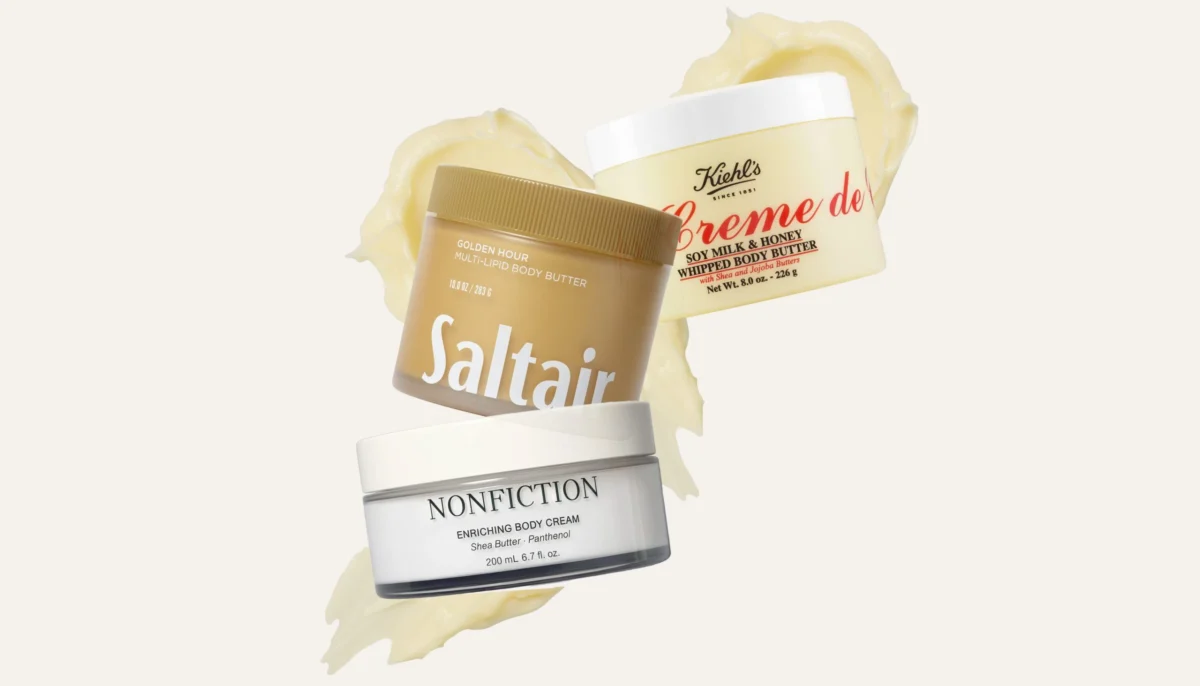
The skin barrier, a sophisticated and vital organ, functions as the body’s primary defense against external aggressors. Its integrity is paramount for maintaining overall health, preventing moisture loss, and protecting underlying tissues from infections and irritants. Disruptions to this protective shield, often exacerbated by environmental factors and lifestyle choices, can lead to a cascade of dermatological concerns, including dryness, flaking, itching, and inflammation. In an effort to combat these issues, particularly during periods of heightened environmental stress such as the drier winter months, dermatologists are increasingly highlighting the significant benefits of emollients like body butter, a formulation designed to deliver intense hydration and support barrier repair.
Understanding the Skin Barrier’s Function and Vulnerability
The outermost layer of the skin, known as the stratum corneum, is composed of flattened cells (corneocytes) embedded in a lipid matrix. This structure acts as a formidable barrier, controlling the passage of substances into and out of the body. Dr. Corey L. Hartman, a board-certified dermatologist based in Birmingham, Alabama, emphasizes this protective role: "The function of the skin is to be a protective barrier of the underlying tissues, protecting the internal organs from infections and irritation."
However, this barrier is not impermeable and can be compromised. Factors such as low humidity, harsh cleansing agents, excessive heat, and even stress can disrupt the delicate balance of lipids and corneocytes. This disruption leads to an increase in transepidermal water loss (TEWL), a measure of the amount of water that evaporates from the skin’s surface. "Desiccation and stress disruption of the protective barrier can lead to an increase in transepidermal water loss, and therefore conditions that are associated with skin dryness and irritation," Dr. Hartman explains. This means that when the skin barrier is weakened, it loses its ability to retain moisture effectively, making it more susceptible to external irritants and leading to visible signs of discomfort.
The Efficacy of Body Butter in Restoring and Maintaining Skin Health
Body butter, characterized by its dense, waterless formulation, stands out as a powerful tool for addressing compromised skin barriers. Unlike lighter lotions, which often contain a higher percentage of water, body butters are rich in occlusive and emollient ingredients that create a more substantial protective layer. Dr. Hartman describes body butter as "a waterless, thicker version of a body lotion." This concentrated formula makes it particularly beneficial for individuals experiencing severe dryness or those seeking enhanced protection during challenging environmental conditions.
The utility of body butter extends beyond mere hydration; it actively contributes to the repair and strengthening of the skin barrier. Dermatologists generally agree that individuals with very dry skin derive the most significant benefits from body butter. However, the benefits are not exclusive. "Especially during the drier, winter months, anyone could benefit from a heavier formula," advises Dr. Hartman. This is particularly relevant for individuals who use body washes formulated with potent exfoliating ingredients like alpha-hydroxy acids (AHAs), retinol, or salicylic acid. While these ingredients are effective for exfoliation and skin renewal, they can also strip the skin of its natural oils, potentially compromising the barrier. In such cases, a rich body butter serves as an essential counterbalance, replenishing lost moisture and reinforcing the skin’s natural defenses.
Key Ingredients for Optimal Body Butter Performance
The effectiveness of a body butter is intrinsically linked to its ingredient profile. Dermatologists recommend seeking out formulations that feature well-established hydrating and barrier-supporting ingredients. "Look out for familiar, hydrating powerhouses, such as shea butter, cocoa butter, and oils like coconut and avocado, as well as vitamin E, which softens skin and protects the skin’s moisture barrier," notes Dr. Hartman.
Shea butter, a particularly lauded ingredient, is a rich emollient derived from the nuts of the African shea tree. Its exceptional ability to heal cracked skin is attributed to its complex composition, which includes vitamins A, E, and F. These vitamins play crucial roles in skin regeneration, antioxidant protection, and maintaining the lipid structure of the skin.
Coconut oil, known for its high lauric acid content, offers antimicrobial and anti-inflammatory properties, while avocado oil is rich in fatty acids and vitamins, providing deep nourishment. Vitamin E, a potent antioxidant, not only softens the skin but also plays a critical role in protecting the skin’s moisture barrier by neutralizing free radicals that can damage skin cells.
Conversely, Dr. Hartman advises avoiding ingredients that can exacerbate dryness and irritation. "It’s best to avoid any ingredients that will dry out the skin, like alcohol or witch hazel," he cautions. Alcohol, particularly denatured alcohol, can strip the skin of its natural oils, leading to dryness and irritation. While witch hazel has some astringent properties, in higher concentrations, it can also be drying for some skin types.
Integrating Body Butter into a Comprehensive Skincare Routine
The optimal application of body butter is crucial for maximizing its benefits. Dr. Julie E. Russak, a board-certified dermatologist in New York City, recommends applying body butter to damp skin immediately after showering. "Since there’s very little to no water in body butters, the best time to use one is when you’ve just stepped out of the shower—when your skin is damp," she states.
The rationale behind this timing is rooted in the principle of occlusion. When applied to damp skin, body butter creates a seal, trapping the moisture that has been absorbed during the shower. "Pat the skin dry, and while the skin is still moist, apply body butter to all the areas that are rough and dry, including feet, hands, ankles, and elbows," Dr. Russak advises. "This locks in the moisture obtained from the shower, decreases trans-epidermal water loss, and helps repair the barrier." This technique ensures that the hydrating ingredients are effectively delivered and retained, leading to more supple and resilient skin.
Body Butter’s Role in Addressing Age-Related Skin Changes
As individuals age, their skin undergoes natural transformations that can affect its texture and moisture-retaining capabilities. The skin naturally produces less oil, becomes thinner, and its ability to retain moisture diminishes. This often results in increased dryness, roughness, and a crepey appearance. Dr. Hartman notes, "As we age, the skin naturally produces less oil, becomes thinner, and loses its ability to retain moisture. This often results in dryness, roughness, and a crepey appearance."
Intensive moisturizers like body butter are particularly beneficial in managing these age-related concerns. Their deeply penetrating and barrier-fortifying properties can help counteract the effects of reduced oil production and decreased moisture retention. "While body butters cannot reverse the aging process, they can, however, improve the appearance of dry, aging skin and temporarily minimize the look of fine lines caused by dehydration," explains Dr. Hartman. By providing a consistent and robust layer of hydration and protection, body butter can significantly enhance the comfort and appearance of aging skin, making it appear smoother and more plump.
Expert Insights and Testing Methodologies
The insights provided by dermatologists like Dr. Hartman and Dr. Russak underscore the scientific basis for the efficacy of body butter. These expert opinions are often integrated into the product testing and review processes of reputable beauty publications. For instance, Allure magazine, in its assessment of beauty products, employs a rigorous methodology that includes evaluating product ingredients and efficacy, scrutinizing brand claims, and referencing peer-reviewed scientific and medical studies.
When testing products such as body butters, Allure‘s editorial team, often in collaboration with dermatologists and cosmetic chemists, considers performance across key categories: ingredient quality, product efficacy in addressing stated claims, packaging, fragrance, texture, and overall wear experience. This multi-faceted approach ensures that recommendations are based on both scientific understanding and practical application. The inclusion of a diverse testing panel, spanning various ages, skin tones, hair textures, and genders, further validates the findings, ensuring that product assessments are comprehensive and relevant to a broad consumer base. This commitment to thorough evaluation and expert consultation provides consumers with reliable guidance in their quest for effective skincare solutions.
