
 By admin
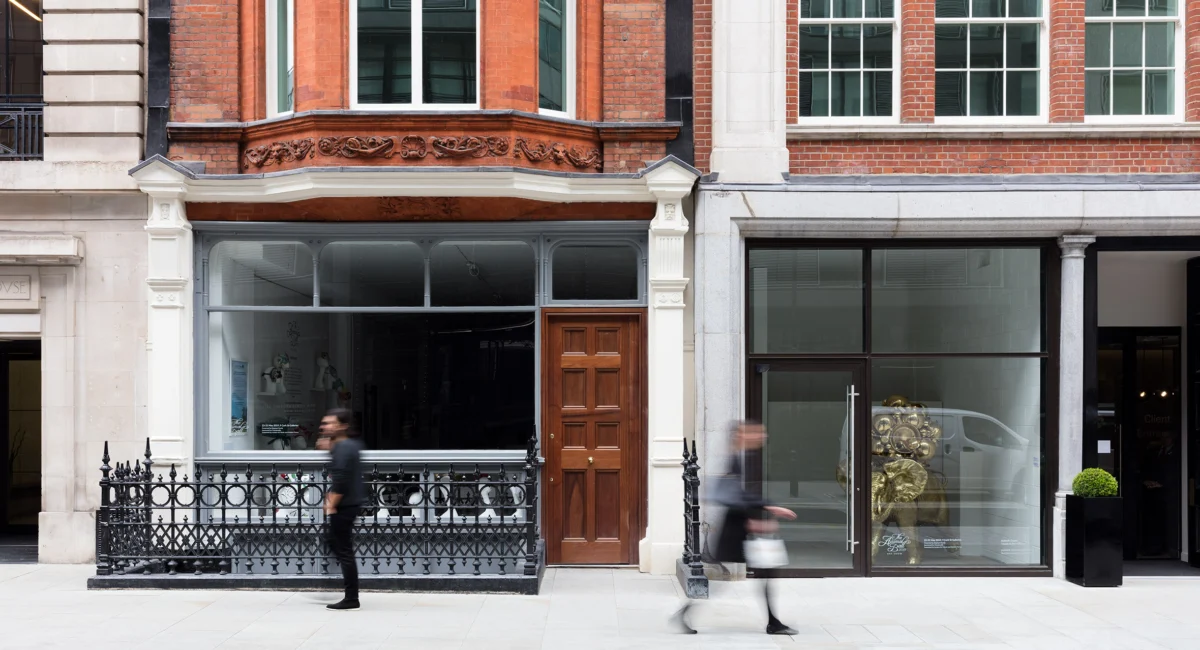
In the contemporary global landscape, the traditional markers of luxury—exclusivity, price, and brand heritage—are undergoing a fundamental transformation. In London, a city long regarded as a nexus of commerce and creativity, luxury is increasingly defined by "cultural fluency." This shift suggests that the ultimate status symbol is no longer merely the possession of a high-value object, but the possession of the knowledge required to understand its significance, its provenance, and its place within the broader tapestry of human history. As luxury retail becomes increasingly globalized, with the same flagship stores appearing in every major capital, the specific cultural context of London provides a unique value proposition that is impossible to replicate digitally or in other markets.
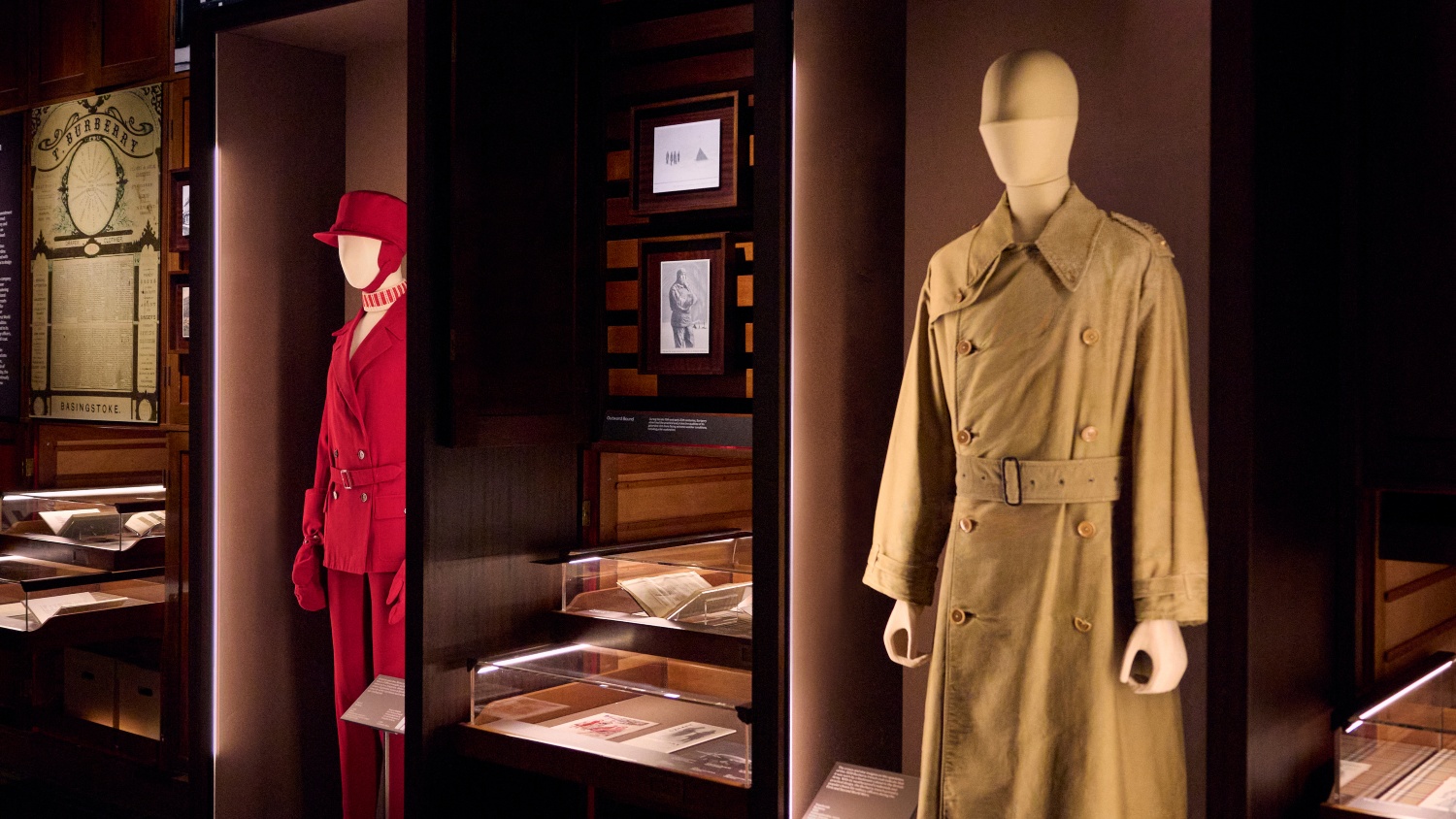
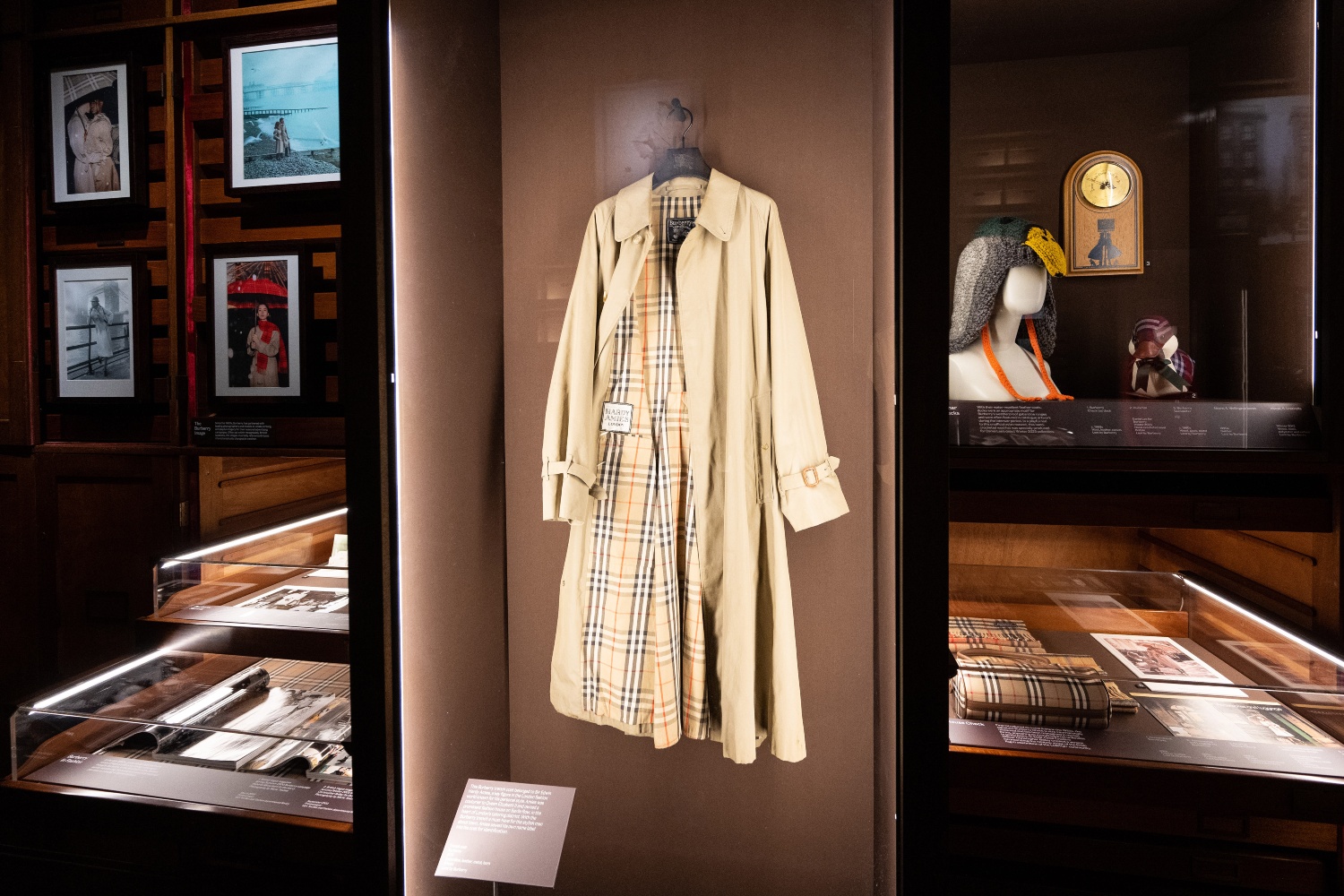
The distinction of the London experience lies in its unusual density of institutions, where the lines between a commercial product and a museum-grade artifact are frequently blurred. This phenomenon is perhaps most visible in the upcoming exhibition at the Victoria and Albert Museum (V&A), titled The Burberry Trench: Crafting an Icon. Scheduled to run from September 21, 2026, to January 3, 2027, the display serves as a primary case study in how London utilizes its historical archives to elevate fashion from a seasonal commodity to a permanent cultural milestone.
The Evolution of an Icon: A Chronology of the Burberry Trench
To understand the current cultural weight of the Burberry trench coat, one must examine its transition from functional military equipment to a symbol of British identity. The V&A exhibition focuses on a specific 1939 model, but the history of the garment provides the necessary depth for modern discernment.
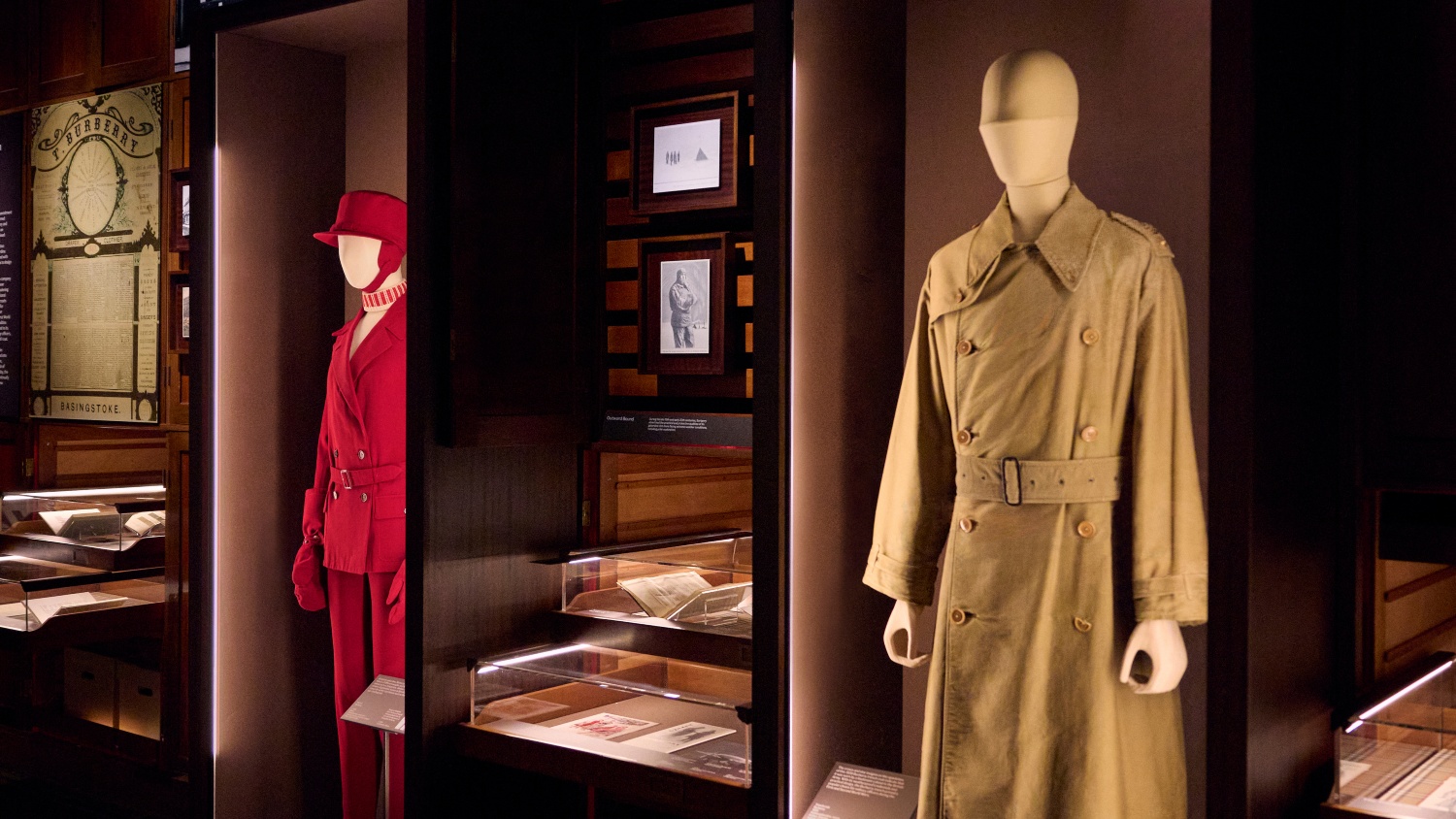
- 1856: Thomas Burberry establishes his namesake brand in Basingstoke, focusing on outdoor attire.
- 1879: Burberry invents gabardine, a breathable, weatherproof, and hard-wearing fabric that revolutionizes rainwear. This innovation remains the technical foundation of the trench coat.
- 1914–1918: During the First World War, the "trench coat" is adapted for functional use by officers. Features like epaulettes (to display rank) and D-rings (to carry equipment) are introduced.
- 1939: The era highlighted by the V&A’s current display. By this time, the coat has transitioned from the battlefield to civilian life, symbolizing a rugged, reliable British pragmatism.
- Post-War Era: The coat is immortalized by Hollywood cinema and high-fashion reinterpretations, moving into the "cultural memory" phase of its existence.
- 2026: The V&A formalizes this history, placing the garment within the same halls that house the Raphael Cartoons and the Crown Jewels, thereby stripping away its purely commercial label.
By tracing this evolution, London’s cultural institutions provide the "why" behind the "what." For the affluent consumer, wearing a trench coat is no longer just a fashion choice; it is an act of engaging with a century of textile innovation and social history.
The Luxury of Knowing: Institutional Depth as a Market Differentiator
While a luxury boutique in Dubai, Shanghai, or New York can offer the latest collections from the world’s leading maisons, London’s advantage is the proximity of these boutiques to world-class scholarship. The "Big Five" institutions—the V&A, Tate Britain, the National Gallery, the British Museum, and the Royal Academy of Arts—form a cultural ecosystem that informs the consumer’s eye.
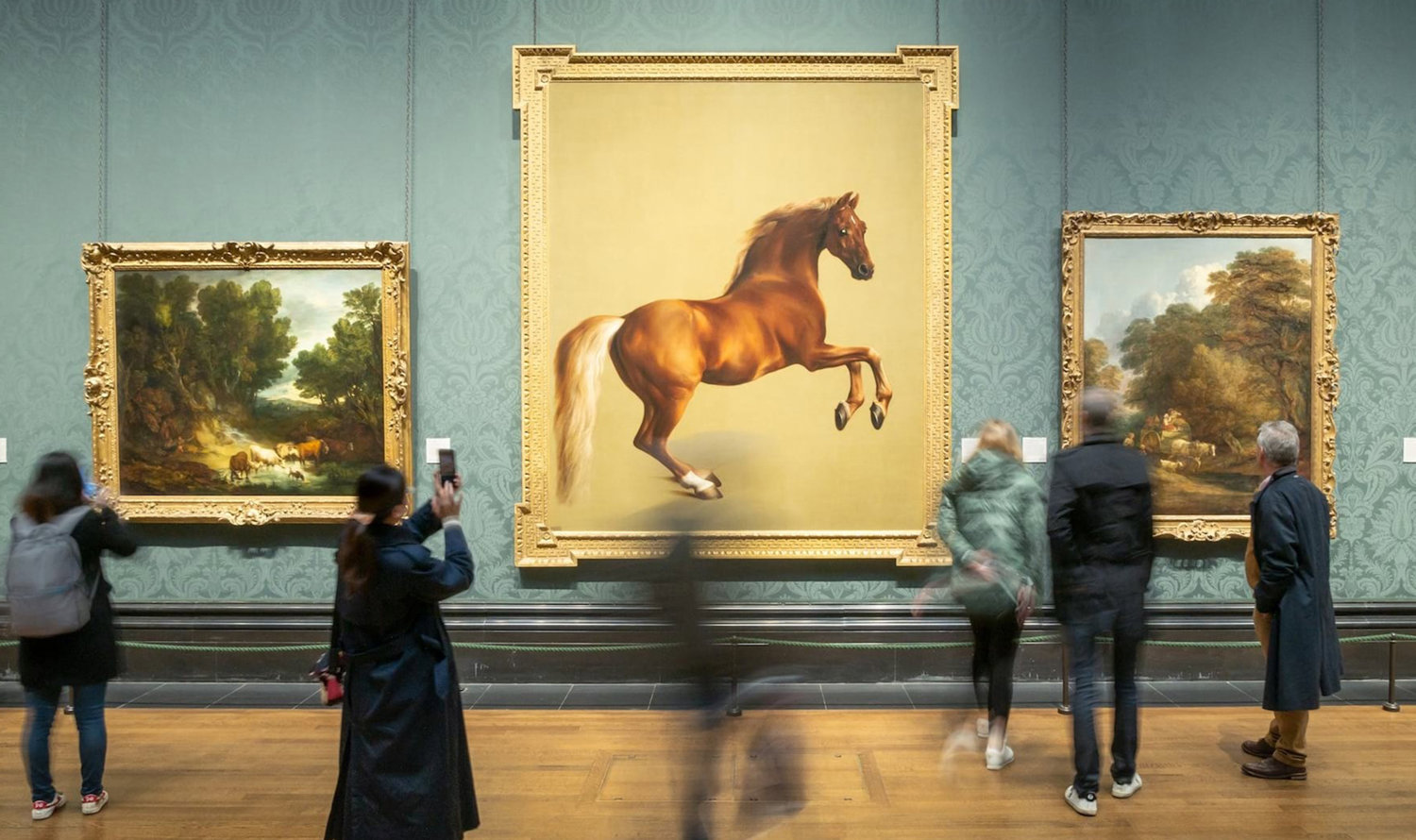
When a consumer views a 17th-century portrait at the National Gallery, they are not just looking at art; they are observing the history of tailoring, the symbolism of lace, and the way wealth has historically been communicated through silhouette. When that same consumer later visits a contemporary tailor in Savile Row or a high-fashion boutique in Mayfair, their perspective is informed by that historical context. This "luxury of knowing" creates a more profound connection to the product.
Industry analysts suggest that this institutional depth acts as a "soft power" for the UK economy. According to data from the Creative Industries Federation, the UK’s creative sector contributes more than £115 billion to the economy annually, with London serving as the primary engine. The synergy between these institutions and the luxury retail sector ensures that London remains a destination for "high-intent" travelers—those who seek intellectual enrichment alongside material acquisition.
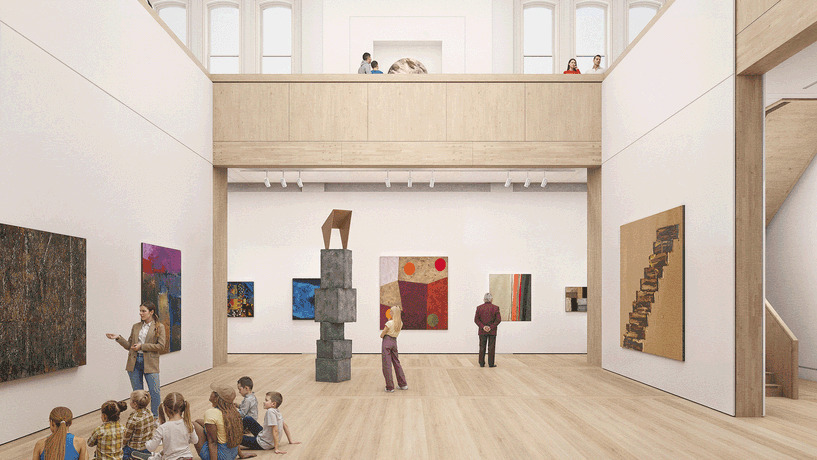
Mapping the Geography of Discretion
London’s cultural fluency is not centralized in a single district but is distributed across neighborhoods that offer distinct versions of the luxury-culture intersection.
Mayfair and the Art-Commerce Nexus
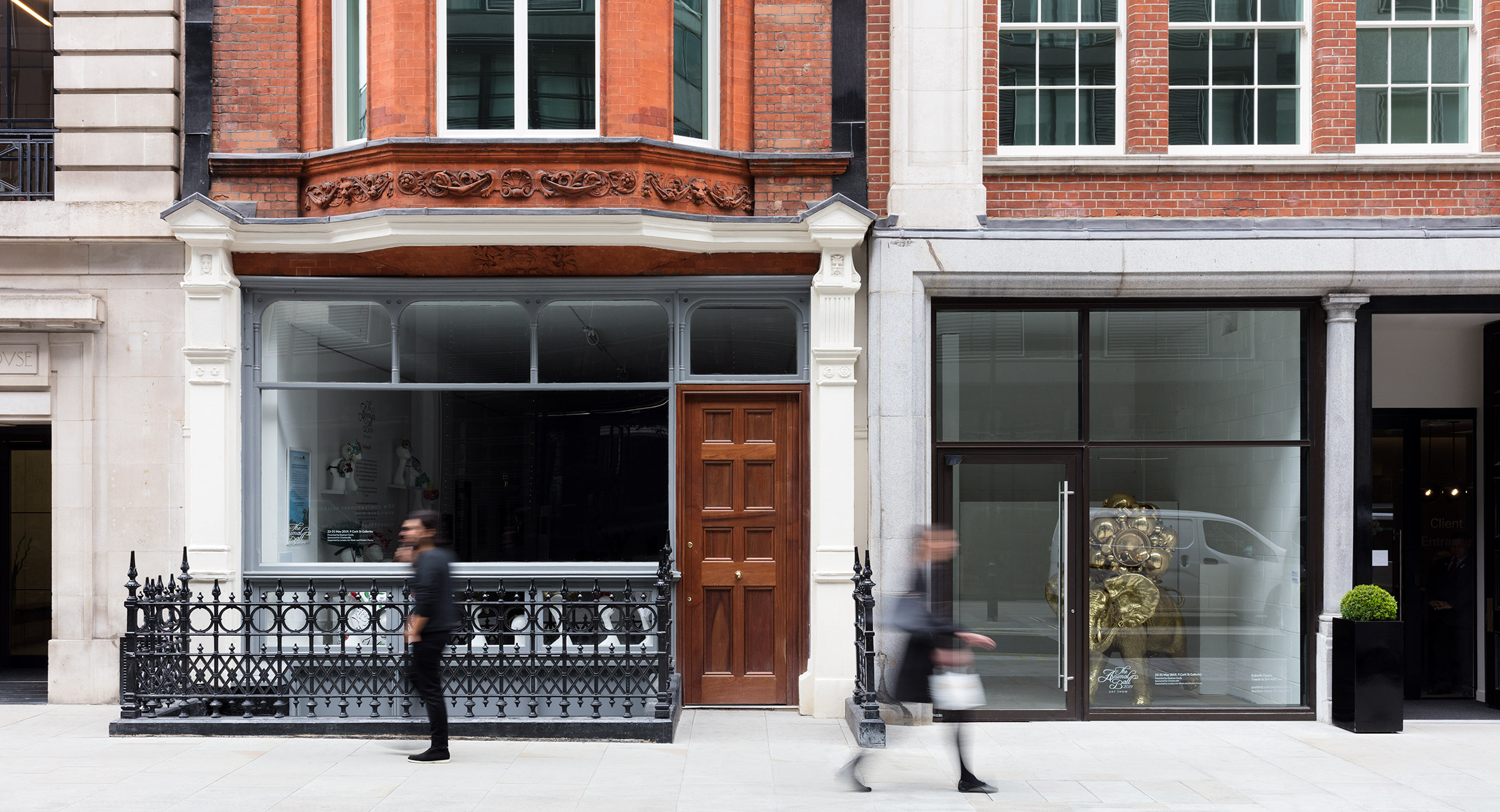
Mayfair remains the epicenter of this dialogue. On Cork Street, some of the world’s most influential galleries, such as Waddington Custot and the Lisson Gallery, operate within a stone’s throw of Bond Street’s luxury flagships. This allows for a seamless transition between the art market and the fashion market. For the discerning individual, a day in Mayfair might involve viewing a contemporary sculpture at an auction house like Sotheby’s or Christie’s, followed by a visit to a bespoke shoemaker in a nearby mews. The proximity suggests that these activities are two sides of the same coin: the pursuit of excellence and craftsmanship.
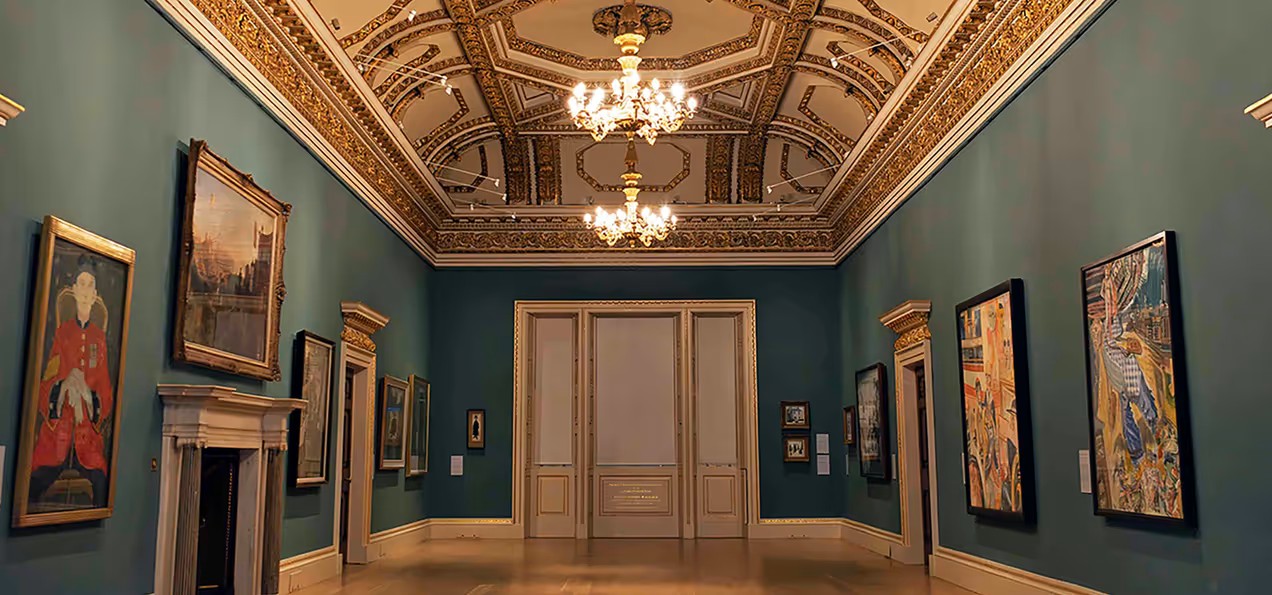
South Kensington and the History of Design
South Kensington offers a more academic approach to luxury. The museum quarter, anchored by the V&A, encourages a cross-disciplinary understanding of design. Here, fashion is not viewed in a vacuum but is presented alongside furniture, ceramics, and metalwork. This environment fosters a type of consumer who values "provenance"—the history of ownership and the lineage of design.
St. James’s and the Tradition of Specialism
In St. James’s, luxury is defined by longevity and specialist knowledge. This neighborhood is home to institutions that have held Royal Warrants for centuries. The luxury here is found in the "niche"—the specialist hatter, the rare book dealer, or the traditional perfumer. It is a neighborhood that rewards those who have done their research, as many of its most prestigious establishments maintain an understated, almost private, facade.
The Rarity of the Temporary: Frieze London and the Value of Scarcity
While London’s museums provide permanent depth, temporary events like Frieze London and Frieze Masters (set for October 14–18, 2026, in Regent’s Park) introduce the element of scarcity. Frieze Week is more than an art fair; it is a city-wide activation that creates a temporary network of exclusivity.
During this period, the "cultural fluency" of the attendee is tested. With hundreds of satellite exhibitions, private dinners, and curator-led talks occurring simultaneously, the ability to discern "what matters" becomes the ultimate currency. In a city of abundance, the luxury lies in the ability to edit. Knowing which emerging artist’s studio to visit in East London or which historical retrospective at the Royal Academy is essential provides a level of social differentiation that money alone cannot buy.
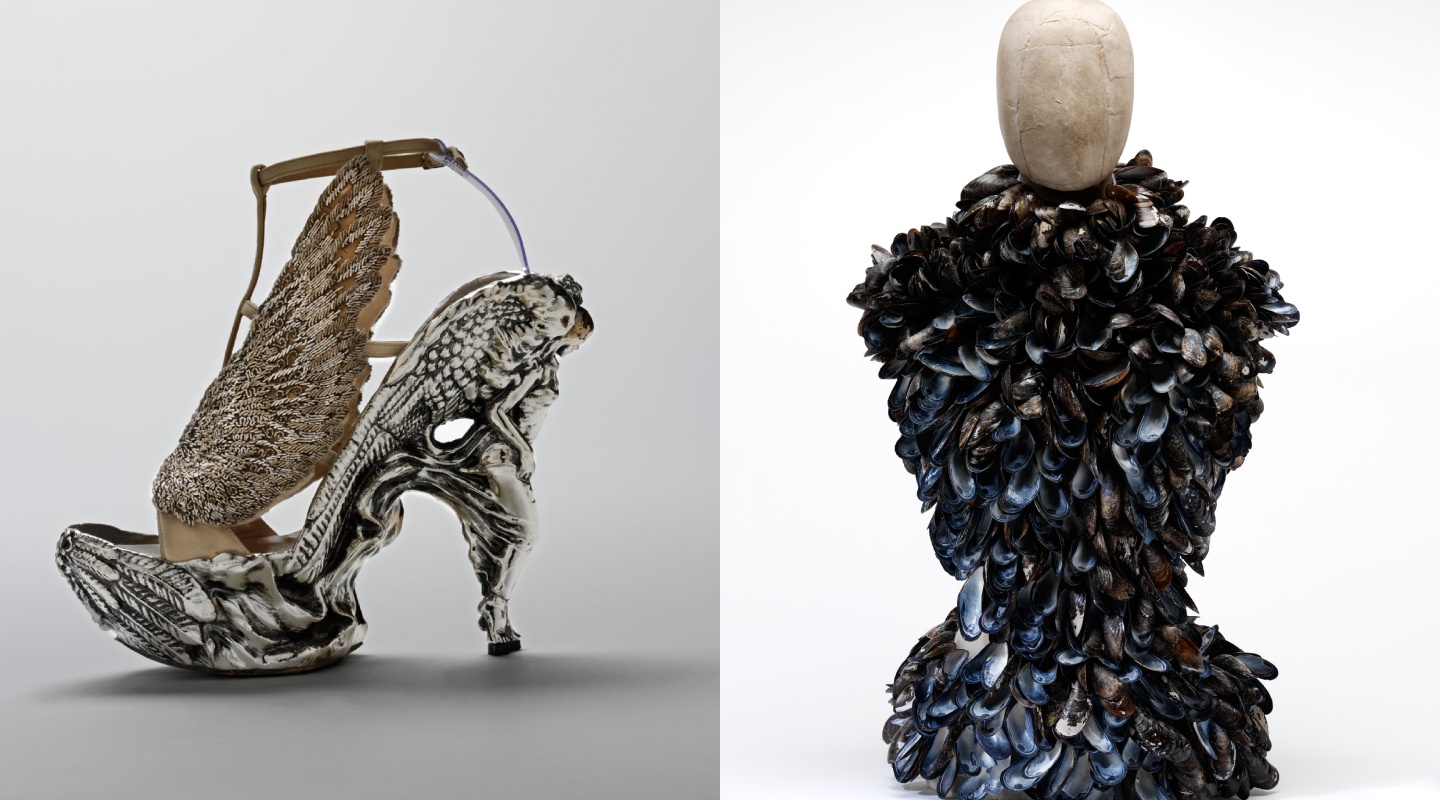
Inferred Responses: The Curatorial and Brand Perspective
While official statements from luxury houses often focus on craftsmanship, the underlying strategy is increasingly focused on "institutional validation." By collaborating with museums or sponsoring major exhibitions, brands like Burberry, Alexander McQueen, and Chanel are seeking to secure their place in the cultural canon.
Curators at institutions like the V&A have noted that the public’s interest in the "behind-the-scenes" of fashion—the construction, the social impact, and the archival history—has never been higher. This suggests a more sophisticated audience that is no longer satisfied with the surface-level marketing of luxury. They want to understand the "soul" of the object.
From a brand perspective, this institutional alignment helps combat the "commoditization" of luxury. When a product is available globally at the click of a button, its value risks being diluted. By rooting the product in the cultural soil of a city like London, brands can re-establish a sense of depth and permanence.
Analysis: Knowledge as the New Gatekeeper
The implications of this shift are significant for the future of the luxury industry. As access to goods becomes universal, "access to insight" becomes the new gatekeeper. We are moving toward a period where "Discernment is the New Exclusivity."
- The Shift from Transaction to Education: Luxury brands are increasingly acting as educators, providing clients with lectures, books, and documentaries that deepen their understanding of the brand’s cultural context.
- The Rise of the "Cultural Concierge": There is a growing market for advisors who do not just source products, but source experiences and knowledge—arranging private tours of archives or meetings with master craftsmen.
- The Longevity of the "Slow Luxury" Movement: By emphasizing the historical and cultural significance of an object, London encourages a "buy less, buy better" mentality. An object with a story is less likely to be discarded for the next trend.
In conclusion, London’s strength as a luxury capital is not found in the number of its boutiques, but in the strength of its stories. The city offers a unique environment where a 1939 trench coat can be analyzed with the same rigor as a Renaissance painting. For the modern consumer, the most valuable acquisition in London is not something that can be carried in a shopping bag, but the cultural fluency to understand why it was worth acquiring in the first place. Access can be purchased, but the discernment required to navigate London’s cultural abundance must be earned—and that, in itself, is the highest form of luxury.
