
 By admin
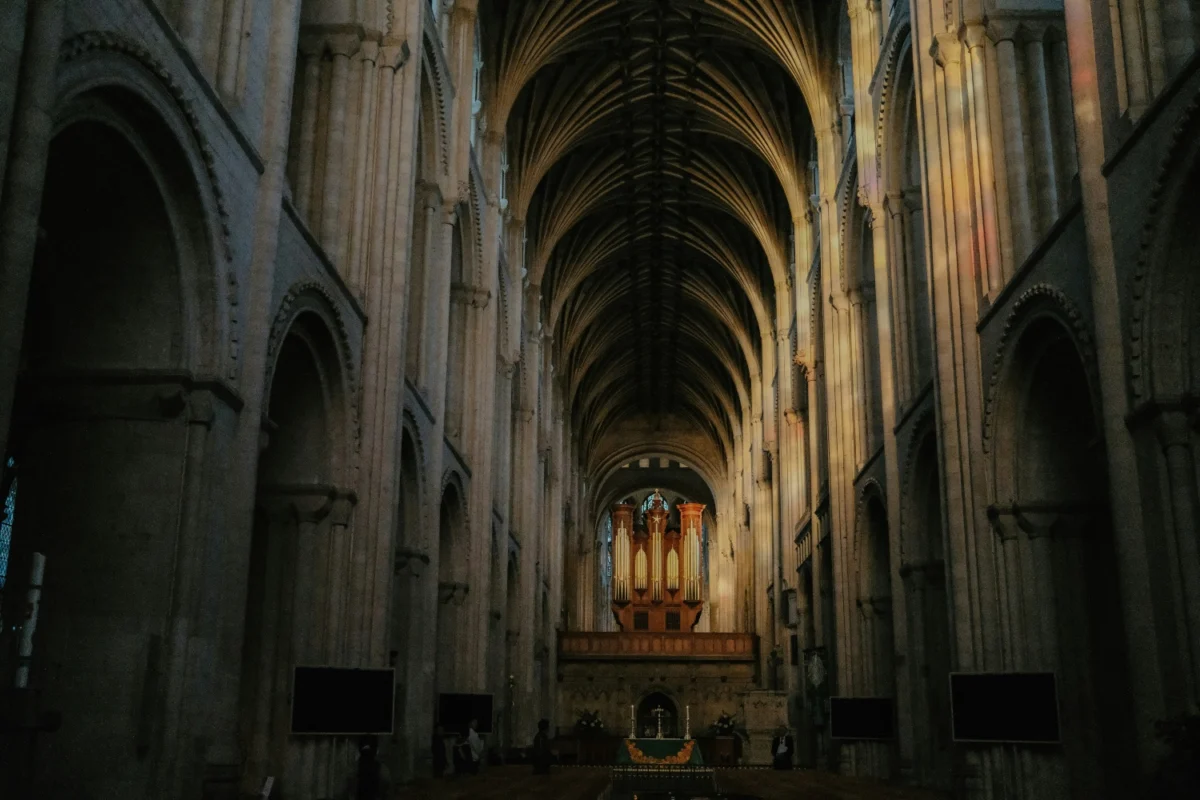
In an era defined by the immediacy of search engines and the algorithmic deconstruction of narrative, the value of cultural mystery has transitioned from a stylistic choice to a vital form of intellectual resistance. As digital platforms offer instant resolutions to complex plots and AI-driven tools identify the provenance of artifacts in milliseconds, a growing segment of the cultural landscape is pivoting toward the unresolved. This shift suggests that the staying power of a creative work is no longer tethered to how clearly it can be explained, but rather to the "gap" it maintains between the audience’s encounter and their eventual understanding.
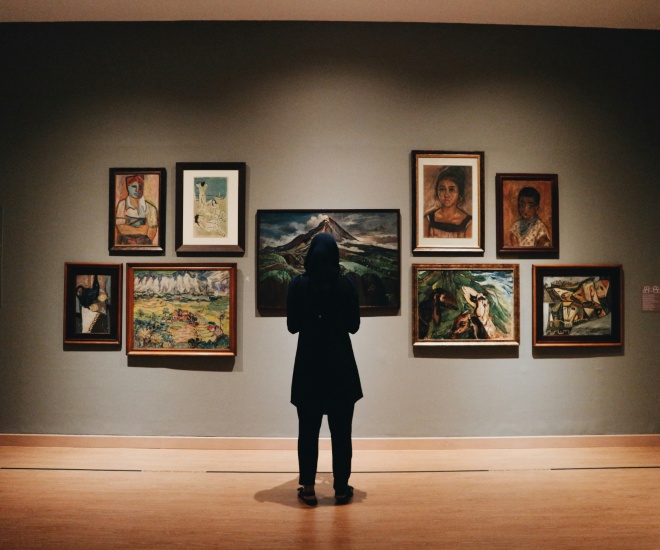
The contemporary obsession with "ending explained" videos—which garner millions of views on platforms like YouTube within hours of a film’s release—underscores a tension between the human instinct for closure and the artistic necessity of doubt. However, historians and cultural critics note that the most enduring works in the Western canon, from the chiaroscuro of the Baroque era to the psychological labyrinths of the Gothic novel, have thrived specifically because they refuse to provide a definitive answer. By leaving room for interpretation, these works invite a cycle of return, ensuring their relevance across generations.
The Historical Evolution of the Unresolved
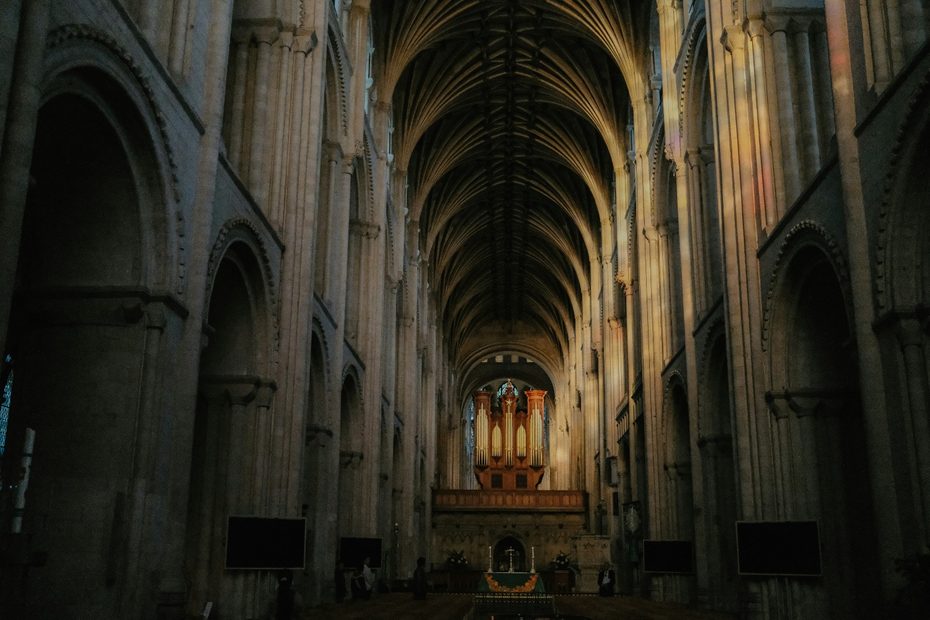
The strategic use of mystery as a cultural tool finds its most robust roots in the 18th-century Gothic movement. While the Enlightenment prioritized reason, clarity, and the scientific categorization of the world, the Gothic emerged as a counter-narrative that celebrated the sublime, the shadowed, and the irrational. This was first manifested in architecture. The transition from the balanced, predictable lines of Neoclassicism to the soaring, shadowed heights of Gothic Revival cathedrals was designed to evoke a sense of awe that surpassed human comprehension.
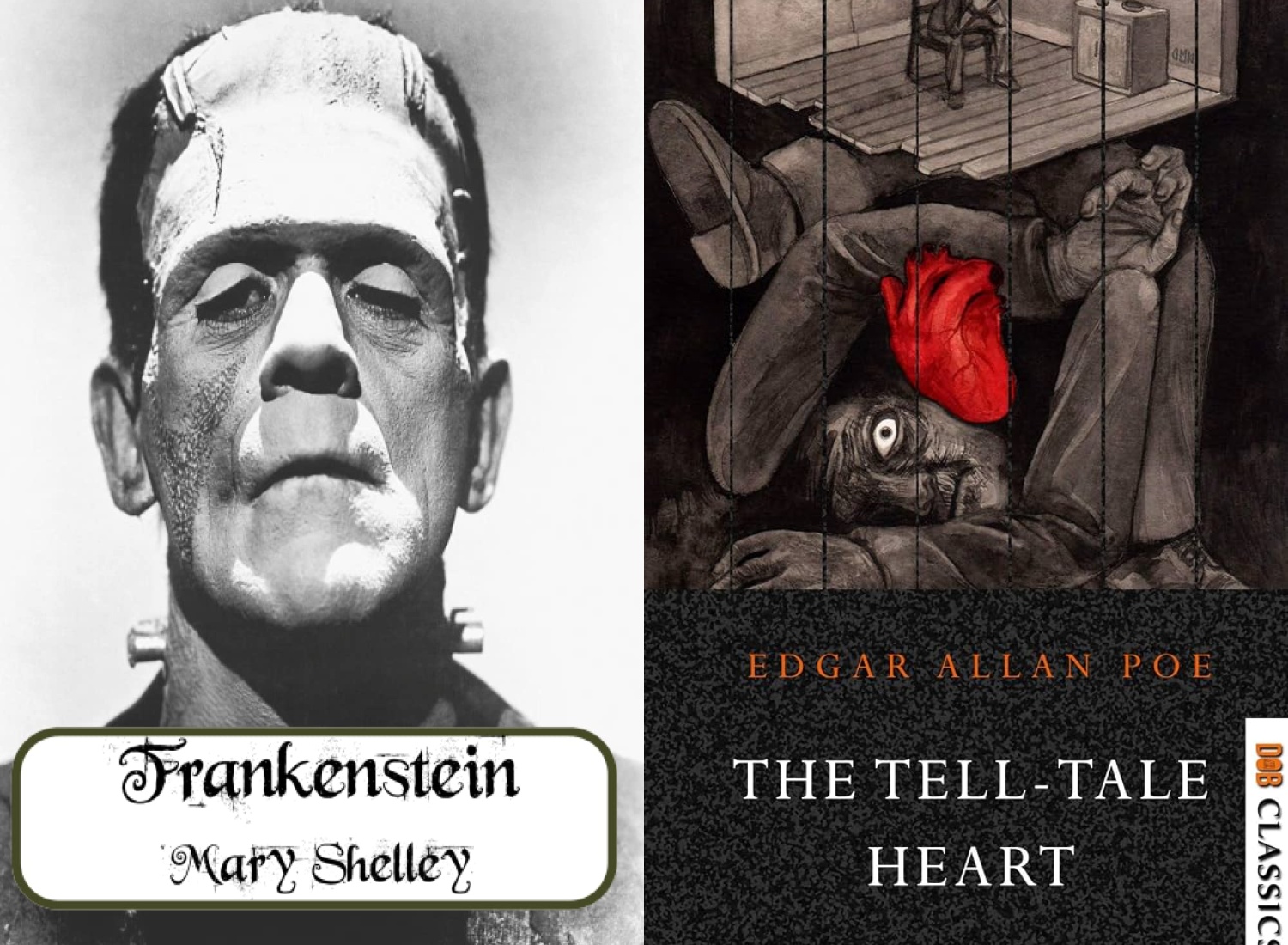
By the time Mary Shelley published Frankenstein in 1818, the literary world had refined the art of the "unreliable narrator" and the "unresolved moral." Shelley’s work remains a cornerstone of modern culture not because of the creature’s physical presence, but because of the ethical vacuum it creates. The novel offers no clear resolution on the boundaries of scientific responsibility or the nature of monstrosity. This ambiguity has allowed the text to be reinterpreted through the lenses of Industrial Revolution anxieties, 20th-century nuclear fears, and 21st-century concerns regarding Artificial Intelligence.
In the mid-19th century, Edgar Allan Poe further formalized the psychological dimensions of mystery. In works like The Tell-Tale Heart (1843), the horror is not derived from an external threat but from the instability of the protagonist’s own mind. By withholding a "sane" perspective, Poe forced the reader to inhabit a space of permanent uncertainty, a technique that would later become the blueprint for the psychological thriller and horror genres.

The Visual Mechanics of Darkness and Distortion
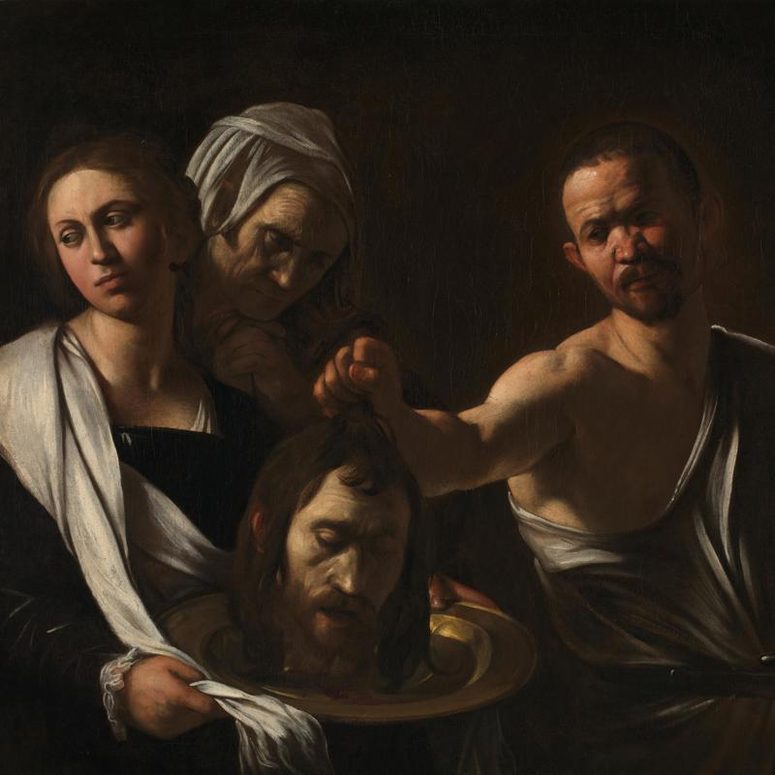
While literature utilizes narrative gaps, visual art employs physical obscuration to generate mystery. The Baroque period, led by figures such as Michelangelo Merisi da Caravaggio, introduced chiaroscuro—the dramatic contrast between light and dark. In his late work, Salome Receives the Head of John the Baptist (c. 1609-1610), Caravaggio uses shadow not merely as a background element, but as a void that consumes the context of the violence. By isolating the figures in a sea of blackness, the artist prevents the viewer from fully grounding the scene in time or space, forcing a deeper focus on the psychological weight of the event.
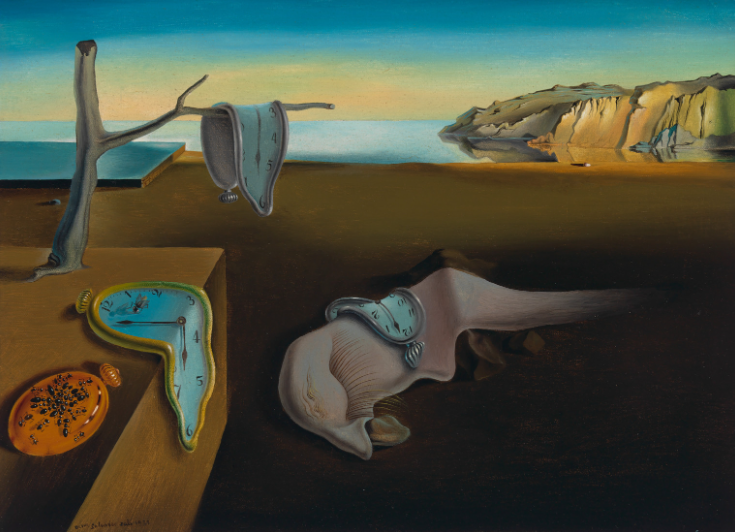
This tradition of visual destabilization evolved significantly in the 20th century with the advent of Surrealism. Salvador Dalí’s The Persistence of Memory (1931) serves as a primary case study in how recognition can be used to foster doubt. By presenting "soft" watches—objects that are instantly identifiable yet physically impossible—Dalí creates a collision between the familiar and the absurd. Data from museum engagement studies suggests that visitors spend significantly more "dwell time" in front of Surrealist works than they do with hyper-realistic portraiture. The brain, confronted with a contradiction it cannot immediately resolve, is forced to engage in a more rigorous form of observation.
The Economics of Ambiguity in Modern Cinema
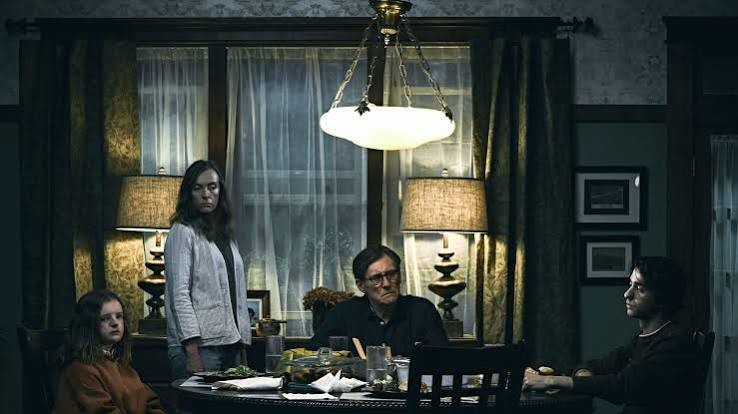
In the 21st century, the preservation of mystery has become a key differentiator in the commercial film market. Production companies like A24 have built a brand identity around "elevated horror" and psychological dramas that eschew traditional jump-scares for atmospheric uncertainty. The 2018 film Hereditary, directed by Ari Aster, exemplifies this trend. Rather than relying on a linear progression of clues, the film utilizes a gradual accumulation of unsettling details that only gain significance upon second or third viewings.
The financial success of these films suggests a market demand for "active" viewership. When a narrative is fully decoded by the time the credits roll, its cultural "half-life" is shortened. Conversely, films that leave plot points open to debate generate sustained social media engagement, fan theories, and long-term viewership. This "mystery premium" is now a recognized factor in the acquisition and marketing of independent cinema, where the goal is to create a "water cooler effect" driven by disagreement rather than consensus.
Immersive Art and the Removal of the Fixed Path
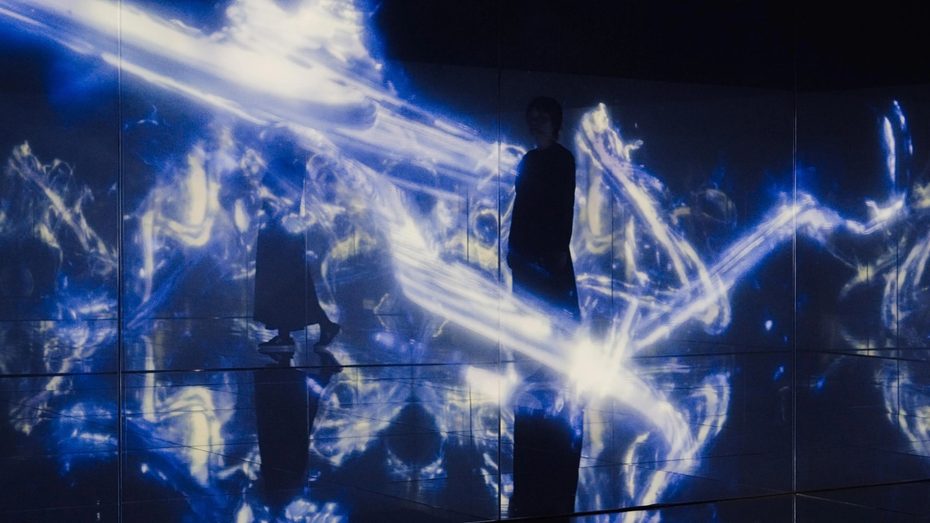
The latest frontier in cultural mystery is the rise of immersive, non-linear experiences. Projects like teamLab Borderless in Tokyo represent a radical departure from the traditional museum model. In these environments, digital artworks are not confined to frames; they migrate across walls, respond to the presence of visitors, and evolve over time.
There is no "correct" way to view such an exhibition. Because the experience is determined by the visitor’s movement and the random interactions of the digital algorithms, two people can walk through the same space and witness entirely different events. This removes the concept of a "fixed solution" to the artwork. Data from the "Experience Economy" indicates that younger demographics prioritize these discovery-based interactions over passive observation. The mystery in these spaces is not a puzzle to be solved, but a state of being to be inhabited.
The Information Paradox: Why Explanation Kills Engagement
The primary threat to cultural mystery today is the speed of information retrieval. The "Information Gap Theory," developed by behavioral economist George Loewenstein in the 1990s, posits that curiosity is a response to a perceived gap in one’s knowledge. This gap creates a state of deprivation that the individual is driven to alleviate. However, if the gap is closed too quickly—such as by a search engine result or an "explainer" article—the curiosity is extinguished before it can lead to deeper cognitive processing.
In a museum setting, the "label problem" illustrates this paradox. When a visitor reads a detailed wall text before looking at a painting, their brain often treats the visual encounter as a mere confirmation of the text. The opportunity for personal discovery is bypassed. Institutional curators are now experimenting with "minimalist labeling" or "slow looking" initiatives to counteract this. The goal is to restore the primacy of the encounter over the explanation.
Provenance research also highlights the limits of factual knowledge. While a researcher may establish the exact chain of ownership for an ancient artifact, that data often reveals new, deeper mysteries regarding the object’s original intent or the emotional lives of its previous owners. Facts, in this context, do not end the mystery; they merely shift its boundaries.
The Societal Impact of Sustained Wonder
The broader implication of preserving mystery in culture is the cultivation of "intellectual humility"—the recognition that one’s knowledge is always partial. In a polarized social climate where certainty is often used as a weapon, cultural works that demand doubt and multiple perspectives serve a vital civic function. They train the audience to sit with discomfort and to accept that two conflicting interpretations can exist simultaneously.
As AI continues to synthesize and summarize human output, the "un-summarizable" qualities of a work—the specific, visceral feeling of standing before a Caravaggio or the lingering unease of a Shelley novel—become its most valuable assets. These experiences cannot be reduced to data points or bulleted lists.
The enduring appeal of the unanswered question lies in its ability to grant the individual a rare form of freedom: the freedom to wonder. In a world that is increasingly mapped, tagged, and explained, mystery provides the only remaining territory for the human imagination to explore without a map. The future of culture, therefore, may not belong to those who can provide the most answers, but to those who can craft the most compelling questions.
