
 By admin
The burgeoning field of at-home artificial intelligence (AI) scalp scanning is transforming how individuals monitor their hair health, offering a seemingly accessible window into the intricate ecosystem of their scalps. These innovative tools leverage advanced computer vision and machine learning to analyze photographs, aiming to identify patterns associated with common concerns like thinning hair, flaking, oil buildup, and follicle density. While promising unprecedented insights, a closer examination reveals a nuanced reality: these technologies excel in specific areas but also possess significant limitations that necessitate professional dermatological evaluation for definitive diagnoses and treatment plans. This comprehensive analysis delves into the underlying technology, its practical applications, its inherent shortcomings, and guidance on maximizing the utility of these digital diagnostic aids.
The Technological Underpinnings of AI Scalp Analysis
At their core, AI scalp scanners operate through a sophisticated, multi-step process that begins with image capture and culminates in data interpretation. Whether utilizing a dedicated clip-on microscope attachment for a smartphone or the macro capabilities of a flagship mobile device, the fundamental principle remains the same. Users are instructed to part their hair and position the lens directly against the scalp. The accompanying application then captures magnified images of a small, targeted area. These images are subsequently fed into a computer vision model that has been rigorously trained on vast datasets of labeled scalp photographs. This training allows the AI to identify and quantify various metrics, including hair density per square centimeter, the degree of follicle miniaturization, sebum levels, and the presence of visible flaking.
Step-by-Step: The AI Scan in Action

The diagnostic process can be broadly delineated into three key stages:
-
Magnified Image Acquisition: The initial phase involves capturing high-resolution, magnified images of the scalp. This typically ranges from 10x to 200x magnification, depending on the specific device or application. Crucially, consistent and even lighting is paramount. Inconsistent illumination can create shadows that the AI may misinterpret as thinning hair, thereby skewing the density readings. Therefore, optimal scanning conditions often involve controlled, diffused light.
-
Segmentation: Isolating Hair from Skin: Following image capture, the AI employs sophisticated segmentation algorithms. This process is analogous to the technology powering virtual hairstyle try-on tools, but applied to a far more complex and textured surface. The model meticulously draws boundaries around each visible hair strand, effectively distinguishing it from the surrounding scalp. This precise segmentation is critical for accurate density calculations and for measuring individual hair shaft thickness, rather than relying on broad estimations from the overall image.
-
Comparative Scoring and Analysis: The segmented data is then scored against a predetermined baseline. This baseline can be a general population average, or in more advanced applications, it can be the user’s own historical scan data. The latter is particularly valuable, as scalp density exhibits significant individual variability. A single snapshot without a comparative baseline offers limited diagnostic utility. Tracking changes over time against a personal benchmark provides a more meaningful insight into potential trends.
Areas Where AI Scalp Scanners Demonstrate Efficacy

Despite their inherent limitations, AI scalp scanners have proven remarkably adept at identifying and tracking specific scalp conditions and metrics. Even basic devices, such as affordable Wi-Fi microscopes available for under $30, or professional-grade clip-on lenses, coupled with specialized diagnostic apps, consistently perform well in several key areas:
- Monitoring Hair Density Trends: For individuals concerned about gradual thinning, these tools can be invaluable for tracking subtle changes in hair density over time. By consistently scanning the same areas under similar conditions, users can observe whether their hair density is stable, increasing, or decreasing. This longitudinal data can be a critical indicator for early intervention.
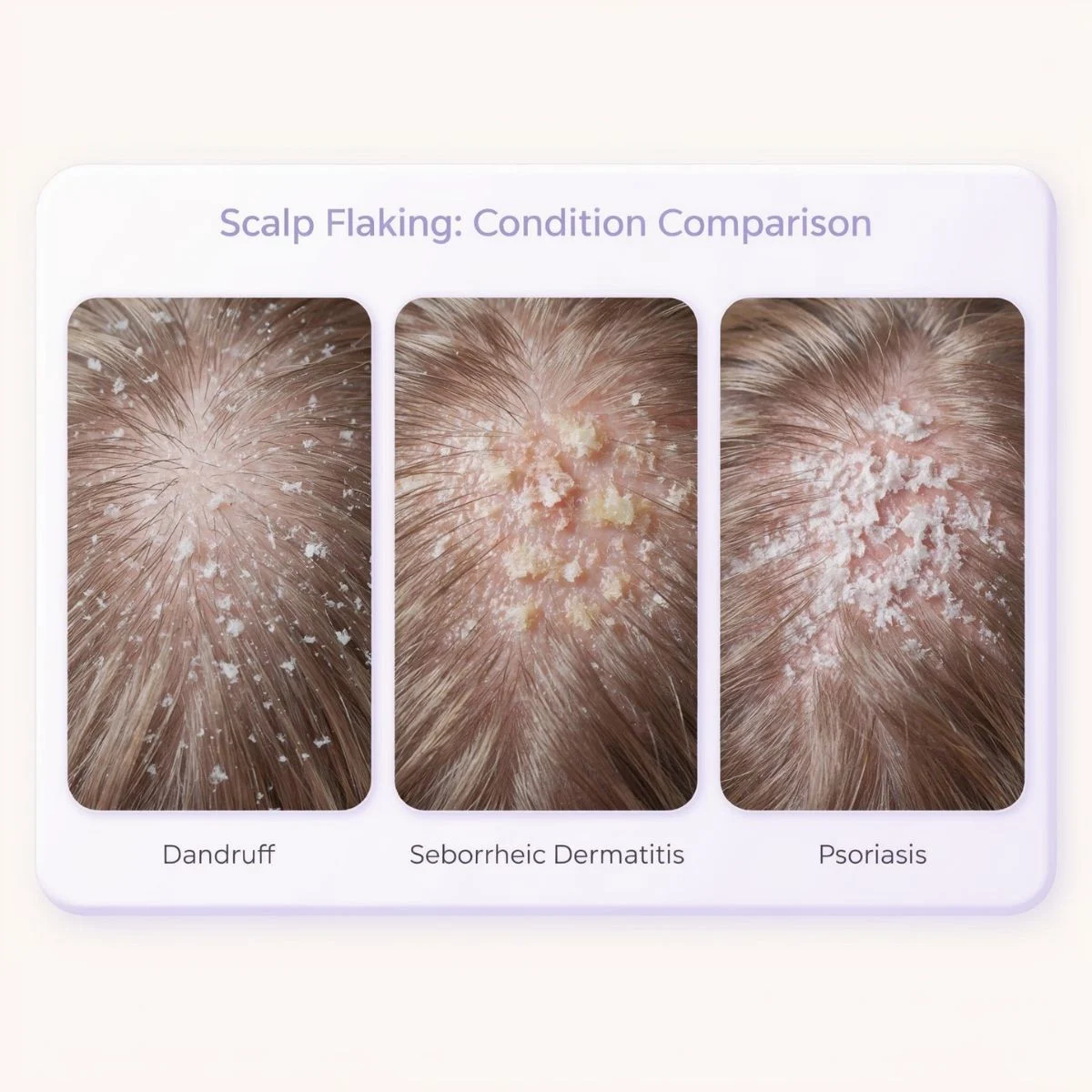
- Detecting Visible Flaking and Irritation: AI models are generally effective at identifying the presence of flakes on the scalp. This can be an early warning sign of conditions like dandruff, seborrheic dermatitis, or even early-stage psoriasis. While the AI may not differentiate between these specific conditions, its ability to flag the presence of flaking prompts users to seek further investigation.
- Assessing Oil Buildup (Sebum Levels): The technology can provide an estimation of oiliness on the scalp. Excessive sebum production can contribute to various scalp issues, including clogged follicles and increased susceptibility to microbial overgrowth. Consistent monitoring can help individuals adjust their hair washing routines and product choices to better manage oiliness.
- Identifying Follicle Miniaturization: While not a definitive diagnostic tool, AI scanners can sometimes detect visual cues suggestive of follicle miniaturization. This is a hallmark of androgenetic alopecia (pattern baldness), where hair follicles gradually shrink, producing finer, shorter hairs. The AI’s ability to flag potential miniaturization can serve as an impetus for users to consult a dermatologist for a formal diagnosis.
- Providing a Baseline for Professional Consultation: Perhaps one of the most significant benefits of these home scanners is their ability to provide a user with a consistent baseline of their scalp’s condition. This data, when presented to a stylist or dermatologist, can offer valuable context and a starting point for discussions about hair health and potential treatments.
The Critical Shortcomings of AI Scalp Scanners
The promise of comprehensive, at-home hair diagnostics is tempered by several significant limitations inherent in current AI scalp scanning technology. Understanding these shortcomings is crucial for setting realistic expectations and for recognizing when professional medical advice is indispensable.
- Inability to Differentiate Similar-Looking Conditions: A primary limitation is the AI’s struggle to distinguish between medical conditions that present with visually similar symptoms. For instance, flaking caused by common dandruff, seborrheic dermatitis, and the early stages of scalp psoriasis can appear nearly identical under magnification. AI models tested have frequently flagged "flaking detected" without providing any specific diagnostic differentiation. This ambiguity underscores the necessity of a dermatologist’s expertise for accurate diagnosis and targeted treatment.
- Susceptibility to Lighting and Hair Color Variables: The accuracy of density calculations is significantly influenced by lighting conditions and hair color. In cases where hair is dark and the scalp is also dark, the contrast can be low, leading the AI’s segmentation model to misinterpret the visual information and report lower hair density than is actually present. Furthermore, even subtle variations in lighting—such as the difference between warm bathroom light and natural daylight—can cause density scores to fluctuate by as much as 15% on the same individual during consecutive scans.
- Challenges with Curly and Coily Hair Textures: The algorithms underpinning most AI scalp scanners have been predominantly trained on datasets featuring straight and wavy hair textures. Consequently, their performance on curly and coily hair types is often suboptimal. The camera’s ability to cleanly isolate individual strands is compromised by the tighter curl patterns. This can lead to an undercounting of hair density in individuals with coily hair, potentially making a healthy scalp appear thinner than it is. This bias in training data represents a significant hurdle for equitable and accurate diagnostics across diverse hair types.
- The Insufficiency of a Single Snapshot: Hair density and shedding patterns are dynamic and can fluctuate significantly due to a myriad of factors, including seasonal changes, periods of stress, hormonal shifts, and even diet. A single scan provides only a static snapshot in time and does not capture these natural variations or trends. Several testers have reported initial alarming results that later normalized after multiple scans were taken, highlighting the importance of longitudinal tracking over isolated readings.
Optimizing Your AI Scalp Scan for Reliable Data
To maximize the utility of home AI scalp scanners and obtain data that is genuinely informative, users should adhere to a structured scanning protocol. This approach mitigates some of the variables that can lead to inaccurate readings:

- Consistency is Key: Aim to scan your scalp at the same time of day, under similar lighting conditions, and with a consistent hair washing schedule. For instance, scanning your scalp two hours after washing and conditioning can provide a more stable sebum reading than scanning immediately after showering.
- Target the Same Quadrants: Identify and consistently scan the same specific areas of your scalp, such as the crown, temples, and hairline. This ensures that you are comparing like with like over time. Using a marking pen or a fixed point of reference can aid in precise repetition.
- Optimal Lighting: Whenever possible, use natural, diffused daylight. Avoid direct, harsh overhead lighting or the flash on your phone, as these can create shadows and glare that distort the image.
- Proper Device Placement: Ensure the scanner is held steadily and directly against the scalp, with no hair obstructing the view of the follicle openings. Gentle parting of the hair is necessary to expose the scalp adequately.
- Regular Scans for Trend Analysis: Conduct scans every two to four weeks. This frequency is sufficient to detect meaningful trends without being overwhelmed by minor, daily fluctuations. Recording the date and time of each scan, along with any relevant lifestyle factors (e.g., recent illness, high stress), can provide valuable context.
- Utilize App Features: Leverage any features within the app that allow for annotation or note-taking. This can help you remember specific conditions or observations made during the scan.
When to Transition from App to Dermatologist
While AI scalp scanners offer a convenient way to monitor general scalp health, they are not a substitute for professional medical evaluation. Certain red flags should prompt an immediate consultation with a dermatologist:
- Rapid or Significant Density Loss: If your scans consistently show a rapid decline in hair density, or if you observe a noticeable increase in shedding, it warrants professional attention.
- Visible Bald Patches: The appearance of distinct bald patches, as opposed to gradual thinning, is a serious symptom that requires immediate medical assessment to rule out conditions like alopecia areata or other autoimmune disorders.
- Scalp Discomfort or Inflammation: Any persistent scalp pain, itching, redness, or visible inflammation are indicators of underlying issues that require diagnosis and treatment by a medical professional. Conditions such as fungal infections, severe dermatitis, or even allergic reactions need specialized care.
- Suspicion of Serious Conditions: AI scanners are designed to identify patterns, not to definitively diagnose serious medical conditions. If you suspect you might have alopecia areata, a fungal infection, or any other condition that requires a clinical examination, laboratory tests, or even a biopsy, it is imperative to consult a dermatologist directly.
Leveraging Scan Data in Professional Settings
A practical application of home scalp scanning data extends to professional salon visits. Bringing your scan history to your hairstylist can significantly enhance their ability to assess your scalp health. Stylists, who regularly observe scalp conditions during washes and cuts, can use your data as a concrete reference point. This allows for a more informed discussion about product recommendations, treatment plans, and the overall health of your hair and scalp. For example, if scans show a persistent increase in oiliness, a stylist can recommend specific clarifying shampoos or treatments.
From Diagnosis to Action: Cultivating Scalp Health

Identifying scalp issues is merely the initial step; achieving tangible improvements requires a consistent and targeted approach to hair care. Once a scanner has helped establish your baseline scalp condition—whether it’s dryness, oiliness, or thinning—the challenge lies in implementing and adhering to a regimen that delivers results.
For individuals seeking a structured approach to managing their hair care routines, applications like HairHunt offer integrated solutions. HairHunt combines virtual hairstyle try-on tools with a dedicated "Hair Care" feature designed for routine tracking and personalized recommendations. Users can log daily practices related to washing, product application, and styling, receiving tailored advice aimed at enhancing scalp health over time. This type of application bridges the gap between at-home monitoring and actionable steps toward healthier hair.
Frequently Asked Questions About AI Scalp Scanners
-
Are AI Scalp Scanners Accurate?
AI scalp scanners offer reasonable consistency for tracking changes within an individual over time. However, their absolute accuracy can vary significantly based on factors such as hair color, texture, and ambient lighting. The trend line derived from consistent scanning is generally more meaningful than any single numerical score. -
Can These Tools Diagnose Hair Loss Conditions?
No, these tools cannot diagnose specific hair loss conditions. They can identify patterns that warrant further investigation, but definitive diagnoses for conditions like alopecia, thyroid-related shedding, or fungal infections require a clinical examination by a dermatologist.
-
How Often Should I Scan My Scalp?
Scanning your scalp every two to four weeks is generally sufficient to identify genuine trends without being misled by minor daily fluctuations. -
Why Did My Density Score Change Significantly Between Two Scans?
Significant score variations are often attributable to inconsistencies in scanning conditions, such as changes in lighting, hair color appearance, or the time elapsed since the last hair wash. These fluctuations typically do not reflect a real change in scalp density. -
Do These Apps Work Reliably on Curly or Coily Hair?
Their reliability on curly or coily hair is generally lower. Because most AI models were trained on datasets dominated by straight and wavy hair, density counts on tighter curl patterns tend to underestimate actual density.
In conclusion, home AI scalp scanners represent a significant advancement in accessible hair health monitoring, offering valuable insights into subtle changes over time. They serve as an excellent practical tool for establishing a personal baseline and guiding routine hair care. However, it is crucial to recognize their limitations; they are not diagnostic medical devices and should not be used as a definitive verdict on scalp health. Professional dermatological consultation remains indispensable for accurate diagnosis and effective treatment of any scalp condition.
Disclaimer: The effectiveness and results of hair and scalp care products and technologies can vary significantly based on an individual’s natural hair type, texture, density, and underlying health conditions. It is always recommended to consult with a licensed dermatologist or trichologist before initiating any treatment for hair loss, scalp irritation, or any condition identified by a home scanning device. Scan results generated by applications are estimations and should not be considered medical diagnoses.
