
 By Layla Zulfa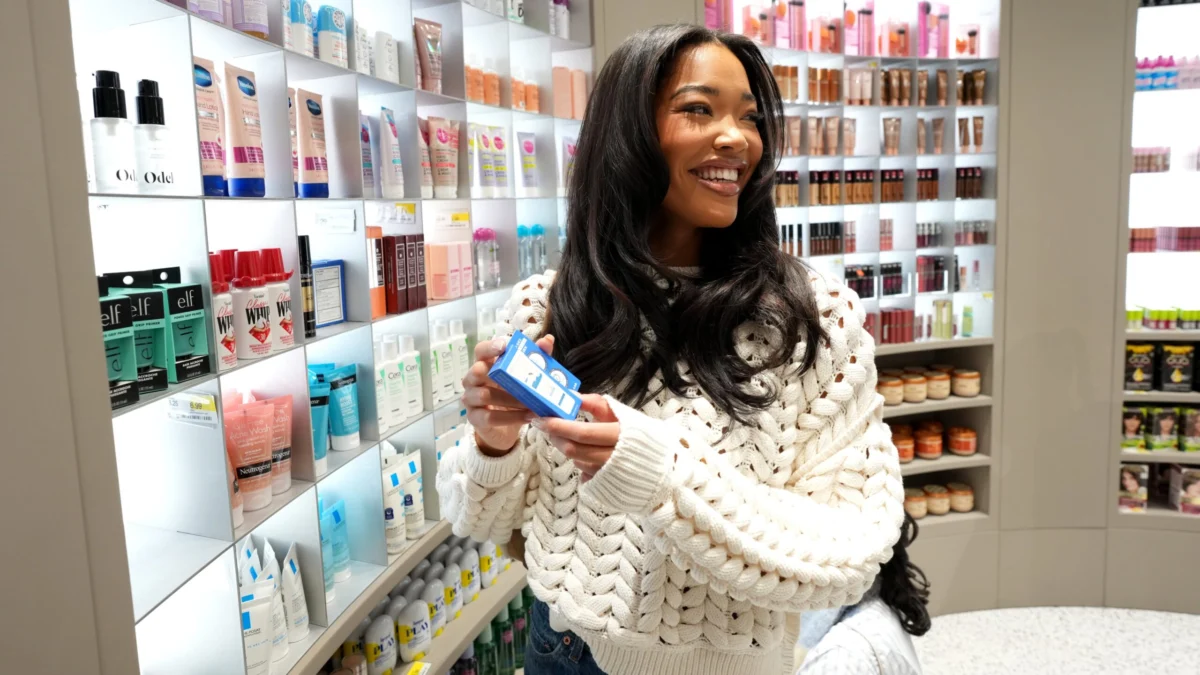
The US mass retailer, Target, is poised to redefine its beauty segment with the strategic relaunch of new shop-in-shops, an initiative closely observed by industry analyst Priya Rao. This move signifies a deeper commitment to integrating prestige beauty offerings within a mass-market environment, building on past successes and addressing evolving consumer demands. The upcoming "Beauty Studio" concept, as indicated by promotional materials featuring figures like Ming Lee Simmons and explicit mentions of leaning on prestige offerings, positions Target to capture a larger share of the lucrative beauty market while further blurring the lines between traditional mass and high-end retail channels. This development is not merely an incremental update but a deliberate strategic pivot designed to elevate the shopping experience, attract new demographics, and cement Target’s reputation as a destination for comprehensive lifestyle needs, including sophisticated beauty solutions.
The initiative comes at a time when the global beauty industry, valued at over $500 billion and projected to grow significantly, is experiencing dynamic shifts. Consumers are increasingly seeking accessibility to premium products without compromising on convenience or value. The rise of social media and influencer culture has democratized access to beauty information, making once-exclusive brands more widely known and desired. Target’s new "Beauty Studio" concept appears to be a direct response to these trends, aiming to curate a selection of brands that resonate with discerning shoppers who might otherwise frequent specialty beauty stores or department stores. This strategy is an evolution of Target’s ongoing efforts to enhance its product categories, mirroring the success seen in other departments like home goods and apparel, where curated selections and designer collaborations have driven substantial growth.
Historical Context: Target’s Journey in Beauty Retail
Target has long been a significant player in the mass beauty market, offering a wide array of drugstore brands and accessible cosmetics. However, its journey into the "prestige" space has been more recent and iterative. For decades, the beauty aisles at mass retailers were largely characterized by commoditized products, with limited differentiation beyond price points. The concept of "drugstore dupes" for high-end products was prevalent, but a direct offering of premium brands within the same retail footprint was rare.
A pivotal moment in Target’s beauty strategy, and indeed for the broader mass retail landscape, occurred in 2020 with the announcement of the "Ulta Beauty at Target" partnership. This collaboration, which began rolling out in 2021, strategically placed mini Ulta shops within Target stores. The "shop-in-shop" model proved to be a resounding success, bringing Ulta’s curated selection of prestige and indie brands, its loyalty program, and its beauty expertise directly to Target’s vast customer base. By late 2023, the partnership had expanded to over 800 Target locations, significantly exceeding initial targets and demonstrating the immense potential of integrating specialized beauty retail into a general merchandise environment. This venture not only boosted beauty sales for Target but also drove increased foot traffic, with customers often making cross-category purchases. The average basket size for customers shopping at Ulta Beauty at Target locations reportedly increased, showcasing the synergistic benefits of the collaboration.
The success of the Ulta partnership provided Target with invaluable insights into consumer behavior and preferences regarding prestige beauty within its stores. It validated the hypothesis that Target’s core demographic was eager for elevated beauty options and was willing to spend on them in a convenient, familiar setting. The "Beauty Studio" relaunch, therefore, can be seen as a natural progression and an internal amplification of these learnings, potentially focusing on brands that complement or expand beyond Ulta’s existing portfolio, or even developing exclusive, higher-tier internal offerings.
The "Beauty Studio" Concept: Design and Offering
While specific details about the brands and exact layout of the new "Beauty Studio" shop-in-shops are yet to be fully disclosed, the emphasis on "prestige offerings" suggests a sophisticated approach. Unlike the Ulta partnership, which leverages an external brand’s identity, the "Beauty Studio" implies a Target-branded or curated experience. This could mean:
- Elevated Aesthetics: The design of these areas is expected to diverge from typical mass-market beauty aisles. Think enhanced lighting, sleek fixtures, interactive displays, and dedicated merchandising that highlights product narratives and ingredients. The goal would be to create an inviting, boutique-like atmosphere that encourages discovery and experimentation, akin to specialty beauty stores.
- Curated Product Assortment: The "prestige offerings" are likely to include a mix of established premium brands, burgeoning indie labels, clean beauty products, and brands founded by diverse entrepreneurs. This aligns with contemporary consumer values that prioritize efficacy, ethical sourcing, ingredient transparency, and inclusivity. Categories could span high-performance skincare, niche fragrances, professional-grade haircare, and cult-favorite makeup brands not typically found in traditional mass retailers.
- Enhanced Customer Experience: Beyond product selection, Target may invest in training dedicated beauty advisors for these studios, offering personalized recommendations and product demonstrations. This would differentiate the experience from self-service mass beauty aisles and bring it closer to the specialized guidance found in Sephora or Ulta. Digital integration, such as augmented reality try-on tools or QR codes linking to detailed product information and tutorials, could also be a feature.
- Exclusive Launches and Collaborations: To further attract attention and create a sense of urgency, the "Beauty Studio" could become a platform for exclusive product launches, limited-edition collections, or collaborations with renowned beauty experts and influencers. This strategy has proven highly effective in other Target categories, generating significant buzz and driving foot traffic.
Market Dynamics and Competitive Implications
The relaunch of Target’s beauty shop-in-shops unfolds against a backdrop of intense competition and rapid innovation within the beauty retail sector.
- The Booming Beauty Market: The US beauty and personal care market is projected to reach over $100 billion by 2027, driven by strong consumer demand across all demographics. Skincare, in particular, has seen robust growth, fueled by wellness trends and increased consumer education on ingredients. The "Beauty Studio" is well-positioned to tap into these high-growth segments.
- Competition from Specialty Retailers: Sephora and Ulta Beauty remain dominant forces in the prestige and mass-prestige segments, respectively. Sephora’s partnership with Kohl’s and Ulta’s with Target illustrate the increasing penetration of specialty beauty into broader retail ecosystems. Target’s own "Beauty Studio" must carve out its unique identity and value proposition to compete effectively without cannibalizing the Ulta at Target offering. It’s possible the "Beauty Studio" will focus on emerging brands or specific categories not extensively covered by Ulta, creating a complementary ecosystem.
- Walmart’s Efforts: Not to be outdone, Walmart has also been aggressively enhancing its beauty offerings, including expanding its premium beauty selection online and partnering with brands like Space NK. The competition among mass retailers to elevate their beauty departments underscores the strategic importance of this category for overall retail dominance.
- E-commerce and DTC Brands: The rise of direct-to-consumer (DTC) beauty brands and the pervasive influence of e-commerce giants like Amazon present another layer of competition. Target’s strategy aims to leverage its strong physical store presence as an experiential advantage, offering discovery and immediate gratification that online channels sometimes lack, while also integrating seamless buy-online-pickup-in-store (BOPIS) options.
Data-Driven Rationale for the Expansion
Target’s decision is undoubtedly backed by extensive internal data and market research. Several factors likely contributed to this strategic move:
- Increased Basket Size: Data from the Ulta at Target partnership likely showed a significant uplift in overall transaction value when beauty products were included in a shopper’s basket. By expanding its own prestige beauty offerings, Target aims to replicate and amplify this effect across a broader range of products.
- Cross-Category Shopping: Target’s unique position as a "one-stop shop" for groceries, home goods, apparel, and electronics makes it an ideal environment for cross-category purchases. A compelling beauty offering encourages customers to consolidate their shopping trips, thereby increasing loyalty and spend per visit.
- Demographic Appeal: Younger demographics, particularly Gen Z and Millennials, are highly engaged with beauty products and are more open to discovering new brands across various price points. These demographics are also frequent Target shoppers, making the "Beauty Studio" a powerful tool for deepening their engagement and capturing a greater share of their disposable income.
- Brand Perception: An elevated beauty offering contributes to Target’s overall brand perception as a stylish, contemporary, and value-driven retailer. It helps shed any lingering perceptions of being solely a discount store, positioning it closer to lifestyle brands.
- Loyalty Program Integration: The new beauty initiative will likely be integrated into Target’s existing loyalty programs, such as Target Circle, offering personalized promotions, rewards, and early access to new products, further incentivizing repeat purchases and customer retention.
Inferred Statements and Expert Analysis
While official statements regarding this specific "Beauty Studio" relaunch are anticipated, one can infer the strategic messaging from Target leadership. A spokesperson might emphasize Target’s unwavering commitment to innovation and guest satisfaction, highlighting the goal of "making premium beauty more accessible and enjoyable for all." They would likely underscore the curated nature of the selection, the enhanced in-store experience, and how this initiative builds upon Target’s legacy of delivering style and value.
Retail analysts are likely to view this move as a shrewd response to market trends and a logical progression of Target’s successful shop-in-shop model. "This is a natural evolution for Target," comments a hypothetical industry analyst, "They’ve proven with Ulta that their customer base is eager for prestige beauty. By developing their own ‘Beauty Studio,’ they gain more control over the brand mix, potentially allowing for exclusive partnerships and a more tailored experience that aligns directly with the Target brand ethos." Another analyst might caution on the operational complexities, "Managing inventory for a diverse range of prestige brands, training staff to provide specialized beauty advice, and ensuring a consistent brand experience across hundreds of stores will be critical challenges. However, Target has a strong track record of operational excellence."
Broader Impact and Future Outlook
The relaunch of Target’s "Beauty Studio" has significant implications for the broader retail and beauty industries:
- Further Blurring of Retail Lines: This move further solidifies the trend of mass retailers encroaching on the territory traditionally held by specialty and department stores. The expectation for consumers to find diverse product offerings, from groceries to luxury goods, all under one roof, is becoming the new norm.
- Pressure on Traditional Beauty Retailers: Specialty beauty stores and department store beauty counters will face increased pressure to innovate and differentiate their offerings beyond product selection. Experiential retail, highly personalized services, and exclusive events will become even more crucial for their survival.
- Shifting Brand Distribution Strategies: For beauty brands, Target’s "Beauty Studio" represents a massive opportunity for wider distribution and access to a broad, engaged consumer base. It may encourage more prestige brands to consider partnerships with mass retailers, adjusting their strategies to reach consumers where they already shop.
- Emphasis on Curated Discovery: In an age of overwhelming choice, curation becomes paramount. Retailers that can effectively filter and present relevant, high-quality products will win consumer trust. Target’s "Beauty Studio" is designed to be a hub for curated discovery, simplifying the shopping journey for beauty enthusiasts.
- Sustainability and Inclusivity: As consumer awareness grows, the demand for sustainable, ethically sourced, and inclusive beauty products is on the rise. Target’s selection in the "Beauty Studio" will likely reflect these values, further influencing brand development and sourcing practices across the industry.
Looking ahead, the success of Target’s "Beauty Studio" will depend on several factors: the uniqueness and appeal of its brand selection, the quality of the in-store experience, effective marketing, and seamless integration with its digital platforms. If successful, this initiative could pave the way for further expansion into other specialized product categories, cementing Target’s role as a leading innovator in the evolving retail landscape and a formidable competitor in the burgeoning prestige beauty market. The retail world watches as Target once again leverages its expansive footprint and consumer insights to reshape the shopping experience, proving that even mass retailers can deliver a touch of luxury and personalized discovery.
