
 By Jia Lissa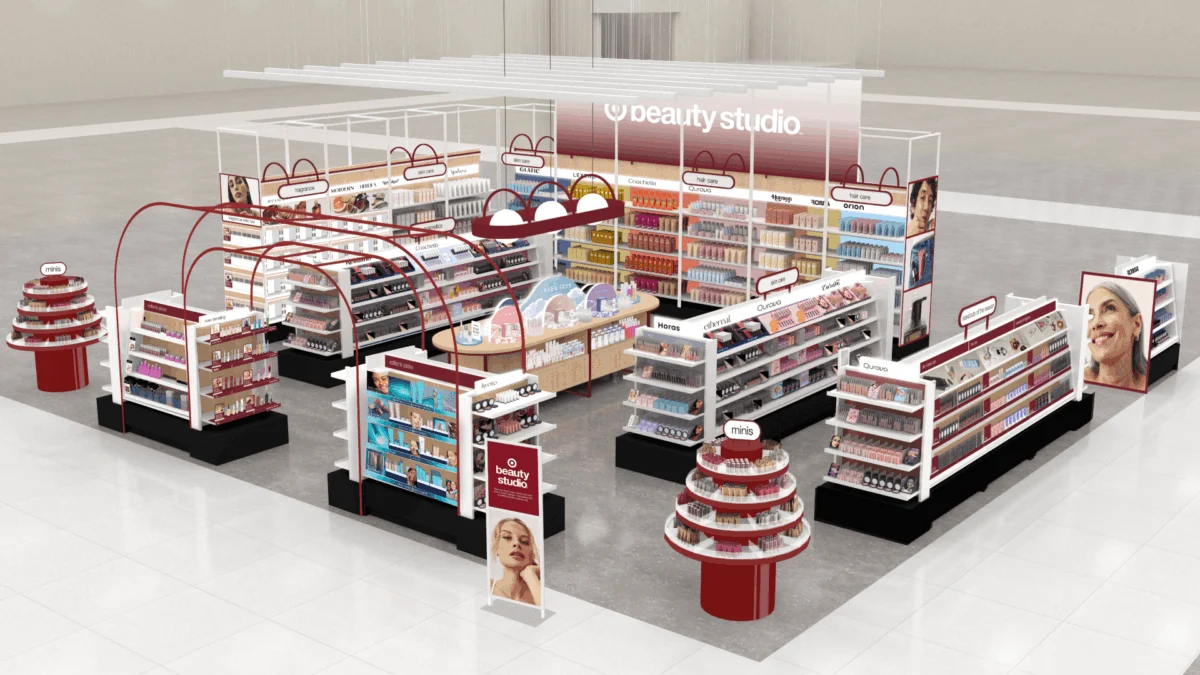
Target is once again finding itself at the center of significant public attention, this time for a dual-pronged narrative: a bold strategic expansion into the prestige beauty market, juxtaposed with renewed controversy over a recently removed Halloween costume. As the retail giant prepares to launch its "Target Beauty Studio" next month, a comprehensive initiative designed to elevate its beauty offerings with high-end brands and an immersive shopping experience, it simultaneously grapples with the fallout from a product that drew widespread accusations of racist imagery. This complex situation highlights Target’s ongoing efforts to redefine its brand image and consumer appeal, even as past controversies continue to cast a shadow.
The Rise of the Target Beauty Studio
The much-anticipated Target Beauty Studio represents a significant investment in the retailer’s beauty division, aiming to capture a larger share of the premium beauty market. This ambitious undertaking will introduce approximately 1,600 products from 90 different brands to over 600 Target stores nationwide. The initiative signifies a clear strategy to cater to consumers seeking more sophisticated and exclusive beauty products, moving beyond Target’s traditional mass-market appeal.
Amanda Nusz, senior vice president of merchandising for essentials and beauty at Target, articulated the vision behind the Beauty Studio, describing it as "our platform for prestige beauty." She emphasized the extensive research and development that has gone into curating an assortment and experience designed to be "compelling in our next chapter of beauty." The goal, according to Nusz, is to tap into consumers’ desire for products they can discover, touch, and try before purchasing, fostering an environment for "exploring beauty in more inspiring spaces."
This strategic pivot is not entirely new for Target. In 2021, the retailer piloted a successful shop-in-shop partnership with Ulta Beauty, bringing popular brands like The Ordinary, MAC Cosmetics, and Urban Decay to hundreds of stores. While that collaboration concluded earlier this year, the Target Beauty Studio marks the next evolution, with a pronounced focus on skincare and haircare.
The expanded beauty assortment features a significant number of new brands for Target, with more than two-thirds being first-time offerings. In haircare, consumers can expect to find brands like Paul Mitchell, Joico, and IGK alongside the high-end Dyson hair tools. The skincare category alone will boast over 30 brands, including established names like Doré and Mario Badescu, as well as innovative offerings such as Shark’s skin tools and Tula. The fragrance section is set to include celebrity-backed lines from Billie Eilish, Coach, and Ariana Grande, while body and nail care will be represented by brands like Maude, Voesh, and Buff Beauty.
The Target Beauty Studio is designed to be more than just a retail space; it will also serve as a hub for events and immersive experiences. Nusz highlighted plans for dedicated areas such as a "minis destination," a "fragrance mini bar," and sections showcasing trending and hero items, all curated to provide a discovery-oriented shopping journey. The retailer is investing in comprehensive employee training to ensure staff are well-versed in the new inventory and can assist customers in navigating the expanded offerings. Target aims to transform the shopping experience from a utilitarian errand into a more engaging and enjoyable outing, akin to a "candy store than grocery store," by increasing the number of in-store events and fostering a playful, imaginative atmosphere.
This expansion also presents a significant opportunity for founder-led beauty brands seeking broader reach. Kim Baker, founder of Glamazon Beauty, views Target as an ideal partner for her brand’s exclusive lineup. She believes her target demographic – busy mothers, professionals, and women of a certain age who are "skin-conscious" but "wise with her money" – will find value and accessibility through Target’s platform. Baker shared that even during past boycotts, many women expressed their longing for the Target shopping experience, indicating a strong underlying loyalty.
Dawn Hilarczyk, COO of Borghese Roma, echoed this sentiment, stating that Target offers a crucial intersection for "democratiz[ing] beauty and premium beauty." For a heritage brand like Borghese, which has been in existence for 70 years but remains relatively unknown to many, Target provides an avenue to reach a wider audience. Similarly, Courtney Somer, founder of Lake & Skye, highlighted Target’s established trust with its beauty consumers and the retailer’s commitment to creating an "elevated environment for discovery." Somer believes the alignment between Lake & Skye’s values of accessibility and discoverability, and Target’s planned experience, makes the partnership a natural fit for expanding the brand’s reach. The addition of 600 new points of sale undeniably increases the accessibility of prestige beauty products.
The Shadow of Controversy: A Recurring Pattern
However, Target’s foray into upscale beauty is occurring amidst a backdrop of renewed controversy. The retailer faced significant backlash and public outcry over a Halloween costume it offered, which was widely criticized for its resemblance to racist imagery and harmful stereotypes. This incident, while swiftly addressed by Target, has reignited discussions about the retailer’s vetting processes and its history of cultural insensitivity.
This is not an isolated event for Target. The company has endured vocal boycotts and significant public criticism over the past two years, particularly concerning its Diversity, Equity, and Inclusion (DE&I) initiatives and its Pride-related product rollbacks. These controversies emerged after Target made public pledges related to diversity and inclusion in the wake of the 2020 murder of George Floyd, a period of heightened social awareness and calls for corporate accountability.
In response to the recent Halloween costume controversy, Target issued a swift apology and removed the offending product from its website. This pattern of apology and product removal has become a familiar response from the retailer when faced with similar accusations. The juxtaposition of these two narratives – the aspirational launch of the Beauty Studio and the damaging impact of a controversial product – presents a complex challenge for Target’s brand management and public perception.
Historical Context and Analysis
The recurring nature of these controversies suggests a systemic issue within Target’s product selection and approval processes. The company’s efforts to promote inclusivity and diversity, as evidenced by its DE&I pledges, appear to be undermined by the inadvertent or negligent inclusion of products that perpetuate harmful stereotypes. This creates a dissonance for consumers who are looking for brands that align with their values.
Timeline of Key Events and Criticisms:
- 2020: Following the murder of George Floyd, Target makes public commitments to enhance its DE&I efforts and support for marginalized communities.
- May 2023: Target faces significant backlash and protests over its Pride Month collection, with accusations of "tuck-friendly" swimwear for children and other controversial items. This leads to reports of product removals and store relocations due to safety concerns for employees.
- October 2023: A Halloween costume sold by Target draws widespread condemnation for resembling racist caricatures. The company issues an apology and removes the product.
- Early 2024 (projected): Target plans to launch its "Target Beauty Studio," a significant expansion into premium beauty products, signaling a strategic shift in its beauty offerings.
The implications of these ongoing controversies are multifaceted. For the new Beauty Studio initiative, the retail giant faces the challenge of rebuilding trust with a segment of its consumer base that may have been alienated by past incidents. While Target aims to attract a more discerning beauty shopper, the shadow of previous missteps could impact consumer willingness to engage with its premium offerings. The success of the Beauty Studio may, in part, depend on Target’s ability to demonstrate a genuine commitment to responsible sourcing and cultural sensitivity, not just in its beauty aisles but across its entire product catalog.
The financial implications are also significant. Boycotts and negative publicity can lead to decreased sales and damage brand loyalty. While Target has a large and generally loyal customer base, sustained controversy can erode that foundation. The company’s response to these incidents—typically a swift apology and product removal—suggests an awareness of the damage, but the recurrence of such issues raises questions about the efficacy of its internal controls and cultural sensitivity training.
Furthermore, the expansion into prestige beauty requires a different approach than its mass-market offerings. Consumers seeking high-end products often have higher expectations regarding brand ethics and image. Target’s ability to navigate this delicate balance—offering premium products while simultaneously addressing and rectifying past ethical lapses—will be crucial for its long-term success in the evolving retail landscape. The company’s strategy to integrate a more sophisticated beauty experience needs to be underpinned by robust practices that prevent the reoccurrence of the very controversies that have plagued it. The success of the Target Beauty Studio will ultimately be judged not only by the brands it carries and the experience it offers but also by its demonstrated commitment to ethical retail practices and cultural awareness.
