
 By admin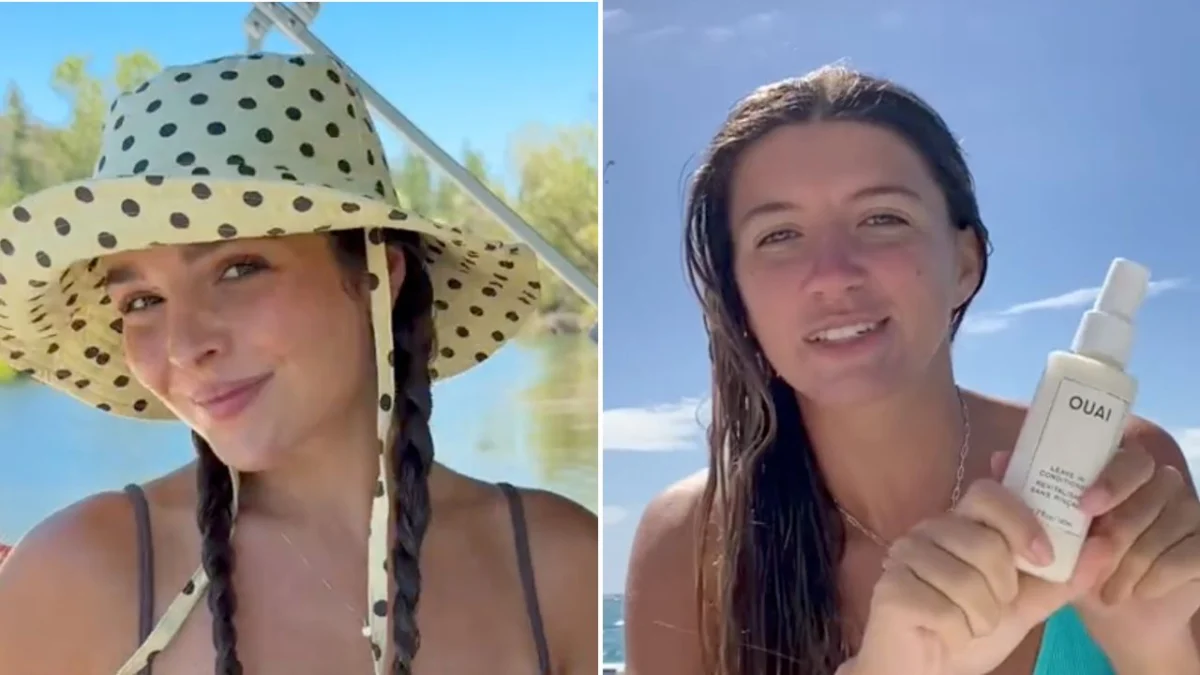
The allure of a refreshing dip in the ocean or a leisurely swim in the pool during the summer months is undeniable. However, for many, the joy of these aquatic activities is often followed by the unwelcome reality of damaged hair. The combination of saltwater and chlorine, while invigorating in the moment, can wreak havoc on hair strands, leading to dryness, breakage, and a noticeable dullness that detracts from summer’s vibrant aesthetic. This article delves into the scientific reasons behind this damage and outlines a comprehensive, five-step post-swimming hair care regimen designed to counteract these detrimental effects and maintain hair health throughout the season.
The Science Behind Summer Hair Damage
Understanding the specific ways saltwater and chlorine impact hair is crucial to implementing effective protective measures. Saltwater, a complex solution of minerals and salts, primarily dehydrates hair. When water evaporates from the hair shaft, it leaves behind salt crystals. These crystals draw out the natural moisture from the hair’s cuticle, the outermost protective layer. This process, known as osmosis, can leave hair feeling brittle, coarse, and prone to breakage. A study published in the Journal of Cosmetic Science highlighted how increased salinity in water significantly reduces hair’s tensile strength and increases its susceptibility to mechanical damage.
Chlorine, a chemical disinfectant commonly used in swimming pools, presents a different, yet equally damaging, set of challenges. Its primary function is to kill bacteria and other microorganisms, a process that involves breaking down organic matter. Unfortunately, this aggressive chemical action extends to the hair. Chlorine strips away the natural oils, or sebum, that coat and protect the hair shaft. Sebum is vital for maintaining hair’s flexibility, shine, and overall health. When it’s depleted, hair becomes dry, porous, and more vulnerable to damage. Furthermore, chlorine can interact with minerals present in pool water and on the hair, leading to a greenish tint in lighter hair colors, a phenomenon often referred to as "swimmer’s hair." Research from the American Academy of Dermatology consistently warns about the cumulative effects of chlorine exposure, noting that prolonged immersion can lead to a breakdown of the hair’s protein structure, primarily keratin, resulting in weakened strands.
The sun’s ultraviolet (UV) radiation acts as an accelerant to this damage. UV rays can degrade the keratin in hair, further weakening its structure and contributing to color fading. When hair is already compromised by salt or chlorine, its natural defenses against UV damage are diminished, creating a synergistic effect that intensifies the negative impacts. The American Association of Textile Chemists and Colorists has reported on how UV exposure can degrade dyes and proteins in hair, making it more susceptible to breakage and loss of elasticity.
A Five-Step Strategy for Post-Swim Hair Resilience
To combat these cumulative effects, a proactive and consistent hair care approach is essential. The following five tips, developed by hair care professionals and supported by anecdotal evidence and scientific understanding, form a robust strategy for maintaining healthy hair during periods of frequent swimming.
Tip 1: The Protective Duo of Conditioner and Braids
Wet hair is inherently more fragile than dry hair. This is due to the absorption of water, which causes the hair shaft to swell and the cuticle, the overlapping scales that protect the inner cortex, to lift. This raised cuticle makes each strand more vulnerable to snapping under tension, whether from wind, brushing, or simply the weight of the hair itself. When combined with repeated immersion in saltwater or chlorine and prolonged sun exposure, this vulnerability is amplified, leading to a rapid increase in damage.
The immediate aftermath of a swim presents a critical window for intervention. Applying a generous amount of conditioner to the mid-lengths and ends of wet hair immediately after exiting the water provides a crucial protective barrier. The conditioner’s ingredients coat the hair shaft, temporarily sealing the cuticle and reducing friction between strands. This not only slows down moisture loss but also makes the hair more resilient to external stressors. Following this conditioning step with a protective braid is a highly effective practice. Any braiding style, from a simple three-strand braid to a more intricate rope braid, helps to keep the hair strands neatly contained, preventing them from rubbing against each other and becoming tangled by wind or movement. This minimizes mechanical stress and further reduces the risk of breakage. For an added layer of protection, a wide-brimmed hat should be worn to shield the scalp and hair from direct, harsh sunlight. This combination of conditioner and braiding is also recognized as one of the most effective waterproof hairstyles for beach or poolside activities, requiring no additional styling tools.
Tip 2: Implementing an Anti-Chlorine Routine
The pervasive nature of chlorine in swimming pools necessitates a dedicated routine to mitigate its stripping effects. Chlorine’s chemical properties are designed to break down organic matter, and in hair, this translates to the degradation of proteins like keratin, which are essential for hair’s strength and structure. This process depletes the hair’s natural oils, leading to brittleness, color fading, and split ends. For individuals who swim regularly in chlorinated pools, the damage can compound significantly over time if not addressed promptly.
The first and most critical step in combating chlorine damage is immediate rinsing. As soon as possible after exiting the pool, head to a shower and thoroughly rinse the hair with warm water for at least two to three minutes. This vigorous rinsing helps to flush out as much chlorine as possible before it can penetrate deeply into the hair shaft. The sooner this process is initiated, the more effective it will be in preventing lasting damage.
Following the rinse, if washing is necessary, opt for a gentle shampoo. Micellar shampoos or sulfate-free formulas are ideal in this scenario. These cleansing agents are designed to lift impurities and product buildup without stripping the hair of its essential natural oils. This is particularly important when frequent washing is required due to daily swimming. While a clarifying shampoo can be beneficial for occasional deep cleaning, its daily use can lead to an overly dry scalp and further exacerbate hair dryness, making it counterproductive in a regular swimming regimen. This two-step approach—a thorough rinse followed by a gentle wash—forms the cornerstone of an effective summer hair care routine for swimmers.
Tip 3: The Power of Air-Dry Cream and Leave-In Conditioner
Saltwater, while often perceived as having a texturizing effect, is fundamentally dehydrating. As ocean water evaporates from the hair, it leaves behind concentrated salt crystals that actively draw moisture from the hair shaft. This results in strands that feel rough, tangled, and parched. If access to fresh water is available immediately after swimming in the ocean, a thorough rinse can significantly dilute the salt concentration on the hair cuticle, thereby slowing down the drying process and minimizing moisture loss.
In situations where fresh water is not readily available, immediate application of specialized hair products becomes paramount. An air-dry cream formulated with UV protection is a highly recommended choice. These creams help to tame frizz, smooth the hair cuticle, and create a protective barrier against the damaging effects of the sun as the hair dries naturally. Following this with a leave-in conditioner is a crucial next step. The leave-in conditioner works to seal in moisture, enhance the hair’s slip, and make subsequent detangling a much smoother process.
These two products work synergistically. The air-dry cream addresses external factors like frizz and UV exposure, while the leave-in conditioner focuses on internal hydration and manageability. Together, they provide comprehensive protection and nourishment for hair exposed to saltwater. The most detrimental action one can take is to allow saltwater to remain in the hair until it air-dries completely without any protective product. This scenario maximizes the dehydrating and damaging effects of the salt. When selecting summer styling products, it is advisable to look for formulations that incorporate these protective and hydrating benefits.
Tip 4: The Essential Detangling Spray Trick
The roughened and lifted outer cuticle caused by both saltwater and chlorine is the primary reason behind the aggressive knotting and tangling that often follows a swim. Attempting to comb through dry, tangled hair is a direct pathway to breakage. Similarly, forcing a brush through wet, unconditioned, and knotted strands can cause significant damage.
A detangling spray fundamentally alters this process. Applying it liberally to wet hair immediately after swimming, before attempting any combing, is a game-changer. The spray coats each strand, dramatically reducing friction and allowing a wide-tooth comb to glide through the knots rather than snagging. The recommended technique is to start detangling from the ends of the hair and gradually work upwards towards the roots, addressing small sections at a time. This methodical approach minimizes stress on the hair shaft.
The detangling spray also provides a crucial window of time, keeping the hair pliable and manageable while knots are being worked out. This significantly reduces the likelihood of snapping or tearing strands. For individuals who engage in daily swimming, this single step can dramatically cut down on breakage and preserve the integrity of their hair throughout the summer season.
Tip 5: The Revitalizing Hair Mask Routine
For those who maintain an active swimming schedule and also wish to style their hair for evening events or social occasions, the demands placed on their hair are considerable. In such cases, a nourishing hair mask becomes not just a recommendation but a necessity, particularly for those swimming multiple times a week. The constant exposure to chlorinated or saltwater environments depletes both moisture and structural proteins from the hair, a level of damage that a regular conditioner, which primarily coats the hair’s surface, cannot fully address.
Hair masks differ from conditioners in their ability to penetrate deeper into the hair’s cortex, the inner core of the hair shaft. This deeper penetration allows them to replenish lost proteins and moisture more effectively. Furthermore, hair masks help to seal the cuticle, contributing to a smooth, glossy finish once the hair dries, and rebuild the protein structures that are compromised by chemical exposure.
To incorporate a hair mask into your routine, apply it after shampooing on your post-swim wash days. Allow the mask to remain on the hair for a minimum of five to ten minutes to permit sufficient penetration. Rinsing with cool water helps to further close the hair cuticle, locking in the beneficial ingredients and enhancing shine. By integrating this deep conditioning treatment into your regular rotation alongside the other protective hacks, your hair will exhibit significantly greater resilience and maintain its health throughout a summer filled with daily swims and evolving hair trends.
Conclusion: Proactive Care for a Summer of Healthy Hair
The damaging effects of saltwater and chlorine on hair are undeniable, but they are far from inevitable. By adopting a strategic and consistent post-swimming hair care regimen, individuals can effectively protect their tresses and maintain their health and vitality throughout the summer months. This comprehensive approach begins with immediate post-swim actions, such as applying conditioner and braiding the hair to minimize mechanical stress. Promptly rinsing out chlorine and using gentle shampoos are crucial for mitigating its stripping effects. Furthermore, utilizing air-dry creams with UV protection and leave-in conditioners combats the dehydrating impact of saltwater, while detangling sprays are indispensable for preventing breakage during the combing process. Finally, the regular use of nourishing hair masks provides the deep conditioning necessary to repair and replenish hair that undergoes frequent aquatic exposure.
Implementing all five of these strategies ensures that hair remains strong, hydrated, and vibrant, capable of withstanding the rigils of a summer filled with swimming. With a robust hair care routine in place, individuals can confidently explore the latest hair trends for summer, knowing their hair is receiving the support it needs to look and feel its best. For those seeking to further enhance their summer hair journey, virtual try-on tools and hair inspiration apps can offer personalized styling advice that complements their newly fortified hair health. This proactive approach transforms the potential for summer hair damage into an opportunity for enhanced hair resilience and style.
