
 By admin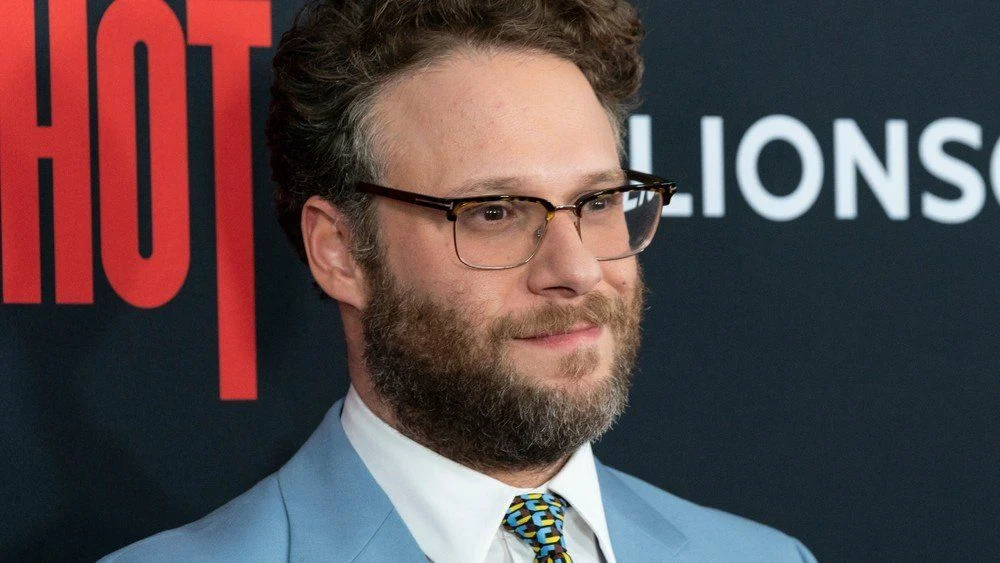
Seth Rogen, a multi-hyphenate force in modern cinema, offered a candid glimpse into the formative influences of his illustrious career during a reflective session at the 2026 Toronto International Film Festival. While accepting the prestigious Norman Jewison Career Achievement Award, the Vancouver-born actor, writer, director, and producer recounted a pivotal piece of filmmaking advice that, despite its unexpectedly raunchy delivery, has profoundly shaped his creative philosophy. The wisdom, distilled into four memorable words, came from longtime collaborator Judd Apatow during the production of their 2007 hit comedy, Knocked Up: “Less semen, more emotion.”
This seemingly crude directive, initially delivered as an impromptu shout-out during an improvisational take, transcended its literal interpretation to become a cornerstone of Rogen’s approach to comedic storytelling. It underscores a fundamental principle that has defined his and his creative partner Evan Goldberg’s work: the delicate yet crucial balance between outrageous humor and genuine emotional depth. This philosophy has not only cemented Rogen’s status as a leading voice in contemporary comedy but has also propelled his expansion into diverse dramatic and animated projects, all while maintaining a signature blend of authenticity and relatability.
The Genesis of a Guiding Principle: Apatow’s Impact on Knocked Up
The advice emerged from the dynamic, often unscripted environment characteristic of Judd Apatow’s productions, particularly during the filming of Knocked Up. The 2007 romantic comedy, which Apatow wrote and directed, starred Rogen as Ben Stone, a slacker whose one-night stand with Alison Scott (Katherine Heigl) leads to an unexpected pregnancy. Known for its extensive use of improvisation, the set of Knocked Up was a crucible for organic humor and character development. It was amidst one such free-flowing session, as Rogen recalled, that Apatow, from another room, bellowed the now-famous four words.
Judd Apatow, himself a veteran of stand-up comedy and a prolific filmmaker, has consistently championed a style that grounds outlandish scenarios in relatable human experiences. From his early work on The Larry Sanders Show to films like The 40-Year-Old Virgin and Funny People, Apatow has cultivated a brand of comedy that, while often R-rated and irreverent, never shies away from exploring the anxieties, vulnerabilities, and genuine affection between its characters. His advice to Rogen was, therefore, less a spur-of-the-moment joke and more a concise articulation of his established artistic creed. It served as a reminder that even the most provocative humor gains resonance when rooted in authentic human feeling, preventing gags from existing solely for shock value. This principle became a recurring touchstone for Rogen and his writing partners, a critical filter through which scenes are evaluated: does the joke serve the character and story, or does it merely exist for its own sake?
Deconstructing "Less Semen, More Emotion": A Masterclass in Tone
The phrase "Less semen, more emotion" is, at its core, a powerful lesson in tonal balance and narrative purpose. In the context of Rogen’s work, which often features explicit humor and irreverent situations, the "semen" part symbolizes the easy, often superficial laugh derived from shock or vulgarity. The "emotion" component, conversely, represents the deeper, more enduring connection forged when audiences invest in a character’s journey, struggles, and relationships. It highlights that while crude humor can grab attention, it’s the underlying emotional stakes that sustain engagement and elevate a film beyond a series of disconnected gags.
This philosophy suggests that true comedic impact often arises from the friction between a character’s genuine feelings and the absurd circumstances they navigate. When humor is disconnected from character motivation or emotional truth, it risks feeling hollow or gratuitous. Conversely, when a character’s vulnerability, fear, love, or frustration drives the comedy, the laughs become more profound, more resonant, and ultimately, more memorable. This approach requires filmmakers to delve into the psychology of their characters, ensuring that even their most outlandish actions stem from recognizable human desires or insecurities.
Rogen’s Filmography: A Testament to Balanced Storytelling
Rogen’s extensive filmography, particularly the projects developed with his long-standing creative partner Evan Goldberg under their Point Grey Pictures banner, stands as a vivid illustration of this principle in action.
- Superbad (2007): Released in the same year as Knocked Up, Superbad is perhaps the quintessential example. While packed with raunchy teenage antics, foul language, and the legendary character of McLovin, the film’s emotional core lies in the poignant farewell between childhood friends Seth (Jonah Hill) and Evan (Michael Cera) as they prepare for college. The humor derives from their desperate attempts to lose their virginity and secure alcohol, but the underlying narrative arc is a heartfelt exploration of the anxieties surrounding change and the unbreakable bonds of friendship. Grossing over $170 million worldwide on a modest budget, its critical and commercial success underscored the audience’s appetite for comedies with genuine heart.
- Pineapple Express (2008): This stoner action-comedy, while visually dynamic and replete with drug-fueled mayhem, builds its narrative around the escalating bromance between a process server (Rogen) and his dealer (James Franco). Amidst explosions and shootouts, their loyalty and friendship are tested, providing an emotional anchor that elevates the film beyond a simple genre exercise.
- This Is the End (2013): A meta-comedy where Rogen, Goldberg, and their friends play exaggerated versions of themselves during the apocalypse, the film is a masterclass in blending celebrity satire, gross-out humor, and genuine character conflict. The friendships, rivalries, and insecurities of the ensemble cast drive much of the comedy, but the film also explores themes of redemption, self-sacrifice, and the true meaning of friendship amidst global catastrophe.
- Neighbors (2014): Pitting a young couple (Rogen and Rose Byrne) against a rowdy fraternity, this film uses the generational clash for explosive comedic effect. Yet, beneath the outrageous pranks and party scenes, it deftly explores the anxieties of early parenthood, the fear of losing one’s youth, and the struggle to define identity after settling down. The emotional stakes—the couple’s marriage and their sense of self—ground the escalating absurdity.
These films, among others, demonstrate that Rogen and Goldberg have consistently applied Apatow’s lesson, crafting narratives where the laughs are amplified by the audience’s investment in the characters’ emotional journeys.
A Career Forged in Collaboration and Early Ambition
Seth Rogen’s path to becoming a Hollywood luminary began remarkably early. Growing up in Vancouver, Canada, he cultivated his comedic talents as a teenage stand-up comedian, performing in local clubs and honing his distinctive voice. It was during this formative period that he met Evan Goldberg, his lifelong creative partner. Together, as teenagers, they began to conceptualize an early version of what would eventually become Superbad, a testament to their enduring collaborative spirit and shared vision.
Rogen’s professional trajectory gained significant momentum when he landed a role on the critically acclaimed, though short-lived, television series Freaks and Geeks (1999-2000). Created by Paul Feig and executive produced by Judd Apatow, the show became a launching pad for a generation of comedic talent, including James Franco, Jason Segel, Linda Cardellini, and Busy Philipps. Rogen’s portrayal of the sarcastic Ken Miller marked the beginning of his enduring professional relationship with Apatow. This collaboration continued with Undeclared (2001-2002), another Apatow-produced series, where Rogen not only acted but also joined the writing staff, further expanding his creative toolkit beyond performance. These early experiences were crucial in developing his skills as a screenwriter and filmmaker, providing him with a holistic understanding of the production process that would serve him well in later years.
The Norman Jewison Award: Recognizing a Global Canadian Impact
The recognition at the 2026 Toronto International Film Festival with the Norman Jewison Career Achievement Award is a profound testament to Rogen’s significant and lasting impact on the global entertainment landscape. The award, named after the legendary Canadian filmmaker behind classics like In the Heat of the Night and Fiddler on the Roof, celebrates Canadian film professionals whose work has achieved international acclaim and influence. Rogen’s receipt of this honor places him among a distinguished pantheon of artists who have elevated Canadian cinema on the world stage.
His journey from a teenage stand-up comedian to an accomplished actor, screenwriter, producer, and director—with ventures spanning film, television, and even voice acting—exemplifies the diverse and expansive career path the award seeks to acknowledge. Rogen’s ability to consistently deliver both commercially successful blockbusters and critically lauded projects, all while maintaining a distinct comedic voice, underscores the breadth of his appeal and the enduring quality of his output. The TIFF platform, known for showcasing global talent and fostering industry discussions, provided the ideal setting for Rogen to reflect on the insights that have guided his remarkable career.
Expanding Horizons: Current Projects Embodying Emotional Depth
Rogen’s recent and upcoming projects further illustrate his continued commitment to the "less semen, more emotion" philosophy, showcasing a remarkable expansion of his artistic range beyond conventional broad comedy.
- Babies: Co-starring with Anna Kendrick, Rogen leads this film written and directed by his wife, Lauren Miller Rogen. The movie delves into the intricate questions surrounding parenthood and the decision to have children, a deeply personal and emotionally resonant theme. This collaboration with his wife on a project exploring such intimate life choices underscores Rogen’s willingness to engage with complex emotional narratives, often drawing from real-life experiences. The film is expected to blend humor with genuine introspection, reflecting the anxieties and joys of modern relationships and family planning.
- Tangles: This animated adaptation of Sarah Leavitt’s poignant graphic memoir represents a significant departure for Rogen and Miller Rogen, who are both involved in the project. Tangles explores a family’s experience with Alzheimer’s disease, a topic that inherently demands profound emotional storytelling. This venture into a serious, dramatic animated feature highlights Rogen’s evolving artistic interests and his dedication to using the medium to tell stories that evoke strong, authentic emotions, even in the absence of his characteristic raunchy humor. It is a clear demonstration of prioritizing "emotion" in its purest form.
- The Studio: Rogen co-created and stars in Apple TV+’s critically acclaimed series The Studio with Evan Goldberg. In this Hollywood satire, Rogen plays Matt Remick, a studio executive navigating the often-absurd pressures of balancing artistic integrity with commercial demands, celebrity egos, and corporate filmmaking. The series offers Rogen another opportunity to blend sharp, observational comedy with the underlying frustrations and insecurities of characters striving for success and survival in the cutthroat entertainment industry. It uses the comedic lens to expose the emotional vulnerabilities and power dynamics inherent in Hollywood, proving that even satire benefits from grounded emotional stakes.
These projects collectively demonstrate that Rogen’s creative journey is continuously evolving, marked by a deliberate embrace of emotionally rich storytelling. While comedy often remains a component, it is increasingly woven into narratives that explore deeper human experiences, from personal relationships to societal issues and profound life challenges.
Broader Implications for the Entertainment Industry
Seth Rogen’s journey and his adherence to Apatow’s memorable advice offer invaluable lessons for actors, writers, and filmmakers across the industry. For actors, it serves as a powerful reminder that comedic performance is not solely about delivering punchlines. True comedic mastery often lies in understanding a character’s internal world—their motivations, fears, vulnerabilities, and relationships—and allowing these emotional truths to inform the humor. During auditions and performances, demonstrating authenticity, vulnerability, and believable reactions can elevate a comedic role, making the funny moments land with greater impact and resonance.
For writers, Rogen’s philosophy underscores the importance of character-driven narratives. Audiences are more likely to invest in a story when the comedy is organically linked to recognizable human experiences and emotions. This means developing characters with depth, crafting dialogue that reflects their inner lives, and ensuring that plot developments have genuine emotional consequences. It’s about building a narrative where laughter is earned through connection, not just manufactured through gags.
For filmmakers, the lesson is about the strategic deployment of tone. An outrageous moment, while potentially shocking, only achieves lasting meaning when it serves a broader emotional or thematic purpose. Rogen’s work exemplifies how humor, reality, and emotion can coexist within the same scene, creating a rich tapestry that captivates and resonates. This approach ensures that a film’s impact extends far beyond its initial laughs, leaving audiences with a lingering sense of connection and understanding.
In an increasingly competitive and diverse entertainment landscape, the ability to blend humor with authentic human emotion is a hallmark of enduring success. Seth Rogen’s creative evolution, guided by those four unexpectedly raunchy words, stands as a compelling testament to the power of grounded storytelling. What began as a crude joke on the set of Knocked Up has blossomed into a sophisticated creative philosophy, continually shaping the work of one of Hollywood’s most influential and beloved figures, ensuring his comedic legacy is built on a foundation of genuine heart.
