
 By Nila Kartika Wati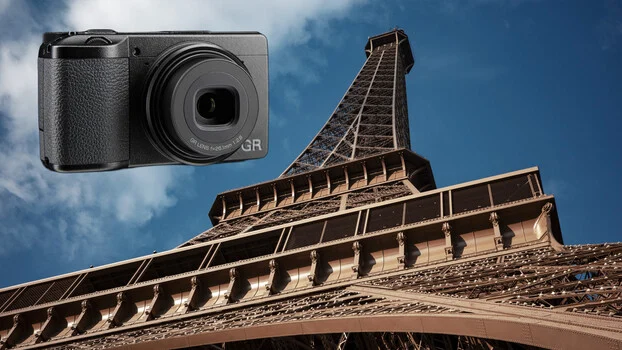
The allure of Paris, a city immortalized through countless lenses, often presents a paradox for photographers: its ubiquitous beauty makes it familiar even before arrival, yet capturing its essence authentically, without succumbing to cliché, remains a formidable challenge. A recent 24-hour photographic exploration within the elegant 7th arrondissement with the Ricoh GR IIIx camera revealed an unexpected capability: the device’s unique design fostered a sense of immersion, allowing the photographer to seamlessly integrate into the urban fabric rather than stand apart from it. This experience underscored how a camera, by virtue of its discreet form factor and robust performance, can fundamentally alter not just the photographic outcome but the very interaction with a location.
The Evolving Landscape of Travel Photography
In an era dominated by ubiquitous smartphone cameras and increasingly sophisticated mirrorless systems, the niche for dedicated compact cameras might seem to narrow. However, the Ricoh GR IIIx occupies a distinct and increasingly valued segment, catering to photographers who prioritize discretion, immediacy, and a minimalist approach without compromising on image quality. Many modern travel photographers grapple with the dilemma of carrying heavy, conspicuous gear that can transform the act of photography into a laborious, separate endeavor from the travel experience itself. Bulky camera bodies, an array of heavy lenses, and cumbersome bags often lead to equipment being left behind, negating its potential. The premise of the GR IIIx directly addresses this friction, proposing a solution that integrates photography fluidly into daily exploration. This particular expedition to Paris, undertaken ahead of a professional event, served as an opportune testbed for this philosophy, allowing for an intensive, unburdened engagement with one of the world’s most photographed cities.
Technical Acumen in a Compact Form
The Ricoh GR IIIx stands out in a market segment often characterized by compromises between size and capability. Its design philosophy is rooted in providing professional-grade results from a pocketable device. At its heart is a physical 26.1mm lens, which, when coupled with an APS-C size image sensor and a 1.53x crop factor, yields a 40mm full-frame equivalent field of view. This specific focal length is often lauded as a "normal" lens, closely mirroring the natural magnification and perspective of human vision. Unlike wider lenses that can introduce distortion or narrower telephoto lenses that compress perspective, the 40mm focal length offers a balanced, naturalistic rendition of a scene, making it exceptionally versatile for capturing the world as one perceives it. This characteristic proved instrumental in documenting the spontaneous moments encountered during the Parisian wanderings, aligning perfectly with the objective of capturing observations without overt manipulation.
The integration of an APS-C sensor within such a diminutive body is a significant engineering feat. This sensor size, considerably larger than those found in most smartphones and many compact cameras, offers superior light-gathering capabilities, resulting in improved dynamic range, better low-light performance, and the ability to achieve shallower depths of field for subject isolation. These attributes are critical for producing high-quality images that transcend the limitations often associated with smaller form factors, enabling the GR IIIx to handle challenging lighting conditions—from the soft, overcast mornings to the vibrant, illuminated evenings—with a level of fidelity typically expected from larger camera systems. Furthermore, the camera’s swift autofocus system and rapid startup time ensure that fleeting moments can be captured instantly, a crucial advantage in dynamic street and travel photography where decisive moments can vanish in an instant.
A Day in the 7th Arrondissement: Chronology of an Immersion
The photographic journey began in the 7th arrondissement, an area renowned for its aristocratic elegance, iconic landmarks, and vibrant local life. The initial objective was deliberately unscripted: to simply wander, observe, and allow the city to reveal itself, rather than pursuing a pre-determined shot list or replicating postcard views. This approach was intrinsically linked to the GR IIIx’s ethos, encouraging a responsive, intuitive style of photography.
Morning: Overcast Observations and Everyday Life
The morning hours were characterized by an overcast sky, casting a soft, diffuse light over the Parisian streets. This subdued lighting was ideal for capturing the nuanced textures and subtle hues of the architecture and daily routines. The photographer spent these initial hours deliberately eschewing major tourist attractions, instead focusing on the "ordinary moments" that constitute the true rhythm of any city. These included café patrons engrossed in conversation, local shopkeepers preparing for the day, and residents navigating their morning commutes. The GR IIIx, easily tucked into a jacket pocket, allowed for quick, unobtrusive captures. Its silent operation and unassuming presence meant subjects were largely unaware of being photographed, fostering a genuine depiction of urban life that might otherwise be disturbed by a larger, more attention-grabbing camera. The 40mm focal length proved adept at isolating subjects within their environment without overly compressing the scene, maintaining a natural perspective that felt both intimate and expansive.
Afternoon: Sunlight, Icons, and Candid Interactions
As the day progressed, the weather transitioned, with the sun periodically breaking through the clouds, adding a new dimension of light and shadow to the urban landscape. This shift coincided with a gradual movement towards some of Paris’s more recognizable landmarks. While the objective remained to avoid conventional "postcard" shots, the GR IIIx encouraged a different interaction with these icons. Instead of merely framing the Eiffel Tower in its entirety, the camera’s fixed 40mm lens prompted a more active and interpretive approach. Photographers were compelled to move, reposition, and simplify compositions, seeking out fragments of the city where the Eiffel Tower appeared as an organic element within a broader scene, rather than its sole focal point.
A particularly engaging aspect of this phase involved observing and photographing tourists interacting with the Parisian backdrop. Rue de l’Université, known for its picturesque views of the Eiffel Tower, became a stage for capturing people in the act of creating their own photographic memories—taking selfies, posing for portraits with family and friends. This meta-commentary on modern travel and photography was facilitated by the GR IIIx’s discretion. The small camera allowed the photographer to blend into the crowd, becoming an unnoticed observer of these personal moments, resulting in candid and often humorous depictions of contemporary tourism. The 40mm lens, again, proved its versatility, allowing for sufficient context while still focusing on human subjects and their expressions. The ease of access, facilitated by the camera’s portability, meant that these fleeting interactions could be captured without fumbling for equipment, preserving the spontaneity of the moment.
Evening: Low Light, Technical Demands, and Practical Trade-offs
The final hours of the day brought a dramatic change in weather: heavy rain swept across Paris as evening descended, adding a layer of atmospheric challenge to the photographic endeavor. The focus shifted towards capturing the illuminated Eiffel Tower at night, a scenario that typically demands longer exposures and stable camera support. This marked a transition from spontaneous street photography to a more deliberate, technically demanding exercise.
For low-light photography requiring extended shutter speeds, a tripod becomes indispensable. However, this necessity highlighted a practical trade-off inherent in the pursuit of ultra-portability. The photographer had employed a Peak Design Capture Camera Clip system for hands-free carrying throughout the day, attaching it via the camera’s standard threaded mount. This system, while offering unparalleled accessibility and comfort during daytime wandering, occupied the very same mounting point required for a tripod plate. The challenge of standing in the rain, attempting to swiftly detach the Peak Design clip and attach a tripod plate to a small, wet camera, all while racing against the clock to capture the Eiffel Tower’s iconic five-minute hourly sparkle, underscored the delicate balance between convenience and specialized technical requirements. Missing the sparkle meant an hour’s wait in inclement weather for the next opportunity.
This incident, while momentarily inconvenient, was not a flaw of the camera itself but rather an illustration of the compromises inherent in optimizing a setup for different photographic scenarios. The GR IIIx, despite its compact size, proved capable of performing as a serious tool for long-exposure photography, requiring the same stability as a much larger system camera. Its APS-C sensor and excellent image processing allowed for high-quality files even in challenging low-light conditions, demonstrating its versatility across a broad spectrum of photographic demands. This capability for seamless transition between effortless everyday carry and demanding technical application is a defining characteristic of the GR IIIx, setting it apart from many other compact cameras.
Supporting Data and Market Context
The Ricoh GR series has cultivated a dedicated following over decades, representing a consistent philosophy in camera design. Since the original film GR1 in 1996 and its digital successors, Ricoh has steadfastly committed to a concept of a high-quality, fixed-lens compact camera optimized for street and documentary photography. This commitment has allowed the series to carve out a resilient niche in a competitive market. While global shipments of digital cameras have seen a decline in recent years, largely due to the rise of smartphones, premium compacts like the GR IIIx have maintained relevance by offering superior image quality, tactile controls, and a distinct user experience that smartphones cannot replicate.
Industry reports consistently highlight that while casual photographers increasingly rely on smartphones, serious enthusiasts and professionals often seek out specialized tools. The GR IIIx, with its robust build quality, intuitive controls, and image fidelity, caters precisely to this demographic. Its market position is further solidified by a strong community of users who value its unobtrusive nature for candid photography. Accessories like the Peak Design Capture Camera Clip, which integrates with a wide range of cameras, reflect a broader trend towards ergonomic and efficient gear management, acknowledging the modern photographer’s desire for agility.
Broader Impact and Implications for Photographic Practice
The experience with the Ricoh GR IIIx in Paris offers significant implications for contemporary photographic practice, particularly in travel and street photography.
Firstly, it challenges the pervasive notion that more equipment equates to better photography. By providing a highly capable yet minimalist tool, the GR IIIx encourages a more focused and intentional approach to image-making. The fixed 40mm focal length, rather than being a limitation, fosters creative restraint. It prompts photographers to be more selective about what enters the frame, to move their feet to achieve desired compositions, and to truly engage with their environment rather than relying on lens changes or zoom capabilities. This "less is more" philosophy can lead to a deeper understanding of composition and light, pushing photographers beyond generic wide-angle tourist shots.
Secondly, the camera’s ability to "disappear into the day" transforms the very act of recording a trip. Instead of photography feeling like an interruption or a performance, it becomes an integral, organic part of the exploration. This frictionless experience removes the barrier between seeing a moment and capturing it, allowing for a more authentic and personal visual diary of one’s travels. In a world saturated with imagery, the GR IIIx promotes a style of photography that prioritizes genuine connection and observation over superficial documentation.
Finally, the versatility demonstrated by the GR IIIx—from casual street shooting in mixed light to demanding low-light tripod work—positions it as a compelling option for a wide array of active lifestyles. Its suitability extends far beyond urban explorations; its robust design and portable nature make it ideal for various "on-the-go" scenarios, whether accompanying adventures with a pet, documenting journeys in a campervan, or serving as a high-quality companion for location scouting and supplemental shots during professional assignments.
While the Ricoh GR IIIx does not aim to replace larger, professional interchangeable-lens systems entirely, it offers a powerful alternative that prioritizes user experience, discretion, and the seamless integration of photography into daily life. Its success in Paris underscores a growing demand for tools that enhance, rather than detract from, the immersive experience of travel and observation, making the act of capturing memories as enjoyable and unobtrusive as the memories themselves.
