
 By admin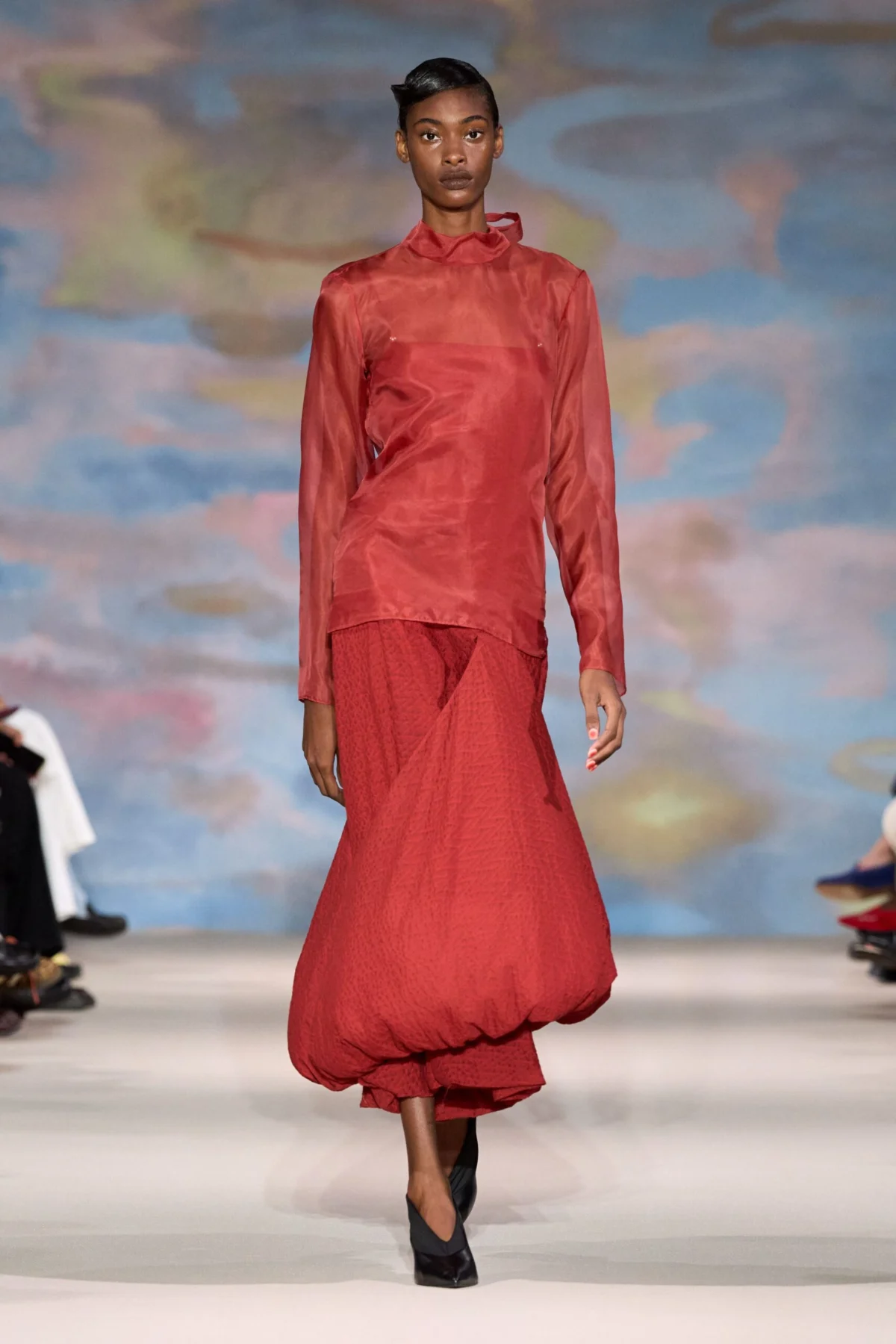
"I’m going to hustle as much as I can to make my dreams come true. Basically, I think that’s all you can do," stated designer Priya Ahluwalia following the unveiling of her latest collection, a presentation that underscored both her formidable entrepreneurial drive and her profound creative vision. The show, held in the opulent basement of the Rosewood London, was a masterclass in blending cultural depth with commercial acumen, featuring extensive collection notes spanning two pages and sponsor acknowledgments occupying four, a testament to the demanding realities of independent fashion. Yet, beyond the strategic partnerships—including a notable collaboration with Puma, a dreamy runway backdrop featuring Ahluwalia-designed wallpaper by Calico, and complimentary low-sugar sodas from Poppi—lay a fashion collection of substantial artistic merit, unequivocally confirming Ahluwalia’s real and burgeoning talent. This latest offering solidified her reputation as a designer who not only tells compelling stories through her garments but also expertly navigates the intricate commercial landscape of the global fashion industry.
The Interweaving of Heritage and Modernity: Collection Inspiration
Ahluwalia’s design ethos has consistently revolved around a deeply researched engagement with her dual Nigerian-Indian heritage, often exploring themes of migration, identity, and the interconnectedness of cultures. Her unique approach transforms historical narratives and personal experiences into contemporary, wearable art. For this collection, she delved into two distinct yet thematically aligned historical touchstones: the monumental Festac ’77 and the iconic imagery of the Black Panther Party. These inspirations were not merely superficial references but rather deeply metabolized elements that shaped the collection’s core message, exploring the powerful interplay between revelry and resistance, celebration and political consciousness. Ahluwalia’s ability to draw from such rich and complex cultural wells, distilling them into coherent and aesthetically pleasing fashion statements, marks her as a significant voice in contemporary design. Her work consistently challenges the industry to look beyond transient trends, instead embracing fashion as a powerful medium for cultural dialogue and historical reflection.
Festac ’77: A Pan-African Cultural Zenith Revisited
At the heart of Ahluwalia’s latest collection was the Second World Black and African Festival of Arts and Culture, known as Festac ’77. This monumental event, held in Lagos, Nigeria, from January 15 to February 12, 1977, represented an unparalleled gathering of Black artists, intellectuals, and performers from across the global diaspora. Over 16,000 participants from 59 African nations and countries with significant Black populations converged, transforming Lagos into a vibrant hub of Pan-African expression. The festival aimed to celebrate African culture, foster unity, and confront colonial legacies, featuring a diverse program of music, dance, literature, visual arts, and traditional ceremonies. Its scale and ambition were unprecedented, symbolizing a powerful moment of self-affirmation and collective identity for Black communities worldwide.
Ahluwalia’s research into Festac ’77 went beyond historical texts, incorporating aerial photography and floor plans of the custom-built festival venue. This unique perspective informed an abstract red-and-green-on-white print that became a recurring motif throughout the collection. The print, with its geometric precision and vibrant palette, subtly echoed the architectural layout and energetic spirit of the festival grounds. This print was applied to diverse silhouettes, from an elegant off-the-shoulder wiggle dress to a dynamic sectioned soccer shirt and a relaxed Bermuda-shorts-and-shirt set, effectively translating the festival’s atmosphere of communal gathering and cultural exchange into contemporary fashion. The designer envisioned this collection as an "imagined context" for Festac ’77, capturing the essence of a time when joyous celebration and profound political and cultural resistance coalesced, demonstrating how historical events can inspire modern aesthetic and ideological statements. Industry observers noted that this deep dive into Pan-African history not only enriched the collection but also served as an educational platform, bringing awareness of such significant cultural milestones to a broader, global audience.
From Resistance to Revelry: The Black Panther Influence
Complementing the joyous spirit of Festac ’77, Ahluwalia introduced a more overt exploration of resistance through her study of the Black Panther Party. Her research specifically focused on photographs of Black Panther members "off duty," moving beyond the iconic militant uniform to explore their personal style and everyday elegance. This nuanced approach allowed Ahluwalia to metabolize political position into "wearable postures of pleasure," highlighting the inherent dignity and self-expression within a movement often solely characterized by its revolutionary stance.
This influence manifested in the collection through sartorial details such as angled berets, reminiscent of the Panthers’ distinctive headwear, paired unexpectedly with swish, double-layered suiting and slouchy, top-stitched denim. The juxtaposition of structured tailoring with relaxed denim speaks to a sophisticated yet grounded aesthetic, reflecting the Panthers’ commitment to community engagement alongside their assertive political messaging. The collection further integrated this theme through fringed dresses and more soccer tops—a nod to both sportswear and casual activism—alongside tuxedo-hemmed tunics for men and elegant minidresses for women. Loosely attractive, casualized military shirting also appeared, recontextualizing symbols of authority and discipline into garments that exude a sense of ease and individual agency. This interpretation subtly underscored the idea that style can be a form of quiet defiance, a statement of identity and purpose even in moments of leisure. Cultural critics lauded Ahluwalia’s ability to extract the essence of a politically charged movement and reframe it through a lens of personal style and celebration, offering a fresh perspective on historical narratives.
Sartorial Manifestations: Key Designs and Silhouettes
The collection showcased a diverse array of garments, each meticulously crafted to convey the overarching themes of celebration and resistance. Dresses crafted from luxurious silk organza were particularly striking, shaped into sculptural, voluminous silhouettes that commanded attention, or ingeniously divided at the midriff to suggest formal uniforms of celebration. These "occasion wear" pieces, with their intricate detailing and sophisticated forms, underscored Ahluwalia’s evolving prowess in designing for significant moments, blending avant-garde aesthetics with a sense of purposeful elegance. The vibrant color palette, featuring rich reds, verdant greens, and crisp whites from the Festac ’77 print, was balanced with more muted tones in the suiting and denim, creating a harmonious visual dialogue between the collection’s disparate inspirations.
The menswear offering was equally compelling, extending beyond the conventional. Tuxedo-hemmed tunics offered a fresh take on formal wear, while the soccer tops, a recurring motif in Ahluwalia’s work, continued to bridge the gap between sportswear and high fashion, often featuring intricate paneling and unique graphic applications. The casualized military shirting, reinterpreted with a softer hand and more relaxed fit, spoke to a contemporary understanding of masculinity that values comfort and individual expression over rigid conformity. These elements collectively demonstrated Ahluwalia’s commitment to a gender-fluid approach to design, offering versatile pieces that can be styled in myriad ways, appealing to a broad spectrum of identities and preferences. The overall collection presented a cohesive narrative, where every stitch and silhouette contributed to a larger story of cultural pride, historical awareness, and modern individuality.
The Strategic Ecosystem of Collaboration: Navigating the Modern Fashion Landscape
Priya Ahluwalia’s candid admission about the necessity of "hustle" is a stark reminder of the commercial realities faced by independent designers in the competitive global fashion industry. The extensive list of sponsors for her show—Puma, Calico, Poppi, and the Rosewood London—is not merely a display of brand endorsements but a strategic ecosystem crucial for the viability and growth of her label. These collaborations extend beyond financial support, offering valuable exposure, access to resources, and opportunities for creative cross-pollination.
The partnership with Puma, for instance, allows Ahluwalia to infuse her unique design aesthetic into a global sportswear brand, reaching a wider consumer base and offering commercial products that complement her runway collections. This kind of collaboration is vital for independent labels, providing a consistent revenue stream and brand visibility that can be challenging to achieve through high-fashion collections alone. Similarly, the collaboration with Calico for the custom-designed wallpaper backdrop showcased her creative versatility beyond apparel, transforming the runway into an immersive artistic experience. The choice of the luxurious Rosewood London as a venue elevated the brand’s image, aligning Ahluwalia with high-end aesthetics and experiences. Even the complimentary low-sugar sodas from Poppi, while seemingly a minor detail, contributed to the overall lifestyle branding and holistic experience of the event. Industry analysts frequently point to Ahluwalia’s adeptness at integrating such "spon-con" into her brand narrative without compromising artistic integrity as a key factor in her success. This strategic approach allows her to maintain creative freedom while securing the necessary financial and marketing support to expand her global footprint and realize her ambitious design visions.
Priya Ahluwalia’s Ascendance: A Chronology of Impact
Priya Ahluwalia’s journey in the fashion world has been marked by a rapid and significant ascent since the launch of her eponymous label in 2018. A graduate of the prestigious MA Menswear course at the University of Westminster, her distinctive voice was immediately recognized. Her early collections, celebrated for their innovative use of deadstock and vintage materials, established her commitment to sustainable practices and circular design—a philosophy deeply embedded in her brand’s DNA.
Key milestones include winning the H&M Design Award in 2019, which provided crucial early funding and mentorship. This was followed by her triumph as one of the joint winners of the prestigious LVMH Prize for Young Fashion Designers in 2020, a watershed moment that catapulted her onto the international stage, offering unparalleled industry support and global recognition. The British Fashion Council (BFC) has also been a consistent supporter, awarding her grants and mentorship through initiatives like the NEWGEN program, which nurtures emerging British talent. Each collection has built upon the last, progressively refining her aesthetic while consistently exploring themes of identity, cultural heritage, and sustainability. From her initial focus on menswear, Ahluwalia has skillfully expanded into womenswear, demonstrating a holistic vision for her brand that caters to a diverse clientele. Her consistent ability to produce collections that are both commercially appealing and intellectually stimulating has cemented her position as one of the most exciting and influential designers of her generation, pushing boundaries not just in design but also in ethical production and narrative storytelling.
Defining the Ahluwalia Identity: Plurality and Global Resonance
Ahluwalia’s inclusive philosophy is perhaps best encapsulated in her response to the question, "Who is the Ahluwalia girl?" Her reply, "it’s a myriad of people and their own experiences," reflects a profound understanding that modern identity is complex and multifaceted. This philosophy of plurality is not merely a marketing slogan but is deeply embedded in the very fabric of her collections. Her designs deliberately avoid catering to a singular aesthetic or demographic, instead offering a broad range of styles that can be interpreted and adopted by individuals from diverse backgrounds and with varied personal styles.
The collection’s fusion of Pan-African history, Black empowerment, and contemporary fashion trends resonates with a global audience increasingly seeking authenticity and meaning in their consumption choices. Ahluwalia’s garments are not just clothes; they are conversation starters, cultural artifacts that invite wearers to engage with deeper narratives. This approach has allowed her to cultivate a loyal following that appreciates her commitment to cultural storytelling, ethical production, and a celebratory approach to identity. Her brand appeals to a conscious consumer base that values creativity, sustainability, and social relevance, distinguishing Ahluwalia in a crowded market. The commercial success of her brand, evidenced by the growth in collaborations and global stockists, underscores the market demand for fashion that offers both aesthetic appeal and intellectual substance.
Broader Implications: Fashion as a Medium for Cultural Dialogue
Priya Ahluwalia’s work has significant implications for the broader fashion industry, challenging conventional norms and expanding the scope of what fashion can achieve. By consistently rooting her collections in rich cultural histories and personal narratives, she demonstrates that fashion can be a powerful medium for cultural dialogue, education, and social commentary, moving beyond mere trend cycles. Her commitment to sustainability, particularly through the use of recycled and upcycled materials, serves as a beacon for more responsible production practices within an industry often criticized for its environmental impact. She proves that ethical fashion does not have to compromise on creativity or luxury, offering a viable model for the future.
Furthermore, Ahluwalia’s celebration of diverse identities and histories, particularly those from the Black diaspora, contributes to a much-needed shift towards greater inclusivity and representation in fashion. Her designs provide a platform for stories that have historically been marginalized, fostering a sense of pride and belonging among her audience. Her approach influences not only fellow designers but also consumers, encouraging a more thoughtful and engaged relationship with clothing. As the industry grapples with questions of authenticity, diversity, and environmental responsibility, Ahluwalia stands out as a visionary leader, paving the way for a more conscious, culturally rich, and creatively boundless future for fashion. Her ability to blend commercial viability with profound artistic integrity positions her as a pivotal figure whose impact will undoubtedly continue to resonate across the global fashion landscape for years to come.
