
 By admin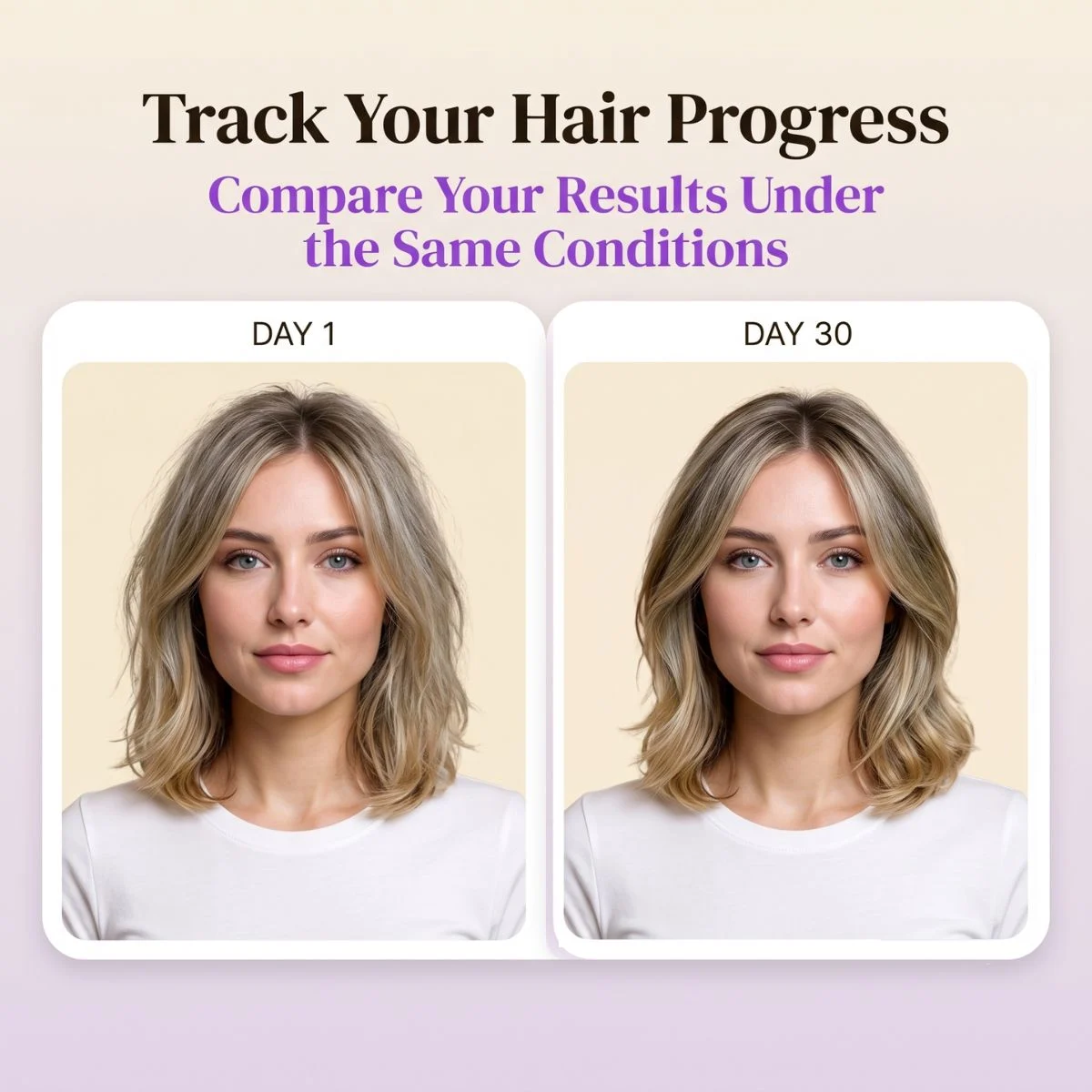
Custom hair care represents a significant shift from the traditional, one-size-fits-all approach to haircare products. Instead of relying on broad categorizations like "oily hair" or "color-treated hair," this evolving sector of the beauty industry focuses on individual needs, gathering detailed information about a person’s unique hair texture, scalp condition, environmental factors, and personal lifestyle goals. Brands such as Prose and Function of Beauty are at the forefront of this movement, employing online quizzes and personalized consultations to collect the necessary data. This information then informs the creation of bespoke shampoo, conditioner, and treatment formulas, mixed in small batches specifically for each consumer.
This comprehensive guide delves into the intricacies of custom hair care, examining the data points utilized in its formulation, the scientific underpinnings of why personalization can potentially outperform mass-produced products, and practical advice on tracking progress within a custom regimen. Furthermore, we will explore tools designed to enhance personalized hair care routines.
Understanding True Custom Hair Care
The distinction between custom hair care and commercially available products lies in the depth of personalization. Generic drugstore shampoos and conditioners, even those marketed for specific hair types, are formulated for vast demographic segments. "For curly hair" labels, for instance, attempt to cater to a wide spectrum of curl patterns, porosities, and densities, a task that inherently leads to compromises. True customization, conversely, begins with an individual’s specific data.
The data collection process for custom hair care brands typically involves a detailed questionnaire. This typically probes natural hair texture and curl pattern, scalp behavior (such as oiliness, dryness, flakiness, or sensitivity), prevailing climate and humidity levels, styling habits including the use of heat tools, any history of chemical treatments like coloring or keratin smoothing, and specific desired outcomes, such as increased volume, reduced frizz, or enhanced strand strength. This granular information is then fed into an algorithm that formulates a unique blend, moving beyond the limitations of mass-market formulations.
Industry professionals emphasize that the level of detail provided in an in-salon consultation can mirror the effectiveness of an online quiz. Licensed hairstylists, armed with knowledge of a client’s hair porosity, scalp type, and styling routine, can often recommend professional-grade alternatives that offer a similar degree of tailored benefit, even without a subscription model.
The Science Behind Bespoke Formulations: Brands in Focus
While the exact proprietary technologies and ingredient selections may vary, leading custom hair care brands generally follow a similar operational framework.

The Digital Gateway: Online Consultations
The initial phase for most custom hair care consumers involves completing an in-depth online questionnaire. Some platforms may also request photographic evidence of the hair and scalp. For example, Prose meticulously evaluates dozens of input variables, encompassing hair and scalp characteristics, lifestyle choices, and environmental exposures, to generate its product recommendations. Function of Beauty employs a comparable quiz model, prioritizing hair type, aesthetic goals, and fragrance preferences.
Algorithmic Alchemy: Translating Data into Formulas
Upon submission of the questionnaire, sophisticated software algorithms process the user’s input. These algorithms map the collected data to a foundational formula, subsequently adjusting the ratios of active ingredients to meet specific needs. For instance, an individual with fine, oily-prone hair residing in a humid climate would likely receive a lighter, more clarifying blend. Conversely, someone with coarse, color-treated hair in a dry environment might be prescribed a richer, bond-protecting formula with a higher concentration of emollients.
Tailored Production: Individualized Bottling and Labeling
The culmination of this process is the bespoke manufacturing of the final formula for each order. Often, the product bottles are personalized with the customer’s name. This subscription-based model allows for iterative adjustments; consumers can refine their formula with subsequent reorders if their hair’s condition changes due to seasonal shifts, hormonal fluctuations, or if the initial formulation did not fully address their concerns.
The Limitations of Generic Solutions
The efficacy of a shampoo or conditioner can vary dramatically from person to person, even when using the same product. One of the primary factors contributing to this disparity is hair porosity—the hair shaft’s ability to absorb and retain moisture. A gas-sorption study on hair damage mechanisms revealed that chemical treatments and UV exposure alter the pore structure of the hair shaft in distinct ways. This means two individuals with chemically treated hair might still require vastly different moisture management strategies depending on the specific nature of the damage. Understanding one’s own hair porosity, through dedicated testing, provides a crucial baseline for product selection, whether custom or off-the-shelf.
Furthermore, the intrinsic structure of curly hair presents unique challenges. Research into curly hair’s structure has indicated that the curl shape itself influences how natural oils travel down the hair shaft and the degree of mechanical stress hair endures during daily handling. This can explain why a moisturizing formula designed for straight hair might leave curly and coily textures feeling under-conditioned.
The cleansing agents in shampoos, known as surfactants, also play a critical role. Studies on shampoo pH have demonstrated that alkaline formulas increase the negative charge on the hair fiber surface. This heightened negative charge leads to increased friction between hair strands, resulting in a rougher feel and a greater propensity for tangling, particularly for porous or chemically treated hair. Custom formulations can precisely control sulfate concentration and pH levels, an adjustment impossible for a single, mass-produced drugstore bottle intended for millions of diverse users.
For individuals experiencing scalp issues such as oiliness, flakiness, or sensitivity, a skincare-inspired approach that treats the scalp as a distinct entity, separate from the hair’s length and ends, often yields superior results compared to a single shampoo attempting to address multiple concerns simultaneously.

Custom Hair Care vs. Off-the-Shelf: A Comparative Analysis
When evaluating the merits of custom versus conventional hair care, several key factors come into play.
| Factor | Custom Hair Care | Off-the-Shelf Hair Care |
|---|---|---|
| Formulation Basis | Individual data from quizzes or consultations | Broad categories like "curly" or "color-treated" |
| Cost | $25 to $50+ per bottle, typically subscription-based | $5 to $25 per bottle, one-time purchase |
| Adjustability | Reformulated with reorders as needs evolve | Fixed formula; product replacement if ineffective |
| Ideal For | Complex concerns: unusual porosity, scalp sensitivity, competing goals | Straightforward hair types without major complications |
| Trial Speed | Slower; initial results observable after 4-8 weeks | Faster testing and replacement cycles |
Limitations of Custom Hair Care
It is crucial to acknowledge that custom hair care formulations are not a panacea for all hair and scalp concerns. They cannot reverse medical hair loss conditions such as androgenetic alopecia or autoimmune-related hair loss like alopecia areata. Similarly, active scalp infections or severe chemical damage that has fundamentally compromised the hair’s internal structure are beyond the scope of cosmetic formulations. Consumers should have realistic expectations regarding the capabilities of custom hair care.
Embarking on a Custom Hair Care Journey
Initiating a custom hair care routine begins with selecting the most comprehensive quiz or consultation offered by a brand. The more detailed the information provided regarding porosity, scalp type, climate, and styling habits, the more accurately the initial formula will align with individual hair needs.
Patience is paramount. It is advisable to commit to using a full bottle of a custom product, typically over a period of 4 to 8 weeks of regular use, before making a judgment on its effectiveness. Hair responds gradually to formulation changes, and switching products prematurely can prevent one from experiencing the full benefits of a properly optimized regimen.
To objectively track progress, documenting texture, frizz, and shine with consistent weekly photographs is recommended. This method provides a more reliable baseline than relying on memory, which can normalize gradual improvements.
Should the initial formula not meet expectations, the preferred course of action is to utilize the brand’s feedback or reformulation services. Most subscription brands are equipped to adjust formulations based on user input, often leading to significantly improved results with a second iteration. Attempting to layer additional products from different lines can sometimes counteract the targeted benefits of the custom formula.
Common Pitfalls in Custom Hair Care Subscriptions
Several common mistakes can hinder the success of a custom hair care subscription:

- Rushing the Intake Quiz: A superficial completion of the initial questionnaire can result in a formula that offers minimal personalization, akin to a mass-produced product.
- Product Stacking: Combining a custom shampoo with unrelated, heavy styling products can undermine the intended benefits of the custom formulation. For instance, using a heavy leave-in conditioner with a custom shampoo designed for lightweight volume can negate its purpose.
- Premature Abandonment: Judging a custom formula after only a few washes is insufficient. The cumulative effects of a tailored regimen, including the removal of old product buildup and consistent application of new ingredients, typically manifest over several wash cycles.
For those uncertain about the role of sulfates in their hair care, exploring sulfate-free alternatives can be a valuable comparative step before committing to a custom sulfate-free formula.
Enhancing Your Routine with Digital Tools: The HairHunt App
For individuals seeking to optimize their hair care practices, digital tools can provide structured guidance. The HairHunt app, for example, offers a "Your Hair Care Plan" section designed to create personalized routines and provide daily tips tailored to specific hair types and conditions. This feature aims to eliminate guesswork in daily hair care.
Within the HairHunt app, users can build consistency in their hair care habits through an interactive checklist that tracks daily steps and promotes routine streaks. Accurate completion of the initial hair state and type quiz is crucial, as the generated routine is directly dependent on the quality of the provided profile data.
Following a structured routine in conjunction with tailored products can significantly enhance hair health. The app’s daily insights serve as timely reminders of best practices for a user’s specific hair type, helping to prevent common styling errors. The HairHunt app is available on both iOS and Android platforms and integrates seamlessly with its hairstyle try-on features, offering a holistic approach to hair management and exploration.
Frequently Asked Questions About Custom Hair Care
Is Custom Hair Care Worth the Higher Price?
The value proposition of custom hair care is highly dependent on an individual’s hair concerns. For those with complex or unusual hair needs that are difficult to address with generic products, a custom solution can prove more cost-effective in the long run by eliminating the trial-and-error cycle of purchasing ineffective products. However, for individuals with straightforward hair types, well-chosen drugstore products may offer comparable results at a lower cost.
How Long Before I See Results from a Custom Formula?
Visible results from custom formulations typically emerge after 4 to 8 weeks of consistent use, which corresponds to approximately one full bottle. Hair growth cycles and the gradual removal of product buildup necessitate this timeframe for accurate evaluation.
Can Custom Hair Care Fix Hair Loss?
No. Custom shampoos and conditioners are formulated to address cosmetic concerns such as dryness, frizz, and dullness. They do not treat the underlying medical or hormonal causes of hair loss, such as pattern baldness or alopecia areata. Individuals experiencing significant thinning should consult a dermatologist to rule out medical conditions.

Do I Need to Retake the Quiz If My Hair Changes?
Yes. Factors like pregnancy, menopause, changes in climate, or new chemical treatments can alter hair’s needs. Most custom hair care brands allow users to update their profiles before reordering, ensuring the formula remains aligned with current hair conditions.
Are Apps Like HairHunt a Replacement for a Custom Formula Brand?
These tools serve distinct purposes. Custom hair care brands create physical products based on individual data. Apps like HairHunt function as educational guides, offering personalized routines and insights derived from hair quizzes to inform users about proper care for their specific hair type.
What Should I Do if a Custom Formula Does Not Work for My Hair?
Instead of abandoning custom hair care altogether, leverage the brand’s feedback or reformulation options. Most subscription services offer adjustments based on user feedback, and a second iteration of the formula often yields significantly better results once specific issues are identified.
The fundamental advantage of custom hair care lies in its data-driven approach. Formulations derived from an individual’s porosity, scalp condition, and lifestyle habits possess a greater probability of effectively addressing specific hair concerns compared to mass-produced alternatives. Regardless of whether one opts for a subscription service, stylist recommendations, or a combination, consistent adherence to a daily routine is crucial to allow custom ingredients sufficient time to deliver their intended benefits.
Sources:
(Note: In a real news article, these would be specific citations to studies or expert interviews.)
- Study on Hair Damage Mechanisms (e.g., Gas Sorption Analysis)
- Review of Curly Hair Structure and Oil Distribution
- Research on Shampoo pH and Hair Fiber Surface Charge
- Dermatological Information on Hair Loss Causes
- Expert Interviews with Trichologists and Hairstylists
Disclaimer: Individual hair results may vary based on natural hair type, texture, density, and overall condition. Consultation with a licensed hairstylist or dermatologist is recommended before implementing significant changes to a hair care routine, especially for individuals with sensitive scalps or pre-existing skin conditions. Images may depict styled results that require specific products and techniques to achieve.
