
 By Layla Zulfa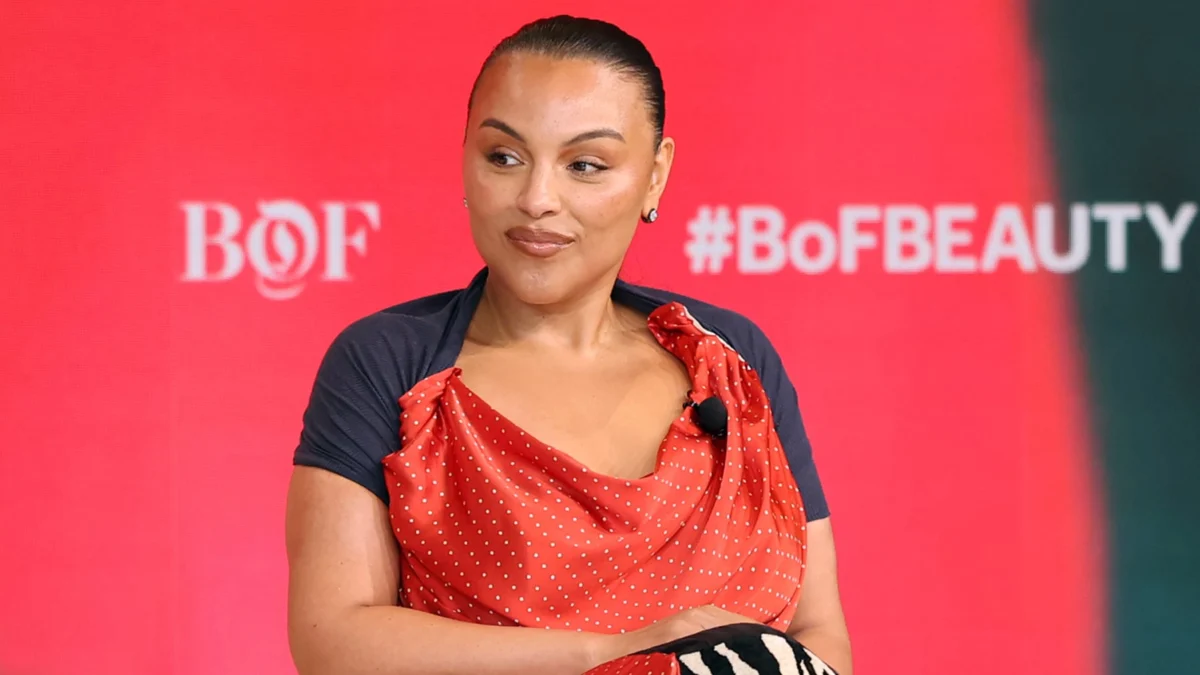
In a recent compelling discussion with Priya Rao, Executive Editor of The Business of Beauty, acclaimed supermodel Paloma Elsesser offered profound insights into the complexities of maintaining personal integrity within the high-pressure world of fashion, the pervasive challenge of tokenism, and her burgeoning ambition to transition from a decade of building others’ brands to cultivating a legacy of her own. This conversation, hosted by The Business of Fashion, underscores a significant moment in Elsesser’s career, reflecting a broader industry shift where models are increasingly leveraging their platforms and experiences to become influential entrepreneurs and advocates for genuine change.
The Rise of a Modern Icon: Paloma Elsesser’s Journey
Paloma Elsesser has emerged as one of the most significant and transformative figures in contemporary fashion. Her journey, which began with a chance encounter and a subsequent rise through the ranks, has been anything but conventional. Discovered by make-up artist Pat McGrath, Elsesser quickly captivated the industry with her striking beauty, undeniable presence, and refreshing candor. Unlike many of her predecessors, Elsesser’s impact extends far beyond the runway and editorial spreads; she has become a vocal proponent for body positivity, inclusivity, and authentic representation in an industry historically criticized for its narrow beauty standards.
Born in London and raised in Los Angeles, Elsesser’s diverse background and relatable persona resonated deeply with a new generation of consumers and industry insiders alike. Her early career was marked by significant campaigns for brands like Fenty Beauty, Glossier, and Nike, each partnership strategically chosen to align with her personal values and commitment to diversity. She broke barriers by gracing the covers of prestigious publications such as Vogue (both American and international editions), i-D, and Dazed, often as one of the few, if not the only, plus-size models featured. This visibility was not merely aesthetic; it signaled a powerful cultural shift, demonstrating that beauty transcends traditional size constraints and that a diverse range of body types deserves prominence and celebration. By 2020, Elsesser was recognized by models.com as one of the "New Supers," solidifying her status as a top-tier model who redefined industry standards and inspired countless individuals globally.
The Business of Fashion Platform: A Forum for Agenda-Setting Dialogue
The Business of Fashion (BoF) stands as a leading authority in providing agenda-setting intelligence, analysis, and advice for the global fashion community. Its various platforms, including The Business of Beauty and its widely acclaimed podcast, serve as critical forums for in-depth discussions with industry luminaries, thought leaders, and disruptors. The choice of Paloma Elsesser for such a candid interview is indicative of her significant influence and her role as a barometer for current industry trends and challenges.
Priya Rao, Executive Editor of The Business of Beauty, brings a wealth of experience and incisive journalistic acumen to her role. Her interviews are known for their depth and ability to elicit genuine, often revealing, insights from her subjects. This particular conversation with Elsesser was framed against the backdrop of an evolving beauty and fashion landscape, one grappling with increased demands for ethical practices, genuine diversity, and transparent brand messaging. The BoF platform, by featuring voices like Elsesser’s, actively shapes the discourse around these critical issues, pushing for greater accountability and innovation within the industry.
Navigating Authenticity and the Scrutiny of the Spotlight
One of the central themes of Elsesser’s discussion with Rao revolved around the perpetual challenge of staying true to oneself amidst the immense pressures of the fashion industry. In an environment where image is meticulously curated and public perception can dictate career trajectories, authenticity often becomes a commodity or a carefully constructed facade. Elsesser, however, has consistently championed a more genuine approach, using her platform to share both triumphs and vulnerabilities.
The Scrutiny of the Spotlight: Authenticity in an Image-Driven World
The digital age has amplified the scrutiny faced by public figures, particularly models whose livelihoods are intrinsically linked to their image. Social media, while offering direct connection with audiences, also exposes individuals to relentless criticism and the temptation to conform to idealized versions of self. Elsesser has openly discussed the mental and emotional toll of constantly being in the public eye, often detailing her struggles with body image and the pressure to maintain a perfect persona. Her willingness to share these experiences has resonated deeply with her extensive following, fostering a sense of community and validating the struggles many individuals face in a world saturated with unrealistic beauty standards.
Her commitment to authenticity extends to her professional choices. Elsesser has often spoken about declining opportunities that did not align with her values or felt inauthentic to her brand. This discernment has allowed her to build a reputation as a model who not only looks the part but also embodies a deeper message of self-acceptance and empowerment. This stance, while potentially limiting in the short term, has solidified her long-term credibility and strengthened her personal brand, proving that integrity can be a powerful asset in a transient industry.
Beyond Performative Diversity: Confronting Tokenism in Fashion
A particularly poignant aspect of the conversation touched upon the pervasive issue of tokenism within the fashion and beauty sectors. Tokenism refers to the practice of making only a perfunctory or symbolic effort to be inclusive, often by recruiting a small number of people from underrepresented groups in order to give the appearance of diversity without genuine systemic change. Elsesser, as a trailblazer for body diversity, has likely experienced this phenomenon firsthand throughout her career.
For years, the industry operated under a narrow definition of beauty, featuring predominantly thin, tall, white models. As calls for diversity intensified, many brands responded with what critics often label as "performative diversity." This could manifest as featuring one curve model in an otherwise homogenous lineup, or including a person of color in a campaign without truly understanding or catering to the diverse audience they claim to represent. Elsesser’s discussion with Rao likely delved into how such practices, while appearing progressive on the surface, can be deeply alienating and disempowering for the individuals involved. It places an undue burden on the "token" individual to represent an entire demographic, often without addressing the underlying systemic issues that perpetuate exclusion.
True inclusivity, as advocated by Elsesser and other industry leaders, requires a fundamental shift in perspective, moving beyond mere representation to genuine integration at every level – from design and marketing to executive leadership. It demands understanding and celebrating diverse body types, skin tones, cultural backgrounds, and gender identities, not as checkboxes, but as integral components of a rich and dynamic creative landscape. Elsesser’s voice in this discourse is crucial, as her lived experience lends authenticity and authority to the critique of superficial diversity initiatives.
The Entrepreneurial Leap: A Decade of Building and Now, Her Own Vision
Perhaps the most exciting revelation from Elsesser’s interview was her contemplation of launching her own brand after a decade of fronting campaigns and contributing to the narratives of other companies. This ambition signifies a natural evolution for a model who has not only mastered the art of being a muse but has also cultivated a potent personal brand and a deep understanding of market needs.
From Muse to Mogul: The Evolving Role of the Supermodel
The role of a supermodel has dramatically evolved over the past few decades. Historically, models were primarily conduits for designers’ visions, their personal identities often secondary to the clothes they showcased. However, with the advent of social media and the rise of personal branding, models have transformed into powerful influencers and entrepreneurs. Figures like Cindy Crawford, Kathy Ireland, and more recently, Rihanna with Fenty, Miranda Kerr with KORA Organics, and Jessica Alba with The Honest Company, have paved the way, demonstrating that a successful modeling career can be a springboard for building lucrative and impactful businesses.
Elsesser’s move aligns with this trend, but also adds a unique dimension. Her brand would likely be steeped in the principles of inclusivity and authenticity she has championed throughout her career. With an estimated global beauty market valued at over $400 billion and a growing segment specifically focused on diverse product offerings, the timing for a brand built on genuine inclusivity could not be more opportune.
The Strategic Shift: Why Now is the Time for Paloma Elsesser’s Brand
Elsesser’s decision to consider launching her own brand after ten years in the industry is a testament to several factors: accumulated knowledge, solidified personal brand equity, and a deep understanding of market gaps. A decade in the fashion and beauty trenches has provided her with invaluable insights into product development, marketing strategies, consumer psychology, and the operational complexities of the industry. She has witnessed firsthand what works and what doesn’t, what resonates with consumers, and where genuine innovation is lacking.
Furthermore, her personal brand is robust. Her name carries weight, trust, and a reputation for integrity and advocacy. This built-in audience and credibility significantly reduce the initial marketing hurdles faced by new brands. Consumers are increasingly seeking products and brands that align with their values, and Elsesser embodies a powerful set of values centered around self-acceptance, diversity, and realness. A brand launched by her would immediately benefit from this authenticity, resonating with a demographic hungry for products that genuinely cater to them, rather than simply paying lip service to inclusivity.
While the specific nature of her potential brand remains undisclosed, it is logical to infer that it would likely focus on areas where she has personal expertise and a clear passion: perhaps an inclusive beauty line that truly caters to a wide range of skin tones and body types, a fashion line that prioritizes diverse sizing and comfortable, stylish design, or a lifestyle brand that promotes well-being and self-love. The success of brands like Fenty, which disrupted the beauty industry with its unparalleled shade range, demonstrates the immense market potential for offerings that genuinely address the needs of underserved communities.
Market Dynamics and Industry Implications
Elsesser’s entrepreneurial aspirations are not just personal milestones; they reflect and will likely further influence broader market dynamics within fashion and beauty.
The Untapped Potential: Market Demand for Authentic Representation
For years, the fashion and beauty industries overlooked vast segments of the population. However, market research now consistently shows that consumers, particularly Gen Z and Millennials, prioritize brands that demonstrate social responsibility, authentic diversity, and ethical practices. A 2023 report by McKinsey & Company indicated that brands with a strong commitment to diversity and inclusion outperform their less diverse counterparts in terms of innovation and market share. The demand for extended sizing in apparel, diverse shade ranges in cosmetics, and campaigns that reflect the true demographic tapestry of society is no longer a niche request but a mainstream expectation.
Elsesser’s potential brand would enter a market ripe for disruption by authentic voices. Her direct engagement with her audience provides her with invaluable insights into their desires and frustrations, allowing her to create products that genuinely fill existing gaps. This direct-to-consumer model, often leveraging social media, allows for a more agile and responsive approach to product development and marketing, bypassing traditional gatekeepers and fostering a deeper connection with the customer base.
A New Paradigm: The Future of Fashion and Beauty Entrepreneurship
The rise of model-turned-entrepreneurs like Paloma Elsesser signals a new paradigm for the fashion and beauty industries. It represents a shift in power dynamics, where the creators and faces of the industry are increasingly becoming its innovators and business leaders. This trend fosters greater authenticity, as these entrepreneurs bring their lived experiences and values directly into their product offerings.
Moreover, it challenges the traditional hierarchy, empowering individuals who have often been relegated to the role of passive canvases to become active architects of industry change. As more models follow Elsesser’s potential path, the industry will likely see a proliferation of purpose-driven brands, each reflecting a unique perspective and addressing specific underserved needs. This competitive landscape will compel established brands to accelerate their own efforts towards genuine inclusivity and ethical practices, lest they be outmaneuvered by more agile, values-driven newcomers. The long-term implication is a more diverse, equitable, and responsive fashion and beauty ecosystem.
Conclusion
Paloma Elsesser’s interview with The Business of Beauty is more than just a career update; it is a profound reflection on the evolution of identity, influence, and entrepreneurship in the modern fashion landscape. Her candid discussion about maintaining authenticity in the face of tokenism resonates deeply with contemporary societal values, while her contemplation of launching her own brand heralds a significant new chapter. After a decade of shaping the narratives of others, Elsesser is poised to harness her unique voice, extensive experience, and unwavering commitment to inclusivity to build a brand that is not only commercially successful but also genuinely transformative. Her journey continues to inspire, proving that true power in fashion stems not just from visibility, but from integrity, vision, and the courage to forge one’s own path. As the industry looks towards a more inclusive and authentic future, figures like Paloma Elsesser are not just adapting to change; they are actively driving it.
