
 By admin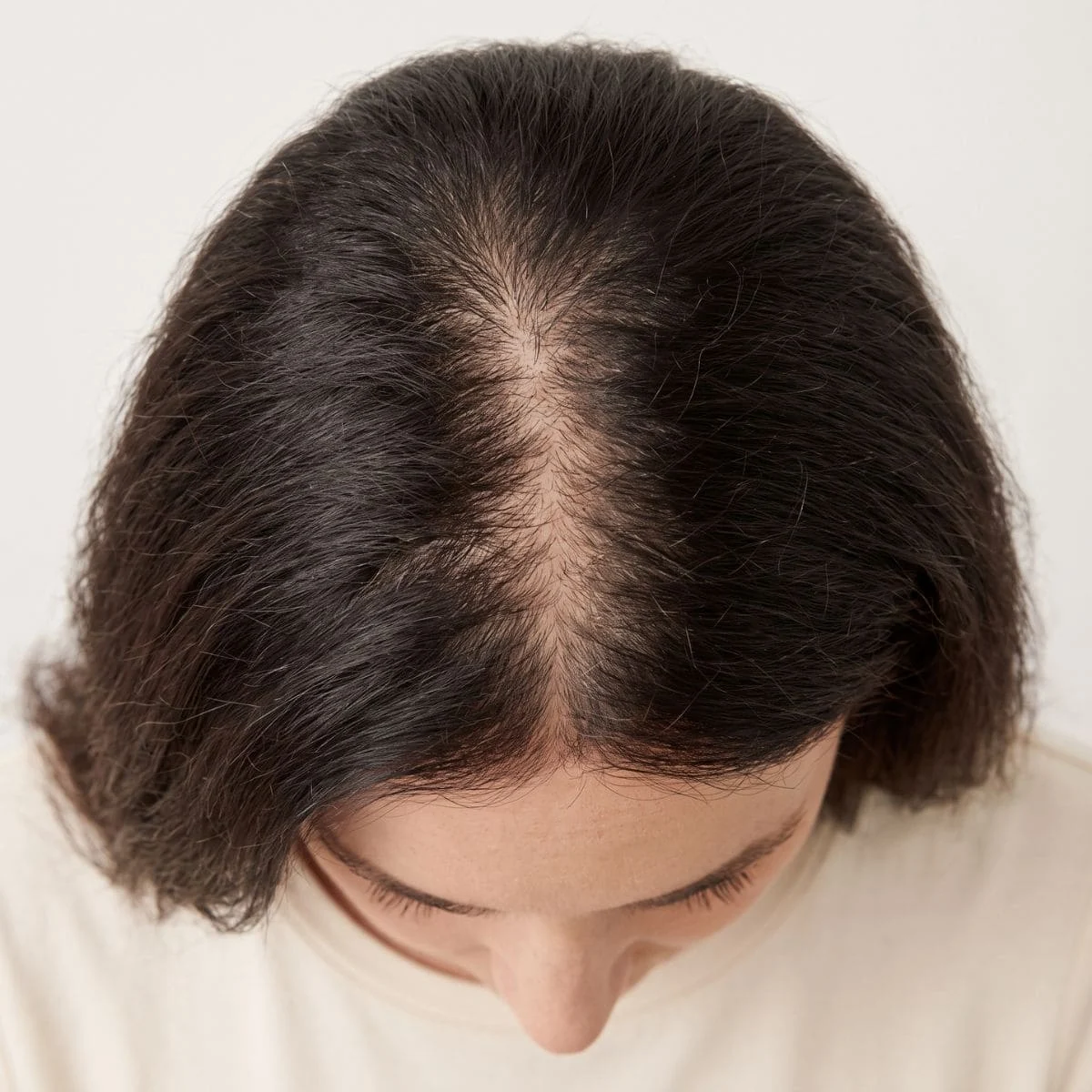
Hair care in your 40s is a multifaceted approach, focusing on increased scalp attention, gentler handling techniques, and the strategic integration of ingredients designed to support thinning strands. This decade marks a significant turning point for many women as estrogen levels begin to decline, a biological shift that directly impacts hair growth cycles and density. Consequently, hair care regimens that proved effective in one’s 30s may no longer yield the desired results. This comprehensive guide delves into the physiological changes occurring in hair during this life stage, outlines how to recalibrate your hair care routine accordingly, identifies key ingredients that offer tangible benefits, and explores the role of professional cuts and color in enhancing hair’s appearance and health.
Understanding the Shifting Landscape of Your Hair in Your 40s
The decline in hair density is a natural part of aging, and research indicates that this change becomes particularly noticeable for women in their mid-forties, often preceding the onset of menopause. Scientific studies have observed significant alterations in hair growth rate, the proportion of hair follicles in the active growth phase (anagen), and the diameter of individual hair strands, with these changes frequently manifesting along the frontal hairline. This physiological evolution can lead to a perceived widening of the part, even in the absence of substantial hair loss, as the hair at the root may appear finer and less voluminous.
Hormonal fluctuations play a pivotal role in these transformations. As estrogen production diminishes in the years leading up to menopause, there is a relative increase in androgens. These hormones have a direct impact on the hair follicle, a tissue that is sensitive to estrogen. The net effect is often a sensation of thinner strands, a drier scalp, and a prolonged growth cycle after haircuts. Some women also report increased shedding, a noticeable change in hair texture, and the emergence of fine facial hair during this period.
Stylist’s Insight: "If you’ve noticed your part widening, consider a softer, swept side part instead of a sharp center part," advises leading stylist, Sarah Chen. "This subtle adjustment can effectively camouflage thinning at the root without requiring a complete overhaul of your hairstyle. It’s a simple yet impactful way to create the illusion of greater fullness."
The visual impact of these changes can be significant. A formerly full-looking part may now reveal more of the scalp, leading to concerns about hair loss. This is not merely an aesthetic issue but a reflection of the underlying biological processes at play. The reduction in the anagen phase of the hair growth cycle means that hairs spend less time growing, and the decrease in hair shaft diameter contributes to an overall reduction in perceived volume.
Architecting a Hair Care Strategy for Your 40s
The transition in hair care during your 40s necessitates a shift from a "more is more" philosophy to a "smarter, more targeted approach." This involves minimizing harsh treatments, prioritizing scalp health, and selecting products with ingredients specifically chosen for their efficacy on thinning hair, rather than relying on generic volumizing or shine enhancers.

Optimizing Your Wash Routine: Less Frequent, More Effective Cleansing
Daily hair washing can strip the scalp of its natural oils, which are already produced at a slower rate in this decade. For most hair types, washing two to three times a week is generally sufficient. When you do wash, opt for a sulfate-free shampoo formulated to cleanse the scalp thoroughly, rather than focusing solely on the lengths of your hair. Follow this with a lightweight conditioner, applied from the mid-shaft down to the ends, to avoid weighing down the roots and diminishing volume at the crown.
The importance of scalp health cannot be overstated. A healthy scalp is the foundation for healthy hair growth. As scalp oil production and cell turnover naturally decrease with age, incorporating a weekly scalp scrub or exfoliating treatment can effectively remove product buildup and dead skin cells. Post-exfoliation, a leave-in scalp serum containing beneficial ingredients like peptides or niacinamide can help to nourish and support the hair follicles.
Elevating Scalp Care: Treating it Like Your Skin
The scalp, much like the skin on your face, undergoes changes with age and requires dedicated care. Slowed cell turnover and reduced sebum production can lead to a less vibrant scalp environment, which can, in turn, affect hair quality. Weekly exfoliation with a gentle scalp scrub, formulated with ingredients like salicylic acid or natural exfoliants, can help to remove accumulated dead skin cells and product residue, promoting a healthier environment for hair follicles. Following this with a targeted scalp serum enriched with peptides, known for their role in stimulating collagen production and supporting follicle strength, or niacinamide, which soothes inflammation and reinforces the skin barrier, can provide significant benefits. These treatments are crucial for encouraging robust hair growth and improving the overall health of the scalp.
Fortifying Against Environmental Stressors: Heat and Sun Protection
Finer hair strands are more susceptible to damage from heat styling. Maintaining hot tool temperatures below 350°F (175°C) and consistently using a heat protectant spray are essential steps to mitigate this damage. Furthermore, prolonged exposure to ultraviolet (UV) radiation can degrade hair protein over time, leading to brittleness and color fading. For individuals who spend significant time outdoors or have color-treated hair, a leave-in conditioner or styling product containing UV filters is a worthwhile addition to the hair care arsenal. These products act as a shield, protecting the hair shaft from the damaging effects of the sun.
Essential Ingredients to Integrate into Your 40s Hair Care Regimen
While many "anti-aging" hair products populate the market, not all are backed by robust scientific evidence. The following ingredients have demonstrated promising results for hair health and appearance in this age group:
| Ingredient | Function | Typical Product Placement |
|---|---|---|
| Topical Minoxidil | Stimulates hair growth and reduces shedding | Scalp serums, foams; applied directly to the scalp |
| Peptides | Strengthens hair follicles and enhances density | Leave-in scalp treatments, serums |
| Niacinamide | Soothes scalp irritation and supports skin barrier | Scalp serums, select shampoos |
| Bond-Building Treatments | Repairs internal hair structure damaged by heat/color | At-home masks, salon treatments |
| Lightweight Silicones/Oils | Adds slip and shine without heaviness | Leave-in conditioners, hair oils |
The Efficacy of Topical Minoxidil: A Scientific Perspective
For women experiencing shedding that extends beyond what lifestyle adjustments can address, topical minoxidil stands out as a well-researched and effective option. A significant clinical trial published in the Journal of the American Academy of Dermatology in 2004, involving 381 women with female pattern hair loss, found that a 5% topical minoxidil solution significantly outperformed both a 2% minoxidil solution and a placebo in terms of increasing hair count and improving visible scalp coverage over a 48-week period. It is important to note that minoxidil is not an immediate solution; consistent daily application is typically required for three to six months before noticeable improvements are observed, and its benefits are maintained only with continued use.
Before committing to long-term treatments like minoxidil, consulting with a dermatologist or trichologist is highly recommended. These specialists can rule out underlying medical conditions that may contribute to hair shedding, such as thyroid imbalances, iron deficiency, or other systemic issues. While hormonal changes are a common culprit for hair thinning in the 40s, it is crucial to investigate all potential causes to ensure appropriate treatment.

Strategic Haircuts and Color to Complement Evolving Hair
The right haircut can significantly enhance the appearance of hair density, often more effectively than topical products alone. Layers strategically cut to begin above the shoulder can create lift and volume at the crown. A soft, rounded silhouette generally appears fuller than a blunt, heavy cut. Resources such as curated lists of hairstyles for women over 40 provide excellent starting points, with many styles transitioning seamlessly into the next decade.
Many women in their 40s opt for shorter, face-framing styles that add movement and visual interest. Exploring hairstyles designed to create a more youthful appearance can help identify lengths and layering techniques that best complement individual facial features.
Hair color also plays a crucial role in creating the illusion of volume. Heavy, uniform color can appear flat on thinning hair. Conversely, techniques that introduce dimension, such as babylights or face-framing balayage, can trick the eye into perceiving greater fullness. As gray hair begins to emerge, a soft gray blending technique offers a more graceful grow-out compared to a single block color. For those embracing their gray, a diverse range of gray hairstyles demonstrates the versatility and chicness of this natural shade.
Debunking Common Hair Care Misconceptions in the 40s
The changing nature of hair in the 40s often leads to the perpetuation of outdated advice. Understanding the reality behind these myths is key to effective hair care.
Myth: Cutting hair short makes it appear thinner.
Reality: A shorter, blunt cut generally presents as fuller than long hair. Long ends are the oldest and most damaged parts of the hair shaft, often appearing limp. Styles at shoulder length or shorter carry less weight per strand, allowing for more bounce and body.
Myth: You should cease coloring your hair as it thins.
Reality: Hair color itself does not cause thinning. The primary risk lies in over-processing fragile strands with frequent bleaching or high-lift color treatments. Spacing out salon visits and opting for gentler color formulas can protect hair density more effectively than avoiding color altogether.
Myth: Reducing brushing will conserve hair you are losing.
Reality: Gentle, daily brushing with a wide-tooth comb or a boar-bristle brush helps to distribute natural oils and stimulate the scalp. Skipping brushing does not prevent shedding; rather, it can lead to tangles and product buildup, which can negatively impact scalp health.

Communicating Effectively with Your Stylist
When visiting your hairstylist, be precise about the specific changes you’ve observed. Instead of a general request for "healthier hair," articulate concerns like "my part is wider" or "my hair feels thinner at the crown." Request internal layers rather than using thinning shears, which can create gaps in finer hair. If your hair feels more fragile, ask for a color formula that uses a lower-volume developer. This detailed communication ensures your stylist can tailor their techniques to your current hair needs.
Frequently Asked Questions About Hair in Your 40s
Does hair genuinely undergo significant changes in your 40s?
Yes. Hormonal shifts, particularly the decline in estrogen, lead to slower hair growth, finer strands, and potentially increased shedding. These changes are often gradual, making it easy to overlook until noticeable differences, such as a wider part, become apparent.
What is the most common hair care error women make in their 40s?
The most frequent mistake is adhering to hair care routines established in their 20s and 30s. Heavier shampoos, insufficient scalp care, and neglecting heat protection become more detrimental as hair becomes finer and grows more slowly.
Can diet influence hair thinning at this age?
Diet can play a role. Deficiencies in iron, protein, and certain vitamins have been linked to increased shedding. If hair thinning seems sudden rather than gradual, a blood panel to assess nutrient levels is advisable.
Should I switch my shampoo in my 40s?
Often, yes. A sulfate-free, scalp-focused shampoo typically performs better than heavy moisturizing formulas, which can weigh down finer strands without addressing underlying scalp concerns.
How long does it take to see results from a new hair care routine?
Allow at least three months for any new regimen, including minoxidil or specialized scalp treatments, to show visible results. Hair grows in cycles, and significant changes take time to manifest at the surface.
Is gray hair an inevitability in your 40s?
While not universal, it is common to notice the first significant gray hairs during this decade. Genetics is the primary determinant of the onset of graying, rather than lifestyle choices.

Effective hair care in your 40s is rooted in adapting to your hair’s current condition rather than relying on past habits. Prioritizing scalp health, incorporating targeted, lightweight products, and maintaining open communication with your hairstylist or a dermatologist are key. Small, consistent adjustments to your routine will yield more substantial and lasting benefits than the pursuit of a single miracle product.
Sources:
Journal of the American Academy of Dermatology (Specific study citation would be included here in a published article).
Disclaimer: Individual hair results may vary based on natural hair type, texture, density, and condition. It is always recommended to consult with a licensed hairstylist before implementing significant changes, particularly concerning chemical treatments or dramatic length alterations. Photos may depict styled results that require professional tools and products to achieve.
