
 By admin
The global luxury industry, often characterized by its high-profile creative directors and glittering flagship boutiques, relies on a foundational, yet frequently invisible, network of specialist artisans based in and around London. While Paris and Milan are often cited as the dual hearts of fashion, the technical execution of some of the world’s most ambitious designs is increasingly traced back to a quiet ecosystem of Savile Row tailors, Hatton Garden goldsmiths, and heritage embroiderers. The recent Alexander McQueen Spring/Summer 2027 presentation served as a high-profile case study for this phenomenon, showcasing how traditional British craftsmanship is being integrated into contemporary luxury narratives to provide both technical depth and a sense of provenance.
The McQueen SS27 Collaboration: A Modern Application of Ancient Skills
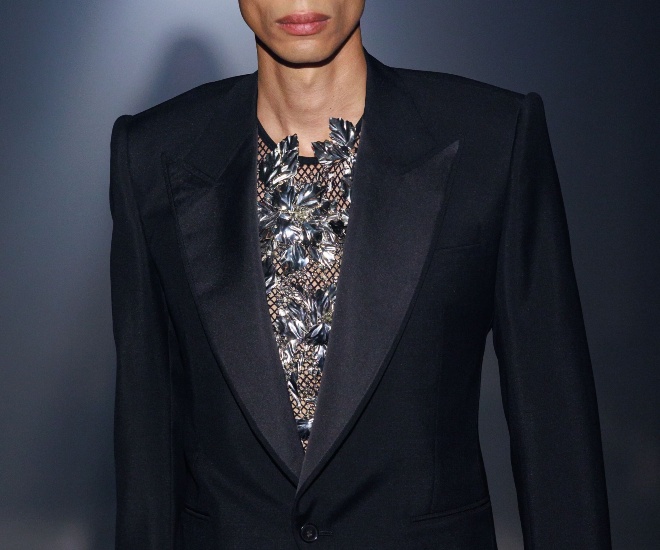
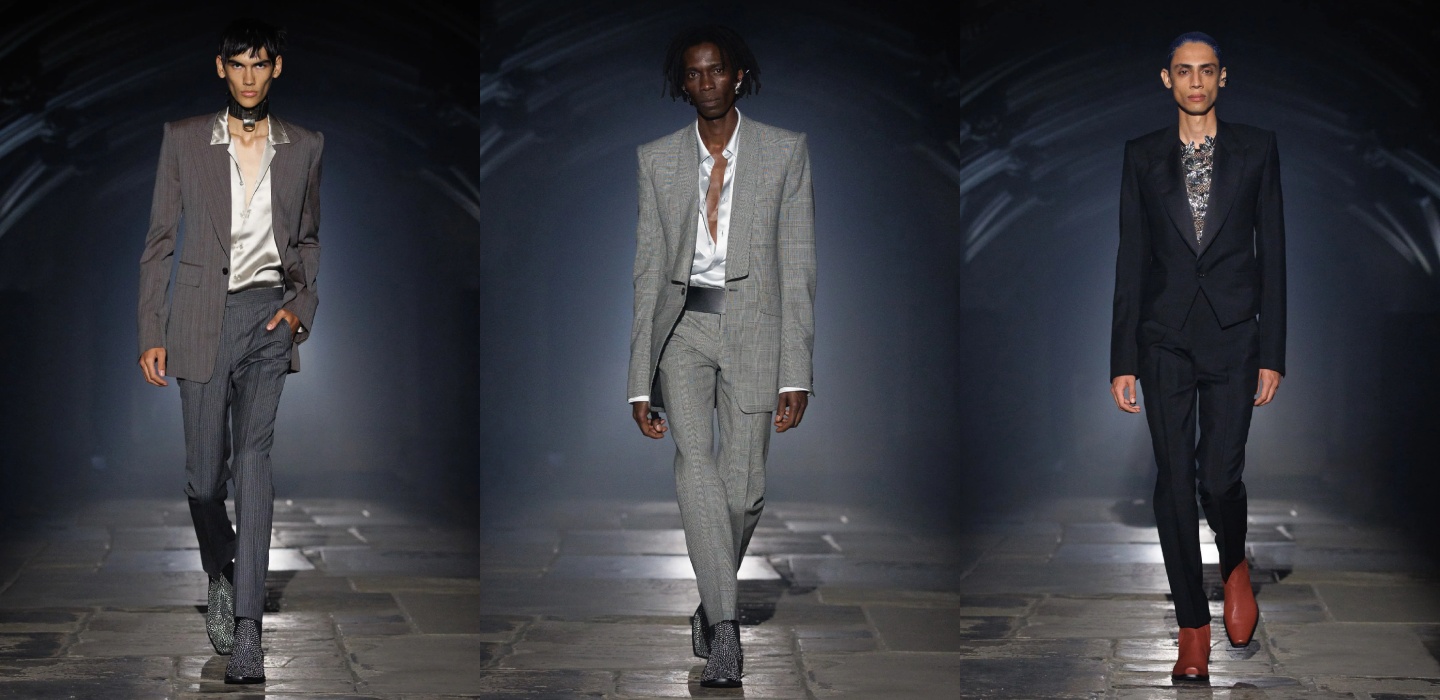
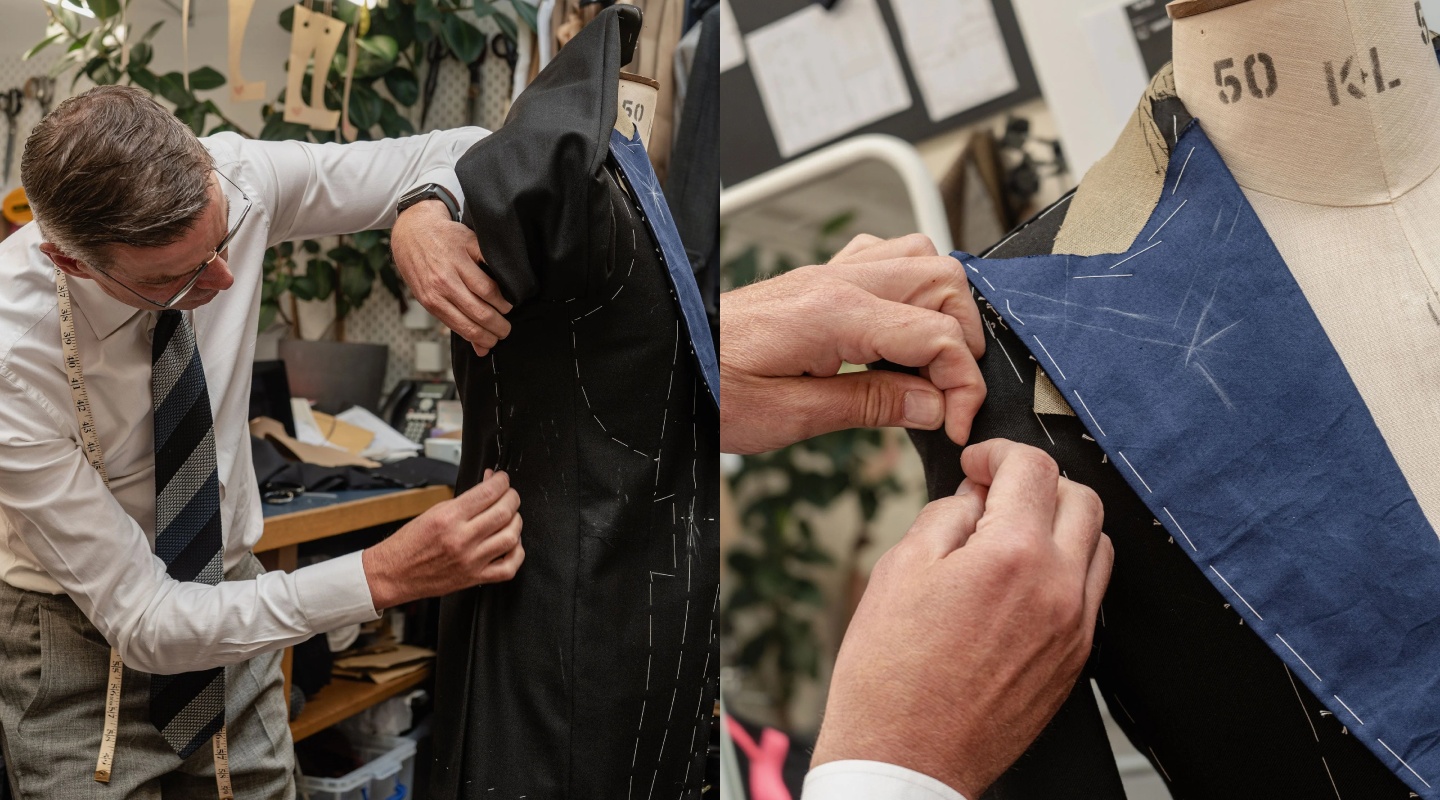
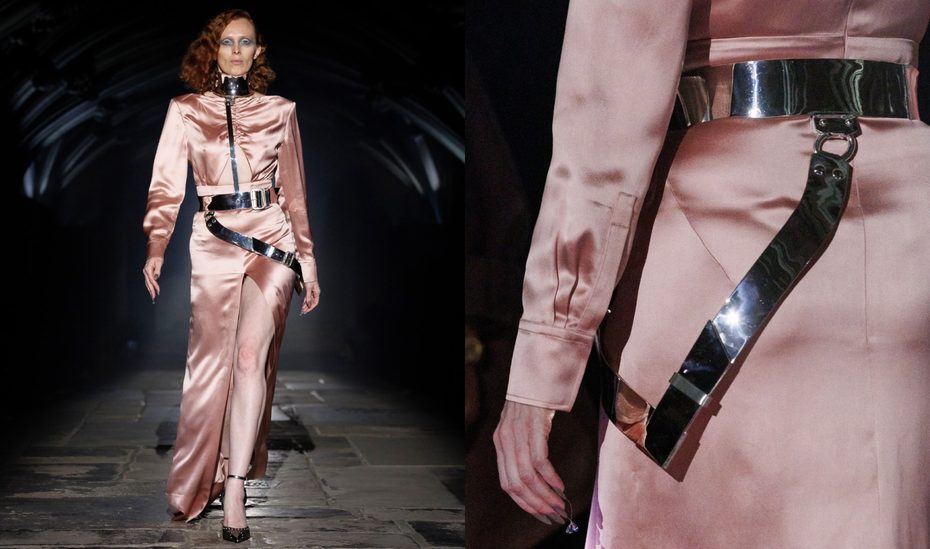
The Alexander McQueen Spring/Summer 2027 show highlighted the symbiotic relationship between conceptual fashion houses and technical specialists. Central to the collection were three bespoke menswear looks produced by Huntsman, the venerable Savile Row tailoring house established in 1849. These garments were not merely inspired by bespoke traditions; they were cut and constructed within Huntsman’s 11 Savile Row workrooms using traditional hand-canvassing and finishing techniques.
The collaboration required a precise translation of the McQueen aesthetic—characterized by strong shoulders, elongated proportions, and high, narrow waists—into the language of formal tailoring. Huntsman’s Head Cutter and Creative Director, Campbell Carey, worked alongside the McQueen studio to develop unique patterns that could support these exaggerated silhouettes. This process underscores a critical reality in luxury: while a designer can propose a silhouette, it is the specialist cutter who understands how cloth and canvas must interact to ensure that the garment retains its architectural integrity on the human body.
Complementing the tailoring was a return to the long-standing partnership between the house of McQueen and master jeweler Shaun Leane. Leane, who first collaborated with Lee Alexander McQueen in 1995, contributed a sculptural harness handcrafted in recycled silver through his new atelier, "12." The show also featured the reintroduction of archival McQueen-Leane headpieces from 1998 and 2004, reinforcing the idea that these handcrafted objects are designed to transcend seasonal trends, functioning instead as permanent artistic assets.
The Invisible Infrastructure: A Network Beyond the Runway
The influence of London’s craft sector extends far beyond the perimeter of the catwalk. It comprises an intricate web of practitioners including pleaters, milliners, leatherworkers, and lace makers whose skills often take decades to master. This network is not confined to the city center; it stretches to specialist manufacturers like Ciment Pleating in Potters Bar and Cluny Lace in Derbyshire. These entities form a specialized supply chain that luxury maisons, regardless of their national origin, rely upon for specific technical requirements.
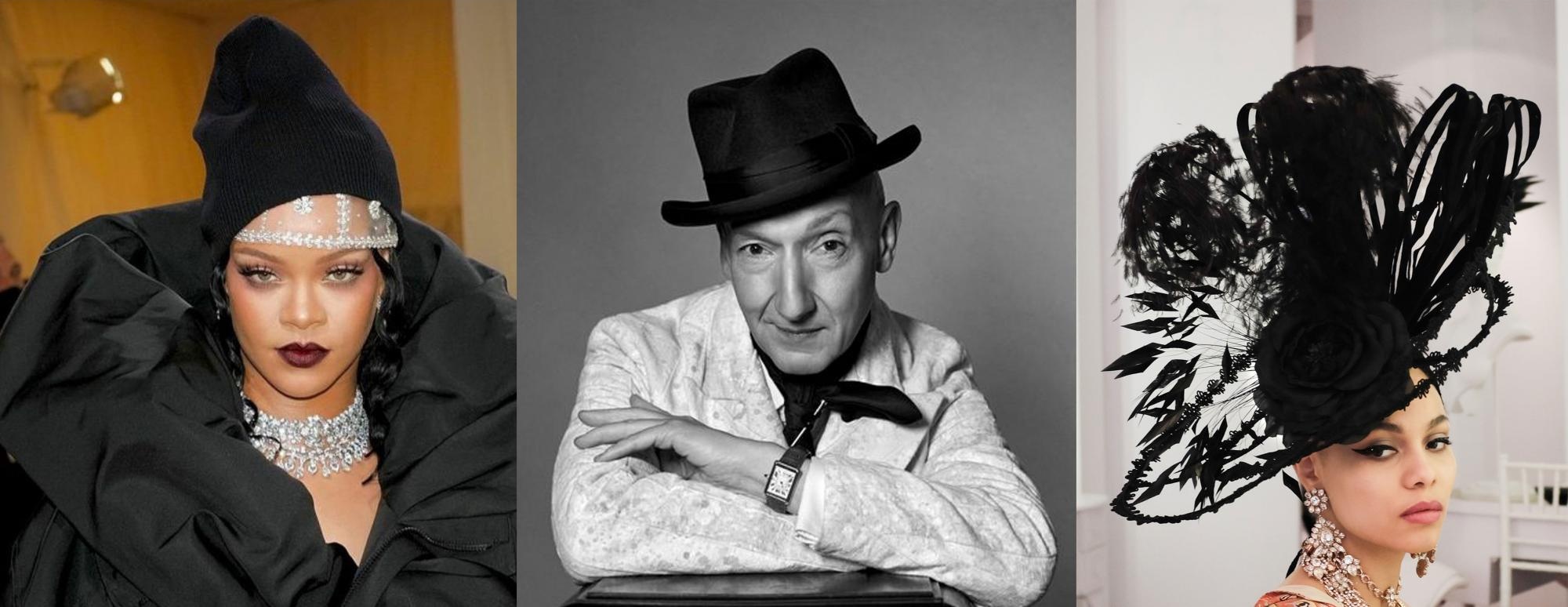
Hand & Lock, an embroidery house founded in 1767, exemplifies this "hidden" contribution. Specialized in goldwork—a technique involving the manipulation of metal threads and bullions to create texture and light—the atelier has provided services for brands as diverse as Burberry, Chanel, Louis Vuitton, and Christian Dior. Similarly, milliner Stephen Jones has maintained a collaborative relationship with the House of Dior for over two decades. His work demonstrates how a London-based specialist can become an essential component of a Parisian couture house’s identity, creating headpieces that are integral extensions of the garments rather than mere accessories.
Economic Pressures and the 2025 Makers Survey
Despite the renewed cultural appreciation for "craft," the businesses providing these skills are facing unprecedented economic headwinds. According to the Crafts Council’s 2025 Makers Survey, which gathered data from over 1,000 UK-based artisans, the sector is under significant strain. The report identified several primary pressures:
- Rising Operating Costs: Inflationary pressures on raw materials and the high cost of energy required for specialized machinery (such as steam-pleating equipment or kilns) have squeezed margins.
- The Skills Gap: A lack of standardized apprenticeship funding and the retirement of senior practitioners have made it difficult to pass on "tacit knowledge"—the intuitive understanding of materials that cannot be learned from a manual.
- Competition from Mass Production: While luxury consumers value the "hand-made," the speed and lower price points of machine-made alternatives continue to challenge the commercial viability of smaller workshops.
The survey highlights a growing contradiction: as global luxury brands place more marketing emphasis on craftsmanship and "objects designed to last," the actual infrastructure required to produce those objects is becoming increasingly fragile.
Chronology of London’s Craft Evolution in Luxury
The integration of London’s specialist crafts into the global luxury market has followed a distinct historical trajectory:
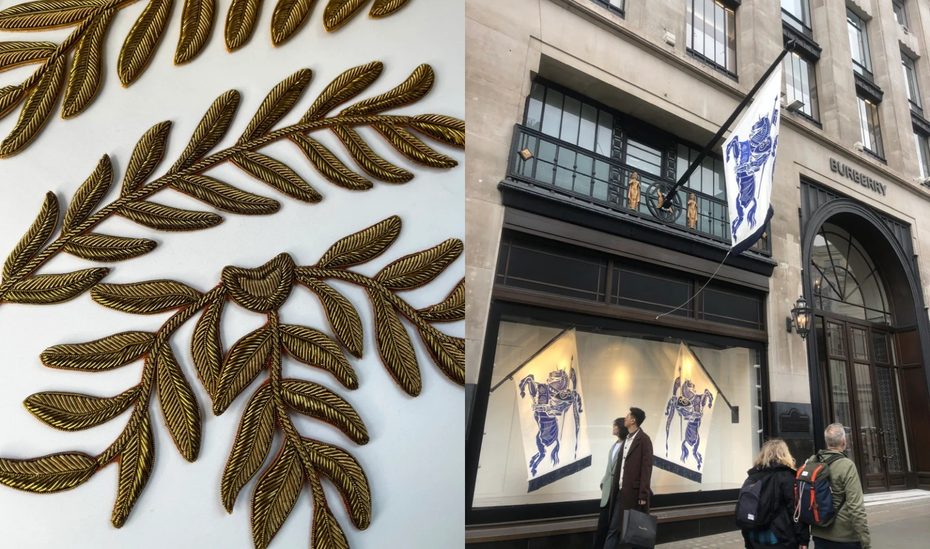
- 1760s–1880s: The Foundation of Excellence. Establishments like Hand & Lock (1767), John Lobb (1866), and Huntsman (1849) were founded to serve the British aristocracy and the Royal Family, setting the global standard for bespoke quality.
- 1990s: The Creative Convergence. Designers like Lee Alexander McQueen and John Galliano began bridging the gap between avant-garde fashion and traditional London crafts, partnering with artisans like Shaun Leane and Stephen Jones to create iconic runway moments.
- 2010s: The Direct-to-Consumer Shift. Heritage brands began expanding their global reach through international trunk shows and digital platforms, allowing clients in New York, Tokyo, and Dubai to access London-based bespoke services directly.
- 2025–2027: The Sustainability and Provenance Era. Craft is repositioned as the ultimate expression of sustainability. The McQueen SS27 show marks a return to these roots, emphasizing recycled materials and the longevity of bespoke construction.
Endangered Skills: The Crisis in Pleating and Lace
Perhaps the most significant threat to the luxury supply chain is the potential loss of "critically endangered" crafts. Heritage Crafts, the national charity for traditional heritage crafts in the UK, has raised alarms regarding fabric pleating and traditional lacemaking.
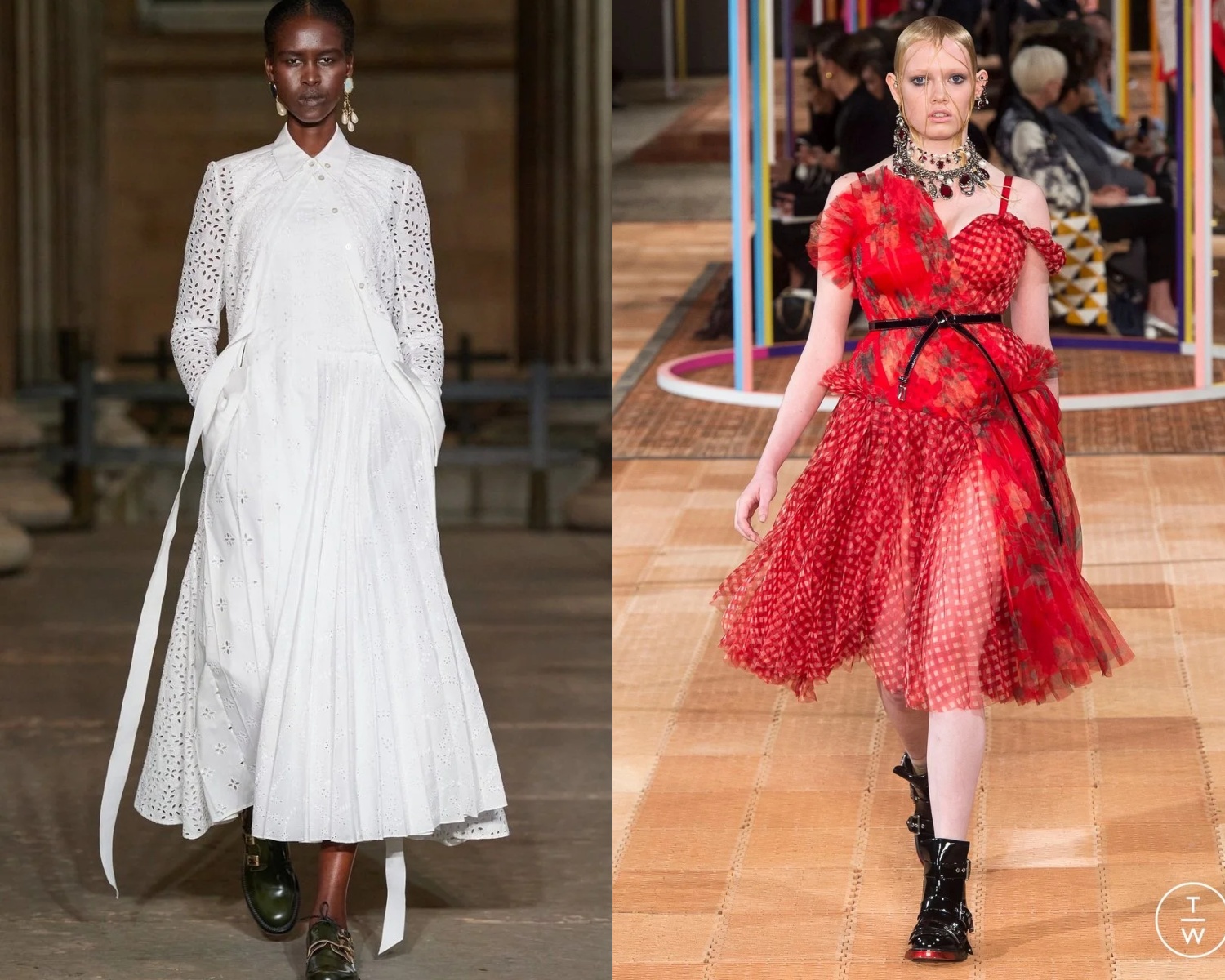
Fabric pleating, as practiced by firms like Ciment Pleating (established in 1925), is currently classified as critically endangered. The 2025 data suggests that there are fewer than five professionals in the UK earning their primary income from this craft, with no current trainees in the pipeline. The process is remarkably labor-intensive, involving the creation of complex cardboard molds that can take weeks to fold by hand before fabric is steamed into shape. Ciment Pleating’s archive includes work for Erdem, JW Anderson, and Victoria Beckham, illustrating that if this single workshop were to close, a significant portion of the London fashion industry would lose its ability to produce complex pleated garments.
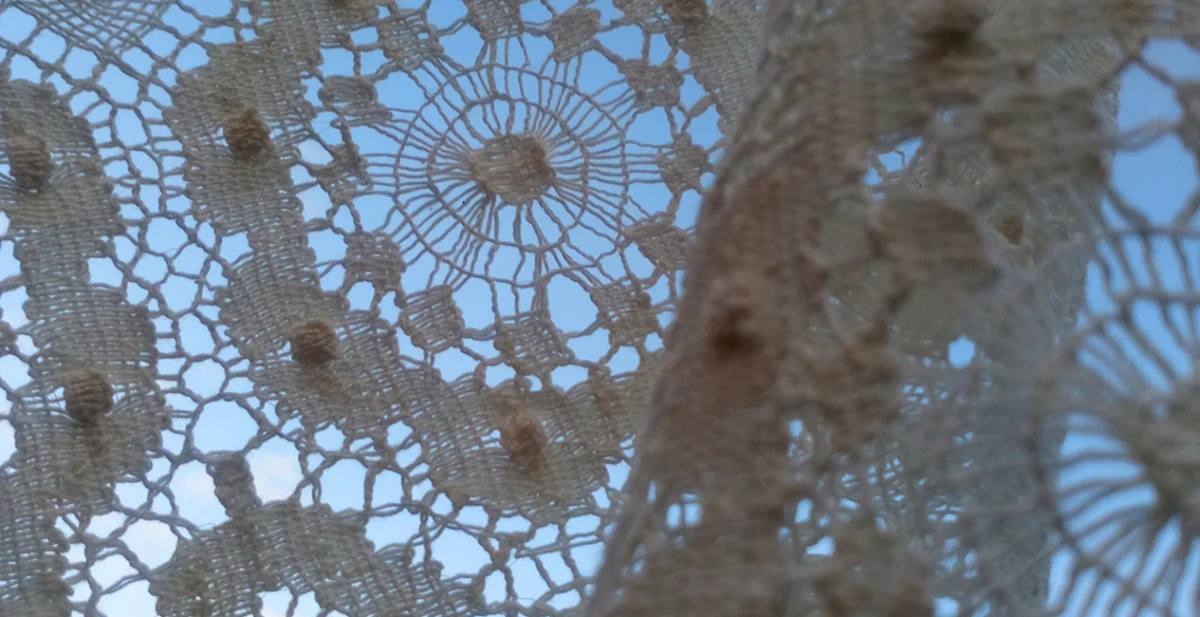
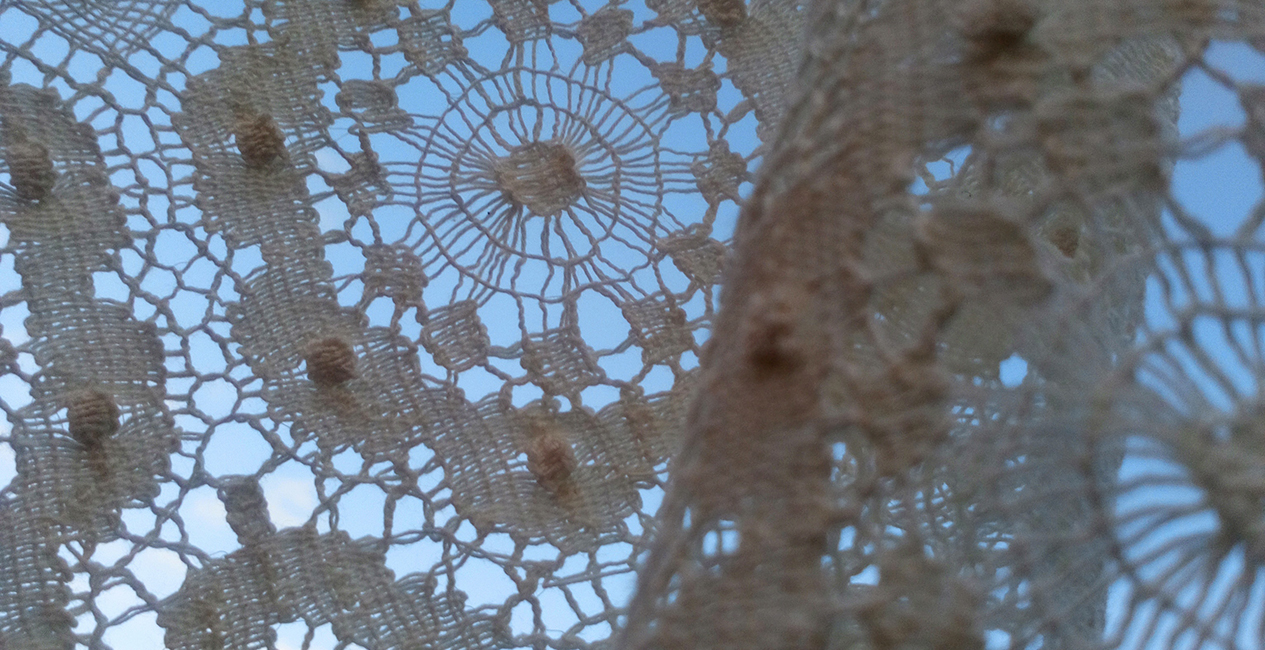
Lacemaking faces a similar crisis. Cluny Lace, the UK’s last remaining producer of Leavers lace, utilizes machinery that dates back to the 19th century. While Leavers lace is renowned for its ability to replicate the delicacy of handmade lace, the knowledge required to maintain and operate these machines is held by a dwindling number of technicians. When these skills disappear, they cannot be simply "re-bought"; they require generations of accumulated experience to reconstruct.
Bespoke as a Global Business Model
While some crafts struggle, others have found resilience by evolving into global luxury brands in their own right. George Cleverley and John Lobb (St James’s Street) have successfully exported the "London Bespoke" model. By conducting international trunk shows, these shoemakers bring the Mayfair workshop experience to a global clientele.
The commercial logic of this model is rooted in personalization and longevity. At Swaine’s New Bond Street workshop, a craftsman may spend 7 hours on the handle of an attaché case and another 23 hours on the case itself. For the modern luxury consumer, this investment of "skilled human time" has become a more potent symbol of status than a recognizable logo. This shift from "buying a product" to "commissioning an object" provides a sustainable path forward for artisans who can maintain a direct relationship with their end-users.
Implications for the Future of Luxury
The reliance of international luxury houses on London’s specialist network suggests that the industry must move beyond mere "celebration" of craft toward active preservation. The future of these skills depends on several factors:
- Sustainable Order Books: Consistent commissions from major fashion houses are more valuable than one-off collaborations, as they allow workshops to plan for long-term staffing and training.
- Structured Apprenticeships: Bridging the gap between fashion education and technical making is essential. While London produces world-class creative directors, there is a commensurate need for world-class cutters and finishers.
- Valuation of "Human Time": Consumers must be educated on the relationship between price and the hours of skilled labor required. The rarity of a garment is increasingly defined not by the brand name, but by the shrinking number of hands capable of making it.
In conclusion, London’s enduring contribution to global luxury is its concentration of specialized knowledge. The city serves as a technical laboratory where historical techniques are adapted for contemporary aesthetics. However, the survival of this network is not guaranteed. As the McQueen SS27 show demonstrated, the results of these collaborations are spectacular, but they rely on an infrastructure that requires deliberate support and economic viability to ensure that the "skilled hands" of London continue to shape the future of global fashion.
