
 By Eva Lovia
October 14, 2026
For many households, the daily ritual of running tap water through a filter is a assumed guarantee of purity. The elimination of chlorine’s unpleasant taste and the removal of visible particles are often perceived as sufficient indicators of safe drinking water. However, a growing body of evidence and the introduction of new testing technologies suggest that this perception may be dangerously incomplete. The efficacy of water filters can vary significantly, and potentially harmful contaminants like lead, PFAS (per- and polyfluoroalkyl substances), arsenic, and pesticides could still be present in the water flowing into your glass, even after filtration.
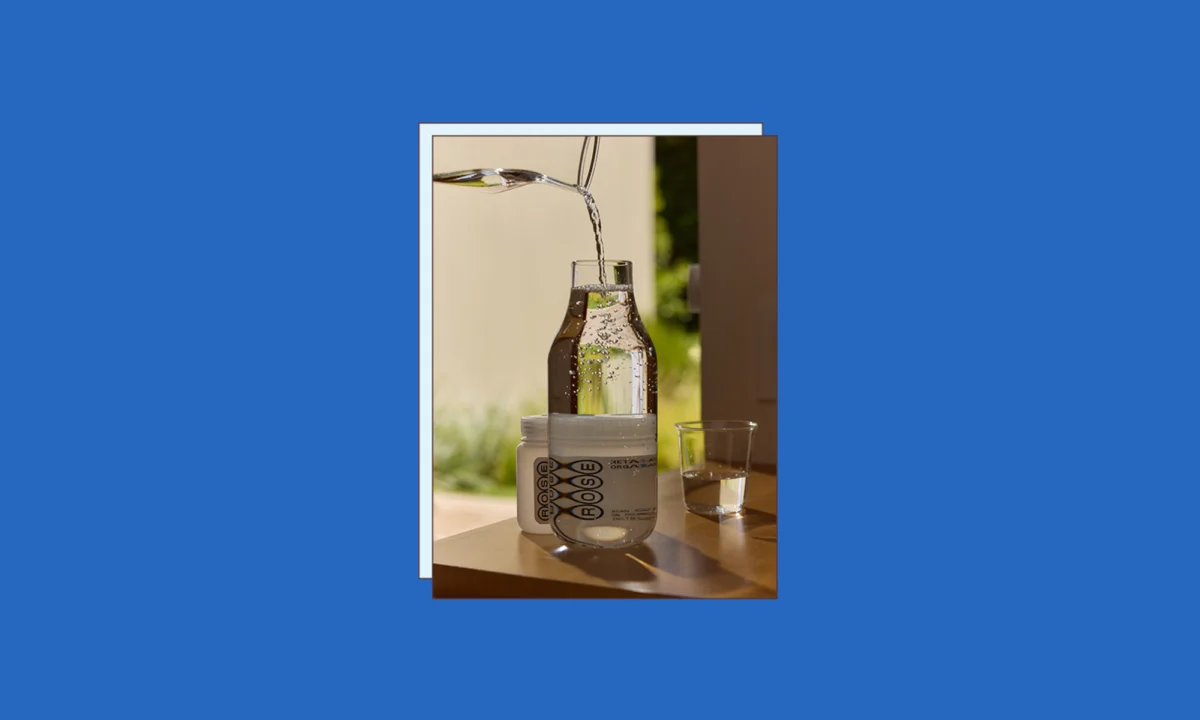
This critical gap in water quality assurance is being addressed by ROSE Water, a new at-home testing solution designed to provide consumers with a precise understanding of what their water contains, including post-filtration. The product aims to move beyond anecdotal evidence and simple taste tests to offer data-driven insights into household water safety.

Understanding the Limitations of Standard Filtration Certifications
The effectiveness of water filters is often gauged by certifications, but not all certifications are created equal when it comes to addressing health-related contaminants. According to the NSF (National Sanitation Foundation), an independent organization that develops rigorous testing standards for filtration systems, the NSF/ANSI 42 certification primarily focuses on aesthetic qualities of water, such as improving taste, odor, and appearance. While these are desirable improvements, this certification does not guarantee the reduction of contaminants that pose significant health risks.
For comprehensive protection against potentially harmful substances, consumers should seek filters certified under NSF/ANSI 53 or, for reverse osmosis systems, NSF/ANSI 58. These standards are specifically designed to address contaminants with known health effects. However, even these certifications specify the particular substances a filter is validated to reduce, meaning a filter certified for lead reduction may not be effective against PFAS or pesticides, and vice-versa. This nuance is often overlooked, leading to a false sense of security. The assumption that any filter provides universal protection is a critical misunderstanding that ROSE Water aims to rectify.
The Pervasive Threat of Contaminants in Drinking Water
The implications of inadequate water filtration are significant, given the widespread presence of various contaminants. The U.S. Environmental Protection Agency (EPA) has emphasized that there is no safe level of lead exposure, and their health-based goal for lead in drinking water is zero. Despite this, a study found that 25% of tested tap water sources exceeded 1 part per billion of lead, a reference level recommended by the American Academy of Pediatrics. Lead exposure, particularly in children, can lead to irreversible developmental issues, affecting cognitive function and behavior.

PFAS, often referred to as "forever chemicals" due to their persistence in the environment and the human body, are another major concern. These chemicals have been linked to a range of adverse health effects, including elevated cholesterol levels, liver damage, thyroid disease, and reproductive health issues. A study estimated that between 71 million and 95 million Americans may be consuming groundwater containing detectable levels of PFAS. These chemicals originate from a variety of sources, including industrial processes, firefighting foams, and consumer products, and can easily enter public water systems and private wells.
Arsenic and pesticides also pose serious health risks. Arsenic, a naturally occurring element, can leach into groundwater from rock and soil. Long-term exposure to arsenic in drinking water is associated with skin, bladder, lung, kidney, and liver cancer. Pesticides, widely used in agriculture, can contaminate water sources through runoff, and their ingestion can lead to a spectrum of health problems, depending on the type and level of exposure.
The Emergence of ROSE Water: A New Paradigm in Water Testing
In response to these concerns, ROSE Water, an exposure-health startup, launched on October 14, 2026. Founded by Eli Bronner and Henry Ellis, ROSE positions itself as the inaugural "exposure health company," aiming to empower individuals with knowledge about the environmental factors affecting their well-being. The company has assembled a scientific advisory board comprising experts in environmental health, toxicology, epidemiology, and chemistry, lending credibility to its research and development efforts.

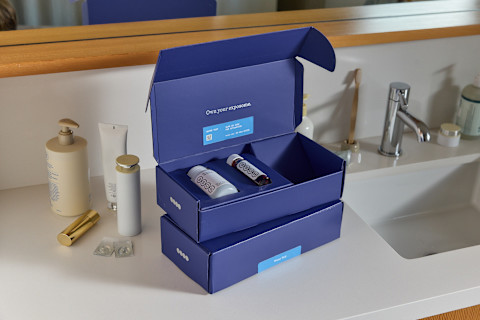
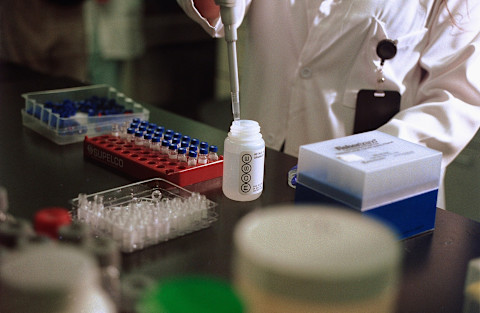
The cornerstone of ROSE’s offering is its $399 at-home water test. This comprehensive kit analyzes a single tap water sample for over 100 contaminants. The scope of the analysis includes PFAS, pesticides, heavy metals, and volatile organic compounds (VOCs). Samples are processed in an ISO-certified laboratory utilizing advanced testing methodologies that reportedly exceed standard EPA performance criteria. For households with multiple water sources, such as well water and municipal tap water, a two-tap bundle is also available, allowing for comparative analysis.
ROSE’s operational philosophy is encapsulated in its slogan: "Test. Treat. Track." This three-step approach encourages a proactive and informed strategy for managing water quality. Instead of relying on generic filter certifications or assumptions, consumers are encouraged to first identify specific contaminants present in their water. This diagnostic phase informs the selection of appropriate treatment methods, whether that involves choosing a filter certified for specific contaminants or implementing other water treatment solutions. The "track" component emphasizes the importance of retesting to verify the effectiveness of implemented measures and to monitor changes in water quality over time, especially as filter cartridges age.
The ROSE Water Testing Process: Simplicity Meets Scientific Rigor
Despite the sophisticated nature of the contaminants being tested for, the ROSE Water test kit is designed for user-friendliness. The process begins the night before the sample collection, with the user freezing an included ice pack. The following morning, the user collects a water sample from their tap, ideally after the water has been stagnant in the pipes for at least eight hours to capture the most representative levels of dissolved contaminants. The entire sample collection process is designed to take approximately seven minutes.

Once the sample is collected and properly sealed, it needs to be shipped to the ROSE laboratory. The company recommends dropping off the package at a UPS location on the same day as collection, preferably Monday through Wednesday, to avoid potential delays associated with weekend transit that could compromise sample integrity. Upon receipt and processing, the laboratory generates a detailed report of the findings, which is then emailed to the customer. ROSE also offers direct support, with their team available to guide users through their results and address any questions or concerns they may have.
Translating Test Results into Actionable Water Treatment Strategies
The actionable insights provided by the ROSE Water test are central to its value proposition. Armed with specific knowledge of what contaminants are present in their water, consumers can make far more informed decisions about water filtration and treatment. For instance, if the ROSE results reveal the presence of lead or PFAS, a consumer can confidently select a filter specifically certified under NSF/ANSI 53 or 58 to effectively remove those particular substances. This targeted approach is far more efficient and reliable than selecting a filter based on general claims or basic certifications.
Furthermore, the test results can shed light on the actual lifespan and effectiveness of existing filters. Many filter manufacturers provide replacement recommendations based on general usage averages. However, local water conditions can significantly influence how quickly a filter becomes saturated or its effectiveness diminishes. Retesting can reveal whether a current replacement cycle is appropriate for a household’s specific water quality. If contaminants are detected despite regular filter changes, it might indicate that the filter is not suited for those specific contaminants, that the filter has exceeded its effective lifespan, or that the concentration of contaminants is higher than the filter is designed to handle.
ROSE Water’s ambitions extend beyond immediate water quality testing. The company has outlined plans to broaden its service offerings, with a forthcoming expansion into biomarker-based exposure testing projected for early 2027. This initiative signifies a commitment to a more holistic approach to exposure health. In the longer term, ROSE envisions developing capabilities for testing air quality, mold presence, and even conducting body-based testing, all as part of a comprehensive exposure-health platform designed to provide individuals with a complete understanding of their environmental exposures and their potential impact on health.
The Broader Implications for Public Health and Consumer Awareness
The introduction of services like the ROSE Water test marks a significant shift in how individuals can approach personal health and environmental monitoring. Historically, detailed water quality analysis has been the domain of municipal water suppliers and specialized industrial or environmental testing services, often inaccessible or prohibitively expensive for the average consumer. The availability of reliable, user-friendly at-home testing kits democratizes this critical aspect of health management.
This trend towards consumer-driven health diagnostics has far-reaching implications. It fosters greater public awareness about the complex interplay between environmental factors and well-being. As more people become aware of potential contaminants in their immediate environment, it can drive demand for stricter regulatory standards, improved public water infrastructure, and greater transparency from water utilities and filter manufacturers.
The "Test. Treat. Track." model also empowers individuals to take a more proactive role in their health. By understanding specific risks, consumers can make informed choices not only about water filtration but also about other lifestyle and environmental factors. This empowerment can lead to a cascade of positive health outcomes and a greater appreciation for the importance of environmental quality.
Conclusion: A Clearer Picture for Healthier Hydration
In conclusion, the assumption that a standard water filter guarantees safe drinking water is often a misconception. The complexity of water contaminants and the specificity of filtration certifications mean that many households may still be exposed to harmful substances. The launch of the ROSE Water Test on October 14, 2026, offers a crucial solution to this information gap. For $399, this comprehensive at-home test provides an unprecedented level of insight into the composition of tap water, identifying over 100 potential contaminants. By enabling consumers to "Test. Treat. Track.," ROSE facilitates informed decisions about water treatment, ensuring that filtration efforts are precisely targeted and genuinely effective. This innovative approach promises to bring greater clarity to household water quality, paving the way for healthier hydration and a more proactive stance on environmental health.
