
 By admin
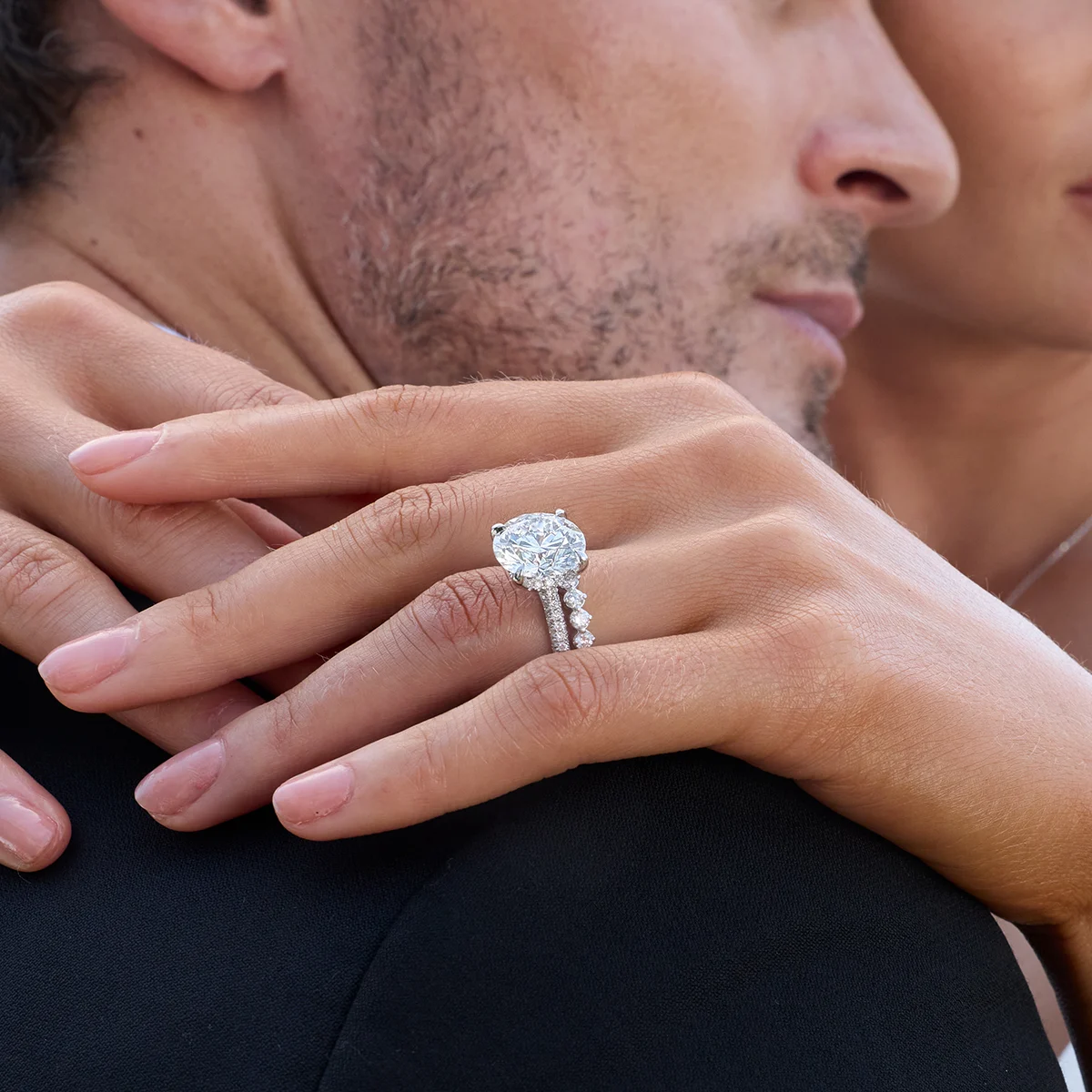
The landscape of the global jewelry market has undergone a fundamental transformation as of 2026, with lab-grown diamonds now occupying the primary position in the engagement ring sector. This shift represents more than a mere trend; it is the culmination of a decade-long evolution in consumer behavior, technological advancement, and a radical rethinking of luxury value. As couples increasingly prioritize personalization, transparency, and fiscal flexibility, the lab-grown diamond has moved from a niche alternative to the default selection for modern proposals. By providing identical chemical and physical properties to mined stones at a fraction of the cost, these stones have redefined the "rules" of engagement ring shopping, allowing for greater diversity in size, shape, and bespoke design.
The Historical Trajectory of Lab-Grown Diamonds
To understand the dominance of lab-grown diamonds in 2026, one must look at the chronological milestones that paved the way for this market takeover. While the first synthetic diamonds were created by General Electric in the 1950s, they were primarily industrial-grade, used for cutting and grinding tools. It was not until the early 2010s that Chemical Vapor Deposition (CVD) and High Pressure High Temperature (HPHT) technologies advanced sufficiently to produce gem-quality stones.
A pivotal moment occurred in 2018 when the United States Federal Trade Commission (FTC) revised its jewelry guides, removing the word "natural" from the definition of a diamond. This legal recognition clarified that a diamond is defined by its carbon structure, not its origin. Following this, major industry players began to pivot. De Beers, once the staunchest opponent of lab-grown gems, launched its own lab-grown line, Lightbox, in 2018. By 2023, data indicated that lab-grown diamonds accounted for nearly 20% of the total global diamond jewelry market by value. As we reach 2026, industry analysts report that in the engagement ring sub-sector, lab-grown stones now represent over 50% of unit sales in North America and Western Europe.
Technical Parity: The Science Behind the Sparkle
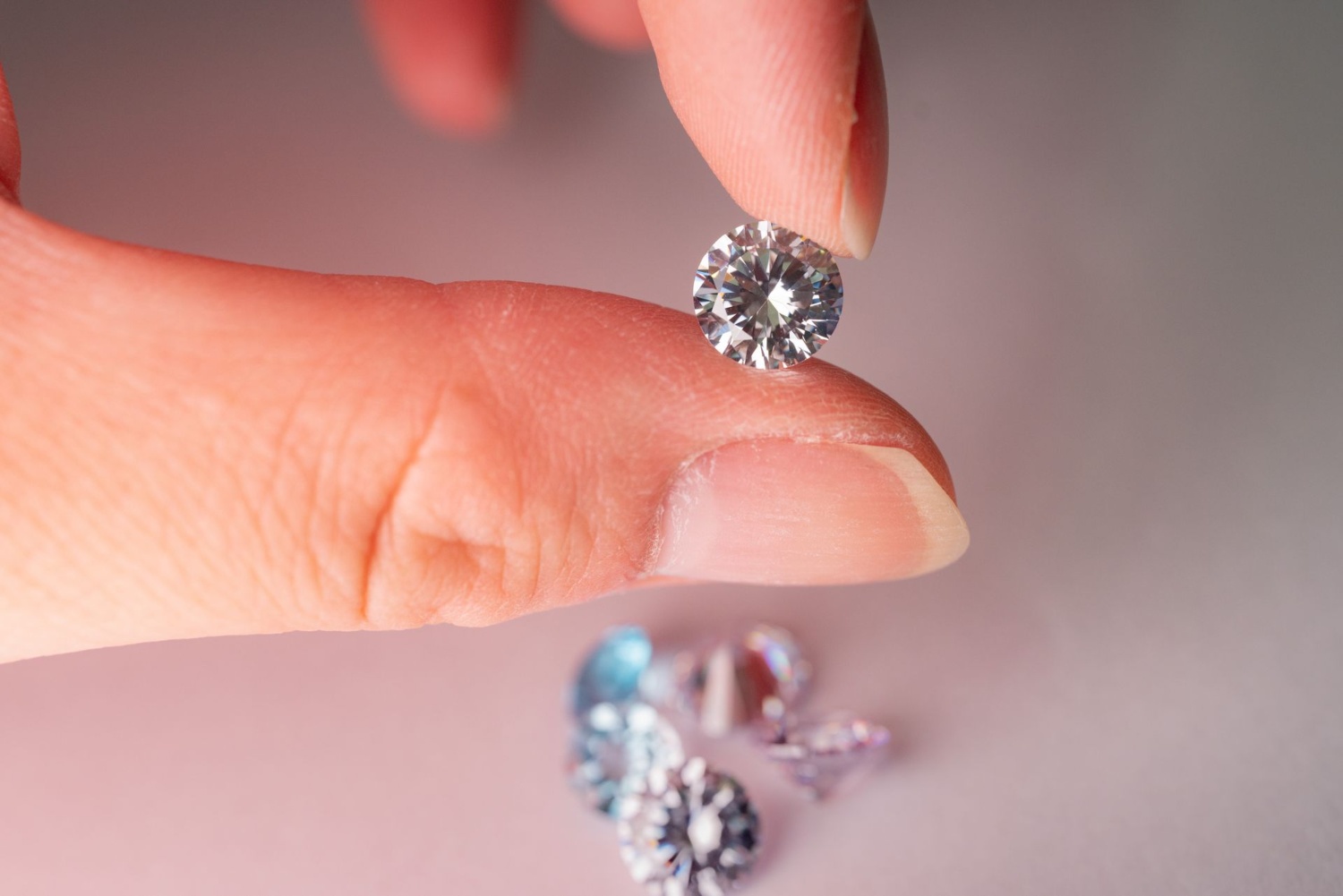
The primary driver of consumer confidence in 2026 is the widespread understanding that lab-grown diamonds are chemically, physically, and optically identical to those extracted from the earth. Unlike "simulants" such as cubic zirconia or moissanite, which have different refractive indices and hardness levels, lab-grown diamonds are pure carbon lattices.
The two primary methods of creation—HPHT and CVD—have reached a state of refinement where even seasoned gemologists cannot distinguish between a lab-grown and a mined diamond without specialized spectroscopic equipment. HPHT mimics the intense heat and pressure found deep within the Earth’s mantle, while CVD involves a "seed" diamond placed in a vacuum chamber filled with carbon-rich gas, which is then ionized into plasma, allowing carbon atoms to deposit onto the seed layer by layer.
This technical parity ensures that lab-grown diamonds are graded on the same "4Cs" scale—Cut, Color, Clarity, and Carat—developed by the Gemological Institute of America (GIA). In 2026, the availability of comprehensive grading reports from the GIA and the International Gemological Institute (IGI) has provided the necessary third-party verification to satisfy consumer demand for quality assurance.
Economic Implications and the "Carat Inflation" Phenomenon
The most significant impact of the lab-grown revolution is the democratization of high-carat jewelry. In 2026, the price differential between a mined diamond and a lab-grown diamond of identical quality has widened significantly. On average, a lab-grown diamond costs 70% to 90% less than its mined counterpart.
This economic shift has led to what market analysts call "carat inflation." Where a one-carat round brilliant was once the standard for middle-class engagement rings, the average center stone size for 2026 proposals has moved closer to two and a half or three carats. Because the price barrier has been lowered, couples are no longer forced to compromise on the 4Cs. Instead of choosing between a large stone with visible inclusions or a tiny stone with perfect clarity, buyers can now afford "eye-clean" stones with excellent cut grades at sizes that were previously reserved for the ultra-wealthy.
Furthermore, the cost savings are frequently redirected. Market data from 2025-2026 suggests that couples are spending their "diamond savings" on higher-quality metal settings (such as platinum), custom design fees, or experiential elements of the wedding and honeymoon.
Personalization and the Rise of Fancy Shapes
The flexibility of lab-grown diamond production has also fueled a surge in the popularity of "fancy shapes." In the era of mined-diamond dominance, round brilliants were favored by retailers because they were the safest investment for inventory. However, the lower production costs of lab-grown stones have allowed manufacturers to experiment with and mass-produce a wider variety of silhouettes.
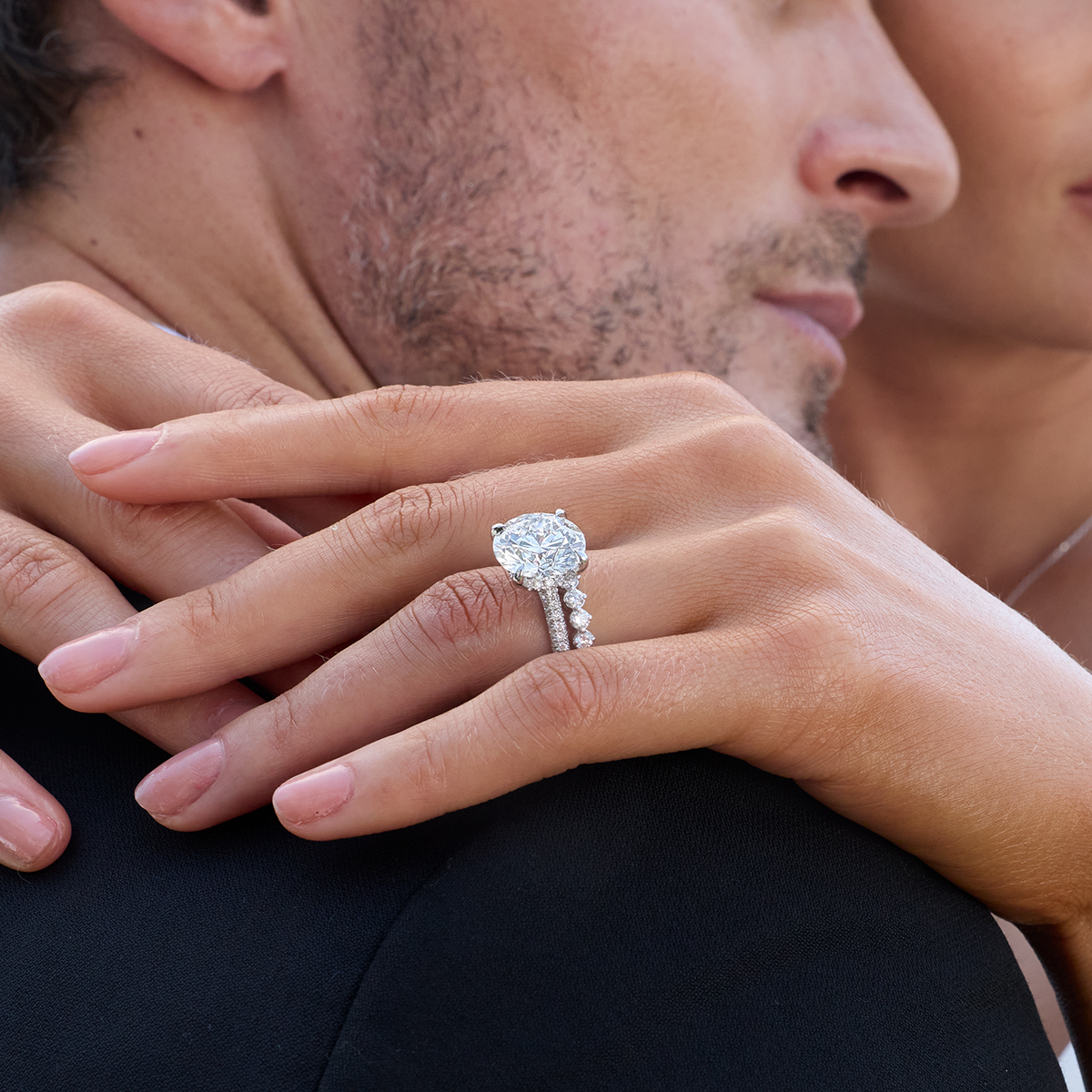
In 2026, elongated shapes such as ovals, emerald cuts, and radiants have seen a massive uptick in demand. The oval cut, in particular, has become a favorite for its ability to create a lengthening effect on the finger and its larger "face-up" appearance compared to a round stone of the same carat weight. Emerald cuts, which require higher clarity grades due to their open "step-cut" facets, have become more accessible because the price of VVS-clarity lab diamonds remains affordable.
Customization has evolved from a luxury service to a standard expectation. Digital platforms now allow couples to select a specific loose lab-grown diamond from a global database and pair it with a 3D-rendered custom setting. This level of involvement in the design process has made the engagement ring purchase a collaborative experience rather than a top-down retail transaction.
The Sustainability Narrative and Corporate Response
Ethical and environmental considerations remain a significant factor in the 2026 market. While the "Blood Diamond" narrative of the early 2000s has been largely addressed by the Kimberley Process, modern consumers—particularly Gen Z and Millennials—are more focused on the carbon footprint of mining.
Traditional diamond mining requires the displacement of tons of earth and significant water usage. In contrast, many lab-grown diamond foundries are now marketing themselves as "climate neutral" or "sustainably grown," utilizing renewable energy sources like solar and wind to power their reactors. However, the industry has faced scrutiny to ensure these claims are backed by transparent data. In response, 2026 has seen the rise of "SCS-007" certification, the first comprehensive sustainability standard for diamonds, which tracks a stone’s journey from the lab to the finger, ensuring environmental and social responsibility.
Retailers have had to adapt or perish. Legacy brands that once shunned lab-grown diamonds have integrated them into their permanent collections. Industry leaders like Signet Jewelers and online pioneers like With Clarity have expanded their inventories to offer a hybrid of choices, though consumer preference has leaned heavily toward the lab-grown side for the engagement category.
Market Analysis: The Future of the Mined Diamond
The rise of lab-grown diamonds has forced the mined diamond industry to rebrand itself. In 2026, natural diamonds are increasingly marketed as "heritage" or "legacy" items, emphasizing their rarity and the billions of years required for their formation. This has created a bifurcated market: lab-grown diamonds for the mass-market engagement sector, and natural diamonds for the ultra-high-end investment and collectors’ market.
Resale value remains a point of contention and a key area of analysis. While natural diamonds have historically held a portion of their value, the resale market for lab-grown diamonds is still maturing. However, for most 2026 buyers, the "investment" value of an engagement ring is secondary to its sentimental value and its immediate aesthetic impact. The prevailing sentiment among modern couples is that an engagement ring is a symbol of commitment, not a liquid asset meant for future liquidation.
Broader Impact on the Jewelry Industry
The success of lab-grown diamonds has spilled over into other sectors of the jewelry industry. In 2026, lab-grown rubies, sapphires, and emeralds are seeing similar growth trajectories. The "lab-grown" prefix is losing its stigma, becoming associated with innovation and "smart luxury" rather than a "fake" alternative.
As we look toward the remainder of the decade, the infrastructure of the jewelry trade continues to adjust. Bench jewelers have become more adept at handling lab-grown stones, and insurance companies have standardized their policies for these gems. The 2026 proposal season serves as a definitive marker: the lab-grown diamond is no longer the "alternative" choice; it is the standard.
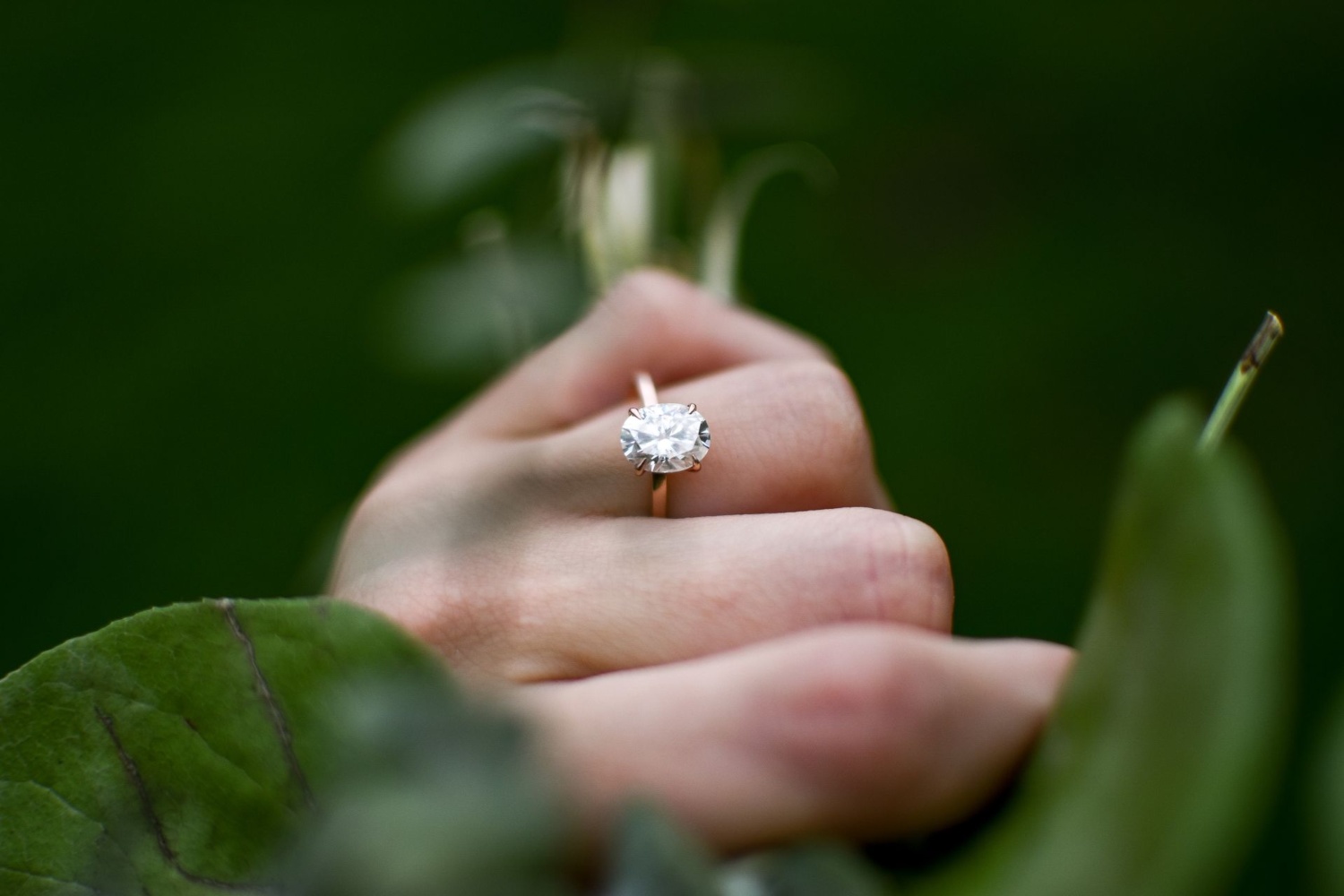
By offering a combination of scientific perfection, ethical transparency, and unprecedented value, lab-grown diamonds have empowered a new generation of couples to design rings that reflect their personal styles without the constraints of traditional mining economics. Whether it is a classic solitaire or a complex, multi-stone custom design, the lab-grown diamond has secured its place as the centerstone of the modern romance.
