
 By admin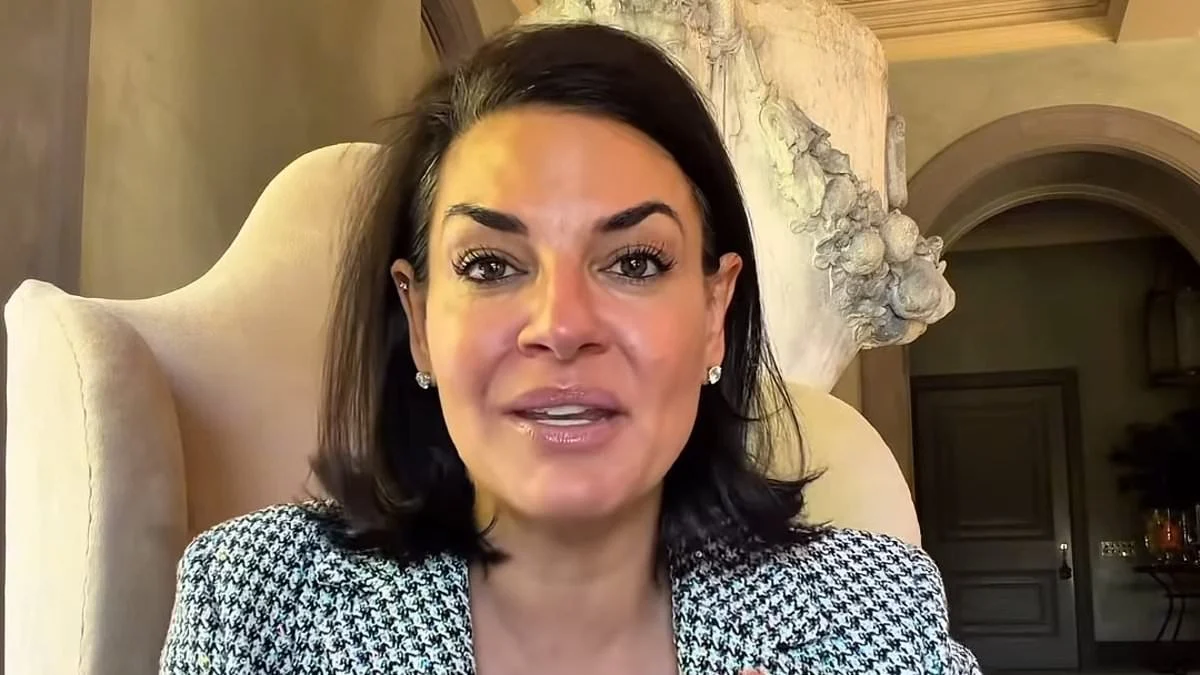
The digital landscape has recently become a flashpoint for a heated debate regarding wealth, relatability, and social responsibility, centered on two prominent figures from the "Real Housewives of Sydney" (RHOS) franchise. Victoria Montano and Nicole O’Neil, both established members of Sydney’s social elite, have faced significant public criticism following a series of social media posts that many followers characterized as "out of touch" and "classless." These incidents, involving high-value designer accessories and complaints regarding the logistics of transporting luxury goods, have highlighted a growing disconnect between the lifestyle of reality television stars and the economic realities faced by their broader audience.
The controversy began when Victoria Montano, 43, shared a selfie with her followers during a trip to London. The post featured a caption in which Montano expressed frustration over her inability to wear $20,000 worth of jewelry and Hermès accessories while traveling between London and Milan. Montano cited advice from her co-star, Nicole O’Neil, as the reason for her caution, stating that she was told not to wear her high-end items in London before her departure. The post, intended as a personal update, was quickly met with a wave of negative feedback from users who found the complaint insensitive, particularly given the current global economic climate.
Simultaneously, Nicole O’Neil, 46, sparked a parallel controversy by advocating for the purchase of the Hermès Birkin bag, an item synonymous with extreme luxury and exclusivity. In a video shared with her followers, O’Neil defended the $20,000 price tag of the handbag, framing it as a sound financial investment based on "cost per wear." O’Neil admitted that while many might view the purchase as "completely unnecessary," she had owned her first Birkin since the age of 20 and continued to use it decades later, suggesting that its longevity justified the initial capital outlay.
The Mathematical Rebuttal and the Relatability Gap
The reaction to O’Neil’s investment advice was swift and analytical. While some followers appreciated the insight into luxury fashion, others took the opportunity to deconstruct the financial logic presented. One follower provided a detailed breakdown, comparing the Birkin to a high-quality, non-branded leather bag. The critic argued that even with a generous resale value and thousands of uses over 20 years, the cost per wear of a $25,000 Birkin (estimated at approximately $3.33) remained more than 12 times higher than that of an $800 non-branded bag (estimated at 27 cents per wear).
This mathematical dissection of O’Neil’s claim points to a larger issue within the "influencer" and reality TV spheres: the "relatability gap." For the average consumer, an $800 handbag is already considered a luxury purchase; a $20,000 bag represents a figure equivalent to a down payment on a vehicle or a significant portion of a household’s annual mortgage payments. Critics noted that while O’Neil’s perspective might hold weight within the 0.1% of the population, its presentation as general advice felt dismissive of the financial pressures currently affecting the Australian public.
A Pattern of Conspicuous Consumption
This is not an isolated incident for the cast of the "Real Housewives of Sydney." The show and its stars have a documented history of showcasing "conspicuous consumption"—a term coined by sociologist Thorstein Veblen to describe the spending of money on and the acquiring of luxury goods and services to publicly display economic power.
In June 2023, a social media clip went viral featuring Montano alongside castmates Krissy Marsh, Victoria Rees, and Matty Samaei. In the video, the women took turns identifying the designer labels they were wearing, which included Nookie, Victoria Beckham, and Zadig & Voltaire. Montano’s segment, however, drew the most ire. Strutting in Dior, Valentino, and carrying a Hermès bag, she coined the phrase "Montano money" to describe her aesthetic. The phrase was interpreted by many as a boastful display of generational or marital wealth, further alienating a segment of the audience that perceives such behavior as a lack of humility.
The lavish lifestyle of the cast extends beyond fashion. Last year, Krissy Marsh organized an extravagant three-day celebration for her husband Johnny’s 59th birthday in Noosa. The event, which featured "margarita towers" and "caviar bumps," was attended by the "Eastern Suburbs elite" and showcased a level of opulence that mirrored the "festival-esque" themes often seen in high-society gatherings. Such events, while staples of the reality TV genre, serve as frequent reminders of the wealth disparity between the show’s participants and its viewers.
The Financial Context of the Montano Household
To understand the public’s reaction, it is necessary to examine the professional backgrounds of the individuals involved. Victoria Montano is an entrepreneur in her own right, managing her fashion brand, Sports Luxe. Her lifestyle is characterized by frequent European vacations and the maintenance of expensive horses at a stable outside Sydney.
However, the irony of the "Montano money" controversy is often linked by critics to the professional life of her husband, Tim Odillo Maher. Maher serves as the Executive Director of Fox Symes Debt Solutions, a prominent debt management firm in Australia. The firm specializes in helping individuals navigate bankruptcy, debt agreements, and financial insolvency. Critics on social media have frequently pointed out the perceived cognitive dissonance between a household that generates income by managing the debts of struggling Australians while simultaneously flaunting $20,000 jewelry complaints and "Montano money" on international platforms.
The Socio-Economic Climate in Australia
The backlash against Montano and O’Neil does not exist in a vacuum. Australia is currently grappling with a significant cost-of-living crisis, driven by high inflation, rising interest rates, and a competitive housing market. Sydney, in particular, remains one of the most expensive cities globally. For many residents of the city, the primary concerns are the rising costs of groceries, utilities, and rent.
Against this backdrop, social media posts that lament the inability to wear five-figure jewelry sets or that categorize $20,000 handbags as "essential investments" are often viewed as tone-deaf. From a journalistic perspective, the reaction to these posts reflects a broader societal tension regarding how wealth is performed in public spaces. While aspirational content has long been a draw for reality television, there appears to be a shifting threshold for what the public considers acceptable "flaunting" versus "insensitivity."
The Market for Luxury Goods and Resale Value
Despite the public outcry, there is a factual basis for some of Nicole O’Neil’s claims regarding the value of luxury items. The market for Hermès Birkin and Kelly bags is unique in the fashion industry. Unlike most consumer goods, these items often appreciate in value over time. According to various luxury market indices, the Birkin bag has historically outperformed both the S&P 500 and the price of gold in terms of investment returns.
The exclusivity of these items is maintained through limited production and a "primary market" system where customers often must build a significant purchase history with the brand before being offered the chance to buy a Birkin. This scarcity fuels a robust resale market where bags can fetch double or triple their original retail price. From a purely financial standpoint, O’Neil’s assertion that the bag is a "good value" holds true within the niche market of luxury collectibles. However, the journalistic consensus is that the delivery of this information—framed as a relatable lifestyle tip—failed to account for the lack of liquidity and capital available to the general public.
Broader Implications for Reality TV Personalities
The recent events surrounding the "Real Housewives of Sydney" cast highlight the risks associated with the "influencer" model of celebrity. Personalities who build their brand on luxury and exclusivity must navigate a delicate balance: they must remain aspirational enough to maintain their "Housewife" status while remaining grounded enough to avoid alienating the audience that provides their platform.
As social media continues to democratize the ability for the public to respond directly to celebrities, the "echo chamber" of wealth is increasingly being punctured by real-world commentary. The detailed mathematical breakdown provided by a follower in response to O’Neil’s post serves as a prime example of how digital audiences are now using data to challenge the narratives presented by reality stars.
Conclusion
The controversy involving Victoria Montano and Nicole O’Neil serves as a case study in the modern intersection of wealth, media, and public perception. While the stars of "Real Housewives of Sydney" continue to live lives of significant privilege, the scrutiny they face is a reflection of a society that is increasingly critical of overt displays of wealth during times of economic hardship. Whether these stars will choose to moderate their social media presence or continue with their "unapologetic" displays remains to be seen, but the current discourse suggests that the "Montano money" era is being met with a more rigorous and skeptical public eye than ever before.
The incident underscores a fundamental truth in the age of social media: while wealth can buy luxury, it cannot buy immunity from the shifting standards of public relatability and social etiquette. As the RHOS cast continues to document their lives, the tension between their private reality and the public’s perception will likely remain a central theme of their digital and televised narratives.
