
 By admin
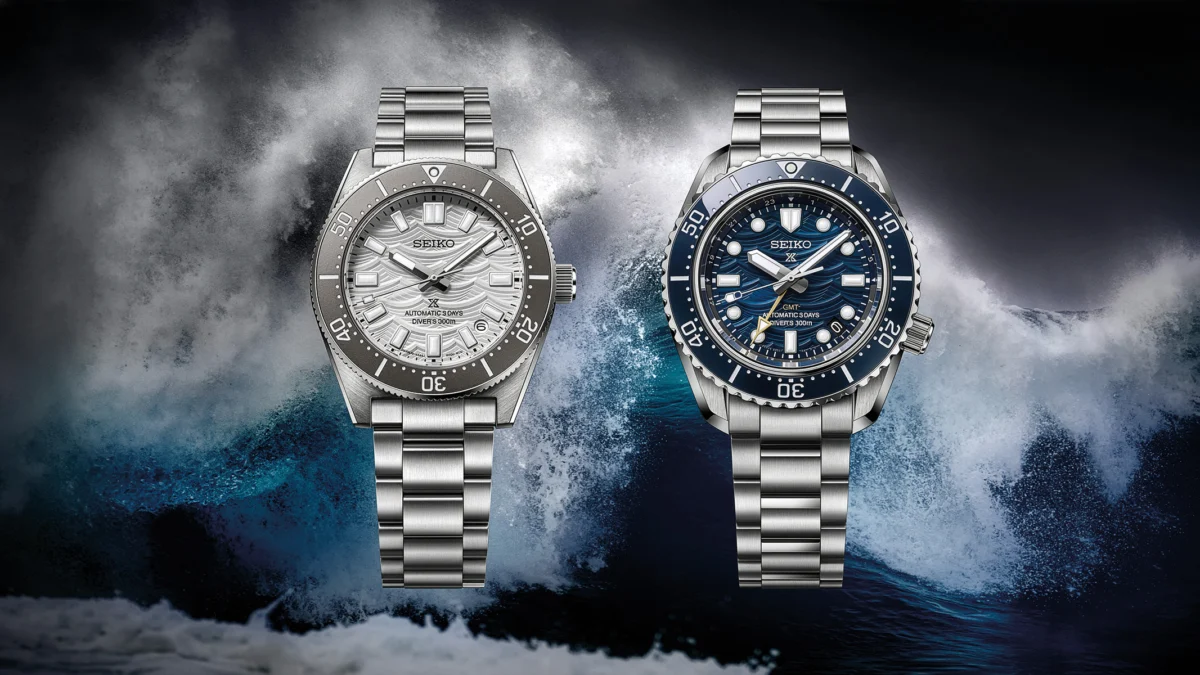
Seiko has officially initiated a comprehensive technical and aesthetic overhaul of its Prospex collection, marking a dual milestone in the company’s history: the 60th anniversary of its inaugural diver’s watch and the 145th anniversary of the brand’s founding by Kintaro Hattori. This strategic evolution, characterized by the integration of modular architecture and advanced mechanical calibres, represents a significant shift for the "Professional Specifications" line. Rather than relying solely on the nostalgia of its mid-century archives, the Japanese horological giant is re-engineering its core tool-watch DNA to meet modern ergonomic standards and rigorous saturation-diving requirements.
The Prospex lineage has long been distinguished by its departure from the luxury-first approach prevalent in Swiss watchmaking. Since the introduction of Japan’s first diver’s watch in 1965, Seiko has prioritized field-tested reliability over decorative styling. This legacy was forged in the world’s most inhospitable environments, ranging from the sub-zero isolation of the 1966 Japanese Antarctic Research Expedition to the crushing depths of the oceanic abyss explored by JAMSTEC (Japan Agency for Marine-Earth Science and Technology) submersibles. The latest 2024–2026 product roadmap indicates that Seiko is doubling down on this pragmatic engineering philosophy while introducing refinements aimed at long-term serviceability and wearer comfort.
A Chronology of Innovation: From 1965 to the Present
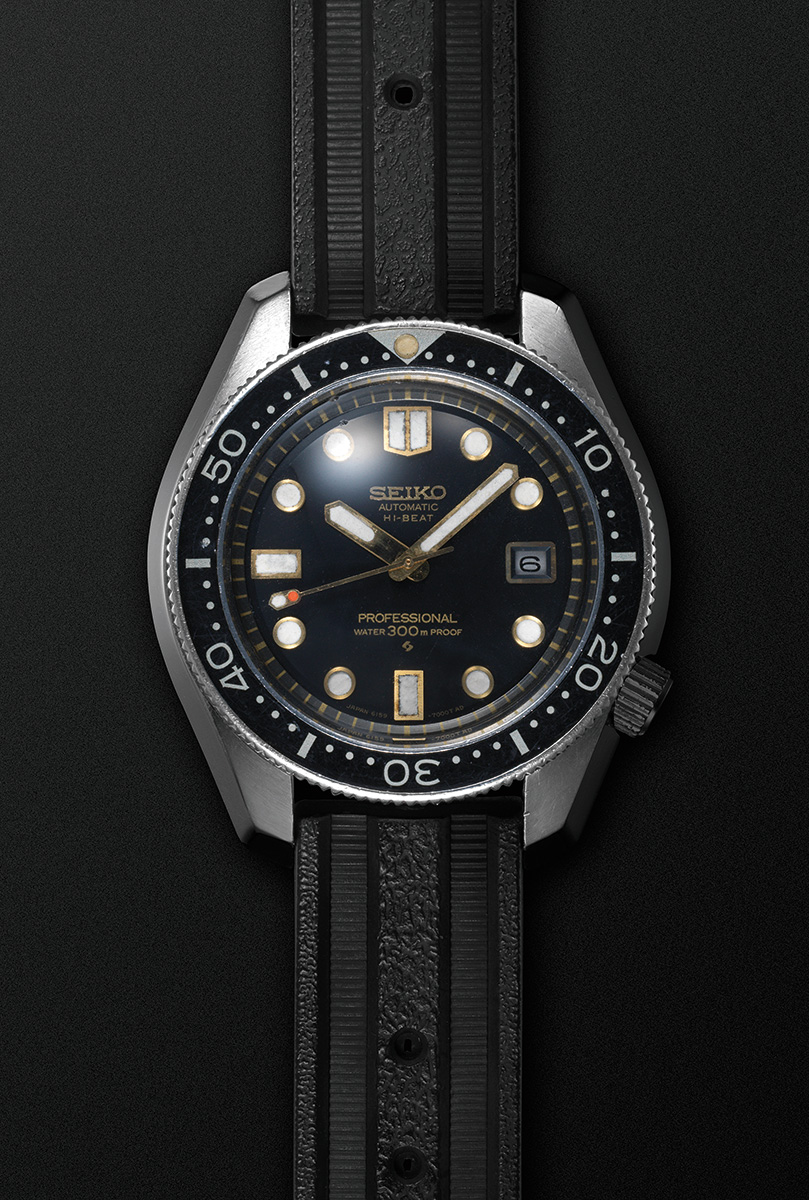
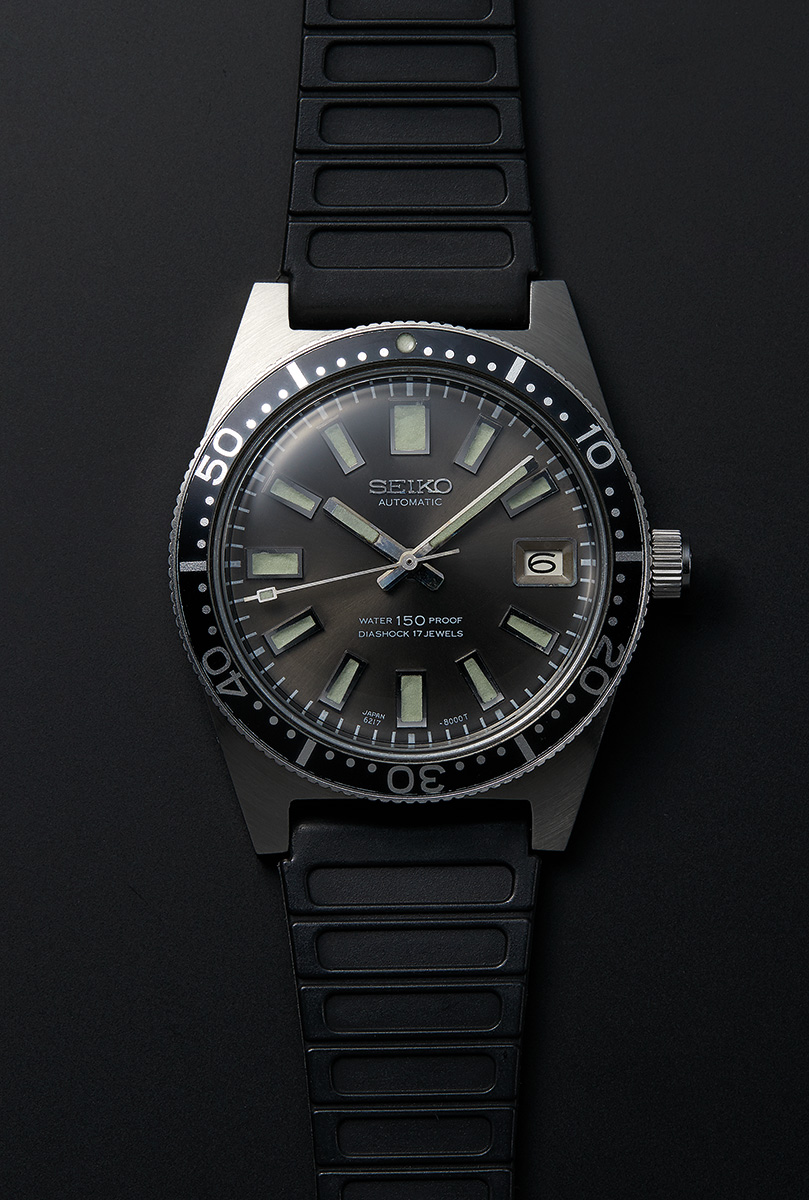
To understand the current trajectory of the Prospex line, one must examine the chronological milestones that established Seiko’s dominance in the professional diving sector. The journey began in 1965 with the 150-meter water-resistant reference 6217, commonly known as the 62MAS. This was followed in 1968 by a 300-meter high-beat diver that set new standards for legibility and water resistance.
A pivotal moment occurred in 1975, when Seiko engineers responded to a letter from a professional saturation diver complaining of watch failures due to helium ingress. This led to the development of the world’s first titanium-cased diver, featuring the revolutionary L-shaped gasket. This architecture made an external helium escape valve unnecessary, as the gasket’s unique geometry effectively sealed the watch against the smallest gas molecules.
The current evolution of the Prospex line draws directly from these historical blueprints. However, under the leadership of Masanori Kawamura, who assumed the role of Design Leader for Prospex in 2024, the focus has shifted toward "physical usability." Kawamura, who previously directed the design of the high-tech, GPS-controlled Astron line, has brought a new level of systematic organization to the Prospex aesthetic. His approach prioritizes the derivation of form from reliability, ensuring that every curve of the case and every click of the bezel serves a functional purpose in a real-world diving environment.
The Mechanical Apex: Calibre 8L45 and the Marinemaster Series
At the heart of Seiko’s high-end tool-watch strategy is the Marinemaster series, which serves as the flagship for the Prospex collection. The latest iterations of the Marinemaster utilize the Calibre 8L45, an automatic movement specifically engineered for professional-grade diving instruments. Operating at a frequency of 4 Hz (28,800 vibrations per hour), this movement is built with Seiko’s proprietary Spron alloys for both the mainspring and the balance spring.
The use of Spron—a high-elasticity alloy developed in-house—provides the movement with enhanced resilience against magnetic interference, temperature fluctuations, and physical shock. Furthermore, by utilizing an elongated, thinner mainspring, Seiko has achieved a 72-hour power reserve. This allows the watch to maintain precision even after being set aside for a full weekend, a standard that has become increasingly critical in the modern luxury watch market.
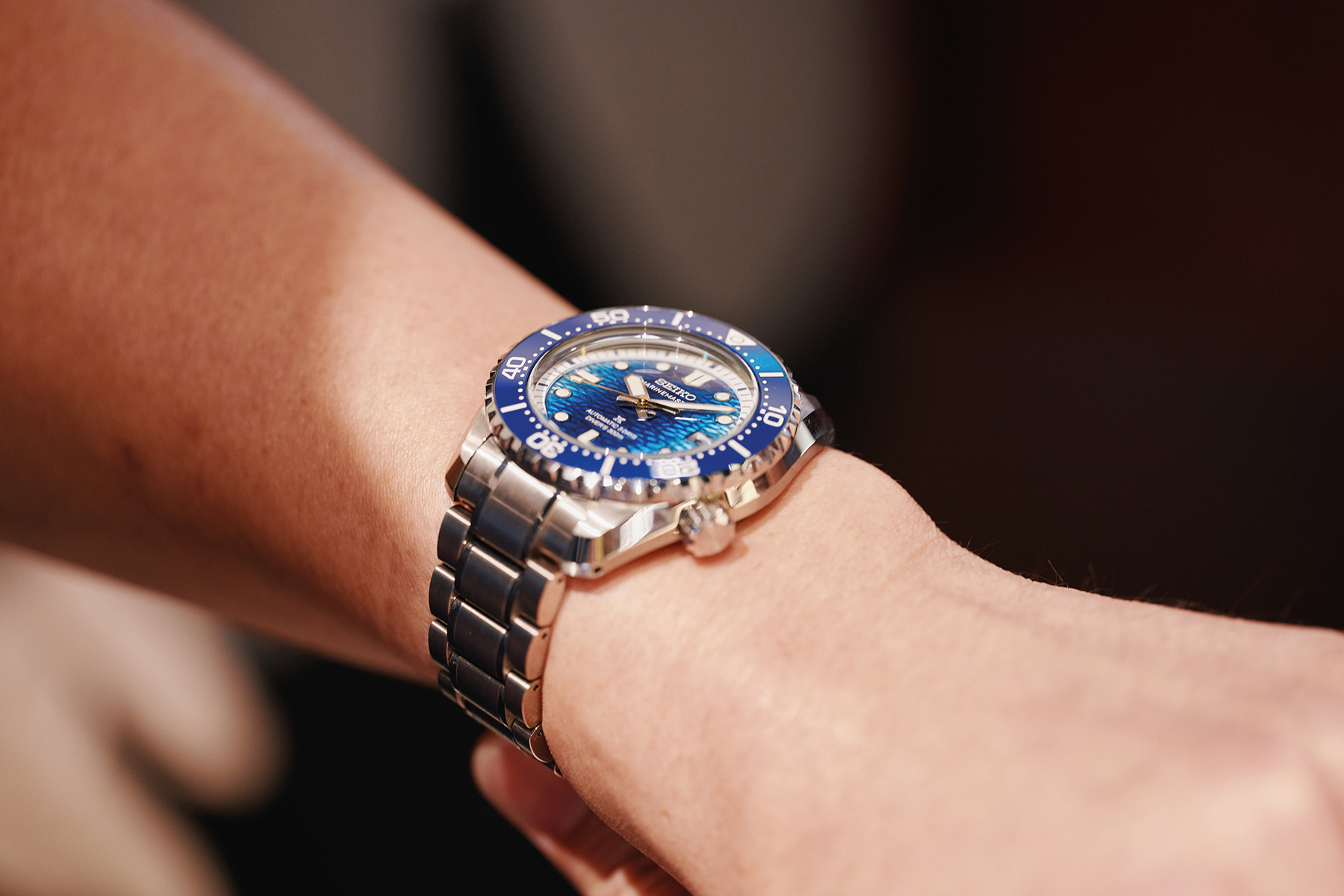
The Marinemaster 60th Anniversary Professional Limited Edition (SLA081) exemplifies this mechanical prowess. It features a 45.4mm monobloc titanium case, a design choice that eliminates the traditional case back to further minimize potential leak points. Rated for 600 meters of saturation diving, the SLA081 utilizes a DLC-treated (Diamond-Like Carbon) stainless steel bezel insert, which provides a surface hardness approximately six times greater than standard steel. This ensures the watch remains functional and legible even after years of abrasive contact with coral, sand, or diving equipment.
Structural Innovations: Modular Crowns and Stress Distribution
One of the most significant technical advancements in the new Prospex models is the introduction of a modular crown architecture. Traditionally, the crown pipe—the threaded tube that allows the crown to screw down against the case—is integrated directly into the case body. If the threads become stripped or damaged through years of use, the entire case must often be replaced, leading to high maintenance costs.
In the 1968 Marinemaster case architecture, Seiko has implemented a "detachable screw-down crown pipe structure." This design allows the crown pipe to be replaced as a standalone component. According to Kawamura, this innovation significantly improves the long-term durability and maintenance efficiency of the timepiece, aligning the watch’s lifespan with the professional careers of its users.
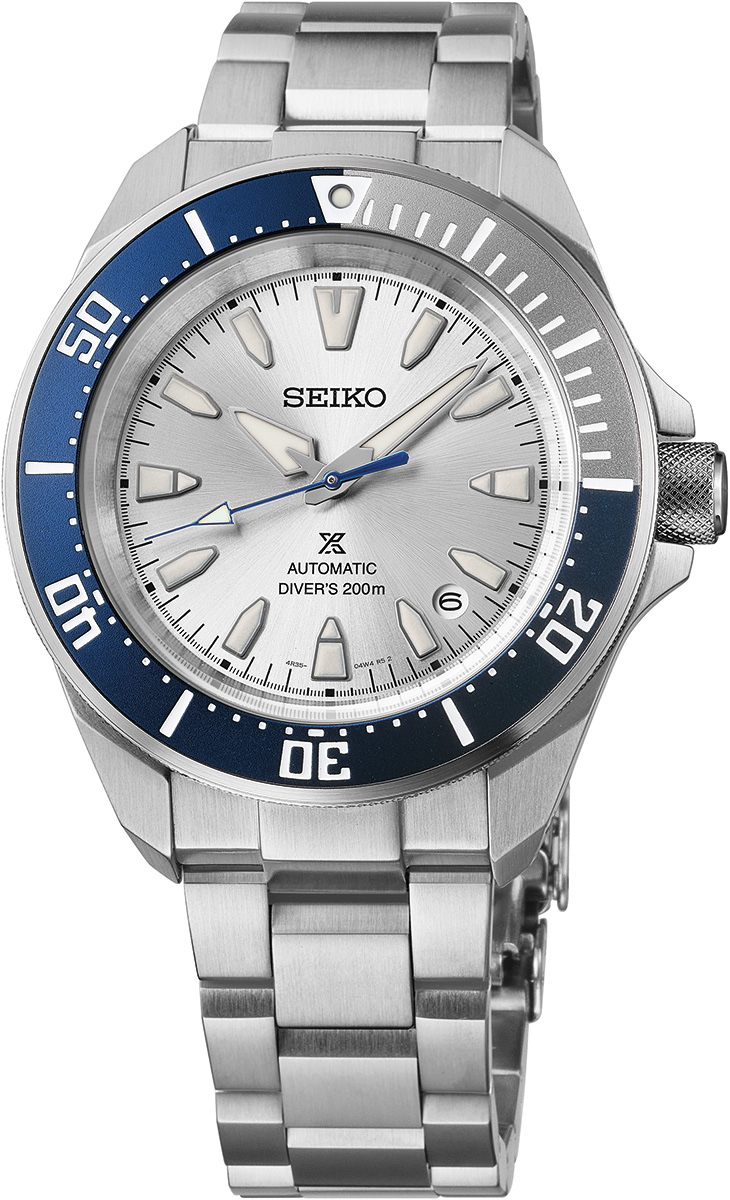
Simultaneously, Seiko has achieved a breakthrough in case-thinning technology. On the 60th Anniversary 1965 Heritage Diver (SPB511), engineers increased the depth rating from 200 meters to 300 meters. Under normal circumstances, such an increase would require a significantly thicker case and crystal to withstand the added atmospheric pressure. However, by optimizing the internal geometry of the case back and utilizing the void spaces between the movement and the case wall, Seiko distributed the mechanical stress more effectively. The result was a 300-meter diver that grew by only 0.2mm in thickness, maintaining a compact and wearable profile for daily use.
Ergonomics and the Tactile User Experience
While the internal mechanics ensure reliability, the external touchpoints define the wearer’s daily experience. Seiko has overhauled its bracelet and clasp mechanics to address the growing consumer demand for "on-the-fly" adjustability. This is particularly relevant for divers whose wrist circumference can fluctuate due to changes in water temperature or the compression of a neoprene wetsuit.
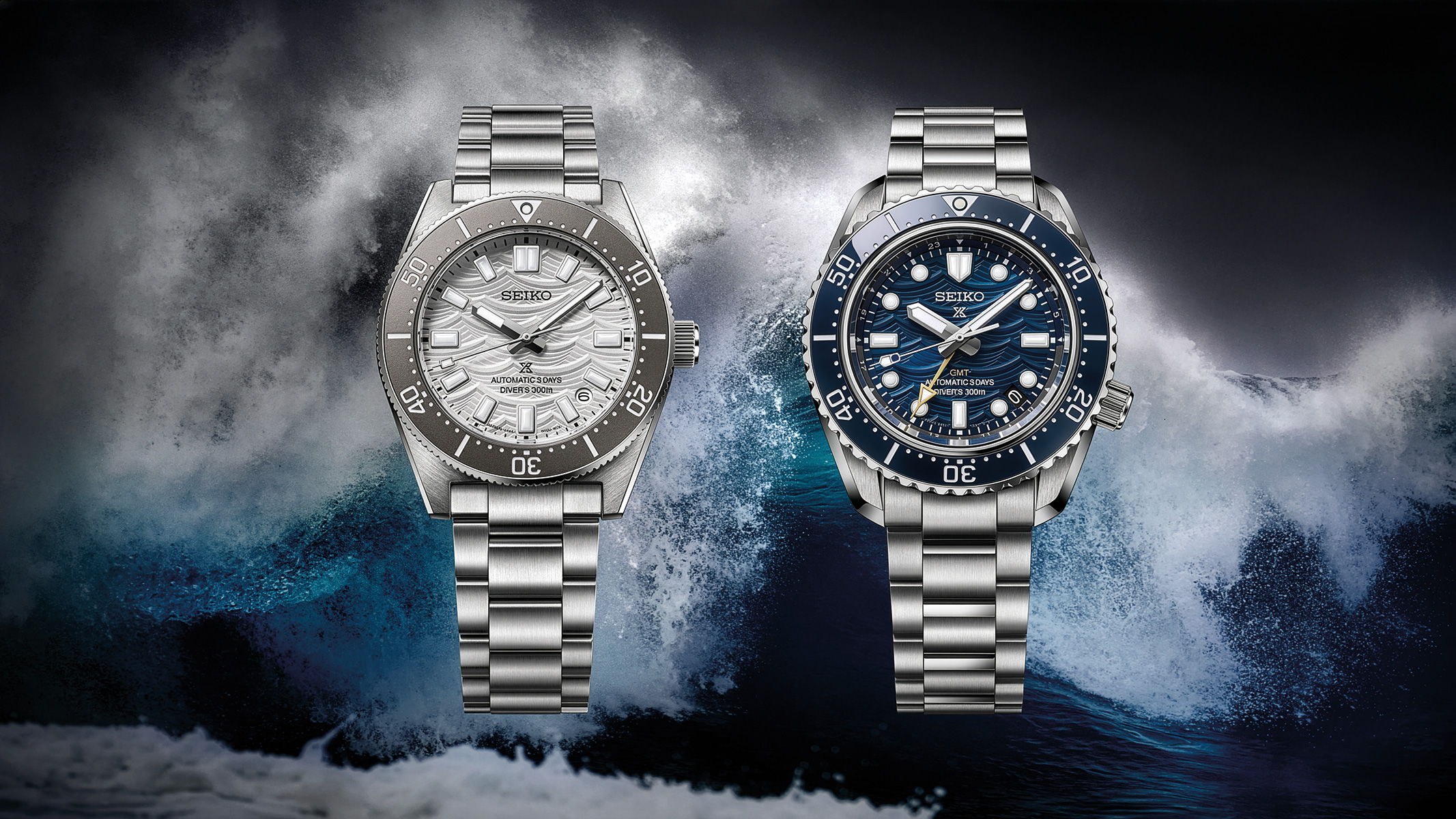
The new micro-adjustable clasp systems have undergone rigorous testing, including repeated salt-spray corrosion trials and drop tests. The Calibre 6R Heritage Series, including the silver-dialled SPB511 and the blue-dialled SPB509 GMT, now feature clasps with 15mm of tool-free adjustment. This is achieved through six 2.5mm increments controlled by a push-button mechanism.
The Marinemaster references (HBF001 and HBF002) take this a step further with an internal sliding mechanism that provides 16mm of expansion in 2mm steps. Crucially, this mechanism can be retracted even while the clasp remains secured on the wrist, offering a level of ergonomic precision previously reserved for the highest tiers of luxury horology.
Collaborative Engineering: The JAMSTEC Partnership
Seiko’s commitment to "Professional Specifications" is perhaps best illustrated by its ongoing partnership with JAMSTEC. This collaboration is not merely a marketing exercise but a technical exchange that informs the design of the watches. The 1968 Heritage Diver JAMSTEC Limited Edition (HBF002) was designed to coincide with the 2026 completion of Japan’s newest Arctic research icebreaker, the Mirai II.
The dial of the HBF002 features a textured turquoise-and-blue gradient that mimics the visual aesthetic of ice channels cut through polar seas. Beyond the aesthetics, the watch is built to withstand the extreme thermal shocks associated with Arctic diving. The partnership with JAMSTEC allows Seiko to test its materials and gaskets in environments that cannot be replicated in a standard laboratory, ensuring that the Prospex line remains a legitimate tool for marine scientists and professional explorers.
Broader Impact and Market Implications
The evolution of the Prospex line signals a strategic shift in how Seiko positions itself against its Swiss competitors. By focusing on modular serviceability, advanced metallurgy, and specific "survival-based" design, Seiko is carving out a niche that emphasizes utility as the ultimate luxury.
Industry analysts suggest that this move is a response to the "Genta-fication" of the watch industry, where many brands have pivoted toward integrated-bracelet sports watches designed for aesthetic appeal rather than rugged use. Seiko’s decision to double down on the tool-watch category—while refining the dimensions and finishing—allows it to capture both the professional market and the enthusiast market that values authentic heritage.
As Seiko approaches its 145th anniversary, the Prospex collection stands as a testament to the brand’s ability to evolve without losing its core identity. The integration of the Calibre 8L45, the implementation of modular crown systems, and the refinement of micro-adjustable ergonomics represent a calculated balance between the past and the future. For the modern diver or collector, these innovations ensure that a Seiko Prospex is not just a tribute to 1965, but a sophisticated instrument capable of meeting the demands of the next sixty years of exploration.
