
 By Jia Lissa
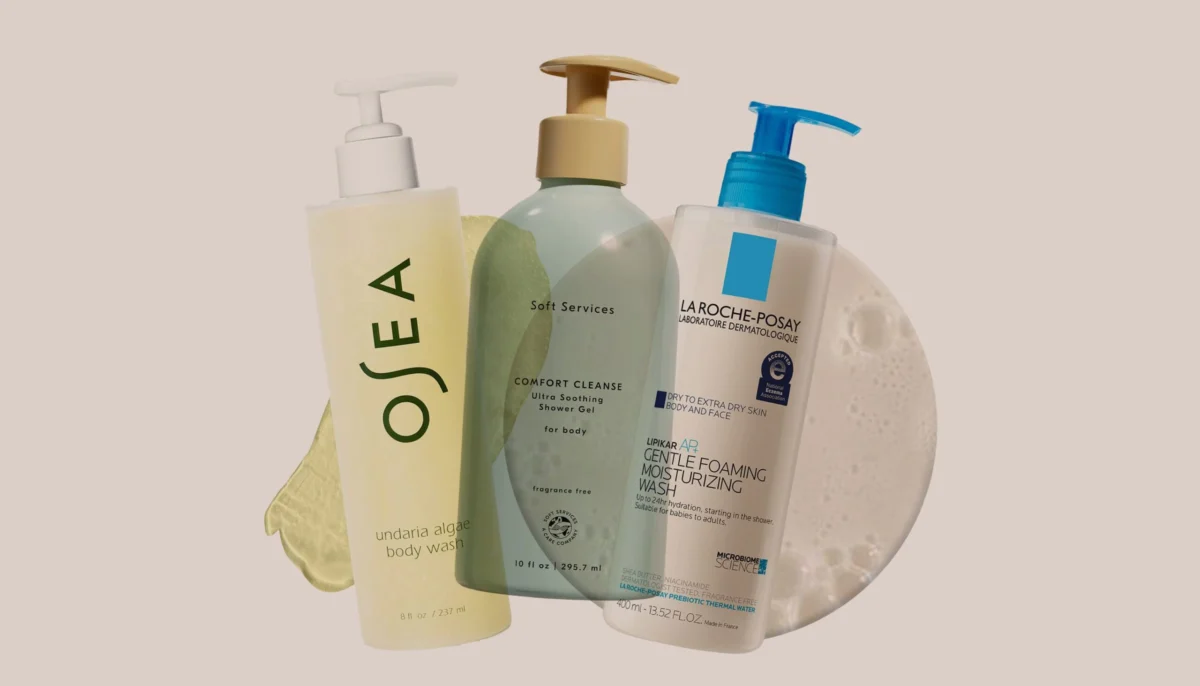
The quest for the perfect moisturizing body wash often leads consumers down a complex path of ingredient lists and marketing claims. To demystify this essential aspect of personal care, leading cosmetic chemists and dermatologists offer a clear roadmap to identifying formulations that truly benefit the skin. Their guidance focuses on key ingredients that hydrate, repair, and protect the skin barrier, while also highlighting common culprits that can exacerbate dryness and irritation.
Key Ingredients for a Hydrating Body Wash
Cosmetic chemists emphasize the importance of ingredients that actively support the skin’s natural defenses. Kelly Dobos, a Cincinnati-based cosmetic chemist, points to niacinamide, also known as vitamin B3, as a standout ingredient. "Niacinamide is an ingredient with numerous advantages; as a cosmetic chemist, I love its versatility in formulations," Dobos states. This multi-tasking vitamin is lauded for its ability to brighten the complexion, significantly boost ceramide production within the skin, and deliver potent antioxidant benefits. Ceramides themselves are fundamental components of healthy skin. As Dr. Joshua Zeichner, a dermatologist based in New York City, has previously explained, ceramides act as the "mortar" between skin cells, effectively filling in any "cracks" and facilitating the skin’s natural repair processes. This is particularly crucial for dry and irritated skin, where compromised barrier function leads to a noticeable difference in both feel and overall health.
Beyond these foundational ingredients, a range of natural emollients and humectants contribute to lasting softness and hydration. Shea butter and jojoba oil are renowned for their nourishing properties, providing a rich, conditioning feel. Algae extracts are also emerging as beneficial ingredients, offering a cocktail of minerals and vitamins that can soothe and revitalize the skin. Hyaluronic acid, a powerful humectant, is another key player, known for its remarkable ability to attract and retain moisture, keeping the skin plump and hydrated.
The effectiveness of a body wash also hinges on its cleansing agents, which are often synthetic compounds. Dobos clarifies that a well-formulated body wash typically utilizes a combination of two to three synthetic surfactants. These are essential for achieving effective cleansing and desirable foaming, while also contributing to the overall mildness of the product. She specifically mentions cocamidopropyl hydroxysultaine and cocamidopropyl betaine as examples of gentle secondary surfactants. Furthermore, Dobos highlights the utility of guar hydroxypropyltrimonium chloride, a conditioning polymer. "One ingredient that is particularly useful in body wash is guar hydroxypropyltrimonium chloride, a conditioning polymer with many positive charges that make it substantive to dry skin," Dobos explains. "It can help deposit other ingredients on the skin too." This ingredient enhances the sensory experience of the body wash, ensuring that beneficial components remain on the skin for a prolonged period, offering continued hydration and conditioning.
Ingredients to Avoid for Dry or Sensitive Skin
While the focus is often on what to include, understanding what to omit from a body wash is equally critical, especially for individuals prone to dryness, irritation, or conditions like eczema. Fragrance, while appealing to many, can be a significant trigger for sensitivity. Opting for fragrance-free formulations is a prudent choice for minimizing the risk of irritation, which can compromise the skin barrier and lead to increased dryness.
Dr. King advises, "Try to avoid fragrances, cleansers with a high pH, or soap-based cleansers." She further clarifies that the term "soap" in this context doesn’t exclusively refer to bar soap but rather to any cleanser with a high pH. The skin’s natural pH is neutral to slightly acidic, typically ranging between 4.7 and 5.75. "Skin has a neutral to slightly acidic pH, so you want cleansers that mimic that and support barrier health," Dr. King explains. Products with overly alkaline pH levels can disrupt this natural balance, stripping away essential lipids and making the skin more vulnerable. Her advice for consumers is straightforward: "If it has tons of ingredients, ditch it. Keep it simple!" This recommendation underscores the value of minimalist formulations that prioritize efficacy and gentleness.
Harsh detergents, such as sodium lauryl sulfate (SLS), are another category of ingredients to avoid. SLS is a powerful surfactant that can effectively remove dirt and oil but is also known for its ability to strip the skin of its natural oils. This process can leave the skin feeling tight, dry, and even lead to flakiness and increased sensitivity. For those with sensitive skin or conditions like eczema, the impact of SLS can be particularly detrimental.
Individuals with eczema or very dry, irritated skin should also be wary of body washes containing ingredients commonly used in acne treatments. Dr. Olga Bunimovich, a board-certified dermatologist based in Pittsburgh, has previously advised that formulations featuring salicylic acid or benzoyl peroxide can be excessively drying and irritating for these skin types. Salicylic acid, a beta-hydroxy acid (BHA), works by exfoliating the skin, which can be too aggressive for a compromised barrier. Benzoyl peroxide, a common acne treatment, is known for its potent antibacterial properties but can also lead to significant dryness and redness. For individuals experiencing both acne and severe dryness, a consultation with a dermatologist is the safest approach to selecting an appropriate body wash that addresses both concerns without exacerbating either.
The Rigorous Testing and Review Process at Allure
The insights provided by experts are crucial, but understanding how these recommendations translate into product selection is also vital. Publications like Allure employ a comprehensive testing and review methodology to guide consumers. When Allure evaluates a product, their editorial team scrutinizes every aspect, from the ingredient list and brand claims to peer-reviewed scientific and medical studies.
The process involves hands-on testing of each product by editors and a diverse group of testers. For articles focused on specific product categories, such as the best body washes for dry skin, the evaluation typically encompasses several key performance areas. These include the product’s ingredients and their efficacy, the practicality and sustainability of the packaging, the presence and impact of fragrance, the texture and user experience, and how the product performs over time (product wear). Every product included in a review is assessed to have excelled in these categories by the editorial team, which comprises in-house writers, editors, and external contributors. Special consideration is also given to the input of board-certified dermatologists, who lend their expertise to vet the ingredients and formulations. This multi-faceted approach ensures that the recommendations are grounded in both scientific understanding and real-world performance.
A Diverse Panel for Representative Recommendations
A core tenet of Allure‘s review process is the commitment to a diverse testing panel. Recognizing that beauty products are deeply personal, the publication strives to ensure that its recommendations resonate with a broad spectrum of consumers. This commitment extends to gathering opinions from individuals of varying ages, skin tones, hair textures, genders, and backgrounds.
The rationale behind this inclusive approach is straightforward: a product cannot be universally deemed "the best" without being tested by the very people who might use it. For instance, a skincare product recommended for individuals over 50 would be less credible if it were only tested by individuals in their twenties. Similarly, a hair product’s efficacy cannot be fully assessed without testing on different curl patterns and hair types. Allure prides itself on having a staff and a network of testers that span a wide demographic range, enabling them to fairly and comprehensively assess the performance of any beauty product that enters their testing facilities. This dedication to diversity ensures that the advice provided is not only expert-backed but also representative of the real needs and experiences of their readership.
Broader Implications for the Skincare Industry and Consumer Choices
The expert advice on moisturizing body washes points to a larger trend within the skincare industry: a growing consumer demand for transparency and efficacy. As awareness about skin health and the impact of ingredients increases, brands are under pressure to reformulate their products with more beneficial components and to provide clearer information about what goes into their formulations.
The emphasis on ingredients like niacinamide and ceramides reflects a shift towards a more scientific understanding of skin barrier function. This knowledge empowers consumers to make more informed purchasing decisions, moving beyond superficial marketing claims to seek out products that offer tangible benefits. The call for simpler formulations and the avoidance of known irritants also highlights a desire for gentler, more mindful approaches to personal care.
For the industry, this translates into a competitive landscape where brands that prioritize ingredient quality, scientific backing, and transparency are likely to gain consumer trust and loyalty. The ongoing discourse between cosmetic chemists, dermatologists, and consumers, facilitated by publications and online platforms, plays a vital role in shaping product development and consumer education. Ultimately, this collaborative ecosystem aims to empower individuals to achieve healthier, more radiant skin through the careful selection of their daily personal care essentials.
