
 By admin
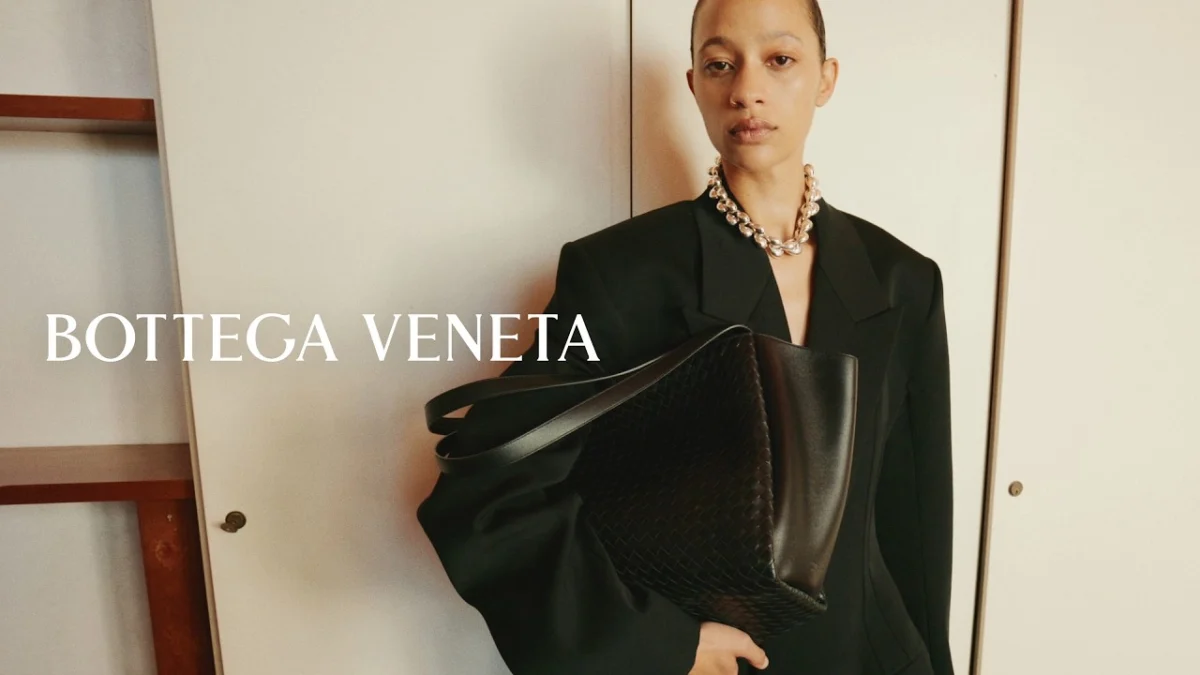
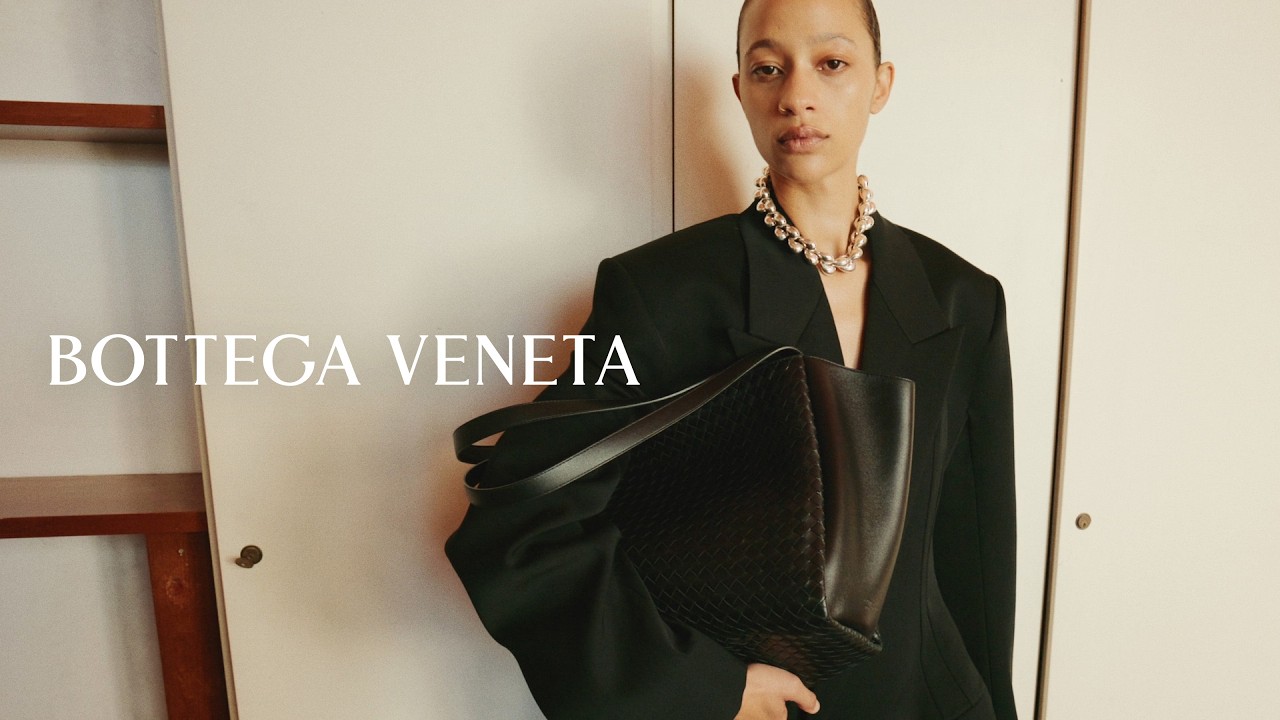
The Italian luxury fashion house Bottega Veneta has officially announced the release of its latest accessory, the Corso tote, a design that marks a significant evolution in the brand’s aesthetic under the guidance of Creative Director Louise Trotter. The Corso tote is characterized by a strategic juxtaposition of materials, pairing contrasting smooth leather side panels with the house’s iconic Intrecciato weave on the primary faces of the bag. This design choice is intended to create a subtle interplay between texture and form, emphasizing the brand’s historical commitment to artisanal leatherwork while introducing a contemporary silhouette tailored for modern utility.
The introduction of the Corso tote comes at a time when the luxury goods market is increasingly prioritizing "quiet luxury"—a trend defined by high-quality materials and craftsmanship over overt branding. By utilizing the Intrecciato weave as the primary identifier rather than a traditional logo, the Corso tote aligns with Bottega Veneta’s long-standing philosophy that "your own initials are enough." The bag is expected to serve as a cornerstone of the brand’s leather goods collection, appealing to a demographic that values technical mastery and understated elegance.
Design Specifications and Aesthetic Philosophy
The Corso tote is engineered to balance structural rigidity with the tactile softness for which Bottega Veneta is known. The smooth leather sides provide a architectural framework that maintains the bag’s shape even when empty, addressing a common concern with traditional soft-sided totes. These panels transition seamlessly into the Intrecciato sections, which are created using the brand’s signature technique of weaving thin strips of leather, known as fettuce.
The interplay of these two textures—the matte, uniform surface of the smooth leather and the multidimensional, rhythmic pattern of the weave—highlights the geometric precision of the design. Creative Director Louise Trotter has focused on the "sensorial experience" of the accessory, ensuring that the weight distribution and the feel of the leather against the body are as considered as the visual appearance. The Corso is designed with a spacious interior, making it suitable for professional use, travel, and daily errands, reflecting a shift toward functional luxury.
Historical Context: The Evolution of the Intrecciato Weave
To understand the significance of the Corso tote, it is essential to examine the history of the Intrecciato technique. Developed in the late 1960s in the Veneto region of Italy, the weave was born out of necessity. At the time, Bottega Veneta’s workshops utilized sewing machines designed for cloth rather than heavy leather. To create durable bags, artisans used extremely fine, supple leathers that could be woven into a stronger, more resilient matrix.
This technique became the house’s de facto logo. Over the decades, the Intrecciato has been reimagined in various scales, from the "Macro" weave popularized in recent years to the more traditional, tight weave found on the Corso. The new tote represents a synthesis of these eras, utilizing a scale of weave that honors the original craftsmanship while the smooth leather panels offer a nod to the minimalist trends of the 21st century.
The Louise Trotter Era and Creative Direction
The appointment of Louise Trotter as Creative Director has brought a renewed focus on "wearability" and "essentialism" to Bottega Veneta. Trotter, who has previously held high-level creative roles at Lacoste and Joseph, is recognized for her ability to blend sportswear functionality with high-fashion tailoring. Her influence on the Corso tote is evident in its clean lines and the absence of superfluous hardware.
Industry analysts note that Trotter’s direction appears to be a stabilization of the brand’s identity following several years of rapid aesthetic shifts. While previous iterations of the brand focused on high-impact, "viral" accessories, Trotter’s Corso tote suggests a return to "investment pieces"—items designed to remain relevant across multiple seasons. This strategy is seen as a move to solidify Bottega Veneta’s position within the Kering Group’s portfolio as a bastion of timeless Italian craft.
Market Analysis and the Luxury Handbag Sector
The launch of the Corso tote occurs against a backdrop of fluctuating performance in the global luxury sector. According to data from Bain & Company, the personal luxury goods market saw a growth of approximately 4% in 2023, with leather goods remaining the most resilient category. However, consumer behavior is shifting; high-net-worth individuals are increasingly moving away from "it-bags" that lose trend relevance quickly, opting instead for heritage-based designs.
The Corso tote is strategically positioned to capture this "stealth wealth" segment. Market data indicates that handbags retailing between $3,000 and $5,000—the expected price bracket for the Corso—account for a significant portion of revenue for top-tier Italian brands. By emphasizing the labor-intensive Intrecciato process, Bottega Veneta justifies its premium pricing through tangible artisanal value.
Furthermore, the resale value of Bottega Veneta items has remained robust. According to secondary market platforms like The RealReal and Vestiaire Collective, the brand’s woven leather goods retain an average of 70-85% of their original retail value, a factor that increasingly influences the purchasing decisions of modern luxury consumers who view these items as financial assets.
Manufacturing Excellence: The Scuola dei Maestri Pellettieri
The production of the Corso tote is centered in Montebello Vicentino, where Bottega Veneta operates its specialized atelier and the Scuola dei Maestri Pellettieri (School of Master Leatherworkers). The creation of a single Intrecciato panel for a tote of this size can take several hours of manual labor, as each strip must be perfectly aligned to ensure uniformity in tension and pattern.
The smooth leather components are sourced from tanneries that comply with the Leather Working Group (LWG) standards, reflecting a broader industry move toward environmental accountability. The integration of smooth and woven leathers requires a high degree of technical skill, as the two materials react differently to environmental factors like humidity and temperature. The Corso’s construction involves reinforced stitching at stress points, ensuring that the transition between the smooth and woven sections remains durable over years of use.
Strategic Implications for the Kering Group
For Kering, the parent company of Bottega Veneta, the success of new leather goods is vital for maintaining a balanced revenue stream. While other brands in the portfolio, such as Gucci, have undergone significant creative transitions to recapture market share, Bottega Veneta has been tasked with maintaining a steady, upward trajectory through brand elevation.
The Corso tote serves as a key performance indicator for Trotter’s commercial viability. If the bag achieves "staple" status, it will provide the brand with a consistent revenue driver that is less susceptible to the whims of fashion cycles. Financial reports from the first half of 2024 suggest that Kering is focusing on "brand desirability" and "exclusivity," often reducing the number of wholesale accounts to exert more control over the retail experience. The Corso will likely be a centerpiece of this direct-to-consumer strategy, featured prominently in flagship boutiques in Milan, Paris, New York, and Tokyo.
Chronology of Bottega Veneta’s Accessory Milestones
To place the Corso tote in the brand’s timeline, one must look at the sequence of its most influential releases:
- 1966: Bottega Veneta is founded by Michele Taddei and Renzo Zengiaro.
- 1970s: The Intrecciato weave is perfected and becomes the brand’s signature.
- 2001: Tomas Maier is appointed Creative Director, reviving the Intrecciato and launching the Cabat bag, a predecessor in spirit to the Corso.
- 2018: Daniel Lee introduces the "Pouch" and the "Cassette" bag, utilizing an oversized weave that redefined the brand’s visual language for a younger audience.
- 2021: Matthieu Blazy emphasizes "craft in motion," focusing on the technicality of leather that looks like other materials (e.g., leather denim).
- Present: Under Louise Trotter, the Corso tote signifies a return to the "subtle interplay of texture and form," blending the structural lessons of the past with a refined, modern silhouette.
Consumer and Critical Reception
Initial reactions from fashion critics have highlighted the Corso’s "restraint." Unlike previous "statement" bags that relied on bright colors or unusual shapes, the Corso is being praised for its architectural sobriety. Vogue Business noted that the bag’s design reflects a "post-logomania" world, where the quality of the leather and the complexity of the weave serve as the primary markers of status.
Retailers have also expressed optimism regarding the tote’s versatility. The inclusion of smooth leather sides is seen as a practical upgrade, making the bag more resistant to the scuffing that can sometimes occur on the edges of fully woven pieces. This functional improvement is expected to drive sales among "power users"—professionals who require a durable bag for daily use.
Conclusion: The Path Forward
The Bottega Veneta Corso tote is more than a seasonal addition to a collection; it is a manifestation of the brand’s current strategic direction. By leaning into its heritage of the Intrecciato weave while allowing Creative Director Louise Trotter to introduce new structural elements like the smooth leather sides, the house is reinforcing its identity as a leader in artisanal luxury.
As the luxury market continues to evolve, the emphasis on "texture and form" over branding will likely remain a dominant theme. The Corso tote, with its disciplined design and technical excellence, stands as a testament to the enduring relevance of Italian craftsmanship in a globalized economy. For Bottega Veneta, the Corso is not just a product, but a reaffirmation of the principles that have defined the house for over half a century: quality, discretion, and an unparalleled mastery of leather.
