
 By Layla Zulfa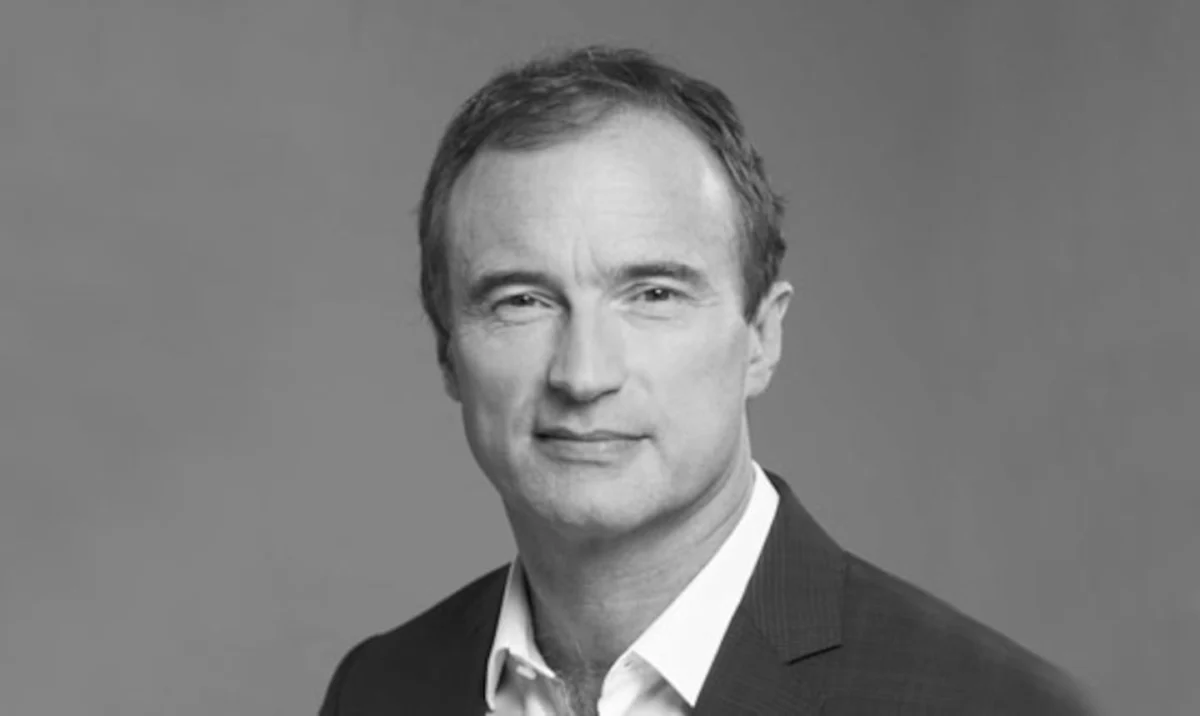
The departure of Philippe Blondiaux, Chanel’s esteemed Chief Financial Officer, at the close of the current year marks a pivotal moment for the iconic French couture and beauty house, emblematic of a broader, transformative generational shift reverberating through the executive echelons and creative studios of Europe’s most revered luxury conglomerates. Blondiaux’s retirement concludes a remarkable 15-year tenure during which he played a critical, often understated, role in safeguarding and propelling Chanel’s formidable financial performance and strategic expansion across a complex global landscape. His exit, confirmed by the privately held luxury giant on Thursday, signals a natural progression in leadership, aligning with an industry-wide trend where seasoned veterans are making way for a new cohort of executives tasked with navigating an increasingly digital, sustainability-focused, and demographically diverse luxury market.
A Legacy of Financial Stewardship: Philippe Blondiaux’s Impact at Chanel
Philippe Blondiaux joined Chanel in 2008, stepping into the CFO role at a tumultuous time for global markets, just as the financial crisis began to unfold. His appointment coincided with a period demanding exceptional financial acumen and strategic foresight. Over the subsequent decade and a half, Blondiaux was instrumental in steering Chanel through various economic cycles, including the post-crisis recovery, periods of robust growth, and more recently, the unprecedented challenges posed by a global pandemic and geopolitical instabilities. His tenure saw Chanel solidify its position as one of the world’s most valuable and profitable luxury brands, a remarkable feat given its private ownership structure which eschews the quarterly reporting pressures faced by publicly traded rivals like LVMH and Kering.
A luxury CFO’s role extends far beyond mere balance sheets and profit-and-loss statements; it encompasses the meticulous management of brand equity, strategic investments in retail expansion, digital infrastructure, raw material sourcing, and the delicate balancing act of maintaining exclusivity while pursuing growth. Under Blondiaux’s financial stewardship, Chanel made significant investments in its global retail footprint, enhancing its network of meticulously designed boutiques that serve as physical manifestations of the brand’s aspirational allure. He oversaw crucial financial strategies that supported the expansion of Chanel’s diverse portfolio, which includes haute couture, ready-to-wear, leather goods, footwear, fine jewelry, watches, fragrances, and beauty products. These strategic financial decisions were vital in ensuring the consistent quality and craftsmanship synonymous with the brand, from sourcing rare leathers and precious stones to investing in cutting-edge manufacturing techniques and artisanal ateliers.
Furthermore, Blondiaux was a key figure in adapting Chanel’s financial frameworks to a rapidly evolving digital era. While Chanel has historically maintained a cautious approach to e-commerce for its fashion lines to preserve exclusivity, the beauty and fragrance divisions have embraced digital retail more openly. The CFO’s office was crucial in financing the necessary technological upgrades and data analytics capabilities to understand and engage with a new generation of luxury consumers, even as the brand navigated its unique position on online sales for its core fashion offerings. His careful management ensured that digital transformation initiatives were executed without compromising the brand’s heritage or perceived value.
In an era of increasing demand for transparency and ethical practices, even from private entities, Blondiaux’s leadership was also critical in navigating complex regulatory environments and ensuring robust corporate governance. While specific financial figures for Chanel are not publicly dissected with the same scrutiny as listed companies, industry analysts and competitors widely acknowledge its formidable financial health and strategic independence, largely attributed to disciplined financial management. This stability allowed Chanel to invest in long-term projects, such as sustainability initiatives and securing supply chains, without the short-term pressures that often influence publicly traded companies.
The Broader Narrative: Generational Flux in the Luxury Sector
Philippe Blondiaux’s retirement is not an isolated event but rather a significant illustration of a pervasive trend across the luxury industry: a systemic generational overhaul of leadership. The past few years have witnessed a notable succession of high-profile departures and appointments, from creative directors to CEOs and CFOs, at many of Europe’s leading luxury houses. This shift is driven by a confluence of factors, including the natural retirement of long-serving executives, the increasing complexity of the global luxury market, and the imperative to inject new perspectives and digital fluency into leadership roles.
The luxury sector is at an inflection point. Traditional markets are maturing, while emerging markets, particularly in Asia, demand localized strategies. The demographic profile of the luxury consumer is evolving rapidly, with Gen Z and younger millennials now representing a significant and growing purchasing power. These younger consumers are not only digitally native but also highly attuned to issues of sustainability, ethical sourcing, and brand authenticity. This shift necessitates leaders who possess not only deep industry experience but also a profound understanding of digital ecosystems, data-driven decision-making, environmental, social, and governance (ESG) principles, and innovative communication strategies.
Recent years have seen major groups like LVMH, Kering, and Richemont, as well as independent houses, restructure their leadership teams to address these evolving demands. This often involves promoting younger talent, recruiting from outside the traditional luxury sphere (e.g., from tech or consumer goods), or reassigning veterans to new strategic roles. The goal is to balance the preservation of heritage and craftsmanship with the agility and innovation required to compete in a fast-paced, globalized, and increasingly digital world. For luxury brands, maintaining relevance while upholding exclusivity is a constant challenge, and a new generation of leaders is being tasked with striking this delicate balance.
Implications for Chanel’s Future Financial Strategy
The search for Philippe Blondiaux’s successor will be one of the most closely watched appointments in the luxury sector. The new CFO will inherit a financially robust company with a powerful global brand, but also one operating in an environment of unprecedented change and uncertainty. While Chanel’s core financial principles of long-term vision, disciplined investment, and strategic independence are likely to endure, a new CFO could bring fresh perspectives on several key areas:
- Digital Acceleration: The new finance chief may be tasked with further accelerating Chanel’s digital transformation, particularly in areas like supply chain optimization, customer relationship management (CRM), and potentially exploring new avenues for digital engagement and commerce for its fashion lines, while carefully safeguarding its luxury positioning. This could involve significant investments in data analytics, AI, and even nascent technologies like blockchain for authenticity and traceability.
- Sustainability and ESG Integration: As ESG factors become increasingly material to brand reputation and consumer preference, the new CFO will play a critical role in integrating sustainability metrics into financial reporting, allocating capital to green initiatives, and ensuring transparent communication around environmental and social impact. This is not just about compliance but about strategic competitive advantage.
- Global Market Dynamics: With shifting economic powers and geopolitical tensions, the new CFO will need to be adept at navigating complex international tax structures, currency fluctuations, and localized investment strategies. The growth trajectory in markets like China, the resilience of European and American luxury consumers, and the potential of emerging markets will all require careful financial modeling and strategic resource allocation.
- Talent Management and Innovation: Attracting and retaining top talent, particularly in digital and technical fields, requires competitive compensation and investment in employee development. The finance function itself is evolving, demanding skills in areas like data science and predictive analytics.
The appointment of a successor will reflect Chanel’s strategic priorities for the next decade. Will they opt for an internal candidate steeped in Chanel’s unique culture and long-term vision, ensuring continuity? Or will they look externally for someone with a proven track record in digital transformation, M&A in new tech sectors, or deep experience in rapidly growing Asian markets, signaling a more pronounced shift towards innovation? Regardless, the chosen individual will be expected to maintain the financial rigor that has been a hallmark of Blondiaux’s tenure, while also being a catalyst for future growth and adaptation.
Chanel’s Enduring Strength and Future Outlook
Chanel, founded by Gabrielle "Coco" Chanel in 1910, has remained fiercely independent and privately owned by the Wertheimer family since 1924. This unique ownership structure has allowed the company to pursue a long-term strategy, free from the pressures of public markets and short-term investor demands. This autonomy has been a significant factor in maintaining its distinctive brand identity, its commitment to craftsmanship, and its ability to make strategic decisions that prioritize brand integrity over immediate financial gains.
In recent years, Chanel has consistently reported robust financial performance. While specific annual figures vary, the company has regularly announced strong revenue growth and profitability, even amidst global economic headwinds. For example, in the fiscal year 2022, Chanel reported revenues of $17.2 billion, a 17% increase year-on-year at constant currency, underscoring its resilience and strong market demand. This financial strength provides a solid foundation for the incoming CFO and ensures that the company can continue to invest heavily in its core businesses, expand strategically, and maintain its leading position in the luxury sector.
The retirement of Philippe Blondiaux, effective at the end of the year, will undoubtedly mark the end of a significant chapter for Chanel. It is a moment of reflection on a distinguished career dedicated to the financial health of one of the world’s most iconic brands. As the French luxury powerhouse prepares to welcome a new financial leader, the transition underscores an ongoing narrative within the global luxury industry: one of balancing reverence for heritage with the relentless pursuit of innovation, all while navigating a complex, ever-changing consumer landscape. The next CFO will not just manage numbers but will be a steward of a legacy, guiding Chanel’s financial destiny in an era defined by profound transformation. The industry will be keenly watching to see how Chanel chooses to shape its financial future and what profile it seeks in a leader to help define the next generation of luxury.
