
 By Layla Zulfa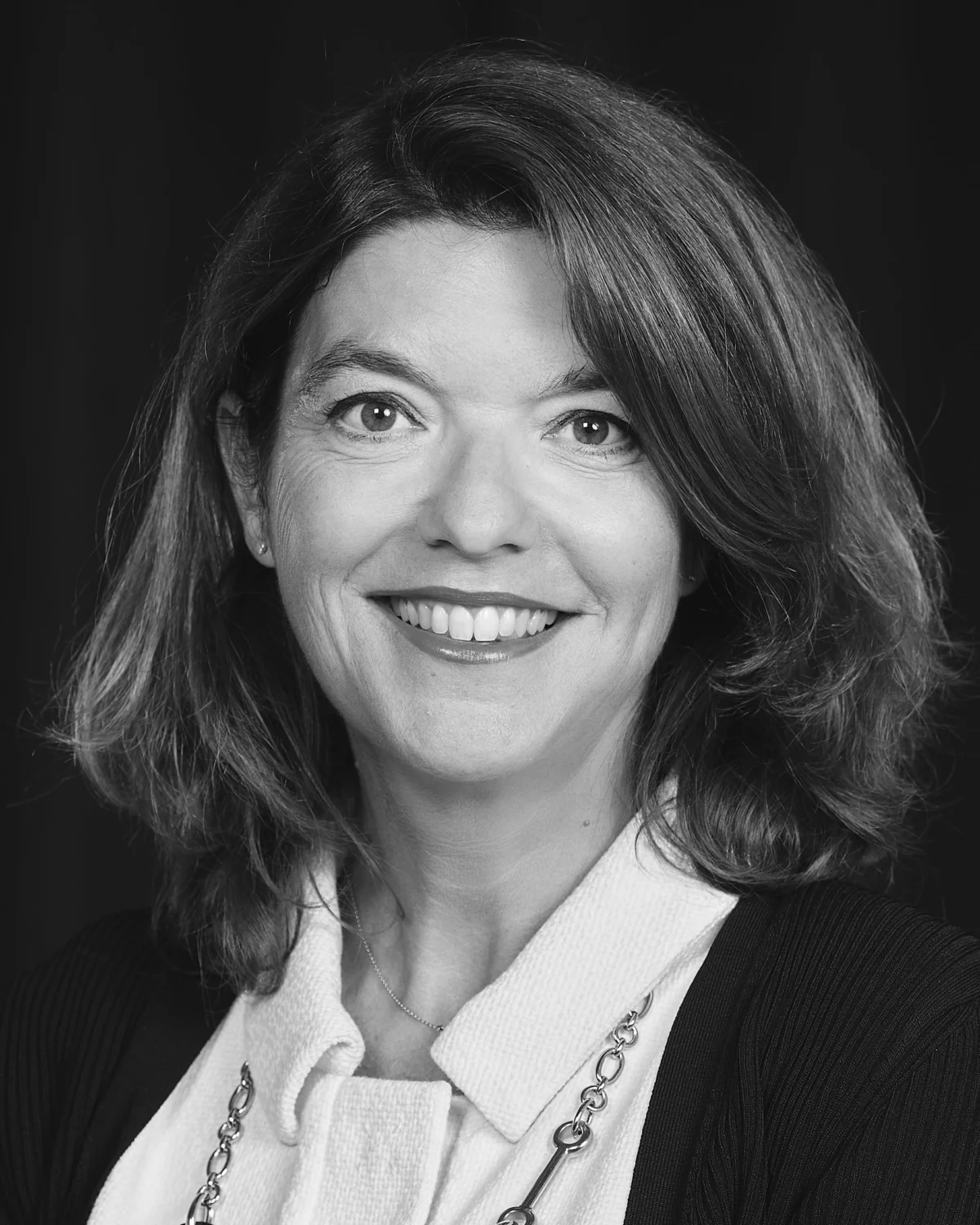
PARIS – Chanel, the iconic French luxury house, has announced the appointment of Hélène de Tissot as its new Chief Financial Officer (CFO), effective officially in January. De Tissot, a seasoned finance executive with a distinguished career at global spirits giant Pernod Ricard, will commence her transition into the role in October, taking over from the long-serving Philippe Blondiaux. This strategic leadership change underscores Chanel’s ongoing commitment to strengthening its financial stewardship and adapting to the dynamic complexities of the global luxury market.
The move comes at a pivotal time for the privately-held luxury behemoth, which continues to navigate significant shifts in consumer behavior, digital transformation, and increasing demands for sustainability across its global operations. Hélène de Tissot’s extensive experience in managing the intricate financial architectures of a multinational corporation like Pernod Ricard positions her as a formidable choice to guide Chanel’s financial strategy into its next chapter of growth and innovation.
A New Chapter for Chanel’s Financial Leadership
Hélène de Tissot is slated to join Chanel in October 2024, embarking on a transitional period before officially assuming the CFO responsibilities in January 2025. This carefully orchestrated handover period is designed to ensure a seamless integration into Chanel’s executive team and a smooth transition of duties from Philippe Blondiaux, who has served as Chanel’s CFO with distinction for many years. Blondiaux’s tenure has been marked by significant financial stability and growth for the brand, overseeing periods of both expansion and global economic shifts. While his future plans were not immediately detailed, his contributions have been instrumental in shaping Chanel’s robust financial framework.
The appointment of de Tissot is a clear indication of Chanel’s proactive approach to future-proofing its financial operations. As a global leader in high fashion, haute couture, ready-to-wear, luxury goods, and accessories, Chanel’s financial ecosystem is vast and complex, encompassing diverse revenue streams, intricate supply chains, global retail networks, and substantial investment in brand equity and innovation. The CFO role at Chanel is not merely about managing balance sheets but also about strategically allocating capital, optimizing global profitability, ensuring financial resilience, and supporting ambitious growth initiatives while upholding the brand’s exclusive and heritage-rich identity.
Hélène de Tissot’s Distinguished Career Trajectory
Hélène de Tissot brings a wealth of experience from her impressive career at Pernod Ricard, one of the world’s leading producers of wines and spirits. Her tenure at Pernod Ricard spanned over two decades, during which she held various senior financial positions, demonstrating a deep understanding of international finance, mergers and acquisitions, operational efficiency, and investor relations. Most recently, she served as the Group CFO for Pernod Ricard, a role that saw her responsible for the financial strategy, performance management, and reporting of a multi-billion euro enterprise operating in over 160 markets.
During her time at Pernod Ricard, de Tissot played a crucial role in several key strategic initiatives. This included overseeing the financial integration of major acquisitions, streamlining global financial processes to enhance efficiency and transparency, and implementing robust risk management frameworks. Her experience with consumer goods, particularly in a premium segment, has equipped her with valuable insights into brand value, consumer demand dynamics, and the intricacies of global distribution—skills highly transferable to the luxury fashion industry. She is known for her analytical acumen, strategic thinking, and ability to foster strong financial governance across diverse geographical and operational landscapes.
Her leadership at Pernod Ricard also involved navigating complex regulatory environments, managing foreign exchange risks, and optimizing capital structures in a highly competitive global market. These experiences are particularly pertinent for Chanel, a brand with a significant international footprint and a need for agile financial strategies to adapt to varying economic conditions and market opportunities worldwide.
The Strategic Imperatives at Chanel
Chanel, founded by Gabrielle "Coco" Chanel in 1910 and later reinvigorated by Karl Lagerfeld, operates at the pinnacle of the luxury world. As a privately held company, it maintains a degree of discretion regarding its financial specifics, but industry analysts consistently estimate its annual revenues to be in the tens of billions of dollars, making it one of the largest and most valuable luxury brands globally. In 2023, for instance, while specific figures for Chanel are not publicly disclosed, the broader luxury market saw continued resilience and growth, with many top-tier brands reporting strong performances, especially in key markets like Asia and the Americas.
The appointment of a new CFO comes as Chanel continues to invest heavily in several strategic areas:
- Global Expansion: While already established globally, Chanel is always looking to optimize its presence in emerging luxury markets and reinforce its position in mature ones. This requires significant capital allocation for retail expansion, marketing, and local operational support.
- Digital Transformation: The luxury sector has embraced digital channels more fully in recent years. Chanel’s investments in e-commerce, digital clienteling, and enhanced online experiences require substantial financial backing and careful ROI analysis.
- Sustainability and ESG: Like all major corporations, Chanel is under increasing pressure to demonstrate its commitment to environmental, social, and governance (ESG) principles. This involves investments in sustainable sourcing, ethical manufacturing, circular economy initiatives, and transparent reporting, all of which fall under the purview of the CFO for financial planning and impact assessment.
- Supply Chain Resilience: Recent global disruptions have highlighted the critical importance of robust and resilient supply chains. Managing the financial implications of sourcing, production, and logistics across a global network is a key challenge for any luxury brand.
- Brand Protection and Innovation: Maintaining Chanel’s exclusivity, combating counterfeiting, and funding ongoing creative innovation (from haute couture to new product lines) are perpetual financial considerations that demand strategic oversight.
Statements and Industry Reactions
While specific quotes were not immediately available outside the original paywalled report, a typical announcement of this magnitude would likely include statements reflecting the strategic importance of the appointment.
A hypothetical statement from Chanel’s Global CEO, Leena Nair, might read: "We are thrilled to welcome Hélène de Tissot to Chanel as our new Chief Financial Officer. Hélène’s exceptional track record at Pernod Ricard, coupled with her deep expertise in global finance, strategic planning, and operational excellence, makes her the ideal leader to guide Chanel’s financial future. Her vision and leadership will be invaluable as we continue to evolve and reinforce our position as a leading luxury house globally. We also extend our profound gratitude to Philippe Blondiaux for his immense contributions and dedication to Chanel over many years, which have been instrumental in our sustained success."
Hélène de Tissot, in a similar vein, might express: "I am incredibly honored and excited to join Chanel, a house synonymous with timeless elegance and unparalleled craftsmanship. I look forward to contributing to its continued success, working alongside the talented teams to uphold its legacy while driving financial strategies that support innovation, sustainable growth, and operational efficiency across its global footprint. The opportunity to transition from the spirits industry to the iconic world of luxury fashion presents a fascinating challenge, and I am eager to contribute to Chanel’s distinctive journey."
Industry analysts are likely to view de Tissot’s appointment as a strong, forward-thinking move. "Bringing in a CFO with extensive experience from a complex, global consumer goods company like Pernod Ricard provides Chanel with fresh perspectives on managing large-scale operations and navigating international markets," noted a luxury sector analyst, who requested anonymity due to corporate policies. "Her expertise in areas such as M&A, supply chain finance, and investor relations will be highly valuable, even for a private company that still requires stringent financial discipline and strategic capital deployment to maintain its competitive edge and growth trajectory."
Broader Impact and Implications
The appointment of Hélène de Tissot also reflects a broader trend within the luxury industry towards attracting top-tier talent from diverse sectors, valuing global experience and strategic acumen beyond traditional luxury backgrounds. This cross-industry pollination of leadership is seen as a way to inject new ideas and operational efficiencies into often heritage-rich but sometimes slow-to-adapt companies.
For Chanel, de Tissot’s arrival could signify a renewed focus on optimizing financial performance, potentially through enhanced data analytics for decision-making, greater integration of digital tools in financial processes, and a continued emphasis on sustainable financial practices. Her experience in a company that manages a vast portfolio of brands could also inform strategies for managing Chanel’s diverse product categories, from haute couture to beauty and watches, ensuring each segment operates with maximum financial effectiveness while upholding the overarching brand ethos.
Furthermore, as the luxury market becomes increasingly competitive and susceptible to global economic fluctuations, the role of the CFO is more critical than ever in forecasting, risk mitigation, and ensuring the financial health necessary for long-term strategic investments. De Tissot’s proven ability to manage financial complexities on a global scale will be a significant asset to Chanel as it continues to expand its reach and influence in the luxury landscape.
In conclusion, Hélène de Tissot’s appointment as Chanel’s Chief Financial Officer marks a significant leadership transition for the venerable luxury brand. Her extensive experience and proven track record at Pernod Ricard position her well to steer Chanel’s financial strategies through an evolving global market, ensuring the brand’s continued financial strength, sustainable growth, and enduring legacy in the world of high fashion and luxury.
