
 By Layla Zulfa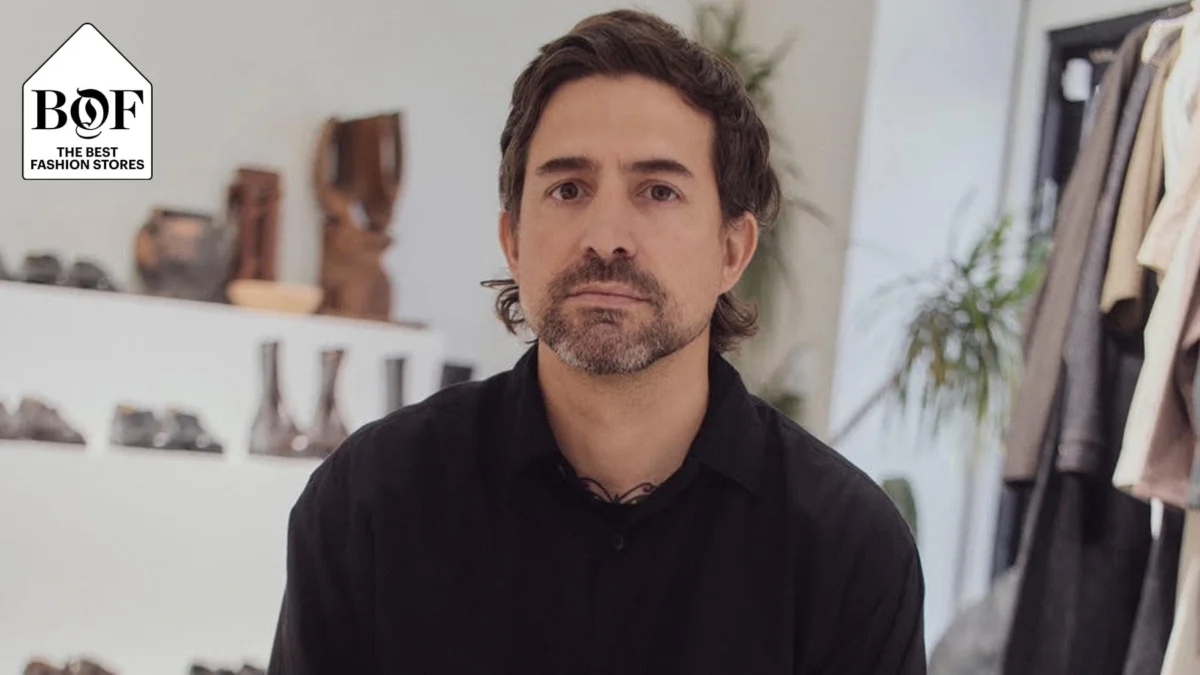
Chris Green, the visionary behind a self-funded Brooklyn menswear store, has garnered international acclaim, earning his establishment a coveted place among the world’s best fashion retailers. This remarkable achievement, highlighted recently in a conversation with Imran Amed for The Business of Fashion, underscores a potent counter-narrative in an era dominated by digital commerce: Green’s success stems from a deliberate strategy of eschewing online presence and instead betting everything on the immersive, tactile, and deeply personal experience of walking through his store’s doors. In an industry increasingly fragmented by e-commerce and fast fashion, Green’s brick-and-mortar sanctuary stands as a testament to the enduring power of curated physical retail.
The Genesis of a Counter-Cultural Retail Vision
The story of Chris Green’s Brooklyn menswear store is a compelling study in entrepreneurial conviction and strategic differentiation. While specific founding dates are not publicly detailed, the store’s ethos suggests an establishment rooted in a period when the retail landscape was already grappling with the burgeoning influence of e-commerce. It likely emerged not from a desire to simply sell clothes, but to cultivate a specific environment—a sanctuary for sartorial discovery that deliberately eschewed the digital cacophony. Green’s decision to remain offline was not a passive oversight but a foundational pillar of his business model, a bold statement against the prevailing currents that saw retailers scramble to establish robust online storefronts, social media presences, and sophisticated digital marketing campaigns.
The Brooklyn locale itself is integral to this narrative. Historically a borough celebrated for its independent spirit, artisanal crafts, and distinct cultural identity, Brooklyn provides fertile ground for businesses that prioritize authenticity and community over scale and mass appeal. Green’s store, nestled within this vibrant ecosystem, capitalized on a growing consumer desire for local, unique, and experience-driven retail, positioning itself as a destination rather than merely a point of transaction. This geographical anchoring amplified its unique value proposition, allowing it to cultivate a loyal customer base that appreciated the rarity of its offline-only existence.
The Experiential Imperative: A Sensory Journey
At the heart of Green’s strategy is an unwavering commitment to the in-store experience. In a world where product information is ubiquitous and price comparison instant, the physical environment must offer something intangible, something that cannot be replicated through a screen. For Green, this translates into a meticulously crafted sensory journey. From the moment a customer approaches the storefront, the intention is to create an immediate sense of intrigue and welcome.
Once inside, the curated selection of menswear becomes a dialogue between the garments and the discerning customer. Unlike the endless scroll of an e-commerce site, Green’s store presents a focused, expertly chosen collection. This curation extends beyond just the products to the store’s aesthetics—lighting, scent, music, and layout all contribute to an overarching ambiance designed to encourage exploration and lingering. The textures of fabrics, the weight of a garment, the nuanced shades of color—all are best appreciated in person, free from the flattening effect of digital imagery. This emphasis on sensory engagement is a deliberate antidote to the often sterile and transactional nature of online shopping, transforming a simple purchase into a memorable event.
Crucially, the human element is paramount. The absence of an online shop means that every interaction, every query, every fitting happens face-to-face. This fosters genuine relationships between staff and customers, allowing for personalized styling advice, in-depth product knowledge, and a level of attentive service that is increasingly rare. This intimate approach cultivates trust and loyalty, turning first-time visitors into repeat patrons and advocates. In essence, Green has built a community around his store, where the act of shopping becomes a social and personal ritual, not just a utilitarian task.
The "Anti-Digital" Strategy in a Hyper-Connected World
Green’s decision to "stay off the internet" is particularly striking in an era defined by digital transformation. According to eMarketer data, global retail e-commerce sales reached approximately $5.7 trillion in 2023 and are projected to exceed $8 trillion by 2027. This explosive growth has led many to declare the "retail apocalypse" for brick-and-mortar stores, forcing countless physical establishments to either adapt their online strategies or face closure. Yet, Green’s store defies this trend, proving that a contrarian approach can yield extraordinary results.
This strategy is not merely a refusal to engage with digital platforms; it is an active leveraging of scarcity and exclusivity. In a market saturated with digital noise and endless choices, the very act of not being online creates a mystique. It makes the store a discovery, a place that must be sought out, rather than passively encountered. This generates a powerful word-of-mouth marketing effect, as customers share their unique experiences, driving others to seek out this analog anomaly. For a generation accustomed to instant gratification and boundless digital access, the physical journey to Green’s store becomes part of its allure, a pilgrimage to an authentic retail experience.
Furthermore, by operating exclusively offline, Green sidesteps many of the challenges inherent in e-commerce: complex logistics, costly digital marketing campaigns, intense online price competition, and the constant pressure to update websites and social media channels. This allows him to focus resources entirely on perfecting the in-store experience and curating an unparalleled product selection, reinforcing his core value proposition.
Market Context: The Resurgence of Authenticity and "Slow Retail"
Green’s success is not an isolated anomaly but resonates with broader shifts in consumer preferences and retail trends. While e-commerce continues its growth trajectory, there is a parallel, growing appreciation for authenticity, craftsmanship, and meaningful experiences. The "slow retail" movement, akin to "slow food," emphasizes quality over quantity, sustainability, and a more deliberate, thoughtful approach to consumption.
Luxury menswear, in particular, lends itself well to this model. Discerning customers in this segment often prioritize quality, fit, and the story behind a garment. They seek expert advice and value the opportunity to physically inspect and try on high-end pieces. Data from market research firms like Statista indicates the global luxury menswear market is projected to continue its steady growth, with a compound annual growth rate (CAGR) suggesting a sustained demand for premium products and services. Within this segment, unique, curated retail experiences like Green’s fill a crucial niche that mass-market online platforms cannot.
Moreover, the pandemic years, which forced a rapid acceleration of digital adoption, paradoxically highlighted the irreplaceable value of physical interaction. As lockdowns lifted, there was a palpable desire among consumers to return to public spaces, to reconnect with communities, and to engage in tangible experiences. Green’s store, with its unwavering commitment to the physical, was perfectly positioned to capture this renewed appreciation for real-world engagement.
Recognition and Broader Implications for the Industry
The acknowledgment by The Business of Fashion, a leading authority on the global fashion industry, is a significant milestone. BoF’s "Agenda-setting intelligence, analysis and advice for the global fashion community" carries substantial weight, and its recognition of Green’s store as one of the world’s best validates his unconventional approach. This endorsement elevates the Brooklyn boutique from a local success story to a global case study, prompting industry leaders and aspiring entrepreneurs to re-evaluate their strategies.
The implications of Green’s success are multifaceted:
- Validation of Experiential Retail: It unequivocally demonstrates that a superior in-store experience can be a primary differentiator and a powerful driver of customer loyalty and sales, even in the absence of an online channel.
- Challenging Digital Dominance: It offers a compelling counter-argument to the pervasive belief that every retailer must have an e-commerce presence to survive. For highly niche, curated, and service-oriented businesses, a strictly offline model can create a unique competitive advantage.
- The Power of Curation: Green’s model underscores the importance of thoughtful curation over vast inventory. In an age of overwhelming choice, expertly selected products presented within an appealing environment provide immense value to consumers.
- Community Building: The store serves as a community hub, fostering relationships that extend beyond transactional exchanges. This local engagement builds resilience and a strong brand identity.
- Blueprint for Niche Markets: While not scalable for every business, Green’s strategy offers a valuable blueprint for other independent, niche retailers, especially in luxury or specialty goods, who might be struggling to compete with online giants on price and convenience. It encourages them to lean into their unique strengths: personalized service, unique ambiance, and a deep understanding of their target clientele.
Statements and Expert Commentary
Chris Green, known for his grounded philosophy, would likely articulate his vision with clarity and conviction. "When we started this, the goal wasn’t just to sell clothes; it was to build a space where discovery happens organically, where the texture of a fabric, the cut of a jacket, and the conversation with a knowledgeable person truly matter," Green might explain. "We believed that in an increasingly digital world, there would always be a hunger for something real, something you could touch, feel, and experience without a screen in between. Our success isn’t just about menswear; it’s about human connection."
Industry analysts concur with the significance of this model. Sarah Chen, a senior retail analyst at a hypothetical consulting firm specializing in luxury markets, noted, "Green’s store isn’t just surviving; it’s thriving by doing the opposite of what everyone else is doing. It’s a testament to the fact that while convenience drives much of retail, aspiration and experience drive luxury. His approach creates scarcity and mystique, making the physical visit a coveted event rather than a chore."
A hypothetical customer, perhaps a Brooklyn resident named Marcus, could attest to the store’s allure: "Going to Chris’s store is like stepping into another world. It’s calm, beautifully laid out, and the staff really know their stuff. You don’t just buy a shirt; you learn about its origins, its craftsmanship. It’s an experience you simply can’t get clicking through tabs online. It feels like a secret club, and I love that."
The Future of Analog Retail
The success of Chris Green’s Brooklyn menswear store is not merely a nostalgic hark back to a bygone era of retail. Instead, it represents a forward-thinking model for a segment of the market that values depth over breadth, authenticity over ubiquity, and experience over mere transaction. As the digital landscape continues to evolve, pushing the boundaries of virtual reality and AI-driven personalization, there will likely be an even greater premium placed on genuine, unmediated human interaction and sensory engagement.
Green’s store demonstrates that the future of retail is not a zero-sum game between online and offline. Rather, it suggests a more nuanced ecosystem where both can coexist, with highly specialized, experience-rich physical stores carving out distinct and profitable niches by deliberately choosing to optimize for what they do best: provide an unparalleled, tangible, and personal shopping journey. His Brooklyn boutique stands as a powerful beacon, illuminating a path for retailers who dare to defy convention and bet on the enduring appeal of the human touch.
