
 By admin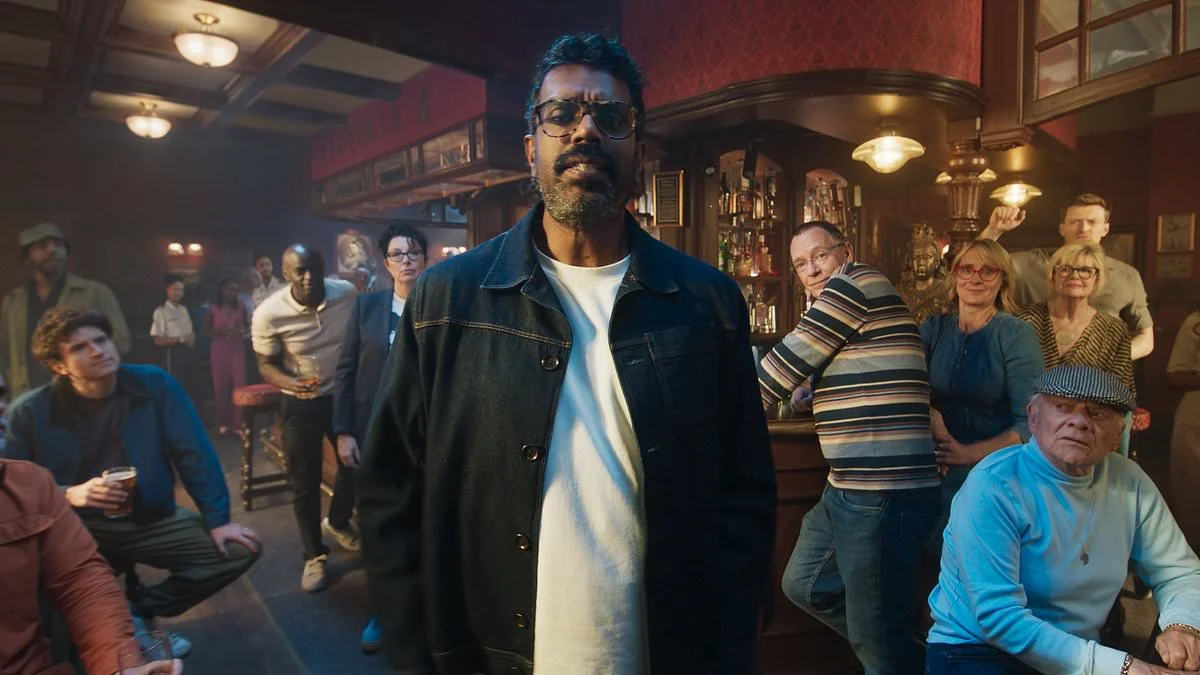
The British Broadcasting Corporation is facing a wave of public scrutiny following the revelation that comedian Romesh Ranganathan was paid an undisclosed sum to front a high-profile promotional campaign aimed at defending the mandatory licence fee. The advertisement, titled "What Has The BBC Ever Done For Me?", premiered during the 2026 World Cup Final, a slot traditionally reserved for high-value commercial advertising. The four-minute film, which features nearly 100 of the broadcaster’s most recognizable faces, encourages viewers to continue paying the £180-a-year fee despite a growing trend of cancellations and internal budget cuts.
While the BBC has confirmed that Ranganathan, 48, received a fee for his participation, it has declined to specify the exact amount paid to the Weakest Link host. A spokesperson for the corporation defended the expenditure, citing the "significant time commitment" required for the production. The reveal has sparked a debate over the ethics of using public funds to pay celebrities to campaign for the continued collection of those same funds, particularly as the corporation navigates a period of significant financial instability and public dissatisfaction.
The Anatomy of the Campaign
The promotional film is one of the most ambitious marketing projects in the BBC’s recent history. Directed with high production values, it follows Ranganathan as he navigates various iconic BBC sets and studios, encountering a revolving door of stars. The cast includes Coldplay frontman Chris Martin, veteran documentarian Louis Theroux, and television presenters such as Claudia Winkleman and Alan Carr. The narrative structure of the ad is designed to remind viewers of the breadth of the BBC’s output, ranging from high-end drama and international news to live sports and entertainment.
In one notable sequence, Louis Theroux appears alongside a metaphorical giant lever, delivering a stark warning to the audience: "None of this exists if we don’t want it to." The film concludes with Ranganathan on the set of Strictly Come Dancing, surrounded by professional dancers, symbolizing the "joy and community" the broadcaster claims to provide. However, the attempt at a lighthearted and persuasive tone was met with immediate criticism on social media and from media analysts, who described the campaign as "tone-deaf" and "desperate."
Public Reaction and Timing
The decision to air the advertisement during the World Cup Final has been identified as a primary source of viewer irritation. During the match, the BBC utilized on-screen QR codes and frequent reminders about the licence fee, which many sports fans found intrusive. Critics argued that using a major national sporting event—already funded by the public—to lecture viewers on the necessity of the licence fee was a strategic misstep.
Social media platforms were flooded with complaints following the broadcast. One viewer noted that they felt "threatened" by the presence of Ranganathan and Theroux during a moment of leisure, while others characterized the film as "nauseating" and "shameless self-promotion." The central tension for many viewers lies in the perception that the BBC is spending public money to justify the collection of more public money, a cycle that some find increasingly difficult to support during a period of economic pressure.
Ranganathan, however, has stood by his involvement. In a blog post published on the BBC’s website titled "Why I had to make the case for our BBC," the comedian acknowledged the corporation’s flaws but emphasized its cultural value. "I strongly, strongly believe that the BBC should exist," he wrote. "It’s not without its flaws… but it adds so much to our lives, and I’m really proud of it."
Financial Context and the Decline of the Licence Fee
The campaign comes at a precarious time for the BBC’s finances. Internal data recently revealed that the corporation lost approximately 500,000 licence fee payers over the last 12 months. This decline is attributed to several factors, including the "cost of living" crisis, a shift in viewing habits toward global streaming platforms like Netflix and Disney+, and a series of high-profile editorial and personal scandals that have damaged the broadcaster’s reputation for impartiality and integrity.
The current licence fee is set at £180 per year, a figure that has been a point of political contention for several years. The government has previously signaled a desire to review the funding model ahead of the Royal Charter renewal in 2027. The BBC argues that the fee represents excellent value for money, claiming in the new advert that the corporation generates more than £6.5 billion for the UK economy through its support of the creative industries, regional employment, and international exports.
Despite these figures, the BBC is simultaneously implementing aggressive cost-cutting measures. Recently, the corporation announced the elimination of 550 jobs, a move that has drawn fire from veteran broadcasters. David Dimbleby, the 87-year-old former presenter of Question Time, described the job cuts as a "very bad call." Dimbleby expressed his dismay at the reduction in staff, particularly within the news and analysis sectors, stating, "I’m appalled. The best analysis of politics, both national and international… why on earth have they done that?"
Analysis of the "Paid Endorsement" Controversy
The revelation of Ranganathan’s payment adds a new layer of complexity to the backlash. While the BBC stated that "the majority of people gave their time for free," the decision to pay the lead talent has raised questions about the transparency of the "What Has The BBC Ever Done For Me?" project. If the campaign was intended to be a grassroots show of support from the creative community, the use of paid talent potentially undermines that message.
Industry analysts suggest that the BBC is caught in a "marketing paradox." To survive in a competitive digital landscape, it must market its services as a commercial entity would. However, because it is publicly funded, every pound spent on marketing is a pound not spent on content or staff retention. The "significant time commitment" cited by the BBC spokesperson suggests that Ranganathan’s involvement was more than a simple cameo, likely involving several days of filming across multiple locations, which under standard industry practice would require remuneration. However, for a public service broadcaster, the optics of such a transaction remain problematic.
The Broader Impact on the BBC’s Future
The 2026 campaign is widely seen as a "pre-emptive strike" ahead of the 2027 Charter Review. By enlisting a diverse group of celebrities and highlighting the BBC’s economic contributions, the corporation is attempting to build a shield of public and cultural support. However, the strategy risks alienating the very audience it seeks to persuade if the messaging is perceived as condescending or intrusive.
Furthermore, the contrast between the star-studded advertisement and the reality of 550 redundant employees creates an internal morale crisis. Staff members at the BBC have reportedly expressed frustration that "vanity projects" are being prioritized over the protection of core journalistic and production roles. The corporation’s defense—that it must promote its services creatively to ensure audiences get "best value"—does little to appease those who see a disconnect between the BBC’s public-facing glamour and its internal austerity.
Chronology of Recent Events
To understand the intensity of the current backlash, one must look at the timeline of the BBC’s recent challenges:
- Mid-2025: The BBC reports a significant drop in traditional television viewership among the 18–34 demographic, prompting a shift toward "digital-first" content.
- Late 2025: A series of internal reviews leads to the announcement of 550 job cuts across regional news and factual programming to save £500 million.
- Early 2026: Annual figures confirm that half a million households have legally opted out of the licence fee, citing a preference for streaming services.
- July 2026: The BBC launches its most expensive promotional campaign to date during the World Cup Final, led by Romesh Ranganathan.
- July 20, 2026: The Daily Mail reveals that Ranganathan was paid for his role, sparking fresh criticism of the corporation’s spending priorities.
Conclusion
As the BBC moves toward the end of the decade, the debate over its funding and purpose shows no signs of abating. The "What Has The BBC Ever Done For Me?" campaign was intended to be a celebration of a national institution, but it has instead become a lightning rod for criticism regarding fiscal responsibility and institutional tone. While the corporation insists that such marketing is necessary to survive in a crowded media market, the public’s reaction suggests a growing weariness with the "hard sell" tactics employed by a body that is supposed to belong to the people.
The coming months will likely see further pressure on the BBC leadership to disclose the full costs of the campaign and to justify the continued use of celebrity endorsements in the face of widespread staff redundancies. With the 2027 Charter Review looming, the corporation finds itself in a delicate balancing act: trying to prove its modern relevance without losing the trust of the traditional audience that provides its financial lifeblood.
