
 By Layla Zulfa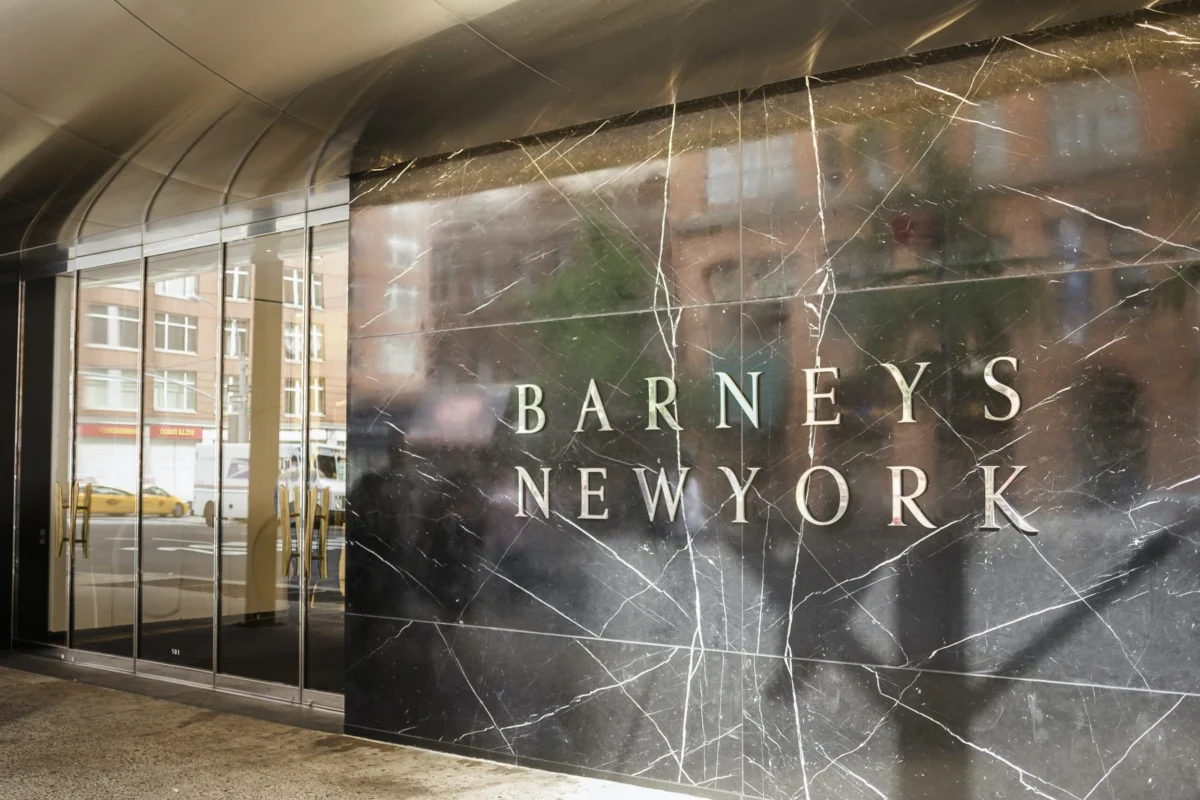
In a move set to reverberate through the high-stakes world of luxury fashion retail, Barneys New York is reportedly preparing for a significant comeback to its spiritual home on Madison Avenue, according to a source intimately familiar with the plans. This anticipated return marks a pivotal moment for a brand synonymous with American luxury, a brand that, despite its illustrious history, faced a dramatic fall from grace culminating in bankruptcy and the subsequent acquisition of its intellectual property in 2019. The revival, orchestrated by Authentic Brands Group (ABG), signals not just the re-emergence of an iconic name but also a broader narrative about the resilience of brick-and-mortar luxury and the evolving strategies employed to breathe new life into heritage brands.
A Storied Legacy: Barneys’ Ascent as a Luxury Icon
Founded in 1923 by Barney Pressman as a discount men’s clothing store, Barneys New York rapidly transformed over the decades into an unparalleled arbiter of style and luxury. Under the visionary leadership of his son, Fred Pressman, and later his grandsons, Gene and Bob Pressman, Barneys became a global fashion powerhouse. By the 1970s and 80s, it was celebrated for its avant-garde selection, introducing American consumers to European designers like Giorgio Armani and Comme des Garçons, and fostering emerging talent. Its flagship store at 660 Madison Avenue, an architectural marvel opened in 1993, became a veritable cathedral of commerce, spanning ten floors and housing meticulously curated collections of designer apparel, accessories, beauty products, and home goods. The store was renowned for its legendary window displays, often provocative and artistically daring, which became a cultural landmark and a destination in themselves, drawing crowds during holidays and fashion weeks. Barneys wasn’t merely a department store; it was an institution that cultivated a distinct point of view, a sophisticated shopping experience, and a loyal clientele who trusted its discerning eye for fashion. It pioneered the concept of the "luxury boutique within a department store" and was often credited with shaping the aesthetic landscape of American fashion for decades.
The Descent and Dispersal: A Timeline of Financial Troubles
Despite its cultural cachet, Barneys New York faced mounting financial pressures throughout the late 20th and early 21st centuries. The brand navigated several ownership changes and private equity investments, each bringing its own set of challenges and capital structures. Key moments in its decline include:
- 1990s: Expansion efforts proved costly, and a protracted legal battle with Japanese partner Isetan over ownership stakes further strained finances.
- 2000s: The rise of e-commerce, increasing competition from direct-to-consumer brands, and other luxury retailers (Saks, Bergdorf Goodman, Neiman Marcus) began to erode its market share. High operating costs, particularly exorbitant rents for its prime Madison Avenue location, became an increasingly unsustainable burden.
- 2014-2019: Despite attempts at modernization and a renewed focus on digital presence, the company struggled with a heavy debt load. Efforts to renegotiate leases and streamline operations were insufficient to stem the tide. The Madison Avenue flagship’s annual rent alone was reportedly around $30 million, a figure many analysts deemed unrealistic in a shifting retail landscape.
- August 2019: Barneys New York officially filed for Chapter 11 bankruptcy protection. This move followed months of speculation and failed attempts to secure new financing or a buyer. The filing led to the closure of several stores and a liquidation sale that marked a somber end to an era for many fashion enthusiasts.
- October 2019: Authentic Brands Group (ABG) emerged as the successful bidder for Barneys’ intellectual property, acquiring the brand name and related assets for approximately $271 million. The deal, however, did not include the physical stores, which were subsequently closed. ABG, known for its strategy of acquiring and licensing distressed or underutilized brands, outlined plans to integrate Barneys into various retail formats, initially through a partnership with Saks Fifth Avenue.
Authentic Brands Group’s Strategic Play: Licensing and Revival
Authentic Brands Group (ABG) operates on a distinct business model: acquiring the intellectual property of struggling or dormant brands and then licensing them out to various partners for product development, manufacturing, and retail operations. This asset-light approach allows ABG to generate revenue through royalties without the immense overheads of traditional retail. Their portfolio is vast and diverse, including iconic names like Forever 21, Brooks Brothers, Reebok, Nautica, Ted Baker, and Juicy Couture, among many others.
Upon acquiring Barneys, ABG initially partnered with Saks Fifth Avenue, a direct competitor, to launch Barneys at Saks — a series of curated shop-in-shops within Saks stores and a dedicated Barneys e-commerce experience powered by Saks.com. This strategy aimed to leverage Saks’ existing infrastructure and customer base while keeping the Barneys brand alive. However, this arrangement, while providing a temporary solution, was met with mixed reactions from industry observers and consumers. Many felt that the "Barneys at Saks" concept diluted the unique identity and independent spirit that defined Barneys for decades. The distinct experiential and curated environment that was central to Barneys’ allure was challenging to replicate within another department store’s framework. The absence of a standalone flagship store, particularly in New York, was keenly felt by those who remembered Barneys as a destination in itself.
The reported decision to return to a standalone physical presence on Madison Avenue suggests a strategic recalibration by ABG. It indicates a recognition that for certain luxury brands, particularly those with a strong heritage and a unique shopping experience, a dedicated physical footprint is indispensable for maintaining brand integrity, desirability, and premium positioning. This move aligns with a broader trend among luxury brands that, despite the growth of e-commerce, continue to invest heavily in flagship stores as powerful brand statements and experiential hubs.
Madison Avenue: The Enduring Allure of a Luxury Corridor
Madison Avenue, particularly the stretch between 57th and 72nd Streets, has long been synonymous with high-end luxury retail. It is home to flagship boutiques for brands like Chanel, Louis Vuitton, Hermès, Prada, and Gucci, creating a formidable concentration of global luxury powerhouses. However, like many prime retail districts, Madison Avenue has faced its share of challenges. The rise of online shopping, coupled with escalating commercial rents and the economic fallout from the COVID-19 pandemic, led to a noticeable increase in retail vacancies in recent years.
According to reports from the Madison Avenue Business Improvement District (BID), while the street has shown signs of recovery, with vacancy rates fluctuating, the return of a major anchor like Barneys New York holds significant symbolic and economic weight. A new Barneys store could act as a powerful magnet, drawing foot traffic back to the street, enhancing the overall luxury ecosystem, and potentially encouraging other high-end brands to invest or expand their presence. The BID and local real estate stakeholders would likely welcome Barneys’ return as a testament to the enduring appeal of Madison Avenue as a premier global shopping destination, signifying confidence in the city’s luxury retail future. For a street that thrives on exclusivity and a curated shopping experience, the re-establishment of a Barneys flagship could inject renewed vitality and reinforce its status against emerging luxury retail hubs.
Implications for Luxury Retail and the Future Barneys
The rumored return of Barneys New York is laden with implications for the broader luxury retail landscape and raises pertinent questions about the brand’s future identity and strategy:
- The Resurgence of Brick-and-Mortar: This move underscores the continued importance of physical retail, even in an increasingly digital world. For luxury brands, stores are not just points of sale but critical touchpoints for brand storytelling, customer engagement, and delivering an immersive, experiential journey that e-commerce alone cannot replicate. The success of a new Barneys will depend heavily on its ability to create a compelling in-store experience that justifies the visit.
- Brand Repositioning: ABG faces the challenge of reintroducing Barneys to a new generation of luxury consumers while retaining the loyalty of its original devotees. The brand will need to define its niche in a crowded market. Will it focus on emerging designers, sustainable fashion, experiential retail, or a blend of all? The curated selection, once Barneys’ hallmark, will be crucial. A modern Barneys might integrate advanced retail technology, personalized styling services, and exclusive events to differentiate itself.
- The Omnichannel Imperative: Any successful luxury retailer today must seamlessly integrate its physical and digital presence. The new Barneys will likely feature a robust e-commerce platform that complements its Madison Avenue flagship, offering services like buy online, pick up in-store (BOPIS), virtual styling appointments, and personalized digital recommendations.
- Market Dynamics: The luxury market has seen significant shifts, with an increasing focus on Gen Z and Millennial consumers who prioritize brand values, sustainability, and authenticity. A new Barneys will need to resonate with these demographics while also appealing to its traditional affluent customer base. The store’s aesthetic, product assortment, and marketing strategy will need to reflect these evolving consumer preferences.
- Competitive Landscape: Barneys will re-enter a highly competitive environment, vying for consumer dollars with established luxury department stores, designer flagship boutiques, and rapidly expanding online luxury platforms. Its ability to offer a truly unique and compelling value proposition will be paramount.
- Economic Headwinds: The luxury sector, while generally resilient, is not immune to economic fluctuations. Global inflationary pressures and potential economic slowdowns could impact discretionary spending on high-end goods. ABG’s strategy for Barneys will need to be agile and adaptable to these broader economic conditions.
What Could a Modern Barneys Look Like?
Given ABG’s asset-light model and the current retail climate, it is highly probable that a new Barneys New York on Madison Avenue would differ significantly from its expansive 1990s predecessor. Instead of a multi-story department store, it might manifest as a more compact, highly curated boutique, potentially focusing on specific categories like women’s designer ready-to-wear, accessories, or a sophisticated men’s edit. The emphasis would likely be on exclusivity, personalized service, and a strong editorial point of view, mirroring the trend of "micro-flagships" seen across the luxury sector.
The interior design would probably blend modern aesthetics with nods to Barneys’ heritage, creating an atmosphere that is both luxurious and inviting. Experiential elements, such as bespoke tailoring services, private shopping suites, pop-up collaborations with emerging artists or designers, and even small, high-end cafés, could be incorporated to elevate the customer journey beyond a mere transaction. The selection would need to be impeccable, featuring a thoughtful mix of established luxury houses, independent designers, and perhaps exclusive capsule collections, reaffirming Barneys’ reputation as a trendsetter.
The return of Barneys New York to Madison Avenue is more than just a real estate transaction; it is a powerful statement about brand longevity, strategic innovation, and the enduring romance of luxury retail. It offers a chance for Barneys to reclaim its narrative and carve out a new, relevant identity in a continually evolving fashion landscape. While the challenges are considerable, the potential for a triumphant return of this beloved luxury institution holds significant promise for both the brand and the future of Madison Avenue as a global luxury destination. The fashion world will undoubtedly be watching closely to see how ABG redefines Barneys for the 21st century.
