
 By admin
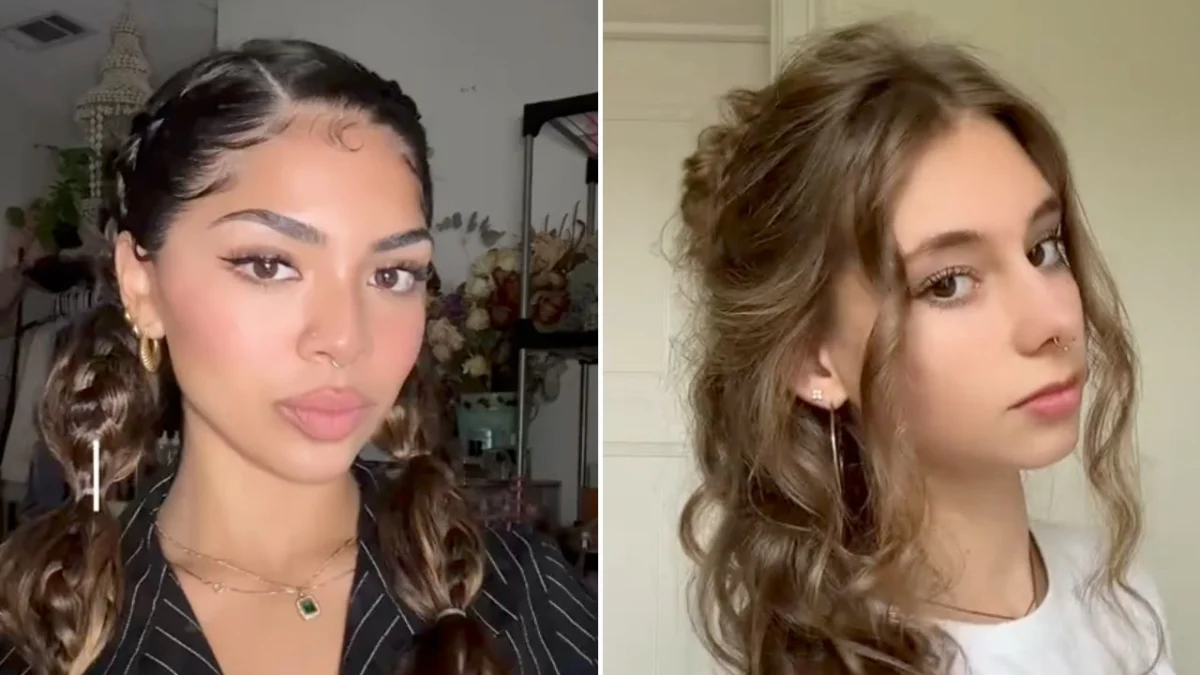
The arrival of autumn heralds a significant transformation for individuals with curly hair, presenting a unique set of challenges and opportunities for styling and maintenance. As cooler temperatures and fluctuating humidity levels become the norm, the natural texture of curls can be significantly impacted, often leading to increased frizz and a loss of definition. This seasonal shift, while potentially frustrating, also opens the door to embracing new hairstyles that not only tame unruly ringlets but also enhance their inherent beauty and volume. This article delves into five distinct hairstyles that offer practical and stylish solutions for navigating the complexities of fall hair, from effortless elegance to intricate artistry.
The Autumnal Shift: Understanding Curly Hair’s Seasonal Dynamics
The science behind curly hair’s reaction to seasonal changes is rooted in its structure. The cuticle, the outermost layer of the hair shaft, plays a crucial role in moisture retention and smoothness. In curly hair, the cuticle tends to be more raised and less tightly bound compared to straight hair, making it inherently more susceptible to environmental factors. During autumn, the transition from the humid summer months to drier, cooler air can strip moisture from the hair, leading to a compromised cuticle and subsequent frizz. Simultaneously, intermittent humidity can cause the hair shaft to swell unevenly, further exacerbating frizz and creating an unpredictable texture. This phenomenon is not merely anecdotal; studies on hair hygroscopy demonstrate how variations in relative humidity directly influence hair’s moisture content and physical properties, including its elasticity and tendency to frizz.
The transition period, typically spanning from late September through November, sees a gradual decline in average humidity levels across many temperate regions. For instance, in major metropolitan areas like New York City, average relative humidity can drop from over 70% in August to below 60% by October, with further decreases into November. This shift, combined with the increased use of indoor heating, creates a dual challenge of low external humidity and potentially dry indoor air, both of which can negatively impact curly hair.
Five Essential Hairstyles for Fall Curls
To address these challenges, a strategic approach to styling is paramount. The following five hairstyles offer a blend of functionality and aesthetic appeal, designed to work with the natural tendencies of curly hair during the autumn season.
1. The Effortless Jersey Headband Style
This style champions simplicity and immediate impact, making it ideal for busy mornings or when time is of the essence. The core of this look involves utilizing a wide jersey headband, a favored accessory for its gentle grip and ability to manage volume without causing undue tension or flattening. The technique is straightforward: carefully select a few front sections of hair to frame the face, then slide the headband into place. The remaining curls are allowed to fall loosely, creating a relaxed yet polished silhouette.
For those seeking an elevated texture, the addition of mini braids woven throughout the loose curls can introduce a playful, intentional dimension. These subtle braids break up the uniformity of the curls, adding visual interest and a touch of bohemian flair. The inherent texture of jersey fabric is a key advantage here; its soft, pliable nature conforms to the scalp without snagging or pulling on delicate curl patterns. This minimizes the risk of breakage and frizz, common concerns with less accommodating hair accessories. The jersey headband, often made from cotton or a cotton blend, also possesses a degree of breathability, preventing overheating and discomfort. This style’s efficacy is amplified by its adaptability; it can be dressed up or down depending on the occasion, making it a versatile staple for the fall wardrobe.
2. The Resilient Curly Bun: A Year-Round Champion
The curly bun has long been recognized as a cornerstone of curly hair styling, but its utility is particularly amplified during the autumn months. This style offers a robust solution for managing voluminous curls and mitigating the effects of unpredictable weather. The process begins with a clear separation of the front sections of hair, which will be used to frame the face and provide a polished finish. The remainder of the curls are then gathered into a bun, with the placement—high, low, or mid-level—left to personal preference and the natural fall of the hair.
A crucial element of this style’s success lies in its synergy with the hair’s natural volume. Instead of attempting to combat or suppress the inherent fullness of curly hair, this technique embraces it. The gathered curls naturally form a voluminous bun without the need for artificial teasing or stuffing, which can often lead to damage and an unnatural appearance. To achieve a sleek and sophisticated look, the front sections are smoothed back with a small amount of hair gel, artfully framing the bun. A final spritz of hairspray provides all-day hold, ensuring the style remains intact against wind and temperature fluctuations. The bun’s structure provides a protective element, shielding the bulk of the hair from direct exposure to harsh elements, thereby reducing frizz and maintaining curl integrity.
3. The Graceful Relaxed Braid: Embracing Imperfection
When humidity begins to assert its influence and curls adopt a more independent spirit, a well-executed braid emerges as an indispensable styling tool. This approach leverages the natural texture of curly hair to create a look that is inherently sophisticated and effortlessly chic. The method involves drawing all the curls to the back of the head and dividing them into three equal sections. A standard braiding technique is then applied. The beauty of this style, particularly for curly hair, lies in its inherent imperfection. The more relaxed and slightly undone the braid appears, the more aesthetically pleasing it becomes.
This "messy" or "intentionally undone" aesthetic is a hallmark of relaxed braids on curly textures. Unlike straight hair, which might appear limp or flat in a similar braid, curly hair lends volume, dimension, and a naturally textured quality that is difficult to replicate. The individual curls create natural bumps and variations within the braid, resulting in a visually rich and dynamic finish. This style is particularly effective in combating frizz because it physically groups and contains the hair, reducing its exposure to the elements. The resulting texture is a testament to the inherent beauty of curls, showcasing their ability to create unique patterns and styles. Data from hair elasticity studies indicate that tightly bound structures like braids can help maintain curl definition for longer periods, even in varying humidity levels.
4. The Chic Braided Half Bun: A Touch of Refinement
For occasions demanding a more polished aesthetic, the braided half bun offers an elegant and achievable solution. This style artfully combines the casual appeal of a half bun with the structured detail of a braid, creating a look that is both put-together and fashion-forward. The process begins by separating the hair into a top half-up section. This upper portion is then loosely twisted into a bun, which is then gently pushed forward to ensure it maintains a full, rather than flat, appearance. Securing the bun with bobby pins completes this initial step.
The transformative element of this style is introduced through a small section of hair taken from underneath. This section is braided, typically in a simple three-strand braid, and then artfully draped over the top of the half bun, secured on the opposite side. This braided accent elevates the basic half bun, lending it a more intricate and intentional look. The entire process, from start to finish, can typically be completed in under ten minutes, making it a practical choice for busy individuals. The braided detail not only adds visual interest but also provides an additional layer of control for the hair, helping to keep flyaways at bay and maintain a neat appearance throughout the day. This style’s ability to manage the top section of hair while allowing the lower curls to remain loose offers a balanced approach to styling that is both comfortable and stylish.
5. The Whimsical Long Bubble Braids: Embracing Cozy Season Vibes
This style captures the essence of autumn, embodying a cozy yet playful aesthetic that is perfect for the season. The creation of long bubble braids begins with two simple French braids, one on each side of the head, with the ends intentionally left loose to allow for subsequent styling. Following this, a mini braid is incorporated from the ponytail section. This mini braid is then integrated with the rest of the hair, and clear elastics are strategically placed down the length of the hair to create distinct "bubble" sections.
The key to achieving the signature voluminous look of bubble braids lies in gently fluffing out each bubble section after the elastics are secured. This technique adds significant dimension and movement to the style, which curly hair naturally excels at showcasing. A light styling product can be used to smooth the edges and hairline, providing a sleek finish that contrasts beautifully with the textured bubbles. The combination of the initial braids and the subsequent bubble formations creates a multidimensional effect that is both eye-catching and durable. This style is particularly well-suited for curly hair as the natural texture enhances the definition of each bubble, and the overall structure provides excellent hold, often lasting the entire day without the need for frequent touch-ups. This makes it an ideal choice for fall activities, from apple picking to casual outings.
Broader Implications and Future Trends
The increasing focus on textured hair in mainstream fashion and beauty narratives signifies a cultural shift towards embracing natural hair diversity. Hairstylists and beauty experts are observing a growing demand for styles that celebrate, rather than attempt to alter, natural curl patterns. This trend is supported by technological advancements, such as virtual try-on tools and AI-powered hairstyle apps, which empower individuals to experiment with different looks and discover what best suits their unique hair type and facial features.
The adaptability and resilience of curly hair styles in the face of seasonal changes underscore the importance of understanding and working with natural textures. As the fashion industry continues to evolve, it is anticipated that more innovative and practical styling solutions will emerge, catering specifically to the needs of the curly hair community. The integration of functional design with aesthetic appeal, as seen in the five styles presented, is likely to be a defining characteristic of future hair trends for textured hair. The growing accessibility of resources and information for curly hair care further empowers individuals to confidently embrace their natural beauty throughout the year.
