
 By admin
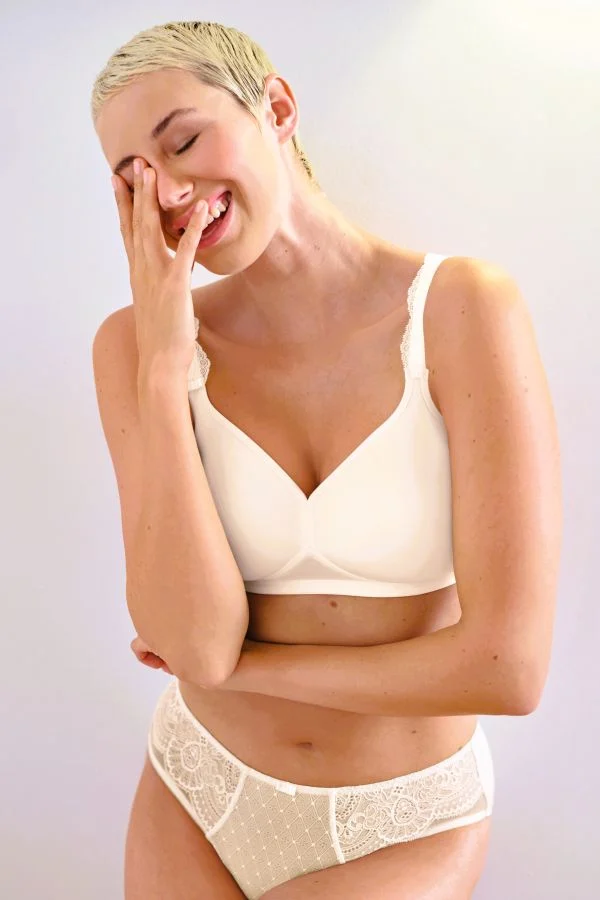
In the competitive landscape of independent intimate apparel retail, the challenge of maintaining inventory efficiency while meeting specialized consumer needs has led to a significant shift in product development and floor management. Anita Care, a division of the heritage brand Anita, has addressed this challenge with the Selma Pocketed Bra with Spacer Cups, a garment designed to bridge the gap between specialized medical necessity and everyday luxury. By engineering a product that functions as both a post-mastectomy necessity and a premium everyday T-shirt bra, the company is providing retailers with a versatile tool to optimize their assortments. This dual-purpose design strategy comes at a critical time as the global lingerie market increasingly moves toward inclusivity and universal design, where the lines between "specialty" and "mainstream" products are becoming increasingly blurred.
The Strategic Importance of Cross-Category Merchandising
For independent retailers, inventory management is often the deciding factor between profitability and stagnation. Traditional retail models often siloed medical-grade lingerie—such as pocketed bras for breast forms—away from the general fashion collections. This separation created two distinct inventory risks: the potential for specialized stock to sit idle and the risk of alienating general market customers who might benefit from the comfort features of medical-grade garments but are never introduced to them.
The Selma Pocketed Bra disrupts this model through "crossover" appeal. While it features discreet microfiber pockets designed to hold breast forms securely, its wire-free, smooth silhouette and aesthetic appeal allow it to compete directly with high-end T-shirt bras in the general market. This allows boutique fitters to recommend the Selma to a wide demographic, including those seeking ultimate comfort or those with sensitive skin who may not have undergone surgery. By serving two distinct customer bases with a single SKU (Stock Keeping Unit), retailers can increase their inventory turnover rates and reduce the financial burden of carrying slow-moving, niche-only products.
Technical Innovation: The Role of Spacer Cup Technology
At the heart of the Selma bra’s performance is the use of spacer cup technology. Unlike traditional foam padding, which can be heavy, restrictive, and prone to heat retention, spacer fabric is a three-dimensional knit consisting of two layers of fabric joined by a connecting layer of filaments. This structure creates air pockets within the material, making the cups exceptionally lightweight and breathable.
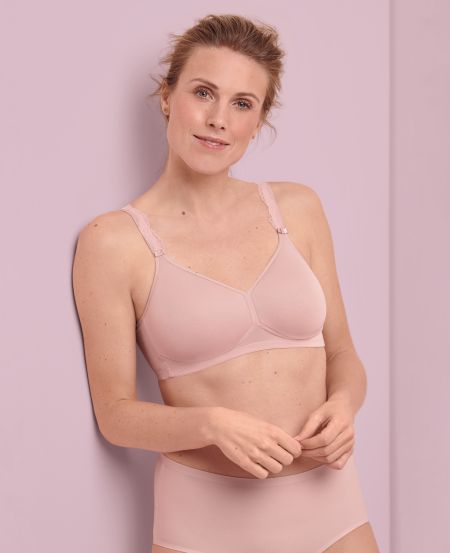
From a technical perspective, spacer cups offer several advantages for post-surgical patients. Following a mastectomy or lumpectomy, the chest wall and surrounding tissue can remain sensitive for years. The breathability of the spacer fabric helps regulate body temperature and reduces moisture buildup, which is essential for skin health. For the general consumer, the benefit lies in the "invisible support" the cups provide. The molded shape offers a smooth look under tight-fitting clothing, such as T-shirts, without the bulk of traditional padding. The ability of the material to stretch and recover also ensures a customized fit that adapts to the wearer’s unique contours, a feature that is particularly valued in the absence of underwires.
Expanding Aesthetic Appeal: The Introduction of the Crystal Colorway
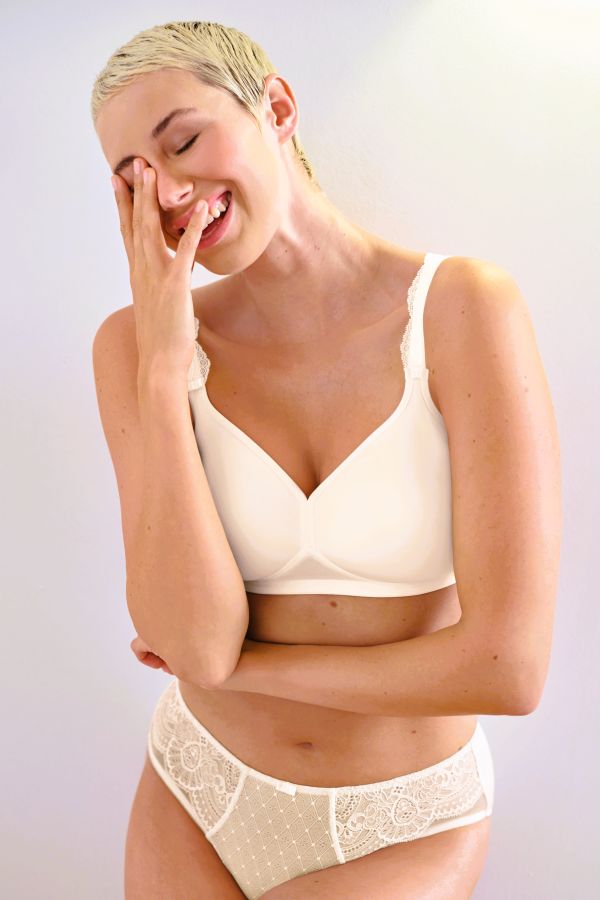
In the specialized medical garment sector, aesthetics have historically been secondary to function. However, consumer demand has shifted toward products that do not look "clinical." Anita Care has responded to this trend by expanding the Selma collection’s color palette. This season, the brand introduced "Crystal," a delicate cream-white hue, to join the existing "Rosewood" colorway.
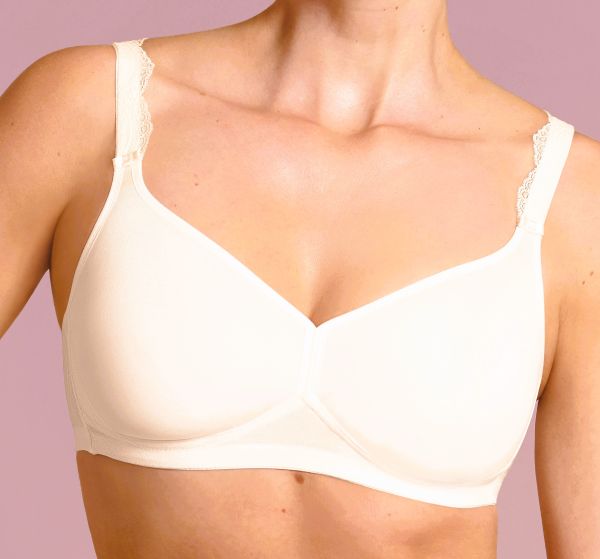
The addition of Crystal is a strategic move to modernize the retail display wall. Unlike stark white, which can often look harsh or clinical, the Crystal shade offers a sophisticated, soft neutral that appeals to a broad range of skin tones. In a retail environment, the visual presentation of a product is paramount. By offering sophisticated colors and delicate lace detailing on the straps, Anita Care ensures that the Selma bra holds its own alongside high-fashion lingerie brands. This aesthetic parity is crucial for maintaining the dignity of post-operative clients, allowing them to shop for garments that feel like "real" lingerie rather than medical supplies.
Engineering for Scale: Smart Size Escalation
One of the most complex aspects of lingerie design is ensuring that a garment performs consistently across a wide size range. The Selma bra is available in A through D cups with band sizes ranging from 32 to 42. To maintain support and comfort as sizes increase, Anita Care employs "smart size escalation" techniques.
In larger sizes, the bra features wider, lace-trimmed straps to distribute weight more evenly across the shoulders, preventing the "digging" sensation often associated with heavy busts. Furthermore, the back of the bra is constructed with double-layered power tulle. Power tulle is a high-performance mesh known for its exceptional tensile strength and recovery. By using double layers in larger sizes, the designers ensure that the back wing provides the necessary anchorage to support the weight of the breasts (or breast forms) without sacrificing the garment’s lightweight feel. This attention to structural detail ensures that the Selma remains a high-performance tool for fitters, regardless of the client’s physical stature.
Historical Context: Anita’s Legacy in Specialized Lingerie
The success of the Selma bra is rooted in Anita’s long history of garment engineering. Founded in 1886, the German-based company has spent over 135 years specializing in orthopedic and medical-grade lingerie. This heritage provides a deep well of anatomical knowledge that informs every design choice.
The Anita Care division specifically focuses on the needs of women who have undergone breast surgery. Over the decades, the brand has transitioned from purely functional post-op binders to sophisticated, fashion-forward pocketed lingerie. This evolution reflects a broader societal shift in how breast cancer recovery is approached—moving from a focus on "concealment" to a focus on "empowerment and comfort." The Selma bra represents the pinnacle of this evolution, where medical requirements are so seamlessly integrated into the design that they become invisible to the untrained eye.
The October Impact: Serving a Loyal Demographic
The timing of product releases and retail focus often aligns with Breast Cancer Awareness Month in October. For independent retailers, this is a period of reflection on how well they serve the post-mastectomy demographic—a group of consumers known for their intense brand loyalty. Once a woman finds a bra that provides the comfort and security she needs after surgery, she is likely to remain loyal to both the brand and the retailer who provided the fitting.
Industry analysts note that the post-mastectomy market is often underserved by large "big-box" retailers, leaving a significant opportunity for independent boutiques to establish themselves as community hubs for specialized care. By stocking versatile styles like the Selma, retailers can provide a high level of service to post-op clients while maintaining a floor set that remains relevant and profitable year-round. The ability to transition a customer from a post-surgical recovery bra to a style like the Selma represents a "lifecycle" approach to customer retention.
Market Analysis and Future Implications
The global mastectomy lingerie market is projected to see steady growth over the next decade, driven by rising breast cancer survival rates and an aging population. However, the modern survivor is more active and fashion-conscious than previous generations. This has created a demand for high-performance fabrics, such as the spacer material used in the Selma, and wire-free designs that do not compromise on shape.
Furthermore, the "comfort movement" in the general lingerie market—accelerated by the shift toward remote work and wellness-focused lifestyles—has made wire-free, breathable bras a top priority for all women. The Selma bra sits at the intersection of these two trends. Its success suggests that the future of the intimate apparel industry lies in "universal design"—creating products that are accessible to those with specific physical needs while remaining desirable to the general public.
From a business perspective, the Selma Pocketed Bra serves as a case study in how technical excellence and strategic merchandising can coexist. By addressing the clinical needs of the Anita Care customer without sacrificing the luxury and style expected by the general market, Anita has created a product that maximizes "turns" on the lingerie floor and provides retailers with a reliable, high-performing asset.
Conclusion: A Benchmark for Inclusive Design
The Anita Care Selma Pocketed Bra with Spacer Cups is more than just a piece of apparel; it is a calculated response to the evolving needs of both retailers and consumers. By prioritizing breathability through spacer technology, ensuring structural integrity through smart size escalation, and embracing modern aesthetics with the Crystal colorway, Anita Care has set a benchmark for what inclusive lingerie should be. As the industry continues to move toward a more holistic view of the female body, garments that offer this level of versatility and dignity will likely become the standard for successful independent intimate retailers worldwide. Through this blend of clinical expertise and fashion-forward thinking, Anita Care ensures that function never has to come at the expense of femininity.
