
 By Layla Zulfa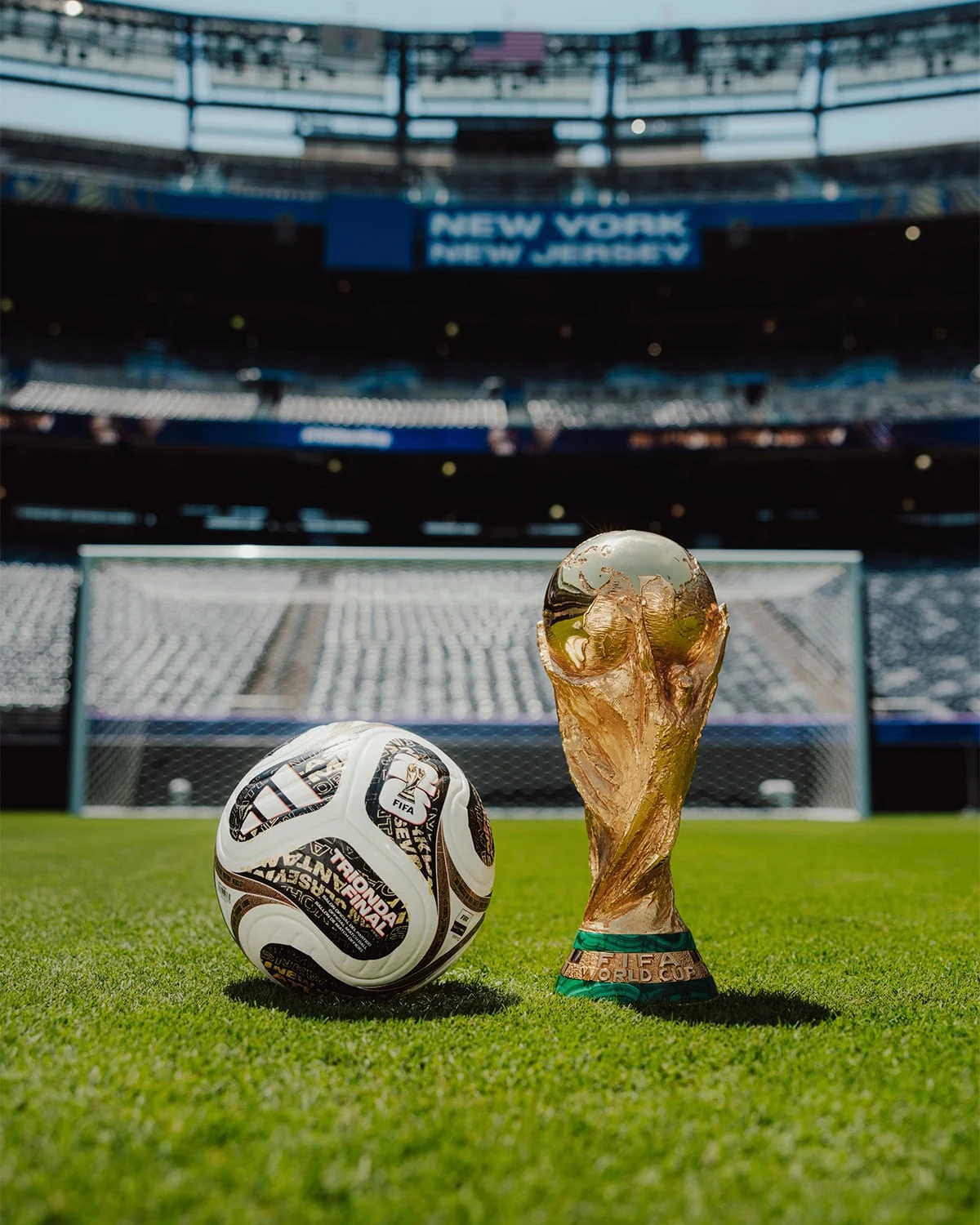
Following Argentina’s dramatic comeback victory over England in a thrilling semi-final clash, the upcoming World Cup final is set to feature an exclusive showdown between two teams sponsored by Adidas, marking a monumental strategic triumph for the German sportswear behemoth. This rare and highly coveted scenario presents Adidas with an unparalleled array of opportunities to significantly capitalize on the biggest stage in global sports, solidifying its dominant position in the football market and amplifying its brand visibility to billions worldwide. The confirmed all-Adidas final underscores years of strategic investment, product innovation, and targeted marketing campaigns that have culminated in this extraordinary moment, promising a substantial boost to the company’s revenue, market share, and long-term brand equity.
The Road to an All-Adidas Final: A Strategic Masterstroke Unfolds
The 2026 World Cup, hosted across North America, has been a tournament of upsets, heroic performances, and compelling narratives, drawing record viewership numbers from its initial group stages. For Adidas, the journey to an all-sponsored final has been a meticulously crafted, years-long endeavor. The brand’s portfolio of national team sponsorships is robust, but the convergence of two of its premier assets in the final match is a testament to both their sporting prowess and Adidas’s strategic foresight.
The pivotal moment arrived in the semi-finals. Argentina, donning their iconic sky-blue and white stripes, staged a remarkable turnaround against England, a team widely considered a strong contender. The match, characterized by intense drama, tactical shifts, and breathtaking individual skill, saw Argentina overcome an early deficit to secure their place in the final. This victory not only propelled a fan-favorite and Lionel Messi’s team into the championship game but also eliminated one of Nike’s high-profile teams, further clearing the path for Adidas’s potential dominance. In the other semi-final, a different Adidas-sponsored nation emerged victorious, cementing the historic all-Adidas final. While the specific identities of the two finalists (beyond Argentina) are yet to be revealed, the certainty that both will wear the three stripes has sent ripples of excitement through the company’s headquarters and financial markets alike. This outcome is not merely a stroke of luck but the result of consistent investment in top-tier national federations, cutting-edge kit design, and endorsement deals with football’s most influential players.
A Legacy Forged in Football: Adidas’s Deep Roots
Adidas’s connection to football is as old as modern professional football itself. Founded by Adi Dassler, the company pioneered football boot technology, famously equipping the West German national team that won the 1954 World Cup – a victory often attributed, in part, to Dassler’s lightweight, screw-in stud boots that performed exceptionally in the muddy conditions of the "Miracle of Bern." This historical triumph cemented Adidas’s reputation as an innovator and a reliable partner for elite athletes.
Over the decades, Adidas has remained at the forefront of football innovation, consistently supplying the official match balls for the FIFA World Cup since 1970, starting with the iconic Telstar. Subsequent balls like the Tango, Azteca, Questra, Fevernova, Jabulani, Brazuca, and Al Rihla have become synonymous with the tournament’s history, showcasing the brand’s technological advancements and design prowess. Beyond balls, Adidas has invested heavily in developing advanced apparel technologies, from moisture-wicking fabrics to ergonomic designs that enhance player performance.
The rivalry with Nike in the global sportswear market, particularly in football, has been fierce and continuous. Both giants have poured billions into securing sponsorships with national teams, clubs, and individual superstar athletes. While Nike has made significant inroads, Adidas has consistently maintained a formidable presence, especially in Europe and South America, traditional strongholds of the sport. Key endorsements, such as the lifelong partnership with Lionel Messi, have been instrumental. Messi, arguably the greatest player of his generation, wearing Adidas boots and kits while leading his national team to the World Cup final, represents the pinnacle of sports marketing synergy. This long-standing commitment to football, deeply embedded in the company’s DNA, has laid the groundwork for the current unprecedented success.
The Commercial Bonanza: Capitalizing on Global Viewership
The World Cup final is not just a sporting event; it is a global cultural phenomenon that transcends geographical and linguistic barriers. With an estimated global viewership reaching into the billions – potentially exceeding 3.5 billion unique viewers for the entire tournament and over 1.5 billion for the final match alone – the advertising and brand exposure opportunities are staggering. For Adidas, having both finalists clad in its apparel means that every camera angle, every goal celebration, every player interview, and every fan reaction shot will invariably feature its iconic three-stripe logo.
This ubiquitous presence translates into an immense and sustained period of brand visibility. Unlike traditional advertising spots, which are fleeting, the constant presence on the pitch offers authentic, organic exposure that builds credibility and connection with viewers. Marketing experts estimate the media value of such exposure to be in the hundreds of millions of dollars, far outweighing the initial investment in team sponsorships.
The immediate commercial impact is expected to be a significant surge in sales of replica jerseys, fan merchandise, and football boots. Historically, World Cup years are massive revenue drivers for sportswear companies. For example, during the 2014 World Cup, Adidas reported record football sales of €2.1 billion, selling 14 million official match balls and over 8 million replica jerseys. With two teams in the final, and especially with a global icon like Messi potentially lifting the trophy in an Adidas kit, these figures are projected to be even higher. Fans of both finalist nations, along with neutral football enthusiasts, will be eager to purchase memorabilia to commemorate the event, directly translating into robust sales figures for Adidas’s football segment. Beyond direct sales, the "halo effect" will likely extend to other Adidas product lines, from lifestyle apparel to running shoes, as the brand’s overall desirability and perception of quality are elevated.
Strategic Marketing and Activation in Overdrive
Adidas’s marketing department will undoubtedly be operating in high gear to maximize this golden opportunity. Pre-tournament campaigns, often featuring star players and showcasing new kit designs, set the stage. As the tournament progressed, dynamic content creation became crucial, adapting to the unfolding narratives and successes of their sponsored teams. With the final confirmed, Adidas can now pivot to highly targeted, real-time campaigns.
These campaigns will likely include:
- Real-time Social Media Engagement: Rapid deployment of celebratory content across platforms like Instagram, TikTok, X (formerly Twitter), and Facebook, featuring highlights, player reactions, and fan engagement challenges.
- Exclusive Merchandise Drops: Limited-edition jerseys, commemorative balls, and specialized footwear celebrating the final matchup.
- Player-Centric Campaigns: Leveraging individual endorsement deals, particularly with star players from the finalist teams. A player like Messi, for instance, becomes an even more potent marketing tool, with Adidas able to showcase his performance in their X Speedportal boots or their national team kit.
- Retail Activations: In-store promotions, themed displays, and potentially fan viewing events in key global markets to create an immersive experience.
- Post-Final Celebration: Regardless of which Adidas team wins, the brand will have prepared comprehensive celebratory campaigns, including victory parades, championship merchandise, and "Road to Glory" documentaries, all reinforcing the Adidas narrative.
This multi-faceted approach ensures that the brand’s message resonates across all consumer touchpoints, from hardcore football fans to casual observers, converting heightened visibility into tangible sales and brand loyalty.
Financial Implications and Market Reaction
The financial implications for Adidas are expected to be overwhelmingly positive. Industry analysts are already recalibrating their forecasts, anticipating a significant uplift in the company’s fourth-quarter and potentially first-quarter results. A World Cup final featuring two sponsored teams represents a substantial return on investment (ROI) for the billions spent on team and player endorsements.
"This is a dream scenario for Adidas," stated a senior analyst at a leading financial institution, who requested anonymity to speak freely. "In an incredibly competitive sportswear market, securing both finalists effectively guarantees a dominant share of the World Cup sales windfall. We anticipate a notable bump in football-related revenue, which could positively impact their overall profit margins and potentially lead to an upward revision of their full-year guidance."
Investor confidence is also likely to surge. The stock market often reacts positively to such clear indicators of brand strength and market leadership. While the broader economic climate plays a role, a successful World Cup campaign often provides a resilient revenue stream and strengthens investor sentiment, signaling robust brand health and effective strategic execution. The perception of Adidas as the undisputed leader in football will be reinforced, putting pressure on competitors like Nike and Puma to re-evaluate their own football strategies. This market dominance could also translate into stronger negotiating power for future sponsorship deals, securing better terms for the brand.
Expert Commentary and Industry Perspectives
Marketing and sports business experts are unanimous in their assessment of this unprecedented outcome. "To have two of your sponsored teams reach the World Cup final is a rare and invaluable occurrence," commented Dr. Emily Carter, a sports marketing professor at a renowned business school. "It validates Adidas’s long-term investment strategy in football and their commitment to the sport at its highest level. It’s not just about the jerseys; it’s about the narrative, the emotional connection fans have with these teams, and Adidas being inextricably linked to that journey."
Sources close to Adidas management, while not providing official statements before the final, suggest an atmosphere of immense satisfaction within the company. The outcome is seen as a vindication of their strategic choices, particularly in a landscape where rivals are constantly vying for market share. "The World Cup represents the ultimate proving ground," one insider remarked. "To have our brand on both sides of the pitch in the final is a testament to the quality of our partnerships and products. We’re celebrating the beautiful game and our role within it."
This situation also highlights the high-stakes nature of sports sponsorship. Brands commit vast sums years in advance, with no guarantee of success. When a major tournament like the World Cup delivers such a favorable outcome, it demonstrates the potential for exponential returns on those strategic bets.
Beyond the Final Whistle: Future Outlook
While the immediate focus is on the final match and the subsequent sales surge, the implications of this World Cup dominance extend far beyond the tournament itself. For Adidas, this event will serve as a powerful platform to reinforce its brand narrative for years to come. It strengthens their position as the authentic, innovative football brand, attracting new generations of athletes and fans.
The success could influence future sponsorship negotiations, potentially allowing Adidas to attract even more elite teams and players, further consolidating its lead in the football segment. It also provides a strong foundation for future product launches, with the credibility earned during the World Cup carrying over to new boot designs, apparel lines, and lifestyle collections.
However, the global sportswear market remains intensely competitive. While Adidas celebrates this triumph, rivals will undoubtedly be strategizing their next moves. The challenge for Adidas will be to sustain this momentum, innovate continuously, and maintain the emotional connection with consumers that this World Cup success has fostered. The final whistle of the World Cup may mark the end of the tournament, but for Adidas, it signals the beginning of a new chapter of potential ascendancy in the global sports apparel industry. The stage is set for a historic final, and for Adidas, it is a definitive win regardless of which of its teams ultimately lifts the coveted trophy.
