
 By Eva Lovia
A simple bowl of oatmeal, a breakfast staple for many, is now being recognized as a significant contributor to heart health, going beyond its well-known fiber benefits. Recent scientific findings have illuminated a dual mechanism through which oats actively support cardiovascular well-being, involving both their intrinsic properties and the complex interactions within the human gut microbiome. This discovery, published in the esteemed journal Nature Communications, provides compelling evidence for incorporating oats more consistently into daily diets.
The Evolving Understanding of Oatmeal’s Cardiovascular Benefits
For decades, the health benefits of oats have been largely attributed to their rich soluble fiber content, specifically beta-glucan. This type of fiber is known to bind to cholesterol in the digestive tract, preventing its absorption and thereby contributing to lower LDL ("bad") cholesterol levels. However, the latest research, conducted by a team of international scientists, reveals a more intricate story. Oats contain phenolic compounds, including ferulic acid, which are chemically bound to the oat’s fiber structure. These compounds are not readily absorbed by the human body in their bound form. Their true potential is unlocked through the action of gut bacteria, which break down the oat fiber and release these beneficial polyphenols into the digestive system.
The study, a randomized controlled trial, employed two different dietary interventions to assess the impact of oat consumption. One group received a high-dose, short-term oat diet, consuming approximately 300 grams of oats daily for two consecutive days, spread across three meals. This intensive regimen was designed to observe rapid physiological responses. The second group followed a more sustainable, six-week moderate intake of oats, averaging around 80 grams per day, integrated into their regular dietary patterns. Both approaches demonstrated a significant increase in circulating ferulic acid levels, indicating that the gut microbiome effectively liberates these compounds from the oat matrix.
Furthermore, the high-dose intervention also led to an increase in dihydroferulic acid, a metabolite closely related to ferulic acid. This suggests that the gut bacteria not only release ferulic acid but also transform it into other beneficial compounds that further contribute to cardiovascular health. The implications are substantial: while the physical action of fiber remains crucial, the metabolic activity of the gut microbiome in releasing and processing oat-derived compounds represents a significant, previously underestimated pathway for promoting heart health.
A Timeline of Discovery and Research
The journey to this deeper understanding of oats’ cardiovascular benefits has been gradual, building upon foundational knowledge of dietary fiber.
- Early 20th Century: Initial observations begin to link dietary fiber to improved digestive health and, anecdotally, to broader health benefits.
- Mid-to-Late 20th Century: Extensive research focuses on the role of soluble fiber, particularly beta-glucan found in oats and barley, in lowering cholesterol. Numerous studies establish a clear correlation between beta-glucan intake and reduced LDL cholesterol.
- Early 21st Century: Advancements in understanding the human gut microbiome reveal its critical role in nutrient metabolism and overall health. Researchers begin to explore how gut bacteria interact with dietary components.
- 2020s: The current study, published in Nature Communications in April 2026, marks a significant leap by demonstrating the direct impact of oat polyphenols, released by gut bacteria, on cholesterol metabolism. This research bridges the gap between fiber’s physical action and the microbiome’s metabolic contributions.
This ongoing scientific inquiry underscores a paradigm shift in nutritional science, moving from a focus solely on macronutrients and individual compounds to a more holistic view that incorporates the complex interplay between diet and the gut ecosystem.
Supporting Data and Scientific Analysis
The Nature Communications study provides robust quantitative data supporting its conclusions. The increase in ferulic acid levels observed in participants highlights a direct biochemical consequence of oat consumption mediated by the gut microbiota. Ferulic acid is a potent antioxidant, and its presence in the bloodstream is associated with various health benefits, including anti-inflammatory effects and protection against oxidative stress, both of which are crucial factors in maintaining cardiovascular health.
The research team employed sophisticated analytical techniques to measure the concentrations of ferulic acid and dihydroferulic acid in blood samples before and after the intervention periods. The statistically significant increases reported indicate a clear and measurable impact of oat consumption on the participants’ internal biochemical environment. This provides a tangible link between dietary intake and physiological response, moving beyond correlational studies to establish a more direct causal relationship.
The analysis further suggests that the "bound" nature of these phenolic compounds within oats is key. This structural integration protects them until they reach the colon, where the microbial environment is conducive to their release. This mechanism ensures that these beneficial compounds are delivered to the body in a bioavailable form, maximizing their potential impact. The study’s design, with both a short-term high-dose and a longer-term moderate-dose intervention, offers valuable insights into the feasibility and effectiveness of incorporating oats into various lifestyle patterns.
Broader Impact and Implications for Public Health
The findings have significant implications for public health recommendations and dietary guidelines. Oats, being an affordable, accessible, and versatile food, present an easily implementable strategy for improving cardiovascular health across diverse populations.
- Cost-Effective Intervention: In an era of rising healthcare costs, promoting the consumption of nutrient-dense, affordable foods like oats offers a cost-effective approach to preventative health.
- Public Health Messaging: This research provides a stronger scientific basis for public health campaigns encouraging whole-grain consumption, specifically highlighting the multifaceted benefits of oats.
- Personalized Nutrition: As our understanding of the gut microbiome grows, this research paves the way for more personalized dietary advice, potentially identifying individuals who may benefit most from increased oat intake based on their unique microbial composition.
- Dietary Guidelines: The findings could influence future revisions of dietary guidelines, emphasizing not only fiber content but also the role of gut microbiota in unlocking the full nutritional potential of foods.
Expert Reactions and Future Directions
While specific official statements from health organizations may take time to be formally issued, the scientific community is expected to widely embrace these findings. Nutritionists and dietitians are likely to integrate this new understanding into their counseling.
"This research is a game-changer," commented Dr. Anya Sharma, a leading cardiologist and researcher in metabolic health. "We’ve always known oats were good for us, but understanding the active role of our gut bacteria in releasing these powerful antioxidants adds a whole new dimension. It reinforces the importance of a diverse and healthy gut microbiome and highlights how our food choices directly influence this intricate ecosystem."
Dr. Kenji Tanaka, a microbiome specialist, added, "The ability of gut bacteria to metabolize bound polyphenols in oats and produce beneficial compounds like ferulic acid is a testament to the power of the gut-lung axis. This study provides concrete evidence of how dietary interventions can positively modulate our internal biochemical processes. It opens doors for further research into other foods with similar bound bioactive compounds."
Future research is likely to explore:
- The specific species of gut bacteria responsible for the release of ferulic acid and dihydroferulic acid.
- The precise mechanisms by which these compounds influence cholesterol metabolism and other cardiovascular risk factors.
- The impact of different oat varieties and processing methods on the bioavailability of these phenolic compounds.
- The synergistic effects of combining oats with other prebiotic-rich foods to further enhance microbiome activity and cardiovascular benefits.
Integrating Oats into a Healthy Lifestyle
The versatility of oats makes them an easy addition to any diet. Beyond the traditional warm oatmeal, they can be incorporated into:
- Overnight Oats: Soaked oats provide a convenient and quick breakfast option.
- Smoothies: Adding rolled oats to smoothies can increase fiber and satiety.
- Baked Goods: Oats can be used in muffins, cookies, and energy bars.
- Savory Dishes: Oat groats can be used as a base for grain bowls or as a side dish.
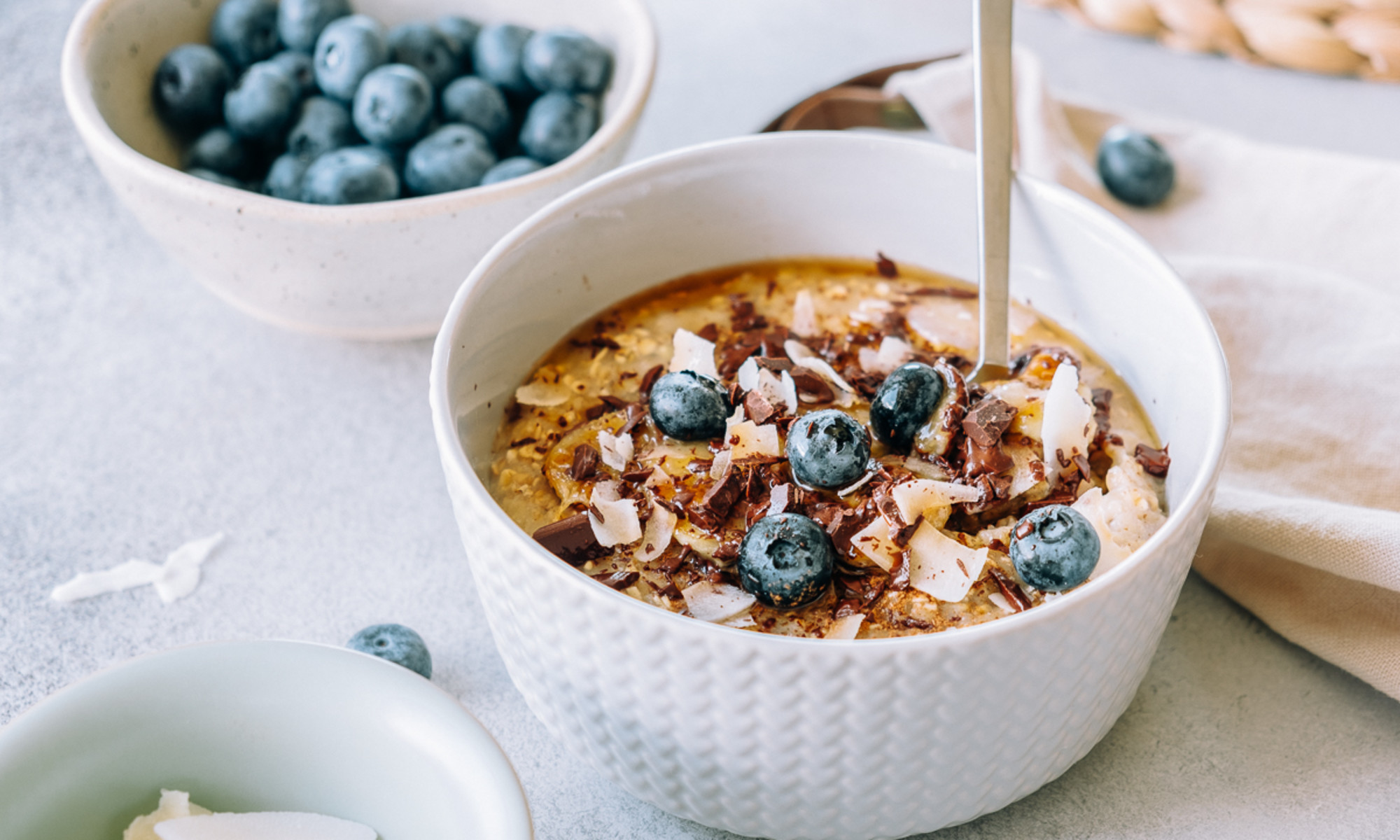
To maximize their health benefits, it is recommended to opt for whole, unprocessed oats such as rolled oats or steel-cut oats, rather than instant varieties that may contain added sugars and have a higher glycemic index. Enhancing the nutritional profile further can be achieved by topping oatmeal with fruits, nuts, seeds, and a source of protein, such as a scoop of grass-fed whey protein isolate. This combination ensures a balanced meal that provides sustained energy, essential nutrients, and further supports a healthy gut environment.
Conclusion
The humble oat has once again proven its nutritional prowess, revealing a sophisticated pathway through which it contributes to robust heart health. The groundbreaking research published in Nature Communications elucidates how the synergistic action of oat fiber and gut bacteria unlocks a wealth of cardiovascular benefits, extending far beyond mere cholesterol reduction. As scientific understanding continues to evolve, the simple act of enjoying a bowl of oatmeal emerges as a powerful, accessible, and scientifically validated strategy for fostering long-term well-being. This discovery not only solidifies oats’ place as a dietary cornerstone but also inspires a deeper appreciation for the intricate and vital role of our gut microbiome in translating food into health.
