
 By Jia Lissa
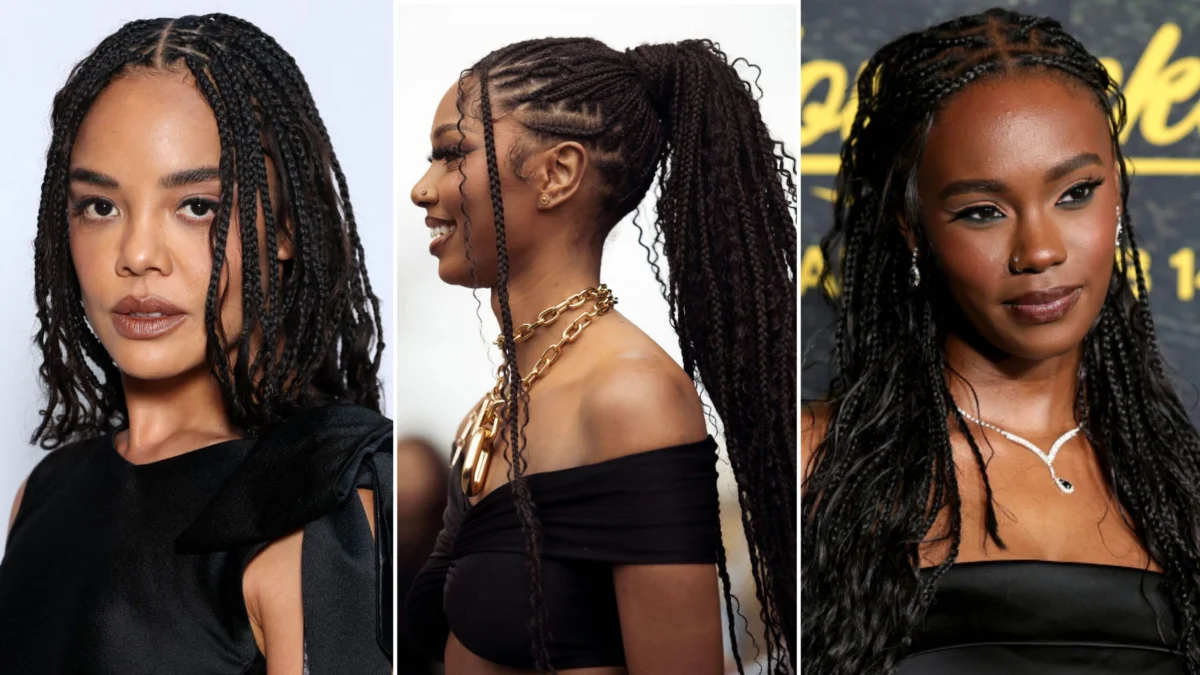
The name "goddess braids" evokes an image of ethereal beauty, conjuring visions of flowing, curl-adorned plaits fit for a celestial being. This evocative moniker perfectly captures the allure of a hairstyle that has rapidly ascended in popularity, becoming a significant trend in protective styling. Unlike more rigidly defined braided styles, goddess braids possess a fluid definition, often interchangeably used with "boho braids," with interpretations varying among stylists. This ambiguity, however, does little to diminish their widespread appeal, which stems from a blend of aesthetic elegance, versatility, and mindful hair care.

Understanding the Nuances of Goddess Braids
At its core, the goddess braid is characterized by the incorporation of loose, flowing curls within the braided structure. These curls, typically made of human or synthetic hair, are woven into some or all of the braids, creating a softer, more textured appearance than traditional cornrows or two-strand twists. The precise quantity and placement of these loose curls are where the definition of a goddess braid becomes most fluid, leading to the common conflation with boho braids.

Jess Rutana, a London-based braider, notes that the terms "goddess braids" and "boho braids" are frequently used interchangeably, with their meanings subject to individual stylist interpretation. This perceived lack of a strict definition allows for a greater degree of creative expression, contributing to the style’s adaptability.
Susy Oludele, a New York City-based braider, offers one perspective: "Goddess braids take only a few curls. The braid stays defined and the finish is clean." In this interpretation, the braids themselves remain the prominent feature, with the curls serving as subtle accents. Conversely, Oludele describes boho braids as utilizing "a lot of hair. The curls [in boho braids] carry the whole style, and you get that bold, textured look."

Rutana, however, presents a contrasting viewpoint. At her salon, Zuri Hair Studio, she defines goddess braids as those containing "significantly more loose human hair, creating a fuller finish where the braids are less visible." This divergence in definitions highlights the organic evolution of the style within the styling community, emphasizing personalization over rigid adherence to a singular standard.
The Rise of the Goddess Braid: Why Now?

The current surge in the popularity of goddess braids is attributed to several key factors, chief among them being their inherent versatility and longevity. Shanna St. Cyr Alexander, a New York-based braider, explains that goddess braids offer "versatility, longevity, and a little more dimension than traditional knotless braids." This combination of practicality and aesthetic appeal makes them a compelling choice for a wide range of individuals.
A significant advantage of goddess braids, and knotless styles in general, is the reduction in tension compared to older braiding techniques. The "Poetic Justice"-era plaits of the 1990s, characterized by their thickness and the use of knots at the scalp to secure the braiding hair, often placed considerable strain on the hairline. This can lead to traction alopecia and other scalp issues over time.

"There’s less weight, less pressure on the scalp, [and] less tension on the edges," explains Oludele. "We’ve all watched what heavy styles do to a hairline over time, and women are done with it." The knotless method, by contrast, involves starting the braid with the client’s natural hair and gradually feeding in the braiding hair, thereby distributing the weight more evenly and minimizing stress on the scalp and edges. This focus on hair health aligns with a growing consumer demand for protective styles that prioritize the well-being of the natural hair.
Furthermore, the addition of loose curls injects a dynamic visual element into the style. These flowing tendrils provide a sense of movement and fullness, softening the overall look and adding a touch of bohemian flair. As Oludele succinctly puts it, "Goddess braids give you a full, beautiful look without your head hurting for three days after you leave the chair." This promise of both aesthetic appeal and comfort is a powerful driver of their current popularity.

The Installation Process: Crafting the Divine Look
The installation of goddess braids, like most protective braiding styles, begins with a thorough preparation of the natural hair. "Your natural hair gets cleansed, deep-conditioned, and stretched or blow-dried first," states Oludele. This foundational step ensures that the hair is clean, hydrated, and ready to receive the braiding extensions.

Following the preparation, the braider meticulously feeds in the braiding hair and the loose curls. The crucial element here is the intentionality behind the curl placement. "The curly pieces go in while you are braiding, worked into the braid as you go," Oludele explains. The amount of curly hair used is a key differentiator between styles, dictating the overall aesthetic.
Rutana further clarifies the material aspect: "Depending on the braider and the desired finish, synthetic hair, human hair, or a combination of both may be used." The choice of material can influence the texture, longevity, and cost of the final style. Human hair often offers a more natural look and feel, while high-quality synthetic hair can provide excellent durability and volume at a more accessible price point.

Investment and Maintenance: Caring for Your Goddess Braids
The cost of goddess braids can vary significantly, influenced by factors such as geographical location, the complexity of the style, and the type of hair used. Oludele estimates that goddess braids typically range from $300 to $500. For those seeking a more budget-friendly option, Ariana Greene, another braider, notes that using only synthetic hair can reduce the overall cost. To avoid unexpected expenses, Oludele advises clients to clarify with their braider whether the cost of hair is included in the initial quote before commencing the service.

Maintaining the beauty and integrity of goddess braids requires a consistent care routine. Oludele recommends oiling the scalp two to three times a week to keep it hydrated and healthy. Hair washing is advised every two to three weeks, using a diluted shampoo applied with an applicator bottle, focusing primarily on the scalp to avoid disturbing the braids. "A dirty scalp breaks hair," she cautions, underscoring the importance of cleanliness for hair health.
For scalp health and nourishment, products like Camille Rose’s Rosemary Oil Strengthening Hair + Scalp Drops, infused with rosemary and peppermint oils, can be beneficial. For cleansing, Aunt Jackie’s Grapeseed Style and Shine Recipes Power Wash Intense Moisture Clarifying Hair Shampoo, which contains antibacterial apple cider vinegar and aloe, is a suitable choice.

When human hair is incorporated into the braids, a more detailed maintenance routine for the loose strands becomes necessary. "The loose human hair strands require regular care because they [are more likely to] tangle if neglected," says Rutana. She suggests gently separating the loose strands and using a soft-bristled detangling brush, working from the ends upwards while holding the hair close to the braid to prevent pulling on the natural hair.
A leave-in conditioner, such as Shea Moisture’s Jamaican Black Castor Oil Strengthen & Restore Leave-In Conditioner, can be used to refresh the hair and add moisture. Alexander also recommends a serum for added shine and to help prevent matting. L’Oréal Paris’ Elvive Extraordinary Oil Miracle Hair Serum is a popular choice for smoothing loose hair and enhancing its luster.

Overnight care is crucial for preserving the style and minimizing frizz. Greene suggests sleeping with a satin pillowcase and a satin scarf, and dividing the hair into two sections, braiding or twisting them before covering. Kitsch’s XL Satin Bonnet is a practical option that can comfortably accommodate larger braided styles.
While protective styles are designed to shield natural hair, it’s essential to avoid keeping them in for excessive periods. Oludele advises taking down braids after six to eight weeks, emphasizing that "A protective style should give your hair back to you healthier than it came." This allows for thorough cleansing, conditioning, and a break for the natural hair before the next styling session.

Goddess Braid Inspiration: A Spectrum of Styles
The versatility of goddess braids allows for a wide array of aesthetic interpretations, catering to different preferences and occasions.

-
Small Goddess Braids: These finer braids offer a delicate and intricate look. They are easily manageable and can be styled in various updos, providing a chic and refined appearance. Smaller braids also tend to have greater longevity, maintaining their neatness for longer periods with proper care.
-
Smedium Goddess Braids: Positioned between small and medium, "smedium" braids offer a balanced look that is neither too fine nor too chunky. This size is ideal for those seeking a fuller appearance without the extensive installation time associated with very large braids.

-
Half-Up, Half-Down Goddess Braids: A classic and enduring style, the half-up, half-down configuration is particularly striking with the added texture of goddess braids. This versatile look can be secured with decorative clips, adding an extra layer of personal style.
-
Ponytail with Goddess Braids: Gathering goddess braids into a ponytail creates a regal and polished silhouette. The braids can be wrapped around the base of the ponytail for a more elaborate finish, or a few face-framing strands can be left out for a softer, more romantic effect.

-
Goddess Lob (Long Bob): For those who prefer shorter styles, a goddess-braided lob offers a protective and fashionable alternative. This shorter length provides a contemporary edge while still harnessing the benefits of braided hair.
The enduring appeal of the goddess braid lies in its ability to blend sophisticated aesthetics with practical hair care. As the understanding and appreciation for diverse hair textures and protective styling methods continue to grow, the goddess braid is poised to remain a celebrated and sought-after hairstyle for its inherent beauty and mindful approach to hair health.
