
 By admin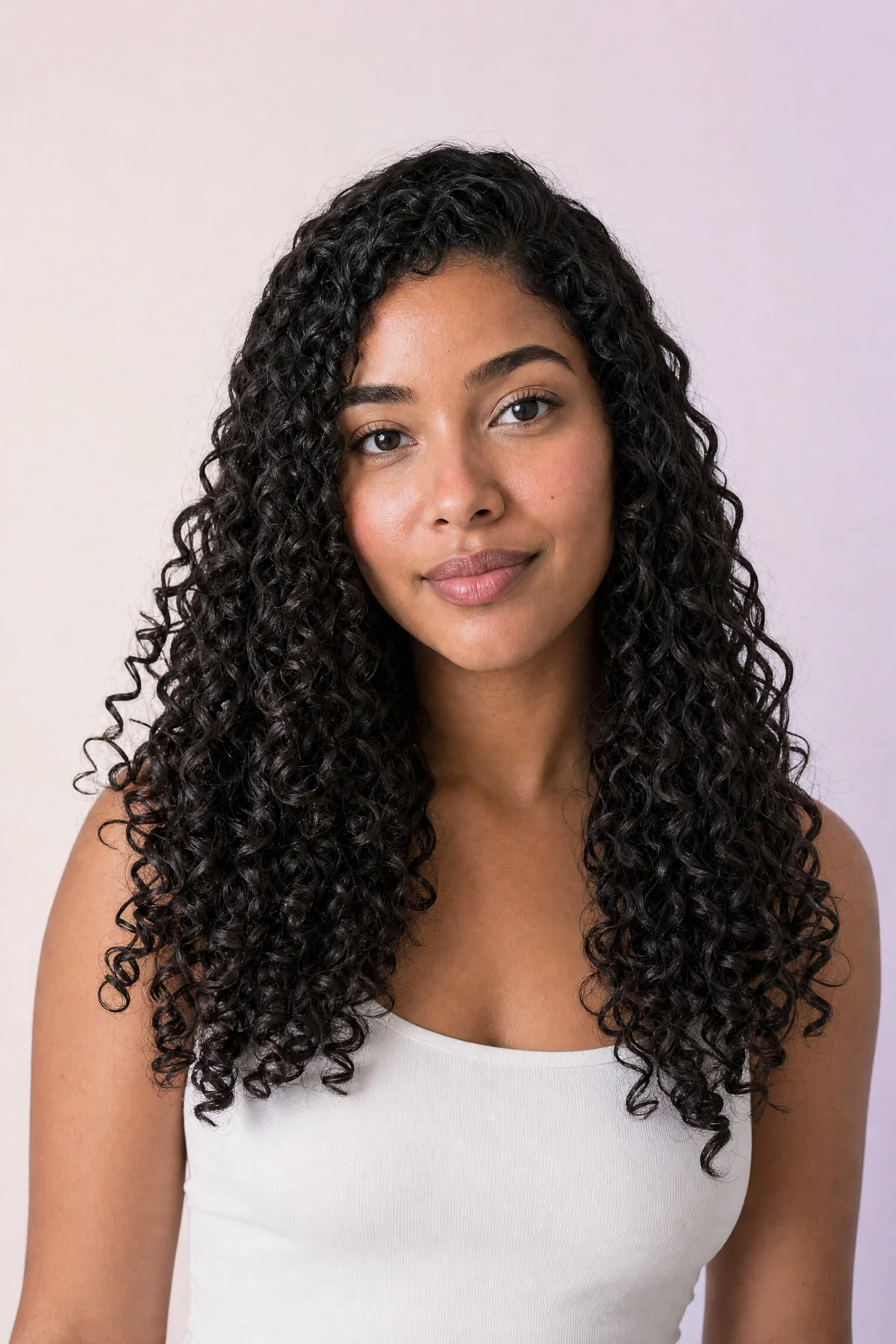
The Curly Girl Method, a revolutionary hair care philosophy introduced by stylist Lorraine Massey in her 2001 book Curly Girl: The Handbook, has transformed the approach to managing wavy, curly, and coily hair textures. This sulfate-free, silicone-free routine emphasizes gentle cleansing, minimal heat styling, and the use of specialized products to enhance natural curl patterns, promoting healthier, more defined results for a wide spectrum of textures, from loose waves to tight coils. This comprehensive guide delves into the core principles of the method, its scientific underpinnings, its applicability across different hair types, and the common pitfalls to avoid for optimal outcomes.
The Genesis and Evolution of the Curly Girl Method
Lorraine Massey’s pioneering work emerged at a time when the prevailing haircare advice for textured hair often involved harsh chemical straightening or aggressive heat styling. Her handbook offered a radical departure, advocating for a holistic approach that respected the natural structure of curly hair. The method’s foundational premise is to avoid ingredients that strip the hair of its natural oils and to embrace techniques that preserve moisture and enhance curl formation. Over the past two decades, the Curly Girl Method has evolved, with countless stylists and enthusiasts contributing to its refinement and the development of specialized product lines. What began as a specific set of rules has now become a widely adopted philosophy, forming the bedrock for most modern curl-focused hair care routines.
The Science Behind Sulfate-Free and Silicone-Free Hair Care
The efficacy of the Curly Girl Method is rooted in its avoidance of specific chemical ingredients that can be detrimental to textured hair. Sulfates, such as sodium lauryl sulfate (SLS) and sodium laureth sulfate (SLES), are potent cleansing agents. While effective at removing dirt and oil, they also strip the hair of its natural sebum, which is crucial for maintaining moisture and elasticity, particularly in curly hair that tends to be drier. Research published in journals like the Journal of Investigative Dermatology has indicated that the harsh stripping action of sulfates can lead to increased protein loss from the hair shaft. Over time, this can manifest as dryness, frizz, breakage, and a loss of curl definition.
Silicones, especially non-water-soluble varieties like dimethicone, are often found in conditioners and styling products. They create a smooth, glossy finish by coating the hair shaft, providing an instant appearance of health. However, these silicones can build up on the hair, preventing moisture and beneficial ingredients from penetrating the cuticle. This buildup can weigh down curls, making them appear limp and lifeless, and can necessitate harsh clarifying treatments to remove, thus undoing the gentle approach of the method. By eliminating these ingredients, the Curly Girl Method aims to restore the hair’s natural balance, allowing it to retain moisture and exhibit its inherent texture.

The Five Pillars of a Curly Girl Wash Day
Adherence to a structured wash-day routine is central to the Curly Girl Method. This process is designed to gently cleanse, deeply condition, and effectively style the hair, culminating in enhanced curl formation.
- Cleanse: The initial step involves cleansing the scalp and hair. Traditional shampoos are replaced with either a sulfate-free shampoo or, more commonly, a cleansing conditioner (co-wash). This is typically done weekly for wavy and curly hair, and every one to two weeks for coily hair, depending on individual needs and product usage. A clarifying wash, using a specific sulfate-free clarifying shampoo, is recommended periodically (often monthly) to remove any stubborn product buildup.
- Condition: Following the cleanse, a generous amount of rinse-out conditioner is applied. This is a critical step for detangling, which should be performed while the hair is soaking wet and saturated with conditioner. Using a wide-tooth comb or fingers, gently work through any knots from the ends upwards. This ensures minimal breakage and preserves the curl clumps.
- Style: Once the hair is conditioned and detangled, styling products are applied while the hair is still wet. This typically involves a combination of leave-in conditioner, curl cream, and/or gel. These products are applied by "raking" them through the hair or "scrunching" them in, working from the ends upwards towards the scalp. The goal is to coat each curl strand evenly and encourage curl formation.
- Dry: The drying process is crucial for setting the curl pattern. Instead of roughing the hair with a towel, which can disrupt the curl clumps and cause frizz, gentle drying methods are employed. These include "plopping" – wrapping the wet hair in a cotton T-shirt or microfiber towel to absorb excess water – or diffusing with a hairdryer on a low heat and low speed setting. Air-drying is also a viable option.
- Scrunch Out the Crunch (SOTC): If a gel has been used for styling, it will likely form a "cast" around the curls as they dry, creating a crunchy texture. Once the hair is 100% dry, this cast is broken by gently scrunching the hair upwards. This process softens the hair, revealing defined, frizz-free curls. A light oil can be used on the hands during this step to add shine and further soften.
Understanding Hair Type and Porosity: The Key to Personalization
The Curly Girl Method is not a monolithic approach; its success hinges on understanding individual hair characteristics. Two primary factors dictate how curly hair will respond to the method: curl pattern and porosity.
Curl Pattern: Hair texture is often categorized on a scale from Type 1 (straight) to Type 4 (coily). Type 2 encompasses waves, Type 3 includes curls, and Type 4 denotes coily textures. The shape of the hair follicle and the hair shaft itself influences curl formation. Straighter hair tends to have a rounder cross-section, while curlier hair has a more oval or flattened cross-section. This structural difference contributes to curly hair’s tendency to lose moisture more rapidly and require richer hydration.
- Type 2 (Wavy Hair): This includes waves ranging from loose, S-shaped patterns to more defined waves. Wavy hair often benefits from lighter products to avoid being weighed down.
- Type 3 (Curly Hair): This category encompasses various curl types, from loose curls to tight ringlets. These curls generally require more moisture and hold.
- Type 4 (Coily Hair): This texture features very tight curls, zig-zags, or coils that can shrink significantly. Coily hair is often the driest and most fragile, requiring intensive moisture and gentle handling.
Porosity: Hair porosity refers to the hair’s ability to absorb and retain moisture. It is determined by the condition of the hair cuticle – the outermost layer of the hair shaft.
- Low Porosity: Characterized by a tightly closed cuticle. Hair with low porosity resists moisture initially but holds onto it well once absorbed. Products can sometimes sit on top of the hair.
- Medium Porosity: The cuticle is slightly raised, allowing for a balanced absorption and retention of moisture.
- High Porosity: The cuticle is open and raised, meaning hair absorbs moisture quickly but also loses it just as fast. This is often due to damage from heat styling, chemical treatments, or environmental factors. High porosity hair often needs heavier products and more frequent deep conditioning.
Identifying your curl pattern and porosity through simple tests (e.g., the water-glass test for porosity, visual assessment for curl pattern) is crucial for selecting appropriate products and tailoring the Curly Girl Method to your specific needs.

Transitioning to the Curly Girl Method: A Phased Approach
Embarking on the Curly Girl Method often involves a transition period as the hair sheds accumulated buildup from conventional products and adjusts to a gentler routine.
- The Clarifying Wash: The first step is a thorough clarifying wash to remove any lingering silicones, waxes, or heavy oils. This can be achieved with a sulfate-free clarifying shampoo.
- Product Audit: Carefully examine all current hair products. Discard anything containing sulfates (e.g., Sodium Lauryl Sulfate, Sodium Laureth Sulfate), drying alcohols (e.g., Alcohol Denat., SD Alcohol 40), synthetic fragrances, and non-water-soluble silicones (e.g., Dimethicone, Cyclomethicone). A comprehensive list of forbidden ingredients is readily available from Curly Girl Method resources.
- Trimming Damaged Ends: Split ends and severely damaged hair will not be repaired by any conditioning treatment. A professional trim is often recommended at the start of the transition to remove these compromised sections, allowing the healthy hair to thrive.
- Embrace the Routine: Begin consistently following the five core steps of the Curly Girl Method. During the initial weeks, hair may appear curlier or frizzier than usual as it detoxifies and rebalances. This is a normal part of the process.
- Patience is Key: The transition period can vary. For some, improvements are noticeable within two to four wash cycles. For those with significant damage or heavy product buildup, it can take six to eight weeks, or even longer, to see the full benefits.
Common Mistakes to Avoid on Your Curl Journey
Despite the method’s effectiveness, several common missteps can hinder progress and lead to frustration.
- Over-Producting: Applying too much product, especially heavy creams or butters, can weigh down fine or low-porosity hair, resulting in limp, separated curls. It is essential to start with a small amount and build up as needed.
- Skipping the Clarifying Wash: Failing to perform an initial clarifying wash or neglecting periodic clarifying treatments means that old product buildup will continue to weigh down the hair, preventing the new, gentle products from working effectively.
- Towel Drying Aggressively: Rubbing wet hair with a traditional terrycloth towel disrupts the curl pattern and roughens the hair cuticle, leading to frizz. Opting for a microfiber towel or a cotton T-shirt for gentle drying is paramount.
- Using Heat Styling Tools: While some methods incorporate low-heat diffusing, avoiding high-heat tools like flat irons and curling wands is a cornerstone of the Curly Girl Method. Excessive heat damages the hair’s protein structure and dries it out.
- Ignoring Hair Porosity and Curl Pattern: Applying products or techniques suitable for one hair type to another can yield suboptimal results. Understanding your hair’s specific needs is vital for customization.
The Timeline to Transformation: Realistic Expectations
The journey to realizing the full potential of the Curly Girl Method is a gradual one. Many individuals report seeing an improvement in softness and definition within the first one to two wash cycles. However, a more significant transformation, particularly for hair that has experienced years of heat damage or chemical processing, typically unfolds over six to eight weeks of consistent application. During this period, it is not uncommon for hair to initially look less appealing as old damage grows out and product residue is fully eliminated.
Once the curls have stabilized and begun to thrive, strategies to prolong the time between washes can be implemented. These include sleeping on satin pillowcases or using a "pineapple" (a loose, high ponytail) to protect curls overnight. Regular trims every eight to twelve weeks, ideally from a stylist experienced in cutting curly hair dry (as cutting wet curls can alter their spring and fall), are also beneficial for maintaining shape and health.
Frequently Asked Questions About the Curly Girl Method
Can I still use shampoo?
Yes, but only sulfate-free shampoos. Many practitioners opt for co-washing (cleansing with conditioner) as their primary cleansing method, reserving sulfate-free shampoos for occasional clarifying.

How long does it take for curls to adjust?
Visible improvements are often seen within two to four weeks. A complete transition, especially from significant damage, can take two to three months of consistent wash days.
Does the Curly Girl Method work for wavy hair?
Absolutely. Wavy hair typically requires lighter products and shorter drying times than tighter curl patterns to prevent it from becoming weighed down or appearing stringy.
What are the key ingredients to avoid?
The primary culprits are sulfates (e.g., sodium lauryl sulfate, sodium laureth sulfate), drying alcohols, synthetic fragrances, and non-water-soluble silicones (e.g., dimethicone, amodimethicone).
Why does my hair feel crunchy after styling?
This "crunch" is a gel cast, which is a desirable outcome as it locks in the curl pattern while the hair dries. Gently scrunching out this cast once the hair is 100% dry will reveal soft, defined curls.
Can fine hair benefit from the Curly Girl Method?
Yes, but fine hair requires a lighter approach. Use water-based products sparingly, focusing on lightweight formulas that won’t flatten the strands. Heavier creams and butters suitable for thicker or coily hair can overwhelm fine textures.

Conclusion: A Sustainable Path to Beautiful Curls
The Curly Girl Method offers a scientifically sound and demonstrably effective pathway to achieving healthier, more defined curls. By eliminating harsh sulfates and unnecessary heat, and by embracing a routine centered on moisture and gentle handling, individuals can unlock their hair’s natural beauty. The success of the method lies in its adaptability; understanding one’s unique curl pattern and porosity allows for a personalized approach to product selection and routine adjustment. Patience, consistency, and a commitment to avoiding common pitfalls are the keys to unlocking a sustained transformation. As many devoted followers can attest, the rewards of embracing this method are not just aesthetic but contribute to the overall health and integrity of textured hair for the long term.
The HairHunt app, available on iOS and Android, provides users with a unique opportunity to visualize potential curly hairstyles on their own photos, offering a preview of what their curls could look like before committing to a new routine or a significant haircut. This innovative tool can serve as an encouraging resource for those embarking on their Curly Girl Method journey.
Sources:
- Research on Sodium Dodecyl Sulfate and its effects on hair protein loss.
- Studies on the structure of curly hair and its impact on moisture retention.
- Information on hair porosity and its influence on product absorption.
- Original publications and ongoing community discussions surrounding the Curly Girl Method.
Disclaimer: Hair results vary based on your natural hair type, texture, density, and condition. Always consult with a licensed hairstylist before making significant changes, especially with chemical treatments or dramatic length changes. Photos may show styled results that require professional tools and products to replicate.
