
 By Nila Kartika Wati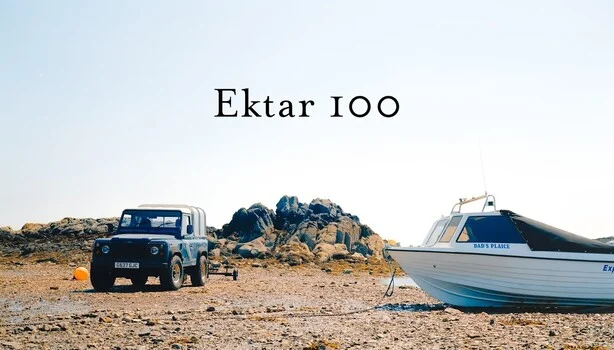
The Enduring Allure of Film: A Cost-Benefit Paradox
The core of this ongoing photographic discourse was vividly demonstrated by James Popsys, a prominent photographer and content creator, who delved into the profound contradiction experienced by "hybrid shooters" – those who navigate both digital and analog workflows. Popsys’s recent video illustrates this by comparing a single medium format film shot with an equivalent digital capture. Using a Kodak Ektar 100 roll film in a Fuji GW690II, a classic 6×9 medium format rangefinder camera yielding a mere eight exposures per roll, Popsys calculated the cost per film frame to be several dollars. This was juxtaposed against the cost of a digital shot from a Fuji X100, which amounted to roughly a single cent. The monumental 470-fold cost difference per frame should, by all logical measures, definitively settle the film-versus-digital debate in favor of digital. Yet, as Popsys candidly admits while scanning a summer’s worth of negatives, the photographs captured on film, particularly those of his children, hold a disproportionately greater "weight" and significance for him, an emotional value he struggles to articulate rationally. This sentiment, resonating with countless photographers, reveals that the decision to shoot film often transcends mere technical specifications or financial spreadsheets, rooting itself instead in deeply personal and experiential motivations.
An Unplanned Acquisition and a Return to Analog Roots
The journey that led Popsys to confront these analog paradoxes began with an unexpected turn of events involving a high-end digital camera. During a demanding week of shooting in Istanbul, the grip of his Leica SL3, a sophisticated full-frame mirrorless camera, began to peel. Upon returning the faulty equipment, Popsys opted for store credit rather than a direct replacement, a decision that inadvertently steered him towards a renewed engagement with film photography. His rationale for this choice was dual-pronged: he sought a camera that could retain its value for potential resale while simultaneously offering an opportunity to revisit a photographic medium he had largely set aside for nearly two decades.
This search culminated in the acquisition of a Leica MP, a 35mm mechanical rangefinder camera widely revered as a "grail" among film photography enthusiasts for its robust build quality, timeless design, and precise manual operation. Despite its legendary status and the anticipation often associated with such a purchase, Popsys confessed to feeling a surprising degree of indifference towards the Leica MP initially. This detached sentiment, however, did not deter him from loading rolls of Kodak Portra 400, a popular professional color negative film known for its natural skin tones and wide exposure latitude, and taking it for a spin during a day trip to Bournemouth. He paired the Leica MP with a Voigtländer 35mm lens, a choice praised for its optical sharpness, versatile focal length, and excellent value proposition, reflecting a pragmatic approach even when indulging in a premium photographic experience. This unplanned foray into 35mm film, spurred by an almost accidental chain of events, set the stage for a series of technical revelations and deeper reflections on the essence of photography.
Navigating the Nuances of Film Exposure: A Practical Lesson
Popsys’s return to film was not without its immediate learning opportunities, particularly concerning exposure. One of the most insightful segments of his reflection centered on a critical exposure mistake, revealed only after the negatives were scanned. Having decided to meticulously shoot everything at "box speed" – the film’s nominal ISO rating – and strictly adhere to the camera’s built-in light meter readings, he was met with disappointing results: muddy, underexposed frames. This outcome was particularly vexing for an experienced photographer like Popsys, who readily admitted to knowing better, having navigated tens of thousands of frames in challenging conditions like snow, where reflective surfaces are notorious for fooling light meters into underexposing a scene.
This experience underscored a fundamental difference between digital and negative film exposure philosophies. Digital photographers are often advised to "expose to protect the highlights," meaning to underexpose slightly to preserve detail in the brightest areas, knowing that shadow details can often be recovered in post-processing. For negative film, however, the opposite is generally true. Film, especially color negative film like Portra 400, has significant latitude in the highlights but struggles more with underexposure in the shadows. The crucial correction Popsys highlighted, and one worth carrying into any film work, is to lean towards slight overexposure when in doubt. This ensures richer shadow detail and more vibrant colors, as negative film handles overexposure gracefully, allowing for denser negatives that scan beautifully. Conversely, underexposed negatives can result in thin, grainy, and difficult-to-recover images.
Further technical insights included his conclusion regarding the use of an ND filter. Popsys realized that employing a neutral density filter was likely overkill for shooting Portra 400 at apertures like f/8 or f/11. At these apertures, particularly on 35mm film, any potential diffraction – the slight softening of an image that can occur at very small apertures – would be practically imperceptible, rendering the filter unnecessary for achieving optimal sharpness and potentially complicating exposure calculations.
Stabilization Techniques for Handheld Shooting
Beyond exposure, Popsys also shared a practical, cost-free technique for improving sharpness in handheld photography, a method particularly relevant for those who, like him, prefer to shoot without a tripod nearly all the time. He utilizes an adjustable leather camera strap, which he wraps around his body to create an additional bracing point. By tightening or loosening the strap to accommodate varying layers of clothing throughout the seasons, he creates a taut connection between his body and the camera. This simple yet effective technique significantly enhances stability, allowing for sharper images even at slower shutter speeds than most photographers might expect. It’s a testament to the idea that thoughtful technique, rather than expensive gear, can often yield substantial improvements in image quality, reinforcing the notion that mastery of the craft often involves ingenuity and adaptation.
The Deeper Motivations: Why Film Continues to Thrive
Underneath the granular cost analyses and technical considerations lies a profound pattern that explains much of film photography’s recent resurgence: the psychological impact of new equipment and the inherent allure of friction in the creative process. Popsys astutely observes that new gear, whether film or digital, often acts as a catalyst, pulling photographers out to shoot in conditions they might typically avoid. When the resulting frames are disappointing, the blame is often misdirected at the equipment rather than the more fundamental issue of suboptimal shooting conditions or timing. This cycle, however, takes on a different dimension with film.
Younger generations of photographers and hobbyists returning to the craft are not flocking to rangefinders and half-frame cameras because they believe film files inherently "beat" those from a modern digital sensor in terms of resolution or dynamic range. Instead, they are consciously buying into the friction of the film process. This "friction" encompasses several deliberate constraints and experiences: the finite limit of eight shots on a medium format roll or 36 on a 35mm roll, forcing more considered compositions; the anxious anticipation and waiting period for film development and scanning; and the tangible act of holding a physical negative before it transforms into a final image.
This engagement, as Popsys posits, might be less about the medium itself and more about the steep learning curve it presents, fostering a deeper connection to the photographic process. The very uncertainty he expresses – whether the engagement comes from the learning or the medium – is the most useful part of his introspection. It compels prospective film buyers to sort out their primary motivation: Do they primarily desire the final images, or is it the process of creating those images that truly appeals? For many, the process is precisely what they are paying for, a stark contrast to the instant gratification and near-limitless capacity of digital.
Broader Implications: Nostalgia, Tactility, and a Slower Art Form
The enduring appeal of film in an increasingly digital world carries broader implications for the art and industry of photography. From an economic perspective, the film market, while niche, has shown remarkable resilience and even growth in recent years, defying predictions of its demise. This trend is supported by an increasing demand for film stocks, processing services, and classic film cameras, leading to rising prices for both new and vintage equipment. Companies like Kodak, Fuji, and Ilford continue to produce film, often innovating with new emulsions or reintroducing beloved ones, demonstrating a sustained commercial viability driven by this passionate community. The costs of production, however, remain significant, contributing to the higher per-frame expense compared to digital.
Beyond economics, the film resurgence speaks to a philosophical shift, a longing for a slower, more deliberate approach to art-making. In an era of endless scrolling and ephemeral digital content, the tangible nature of film offers a refreshing counterpoint. The act of loading film, manually setting exposure, hearing the mechanical click of the shutter, and then patiently awaiting the reveal of the developed negatives evokes a sense of nostalgia and craftsmanship. This tactile experience, coupled with the inherent limitations of film, often fosters a more intentional and mindful photographic practice, where each frame holds greater significance due to its cost and scarcity.
This phenomenon is not isolated to photography; similar trends can be observed in other analog hobbies, such as the resurgence of vinyl records in the music industry or the growing appreciation for fountain pens and artisanal stationery. These movements suggest a collective yearning for authenticity, craftsmanship, and a deeper engagement with the tools and processes of creation, providing a respite from the pervasive, often overwhelming, digital landscape. The "friction" that Popsys identifies is, in essence, a feature, not a bug, for those seeking to reconnect with the foundational elements of their craft.
Conclusion: Beyond the Spreadsheet, the Subjective Value of Art
The dichotomy presented by James Popsys—a medium format film shot costing 470 times more than its digital equivalent, yet holding inexplicable emotional weight—encapsulates the heart of the ongoing film-versus-digital debate. It is a debate that cannot be settled by spreadsheets, technical specifications, or objective cost analyses alone. Instead, it highlights the deeply subjective and often irrational motivations that drive creative pursuits. Popsys’s honest self-reflection, admitting uncertainty about whether his engagement stems from the learning curve or the intrinsic qualities of the film medium, serves as a valuable guidepost for anyone contemplating a foray into analog photography.
Ultimately, the choice between film and digital is not about which medium is objectively "better," but rather which process best aligns with an individual’s creative philosophy, personal values, and desired experience. For many, the tangible negatives, the anticipation, the deliberate pace, and the unique aesthetic qualities of film contribute to a profound sense of connection to their art, imbuing their images with a subjective value that far outweighs any calculated cost per frame. In a world increasingly dominated by efficiency and immediacy, the enduring appeal of film photography stands as a testament to the enduring human desire for friction, tactility, and the slow, meaningful creation of art.
