
 By admin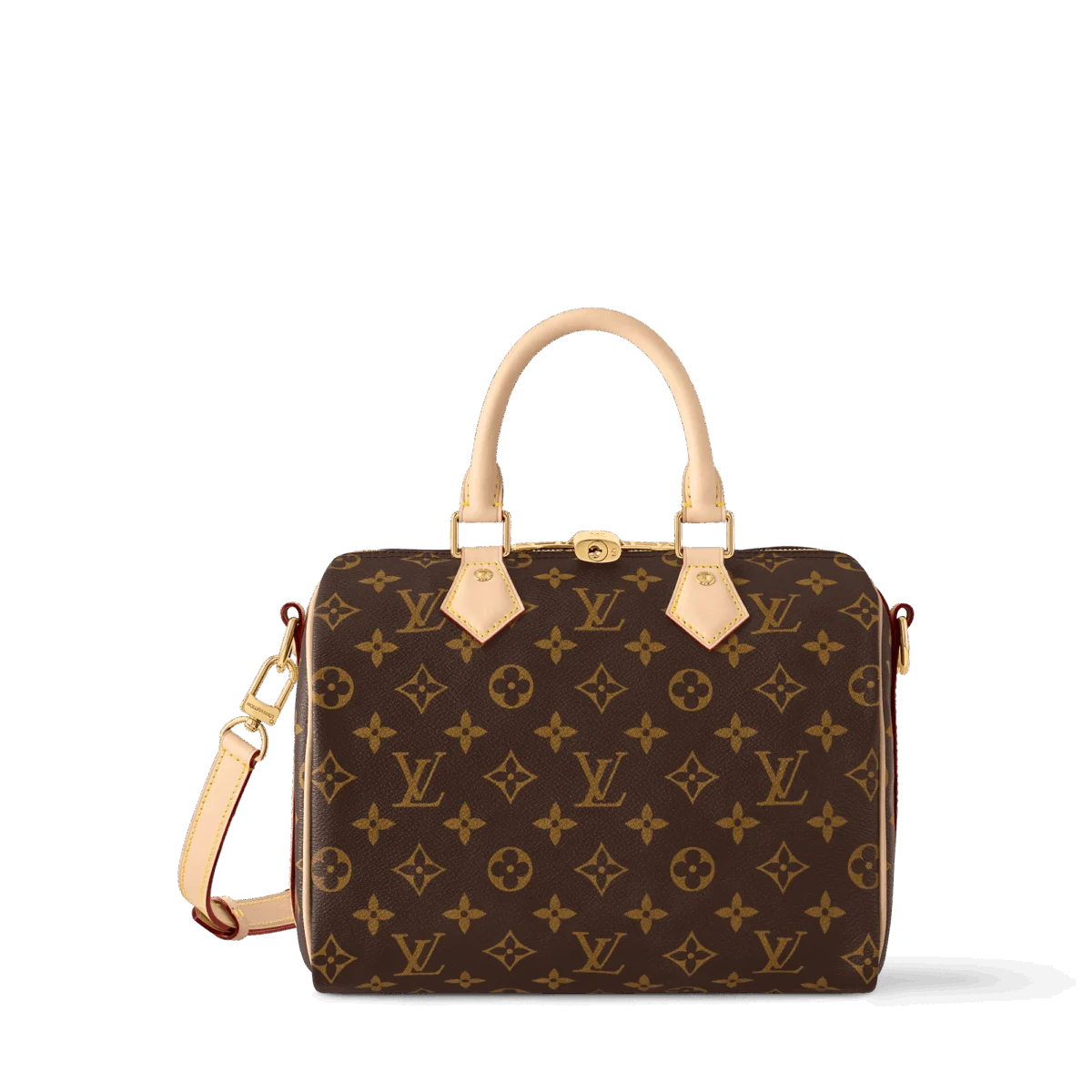
The global luxury landscape is witnessing a profound shift in consumer behavior as younger demographics pivot away from the traditional cycle of seasonal "newness" in favor of vintage and archival pieces. For a generation raised in an era of hyper-accelerated fashion, where trends can emerge and dissipate within a single week, the appeal of an object is increasingly tied to its heritage, history, and proven ability to survive the passage of time. This movement, characterized by a meticulous hunt for vintage "IT" bags and archival treasures, suggests that the most desirable pieces in modern fashion are not those fresh off the runway, but those that have already lived a life.
The concept of the "new heirloom" has emerged as a defining pillar of contemporary style. Unlike traditional heirlooms passed down through familial lines, these are modern artifacts sourced from the secondary market, representing a rebellion against the perceived disposability of 21st-century fast fashion. In this environment, signs of age, such as the patina on a leather bag or the slight tarnishing of vintage hardware, are no longer viewed as defects but as markers of authenticity and cultural weight.

The Statistical Foundation of the Archival Boom
The shift toward archival fashion is supported by significant market data indicating that this is not a fleeting aesthetic preference but a fundamental change in the luxury ecosystem. According to a 2025 report by Boston Consulting Group (BCG) and Vestiaire Collective, second-hand pieces now account for up to 32 percent of the wardrobes of younger consumers globally. This figure rises dramatically to 45 percent when specifically examining the handbag category.
The motivations behind this trend are multifaceted. While sustainability remains a factor, the primary driver appears to be brand discovery and individuality. The same BCG research found that approximately 80 percent of respondents had purchased or discovered a brand for the first time through the second-hand market. This positions resale platforms not merely as liquidation outlets, but as primary discovery channels for luxury houses. For Gen Z and Millennial consumers, the resale market offers a way to navigate fashion without being dictated to by the present-day marketing machines of major maisons.
A Chronology of the "IT" Bag Phenomenon
To understand the current obsession with the past, one must look at the evolution of the luxury handbag from a functional accessory to a cultural signifier. The late 1990s and early 2000s marked the birth of the "IT" bag era, a period when specific silhouettes became synonymous with celebrity status and pop culture milestones.

In 1997, the Fendi Baguette broke traditional design rules by prioritizing form and aesthetic over utilitarian space, kickstarting a decade of hardware-heavy, recognizable designs. By the mid-2000s, bags like the Balenciaga City and the Chloé Paddington had become the armor of the "off-duty model" look, defined by a slouchy, lived-in luxury that contrasted with the stiff structure of mid-century handbags.
The 2010s saw a brief move toward minimalism and "quiet luxury," but the 2020s have brought a nostalgic resurgence. As the digital age makes everything instantly accessible, the rarity of a specific 2004 Balenciaga colorway or a limited-edition Louis Vuitton collaboration from 2003 provides a level of social currency that a current-season boutique purchase cannot replicate.
Iconic Case Studies: The Pillars of the Archival Market
Five specific silhouettes have emerged as the primary targets for archival hunters, each representing a distinct creative and cultural moment in fashion history.

1. The Fendi Baguette
Designed by Silvia Venturini Fendi in 1997, the Baguette is perhaps the ultimate example of a bag that transcended fashion to become a cultural artifact. Its association with Sex and the City—specifically the "It’s not a bag, it’s a Baguette" moment—cemented its place in history. Today’s younger consumers seek out vintage versions in sequins, pony hair, and Zucca print, valuing the diversity of the archival iterations over the standardized new models.
2. The Chloé Paddington
Under the creative direction of Phoebe Philo in 2005, Chloé released the Paddington. Known for its heavy padlock and grained leather, it was the first bag to have its entire production run pre-ordered before hitting boutiques. Its current resurgence reflects a desire for the "Boho-chic" aesthetic of the mid-2000s, viewed by Gen Z as a vintage era worth mining for its tactile, oversized hardware.
3. The Balenciaga City
Initially rejected by Balenciaga’s management for being "too soft" and "lacking structure," the City bag (originally the "Lariat") was only produced after Nicolas Ghesquière insisted on making a small run for models like Kate Moss. Its lack of visible logos and its distinctive tasseled zippers made it the quintessential "insider" bag. Its return to the spotlight in the 2020s, fueled by celebrities like Bella Hadid, underscores the appeal of "distressed" luxury.

4. The Louis Vuitton Speedy
While the Speedy dates back to the 1930s, the archival interest is concentrated on the early 2000s collaborations. The Takashi Murakami Multicolore Monogram and the Stephen Sprouse Graffiti versions are now treated as investment-grade art pieces. These collaborations represent a time when luxury houses first began to play with their own iconography, a concept that resonates deeply with the "remix culture" of today’s youth.
5. The Miu Miu Vitello Bow
An archival find that has gained particular traction in regional markets like Singapore, the Vitello Bow dates back to Miu Miu’s playful, early-2000s period. Its soft leather and oversized side bows offer a "coquette" aesthetic that aligns with current social media trends. Unlike the more polished Miu Miu of the 2020s, the vintage Vitello Bow represents a quirkier, more accessible entry point into the brand’s history.
Strategic Responses from Luxury Maisons
Luxury houses have not been blind to this archival shift. The industry is currently witnessing a "re-issue" trend, where brands are actively mining their own basements to satisfy the hunger for heritage. Balenciaga officially reintroduced the "Le City" in 2024 after observing its skyrocketing prices on resale sites. Similarly, Chloé’s Autumn/Winter 2025 collection under Chemena Kamali leaned heavily into the house’s 70s and 2000s DNA, signaling a return of the Paddington’s spirit.

Furthermore, brands are attempting to reclaim the secondary market. Some houses have launched in-house restoration services or "certified pre-owned" programs to ensure that their historical pieces remain within their own ecosystem. This allows brands to control the narrative of their heritage while capturing a portion of the revenue that was previously lost to third-party platforms.
However, this corporate embrace of the past creates a paradox. For many younger consumers, the appeal of vintage lies in the "discovery"—the act of finding a piece that was not mass-marketed to them. When a brand re-issues a vintage silhouette, it risks turning a piece of history into just another product on the shelf, potentially diluting the very "soul" that made the archival piece desirable in the first place.
Analysis: Fashion as an Asset Class
The move toward archival luxury also reflects a shift in how younger consumers view spending. In an uncertain economic climate, a vintage Louis Vuitton Speedy or a Fendi Baguette is increasingly viewed as an asset class. Unlike fast fashion, which loses 100 percent of its value upon purchase, high-end archival bags often retain or even increase in value.

This "investment mindset" has changed the way consumers care for their goods. The "new heirloom" is something to be worn, but also preserved. This has given rise to a secondary industry of luxury "spas" and restoration experts who specialize in maintaining the integrity of decades-old leather and hardware. The durability of these items—their ability to "carry the weight of time"—is now a primary selling point.
The Broader Impact and Implications
The archival renaissance is more than just a trend; it is a structural realignment of the fashion industry. It challenges the traditional "planned obsolescence" of the seasonal fashion calendar. If consumers are increasingly looking backward, luxury brands must find a way to innovate while remaining tethered to their history.
This movement also has profound implications for the environment. By extending the lifecycle of a luxury product from five years to fifty, the archival market offers a more sustainable model of consumption. It encourages the purchase of fewer, higher-quality items that can be resold, repaired, and rediscovered.

As we move further into the decade, the distinction between "new" and "old" will continue to blur. The most successful luxury brands will be those that treat their archives not as a museum, but as a living, breathing part of their current identity. For the younger consumer, the allure of the past is not about escaping the present, but about finding something permanent in a world that feels increasingly temporary. The new heirloom is a piece of fashion’s past that has earned its place in the future, proving that true luxury is defined not by the date of its creation, but by the endurance of its design.
